As low as $12
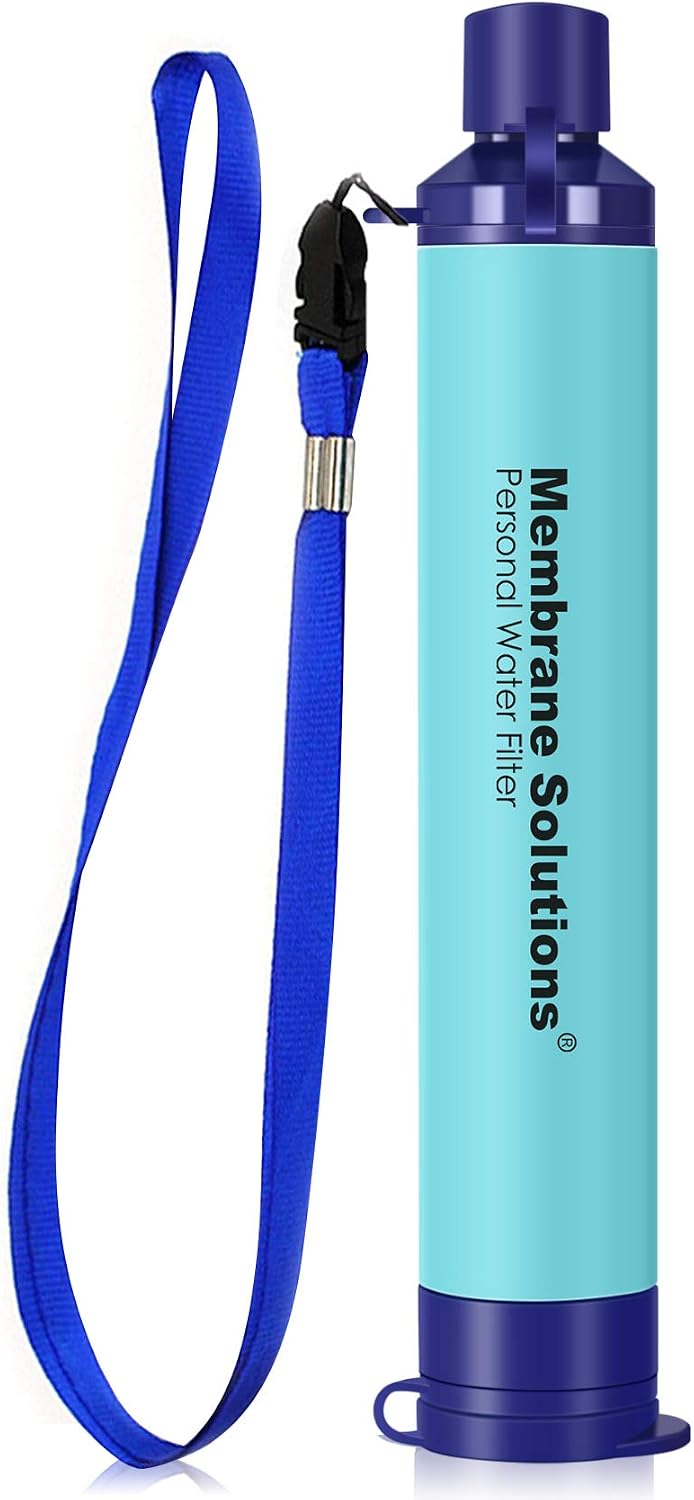
Built for travel, hiking & emergencies - drink safely whether the water is unsafe or just tastes off.
- NSF/ANSI 42, 372 & 401 certified, 0.1 micron filtration
- Filters up to 1,320 gallons - no batteries or pumping
- Ultralight - fits in any bag or pocket
- BPA-free, compatible with standard 28mm bottle threads
Tap water in the United Arab Emirates is technically treated to international safety standards, primarily through desalination, but many residents and travelers prefer bottled water due to concerns about aging pipes and storage tank contamination. The UAE's advanced desalination infrastructure produces some of the world's purest water at the treatment stage, yet water quality can degrade between the plant and your tap. Travelers are generally advised to drink bottled or filtered water for peace of mind, especially in older buildings.
Quick Reference
| Concern | Our Advice | |
|---|---|---|
| Drink tap water? | ❌ | Use bottled or filtered water |
| Brush teeth? | ✅ | Yes, no concerns |
| Wash fruits / veg? | ✅ | Yes, safe to use tap water |
| Use ice in drinks? | ✅ | Yes, safe in restaurants |
| Shower safely? | ✅ | Yes |
| Filter bottle needed? | ❌ | Strongly recommend a Membrane Solutions Filter Straw for all travelers |
| Common risks | Pipeline corrosion, Storage tank contamination, Bacterial growth in tanks, Heavy metals from old plumbing, Elevated total dissolved solids, Chlorination byproducts |

Key Statistics


Affiliate links — we earn a small commission at no extra cost to you.
Water Infrastructure & Supply
The UAE relies heavily on seawater desalination, with massive plants using reverse osmosis and multi-stage flash distillation technologies located along the Gulf coast. The country has invested billions of dollars into water infrastructure since the 1970s, and today operates some of the largest desalination facilities in the world. Abu Dhabi's Emirates Water and Electricity Company (EWEC) and Dubai's DEWA are the primary utilities managing production and distribution.
At the treatment plant level, UAE desalinated water meets or exceeds World Health Organization drinking water standards. However, the distribution network , particularly in older neighborhoods , includes aging steel and concrete pipes that can leach contaminants. Many buildings rely on rooftop storage tanks that, if poorly maintained, may harbor bacterial growth or sediment buildup, especially in the extreme summer heat.
The UAE government has launched ambitious modernization programs, including the Abu Dhabi Strategic Tunnel Enhancement Programme (STEP) to upgrade wastewater infrastructure and ongoing pipe replacement projects across all emirates. Dubai's Clean Energy Strategy 2050 includes provisions for more energy-efficient desalination using solar power. The Federal Water Security Strategy 2036 aims to ensure sustainable, high-quality water access for all residents and reduce per capita consumption by 21%.
Contamination & Health Risks
The primary health risk from UAE tap water is not the desalination process itself but the so-called 'last mile' problem. Water leaving treatment facilities is high quality, but contamination can occur in distribution pipes and especially in building storage tanks. Studies by local municipalities have found occasional elevated levels of trihalomethanes (chlorination byproducts), trace heavy metals, and bacterial indicators in samples taken at the point of use versus at the treatment plant.
For travelers, the practical risk of becoming seriously ill from UAE tap water is low. Many international hotels and newer buildings have modern plumbing and well-maintained tank systems, meaning the water is generally safe for brushing teeth, washing produce, and showering. Ice in restaurants and hotels is almost always made from purified or bottled water, so it is considered safe to consume.
That said, travelers with sensitive stomachs may notice a slightly different taste or mineral profile compared to their home water supply. The high temperatures in the UAE can also accelerate bacterial growth in standing water within pipes and tanks. Using a filtered water bottle or sticking with bottled water for direct drinking is a sensible precaution, particularly if you are staying in budget accommodations or older buildings.
Regional Water Quality Breakdown
Dubai
cautionDubai's DEWA maintains high treatment standards and the distribution network in newer areas like Downtown Dubai and Dubai Marina is modern. However, older districts such as Deira and Bur Dubai may have aging infrastructure and less reliable tank maintenance. Tap water is safe for bathing and brushing teeth; filtered or bottled water is recommended for drinking.
Abu Dhabi
cautionAbu Dhabi's water supply, managed by ADDC and EWEC, is among the best in the UAE with extensive infrastructure upgrades. Newer developments on Saadiyat Island and Yas Island generally have excellent plumbing. In older residential areas, rooftop tank quality can vary, so bottled or filtered water is advisable for drinking.
Sharjah
cautionSharjah's water supply comes primarily from SEWA-managed desalination and is treated to high standards. Some older neighborhoods have infrastructure that may compromise last-mile water quality. Travelers should use bottled water for drinking but can safely use tap water for hygiene purposes.
Ras Al Khaimah
cautionRas Al Khaimah utilizes a mix of desalinated water and limited groundwater sources. Water quality at the tap can vary more than in Dubai or Abu Dhabi, particularly in rural or mountainous areas near Jebel Jais. Bottled water is strongly recommended for drinking in this emirate.
Fujairah
cautionFujairah, located on the Gulf of Oman coast, relies on desalination supplemented by groundwater from the Hajar Mountains. While the supply is treated, infrastructure in some areas is older and may affect water quality at the tap. Travelers should opt for bottled or filtered water for consumption.
Al Ain
cautionAl Ain, Abu Dhabi's inland garden city, historically relied more heavily on groundwater from its famous oases and underground aquifers. Today it receives a significant share of desalinated water via pipeline from Abu Dhabi. Water quality is generally good, but the long pipeline distance and local tank conditions mean filtered or bottled water is recommended for drinking.
Practical Tips for Travelers
- Carry a filter straw (e.g., Membrane Solutions) — it removes bacteria, parasites, and microplastics from any tap or stream. Strongly recommend the Membrane Solutions Filter Straw.
- Carry a filtered water bottle such as a LifeStraw or Grayl when exploring, as tap water is safe to filter and drink but not ideal straight from the tap in older buildings.
- In Arabic, you can ask for bottled water by saying 'Mumkin mayy ma'daniyya?' ( ) meaning 'Can I have mineral water?' , this is understood at any restaurant.
- At hotels and restaurants, ice is virtually always made from purified water and is safe to use in drinks without concern.
- Buy water in bulk from hypermarkets like Carrefour or Lulu if staying in a vacation rental , it's significantly cheaper than buying individual bottles from convenience stores.
- Avoid leaving plastic water bottles in your car during the UAE's extreme summer heat (temperatures can exceed 50C), as heat may cause chemicals to leach from the plastic into the water.
- If staying in an older apartment or budget hotel, let the tap run for 30 seconds before using the water to flush out any standing water that may have accumulated sediment or bacteria in the pipes.
- Look for 'chilled water' stations in shopping malls and public areas , these dispensers provide free filtered and cooled water, especially useful during the scorching summer months.
- When dining at traditional Emirati or South Asian restaurants, ask for 'mayy baarid' ( ) for cold water , most establishments will bring bottled water unless you specifically request tap.
Bottled Water Availability & Cost
Bottled water is ubiquitous and very affordable throughout the UAE. A 500ml bottle typically costs 1, 3 AED (about $0.27, $0.82 USD) at convenience stores, while a 1.5-liter bottle runs 2, 5 AED ($0.55, $1.36 USD). Popular local brands include Al Ain, Masafi, Arwa, and Gulfa, all of which are widely available in supermarkets, petrol stations, and vending machines. Premium imported brands like Evian and Voss are also available at higher prices.
For extended stays, buying in bulk from supermarkets like Carrefour, Lulu Hypermarket, or Spinneys is the most economical approach , a pack of six 1.5-liter bottles costs approximately 6, 10 AED ($1.60, $2.70 USD). Many residents use 5-gallon (18.9-liter) dispenser bottles delivered to their homes for about 5, 8 AED per bottle. While bottled water is convenient and inexpensive, travelers should consider using a reusable filter bottle to reduce plastic waste, as the UAE generates significant quantities of plastic bottle waste annually.
Frequently Asked Questions
Can I brush my teeth with tap water in the UAE?
Yes, brushing your teeth with UAE tap water is safe. The water is disinfected and treated to meet international standards. While it's not recommended for regular drinking due to potential pipe and tank contamination, brief oral contact during tooth brushing poses negligible risk.
Is it safe to shower in UAE tap water?
Absolutely. Showering and bathing with UAE tap water is completely safe. The chlorination levels are sufficient to prevent any skin or hygiene concerns. Some people with sensitive skin may notice slight dryness due to the desalinated water's mineral profile, but this is not a health risk.
Is ice safe in UAE restaurants and hotels?
Yes, ice in UAE restaurants, hotels, cafs, and bars is safe to consume. Establishments use purified or bottled water to make ice, and food safety regulations in the UAE are strictly enforced. This applies to all seven emirates.
Why don't locals drink tap water if it's treated to WHO standards?
While the water leaving desalination plants meets high standards, the concern lies in the distribution system and especially building storage tanks. In the UAE's extreme heat, water sitting in poorly maintained rooftop tanks can develop off-tastes and potentially harbor bacteria. This is why most residents prefer bottled or filtered water for drinking.
How much does bottled water cost in the UAE?
Bottled water is very affordable. A small 500ml bottle costs 1, 3 AED ($0.27, $0.82 USD), a 1.5-liter bottle costs 2, 5 AED ($0.55, $1.36 USD), and a pack of six 1.5-liter bottles from a supermarket runs about 6, 10 AED ($1.60, $2.70 USD). Water delivery services for 5-gallon bottles cost around 5, 8 AED per bottle.
Can I wash fruits and vegetables with UAE tap water?
Yes, washing produce with UAE tap water is safe. The chlorine levels in the water are adequate to help clean fruits and vegetables. For extra caution, you can soak produce in water with a splash of vinegar, but this is a general food safety practice and not specifically necessary due to water quality concerns.
Is the tap water different in Dubai versus other emirates?
All emirates receive primarily desalinated water treated to similar standards. However, Dubai and Abu Dhabi tend to have newer distribution infrastructure and stricter building maintenance regulations. Smaller emirates like Fujairah, Ras Al Khaimah, and Umm Al Quwain may have older pipe networks and more groundwater blending, so water quality at the tap can vary slightly more.
Do I need a water filter bottle for traveling in the UAE?
A filter bottle is recommended but not strictly essential. Given that bottled water is cheap and universally available, many travelers simply buy bottled water. However, a filter bottle is convenient for refilling at taps and reduces plastic waste, making it a practical and environmentally friendly option for extended stays.
Interesting Product Reviews
8 Best Instant Hot Water Dispensers (2026 Review Guide)
Aug 11, 2026
6 Best Whole House Water Filters (2026 Review Guide)
Jul 17, 2026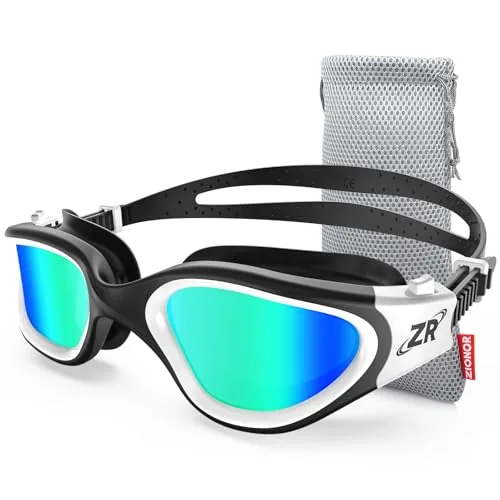
7 Best Swim Goggles (2026 Review Guide)
Aug 25, 2026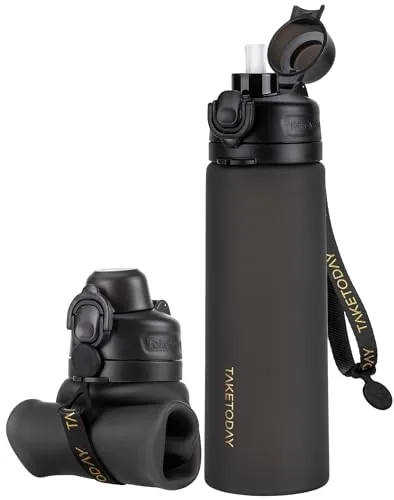
8 Best Collapsible Water Bottles For Travel (2026 Review Guide)
Jul 14, 2026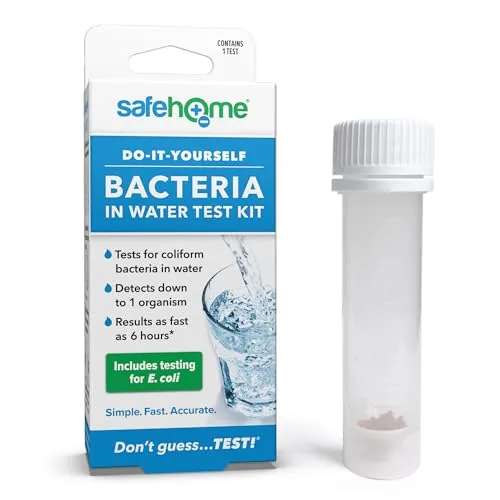
6 Best Bacteria Water Test Kits (2026 Review Guide)
Aug 3, 2026