As low as $12
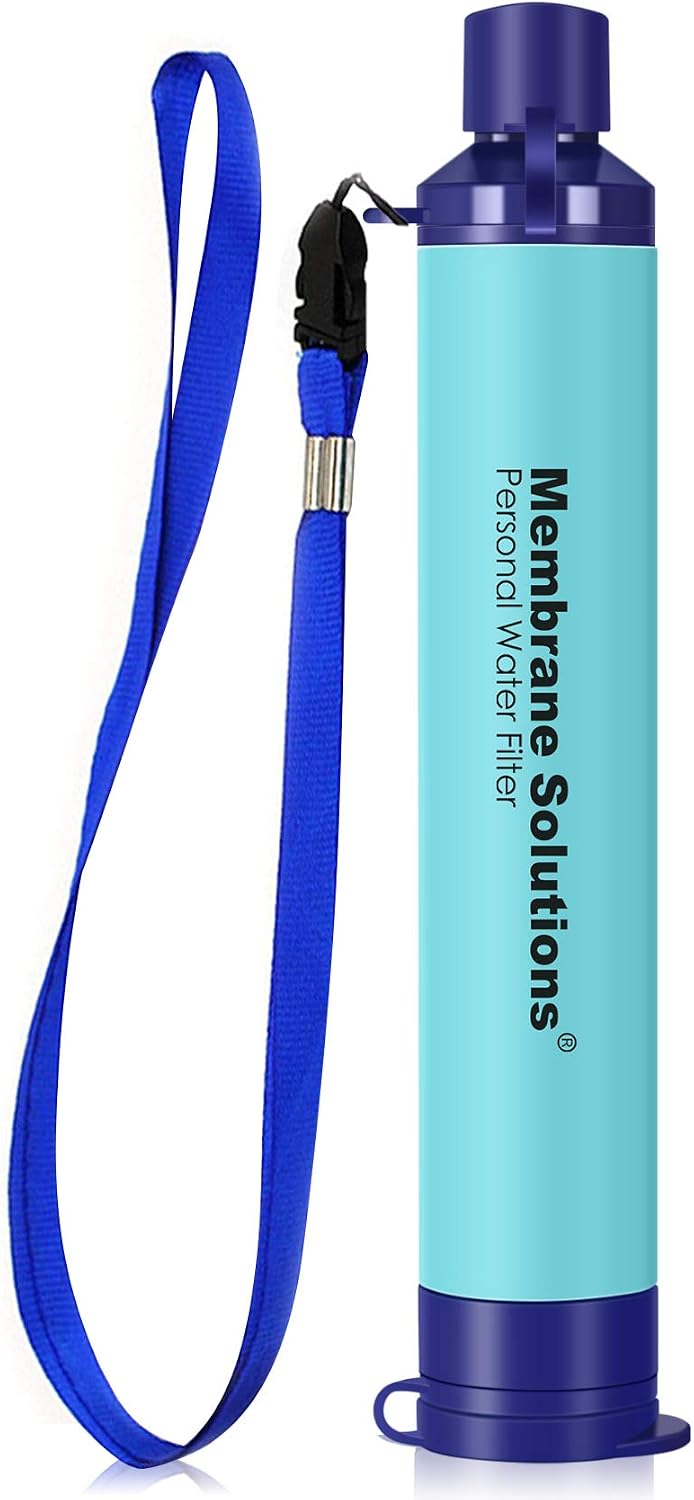
Built for travel, hiking & emergencies - drink safely whether the water is unsafe or just tastes off.
- NSF/ANSI 42, 372 & 401 certified, 0.1 micron filtration
- Filters up to 1,320 gallons - no batteries or pumping
- Ultralight - fits in any bag or pocket
- BPA-free, compatible with standard 28mm bottle threads
Tap water in Libya is generally not safe for travelers to drink. Years of conflict have severely damaged water infrastructure, and contamination from aging pipes, saltwater intrusion, and inadequate treatment makes bottled or filtered water the only reliable option. Travelers should avoid tap water for drinking and use caution even for brushing teeth.
Quick Reference
| Concern | Our Advice | |
|---|---|---|
| Drink tap water? | ❌ | Use bottled or filtered water |
| Brush teeth? | ❌ | Use bottled or filtered water |
| Wash fruits / veg? | ❌ | Wash with filtered or bottled water |
| Use ice in drinks? | ❌ | Avoid unless confirmed purified |
| Shower safely? | ✅ | Yes |
| Filter bottle needed? | ❌ | Strongly recommend a Membrane Solutions Filter Straw for all travelers |
| Common risks | Bacterial contamination, Saltwater intrusion, Heavy metals, Aging pipe infrastructure, Inadequate chlorination, Nitrate contamination, Sewage leakage into water mains |

Key Statistics


Affiliate links — we earn a small commission at no extra cost to you.
Water Infrastructure & Supply
Libya's water supply has historically relied on the Great Man-Made River (GMR), one of the world's largest irrigation and water supply projects. The GMR transports fossil water from deep aquifers in the Sahara to coastal cities like Tripoli and Benghazi through a vast network of underground pipes. This engineering marvel was designed to address Libya's acute freshwater scarcity, as the country is one of the most water-stressed nations on Earth with virtually no surface water resources.
The conflict that began in 2011 and recurring armed clashes since then have caused severe damage to water infrastructure across the country. Pumping stations along the GMR have been repeatedly targeted or shut down, leaving millions without water for days or weeks at a time. Municipal distribution networks in major cities suffer from leaking and corroded pipes, low pressure zones, and cross-contamination with sewage systems. Many water treatment plants operate at reduced capacity due to lack of maintenance, spare parts, and qualified technicians.
UNICEF and other international organizations have supported emergency water supply interventions, including repairs to GMR infrastructure and the rehabilitation of desalination plants. However, long-term reconstruction of the national water network remains incomplete. The government has attempted to expand desalination capacity along the Mediterranean coast, but many facilities are outdated or only partially operational. Groundwater in coastal areas faces increasing salinity due to overextraction and seawater intrusion, further complicating the supply picture.
Contamination & Health Risks
Water quality testing in Libyan cities has revealed concerning levels of bacterial contamination, including total coliforms and E. coli, particularly in areas where distribution pipes are old or damaged. Nitrate levels have been found to exceed WHO guidelines in some groundwater-fed supplies, especially near agricultural areas in the Jefara Plain. Heavy metals including lead and iron have been detected in tap water samples from older neighborhoods in Tripoli and Misrata, likely leaching from corroded distribution pipes.
The primary sources of contamination include sewage leakage into water mains due to deteriorated infrastructure, inadequate or inconsistent chlorination at treatment facilities, and saltwater intrusion into coastal aquifers. Fuel and industrial contamination near conflict zones adds additional risk. In southern cities such as Sabha, water may come from untreated or minimally treated well sources, and quality monitoring is sporadic at best.
For travelers, the risks of consuming tap water include gastrointestinal illness from bacterial pathogens, potential exposure to elevated levels of dissolved solids and salts, and long-term risks from heavy metals in poorly maintained systems. Even in upscale hotels, the water supply passes through the same municipal infrastructure and should not be assumed safe without independent filtration. Travelers with weakened immune systems are at particularly high risk and should take extra precautions.
Regional Water Quality Breakdown
Tripoli
cautionTripoli receives water from the Great Man-Made River and some desalination. While supply is more consistent than in other areas, aging distribution pipes and inconsistent chlorination mean tap water is not safe to drink directly. Bottled water is readily available.
Benghazi
avoidBenghazi's water infrastructure has suffered significant damage from years of conflict. Water outages are common, and when supply is available, contamination risks from damaged pipes and sewage infiltration are high. Only use bottled or thoroughly filtered water.
Misrata
cautionMisrata has a more stable water supply than Benghazi but still relies on aging infrastructure. Saltwater intrusion affects some groundwater sources, and tap water quality is inconsistent. Stick to bottled water for all consumption.
Sabha
avoidSouthern Libya, including Sabha, relies heavily on local groundwater that is often untreated or minimally treated. Water quality monitoring is very limited, and contamination risks are high. Travelers should use only sealed bottled water.
Leptis Magna / Khoms
cautionTourists visiting the ancient ruins of Leptis Magna near Khoms should bring their own bottled water. The local municipal supply is unreliable, and facilities near archaeological sites may have limited access to clean water.
Ghadames
cautionThis UNESCO-listed oasis town in western Libya relies on local wells and limited piped supply. Water quality varies, and the remote location means bottled water supplies can occasionally run low. Travelers should stock up before visiting.
Practical Tips for Travelers
- Always drink bottled or filtered water , never drink directly from the tap in Libya, even in major hotels.
- Use bottled water for brushing your teeth, especially if you have a sensitive stomach, as tap water may contain bacteria.
- Carry a portable water filter bottle (such as Grayl or LifeStraw) as a backup, particularly when traveling outside Tripoli. Strongly recommend the Membrane Solutions Filter Straw.
- To ask for bottled water in Libyan Arabic, say ' ' (miyah ma'daniyya) , meaning 'mineral water' , at restaurants and shops.
- Avoid ice in drinks unless you are confident it was made with purified or bottled water, which is uncommon outside upscale establishments.
- Peel all fruits and vegetables, or wash them with bottled water, as tap water used for rinsing may carry contaminants.
- Stock up on large water containers (5L or 10L) from supermarkets if staying for an extended period , they are affordable and reduce plastic waste compared to small bottles.
- When traveling to southern or remote areas like Sabha or Ghadames, bring extra water supplies as availability may be limited and tap sources are unreliable.
Bottled Water Availability & Cost
Bottled water is widely available throughout Libya in shops, supermarkets, and gas stations. Common local brands include Alrayhan, Tawergha, and Uwainat, while imported brands like Nestl Pure Life can also be found in larger cities. A 1.5-liter bottle of locally produced water typically costs between 1.5 and 3 Libyan dinars (roughly $0.30, $0.60 USD), while smaller 500ml bottles are priced around 0.5, 1.5 LYD. Prices in tourist-facing areas, airports, or hotels may be slightly higher.
Buying water in bulk (5-liter or 10-liter jugs) is economical and common for longer stays, with 5-liter containers costing around 3, 5 LYD. Some hotels and guesthouses provide complimentary bottled water or have filtration systems in place, always ask. Given the environmental impact of plastic bottles, travelers staying longer should consider investing in a portable filter bottle (such as LifeStraw or Grayl) to reduce waste while ensuring safe drinking water from any tap source.
Frequently Asked Questions
Can I brush my teeth with tap water in Libya?
It is not recommended. Tap water in Libya may contain bacteria and elevated levels of dissolved solids due to damaged infrastructure and inconsistent treatment. Use bottled water for brushing your teeth, especially if you are prone to stomach issues.
Is it safe to shower with tap water in Libya?
Yes, showering with tap water is generally safe as long as you avoid swallowing any water. The risk of skin irritation is low for short-term visitors, but those with sensitive skin may notice higher mineral content or chlorine levels in some areas.
Can I use ice in my drinks in Libya?
It is best to avoid ice unless you are certain it was made with bottled or purified water. Most restaurants and cafes use tap water to make ice, which carries the same contamination risks as drinking tap water directly.
Is restaurant water safe to drink in Libya?
Restaurants typically serve bottled water, and you should always confirm that the bottle seal is intact when it arrives. Do not accept unsealed bottles or tap water served in a glass, and be cautious with water used in soups, juices, or cooked foods at street stalls.
How much does bottled water cost in Libya?
A 1.5-liter bottle typically costs 1.5, 3 Libyan dinars (about $0.30, $0.60 USD). Larger 5-liter jugs are available at supermarkets for around 3, 5 LYD and offer better value for longer stays.
What is the Great Man-Made River and does it make tap water safe?
The Great Man-Made River is a massive infrastructure project that pipes fossil water from Saharan aquifers to coastal cities. While it provides the bulk of Libya's water supply, the distribution network has suffered damage from conflict and aging pipes, so the water that reaches your tap may be contaminated and is not considered safe to drink without treatment.
Is water quality better in Tripoli than in other Libyan cities?
Tripoli generally has a more consistent water supply than cities like Benghazi or Sabha, but the tap water is still not safe to drink without filtration. Infrastructure damage and inadequate treatment affect all Libyan cities to varying degrees.
Do I need a water filter bottle for traveling in Libya?
A portable filter bottle is highly recommended, especially if you plan to travel outside major cities. It provides a reliable backup when bottled water is unavailable and reduces plastic waste. Look for a filter rated to remove bacteria, protozoa, and particulates.
Traveling Nearby?
Check tap water safety in neighboring countries:
Algeria Chad Egypt Niger Sudan TunisiaInteresting Product Reviews
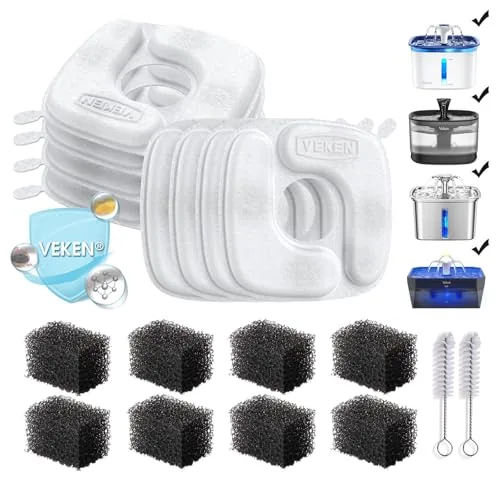
7 Best Water Filters For Pets (2026 Review Guide)
Aug 4, 2026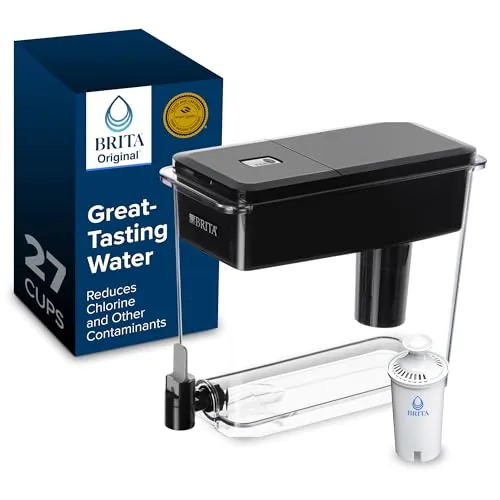
8 Best Water Filter Pitchers (2026 Review Guide)
Jul 18, 2026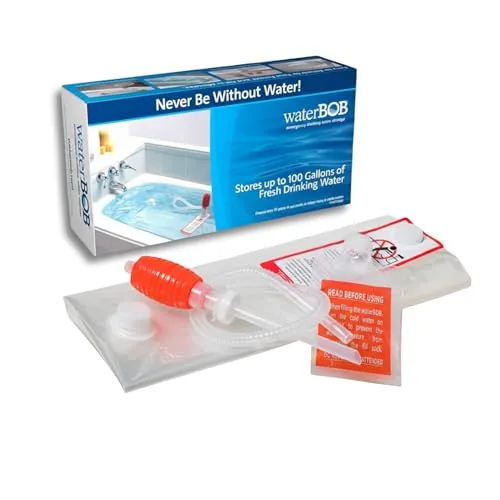
8 Best Water Storage Containers For Emergencies (2026 Review Guide)
Aug 5, 2026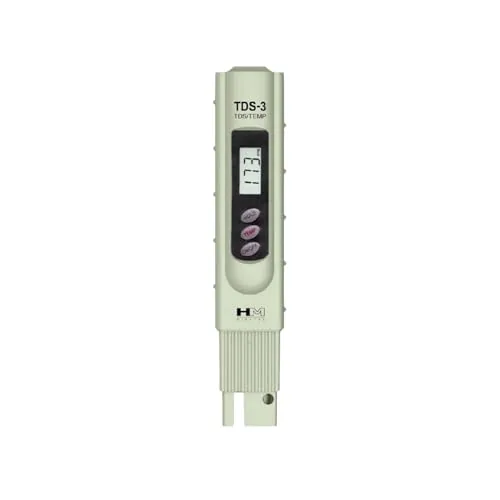
6 Best Tds Meters (2026 Review Guide)
Aug 3, 2026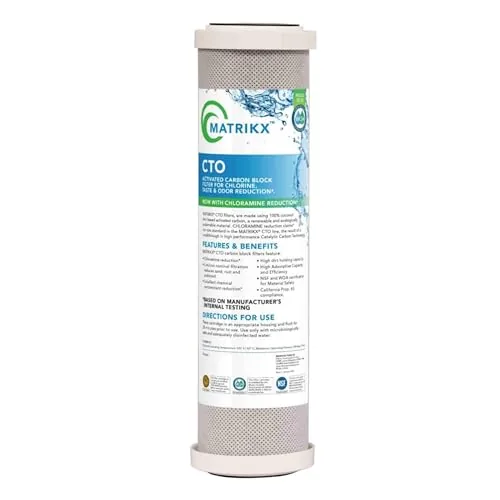
9 Best Water Filters For Chloramine (2026 Review Guide)
Jul 29, 2026