As low as $12
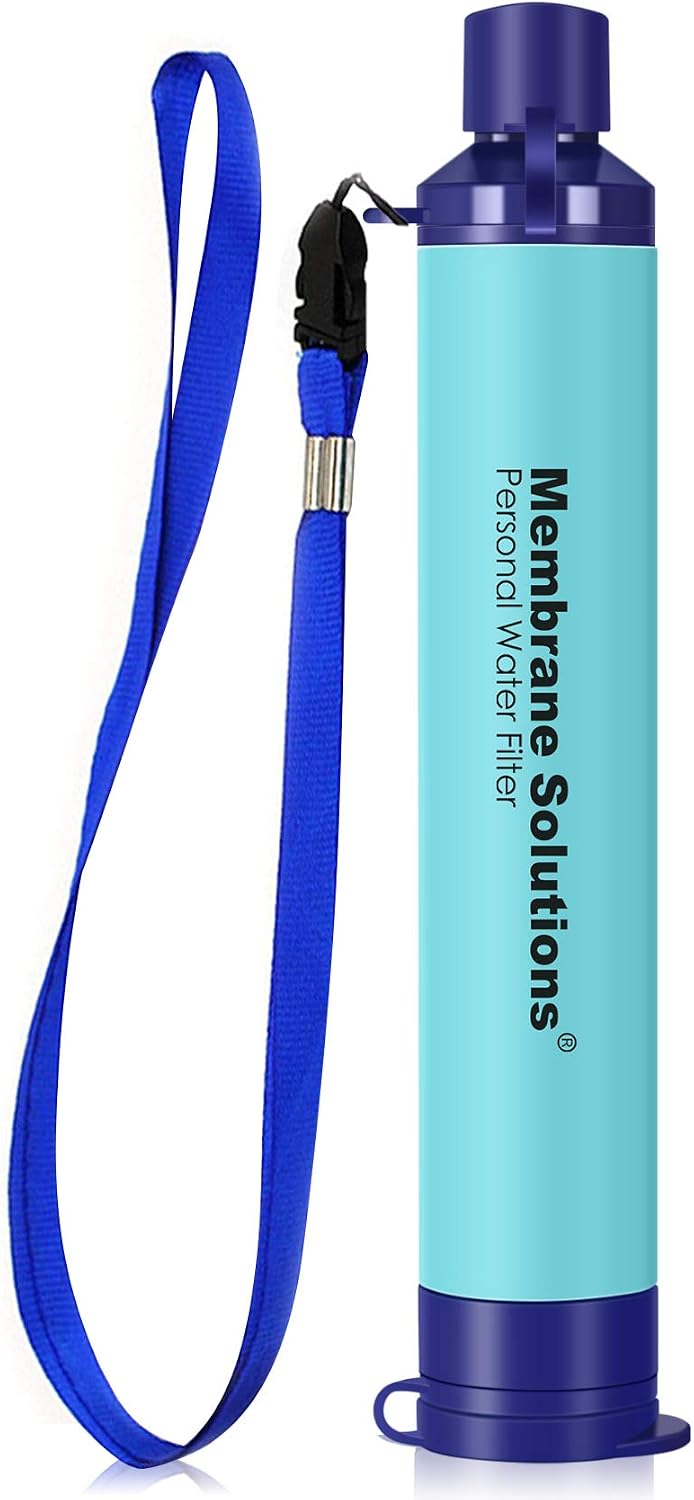
Built for travel, hiking & emergencies - drink safely whether the water is unsafe or just tastes off.
- NSF/ANSI 42, 372 & 401 certified, 0.1 micron filtration
- Filters up to 1,320 gallons - no batteries or pumping
- Ultralight - fits in any bag or pocket
- BPA-free, compatible with standard 28mm bottle threads
Tap water in Papua New Guinea is not considered safe for travelers to drink. The country faces significant challenges with water infrastructure, and even in the capital Port Moresby, water supply is intermittent and treatment is unreliable. Travelers should rely on bottled or properly treated water throughout their visit.
Quick Reference
| Concern | Our Advice | |
|---|---|---|
| Drink tap water? | ❌ | Use bottled or filtered water |
| Brush teeth? | ❌ | Use bottled or filtered water |
| Wash fruits / veg? | ❌ | Wash with filtered or bottled water |
| Use ice in drinks? | ❌ | Avoid unless confirmed purified |
| Shower safely? | ✅ | Yes |
| Filter bottle needed? | ❌ | Strongly recommend a Membrane Solutions Filter Straw for all travelers |
| Common risks | Bacterial contamination, Waterborne parasites, E. coli, Typhoid, Cholera, Giardia, Cryptosporidium, Heavy metals from mining runoff |

Key Statistics


Affiliate links — we earn a small commission at no extra cost to you.
Water Infrastructure & Supply
Papua New Guinea's water infrastructure is among the least developed in the Pacific region. The country's challenging mountainous terrain, dispersed rural population, and limited government resources have resulted in very low coverage of piped water systems. Water PNG (formerly Eda Ranu) is the primary urban water utility, serving Port Moresby and a few other urban centers, but even its service is characterized by intermittent supply, aging pipes, and inconsistent water treatment.
The treatment systems that exist in major towns typically use basic chlorination and sedimentation, but maintenance is a chronic challenge. Many treatment plants operate below capacity or have periods of non-functionality. In rural areas, communities rely primarily on rainwater harvesting, springs, rivers, and hand-dug wells, most of which lack any form of treatment. Contamination from open defecation, agricultural runoff, and mining activities is widespread.
Several international development partners, including the Asian Development Bank, World Bank, and Australian DFAT, have invested in water and sanitation projects. The PNG government's Water, Sanitation and Hygiene (WaSH) Policy 2015, 2030 aims to achieve universal access to safe water, but progress has been slow. Major projects include the Port Moresby water supply upgrade and rural WaSH programs in the Highlands and coastal provinces, though funding gaps and governance challenges remain significant obstacles.
Contamination & Health Risks
Waterborne diseases are a leading cause of illness and death in Papua New Guinea, particularly among children under five. Common contaminants include E. coli, Salmonella, Vibrio cholerae, Giardia, and Cryptosporidium. Cholera outbreaks have occurred periodically, and typhoid fever is endemic in many parts of the country. Testing of water supplies in urban and peri-urban areas has frequently revealed fecal coliform levels far exceeding WHO guidelines.
Mining is a significant source of water pollution in several provinces. The Ok Tedi copper and gold mine in Western Province has caused widespread contamination of the Fly River system, while the Porgera gold mine in Enga Province has discharged waste into local waterways. Heavy metals including arsenic, mercury, cadmium, and lead have been detected in water sources near mining operations. Agricultural chemicals and sediment from logging also degrade water quality in many catchments.
For travelers, the practical risks are substantial. Tap water should never be consumed directly, even in hotels in Port Moresby or Lae. Ice in drinks should be avoided unless you can confirm it was made from purified water. Raw salads washed in tap water and unpeeled fruits can also pose risks. Travelers should carry water purification tablets or a quality filter bottle as backup, especially when venturing outside major urban centers where bottled water may not be readily available.
Regional Water Quality Breakdown
Port Moresby (NCD)
avoidWhile Water PNG provides piped water to parts of the capital, supply is intermittent and treatment quality is inconsistent. Many settlements lack any connection to the water network. Travelers should use only bottled or properly filtered water.
Lae (Morobe Province)
avoidPNG's second-largest city has aging water infrastructure with frequent supply interruptions. Water quality testing has shown elevated bacterial contamination levels. Bottled water or boiling is essential for all consumption.
Highlands Region (Mt. Hagen, Goroka)
avoidHighland towns have limited piped water systems with unreliable treatment. Spring water sources may appear clean but can be contaminated by upstream human and animal activity. Mining operations in Enga and other provinces add heavy metal contamination risks.
Madang
avoidMadang's water supply system serves only a portion of the town and treatment is minimal. Coastal flooding and storm damage periodically compromise water quality further. Travelers should rely entirely on bottled or treated water.
Sepik River Region
avoidRemote Sepik communities rely on river water and rainwater with no treatment. The river carries significant sediment and biological contamination. Travelers on river expeditions must bring their own purification systems or sufficient bottled water supplies.
Islands Region (Rabaul, Kavieng, Alotau)
avoidIsland and coastal towns have very limited water infrastructure, often relying on rainwater tanks and shallow wells. Saltwater intrusion is an increasing problem on smaller islands. Resort-style accommodations may provide filtered water, but travelers should always verify.
Practical Tips for Travelers
- Always drink bottled or purified water , never drink tap water directly, even in Port Moresby hotels unless specifically confirmed as filtered.
- Carry a high-quality filter bottle (such as LifeStraw or Grayl) especially when traveling outside major urban areas where bottled water may be unavailable. Strongly recommend the Membrane Solutions Filter Straw.
- In Tok Pisin (the local lingua franca), ask for safe water by saying "Mi laik kisim klinpela wara" (I'd like to get clean water) or simply request "botol wara" (bottled water).
- Avoid ice in drinks at local markets, street vendors, and smaller restaurants unless the establishment specifically uses purified water for ice-making.
- If trekking the Kokoda Track or visiting remote villages, bring water purification tablets (chlorine dioxide or iodine) as a lightweight backup to your filter system.
- Peel all fruits and vegetables yourself rather than eating pre-cut produce, and avoid raw salads at local eateries as they may have been washed with untreated water.
- Boiling water vigorously for at least one minute is an effective purification method , most guesthouses and villages can provide boiled water if you ask in advance.
- Stock up on bottled water at major supermarkets in Port Moresby or Lae before heading to remote destinations, as prices increase dramatically and availability drops outside urban centers.
Bottled Water Availability & Cost
Bottled water is widely available in urban centers like Port Moresby, Lae, Mt. Hagen, and Madang, though availability drops significantly in remote and rural areas. Common brands include PNG-produced water and imported brands from Australia and Fiji. A 1.5-liter bottle typically costs between 4, 8 PGK (approximately USD $1.00, $2.00) in shops and supermarkets, while prices at hotels, airports, and tourist-oriented venues can be considerably higher, ranging from 10, 15 PGK ($2.50, $4.00).
Buying water in bulk from supermarkets like Stop N Shop or SVS is the most economical approach. Travelers heading to remote areas such as the Kokoda Track, Sepik River region, or outer islands should stock up on bottled water in advance or carry a reliable water purification system. Boiling water for at least one minute is also effective. Given the environmental challenges PNG already faces, travelers are encouraged to use reusable bottles with built-in filters to reduce plastic waste, which is a growing problem in the country's rivers and coastal areas.
Frequently Asked Questions
Can I brush my teeth with tap water in Papua New Guinea?
No, it is not recommended. Tap water in Papua New Guinea may contain harmful bacteria and parasites. Use bottled or purified water for brushing your teeth to avoid the risk of gastrointestinal illness.
Is it safe to shower in tap water in Papua New Guinea?
Yes, showering is generally safe as long as you keep your mouth closed and avoid swallowing any water. Be cautious with any open cuts or wounds. For young children, extra care should be taken to prevent accidental ingestion.
Is ice safe in drinks at hotels and restaurants in PNG?
Ice should be treated with caution. Higher-end hotels and international restaurants in Port Moresby may use purified water for ice, but this is not guaranteed. At local restaurants, markets, and street vendors, avoid ice entirely. When in doubt, ask whether the ice was made from filtered or boiled water.
Do restaurants in Papua New Guinea serve safe drinking water?
Most restaurants, even in urban areas, do not serve filtered tap water. Higher-end restaurants and hotels typically provide bottled water, often at an additional charge. Always request sealed bottled water rather than water served from a jug or pitcher.
How much does bottled water cost in Papua New Guinea?
A 1.5-liter bottle of water costs approximately 4, 8 PGK (USD $1.00, $2.00) at supermarkets in major cities. Prices at hotels, airports, and remote locations can be 2, 3 times higher. Buying in bulk from supermarkets is the most economical option.
Is the water safe on the Kokoda Track?
No, water along the Kokoda Track comes from natural streams and springs that may be contaminated by upstream communities or wildlife. Trekkers must treat all water using filters, purification tablets, or boiling. Most organized trekking companies provide water purification as part of their service, but bring your own backup system.
Can I drink rainwater collected in tanks in PNG villages?
Rainwater tanks are common in PNG, especially in rural and island communities. While rainwater can be relatively clean, tanks may harbor bacteria, mosquito larvae, or other contaminants if not properly maintained. It is safest to treat or filter rainwater before drinking, or at minimum boil it for one minute.
Are there areas of PNG where water is contaminated by mining?
Yes, several regions have water sources affected by mining operations. The Fly River system in Western Province has been impacted by the Ok Tedi mine, and waterways near the Porgera mine in Enga Province contain elevated heavy metals. The Jaba River in Bougainville was heavily polluted by the now-closed Panguna mine. Travelers should avoid drinking from rivers or streams in mining-affected areas.
Interesting Product Reviews
9 Best Water Distillers For Home Use (2026 Review Guide)
Jul 27, 2026
7 Best Water Filters For Giardia And Cryptosporidium (2026 Review Guide)
Jul 31, 2026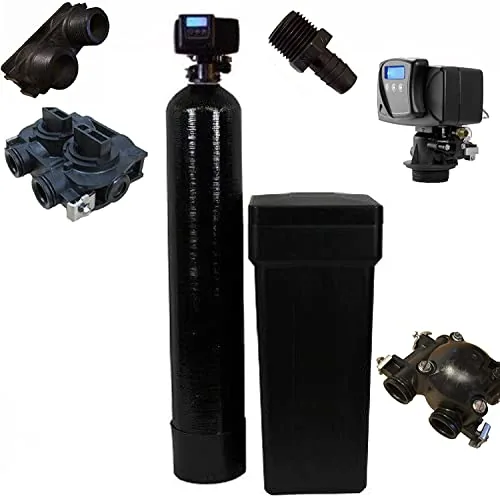
6 Best Water Softeners (2026 Review Guide)
Aug 13, 2026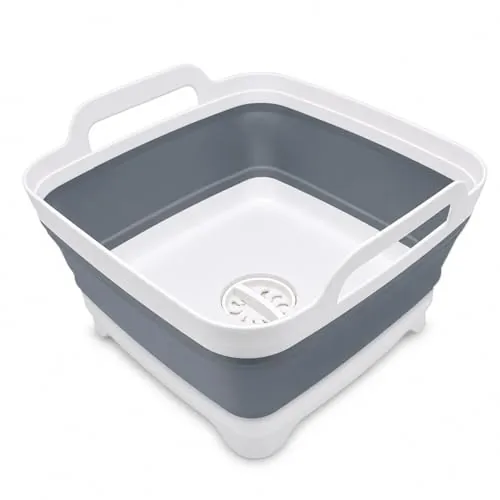
6 Best Portable Camp Sinks (2026 Review Guide)
Aug 23, 2026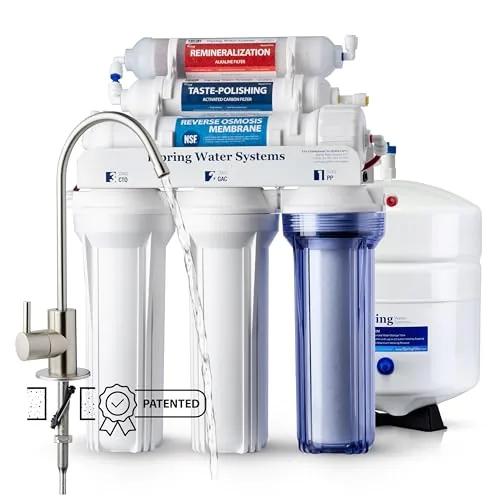
6 Best Under Sink Water Filters (2026 Review Guide)
Jul 3, 2026