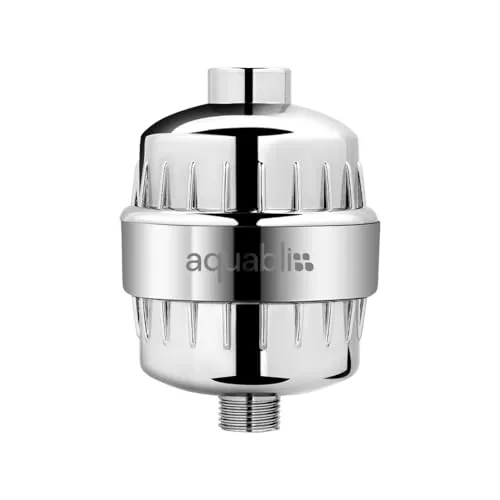
As low as $12
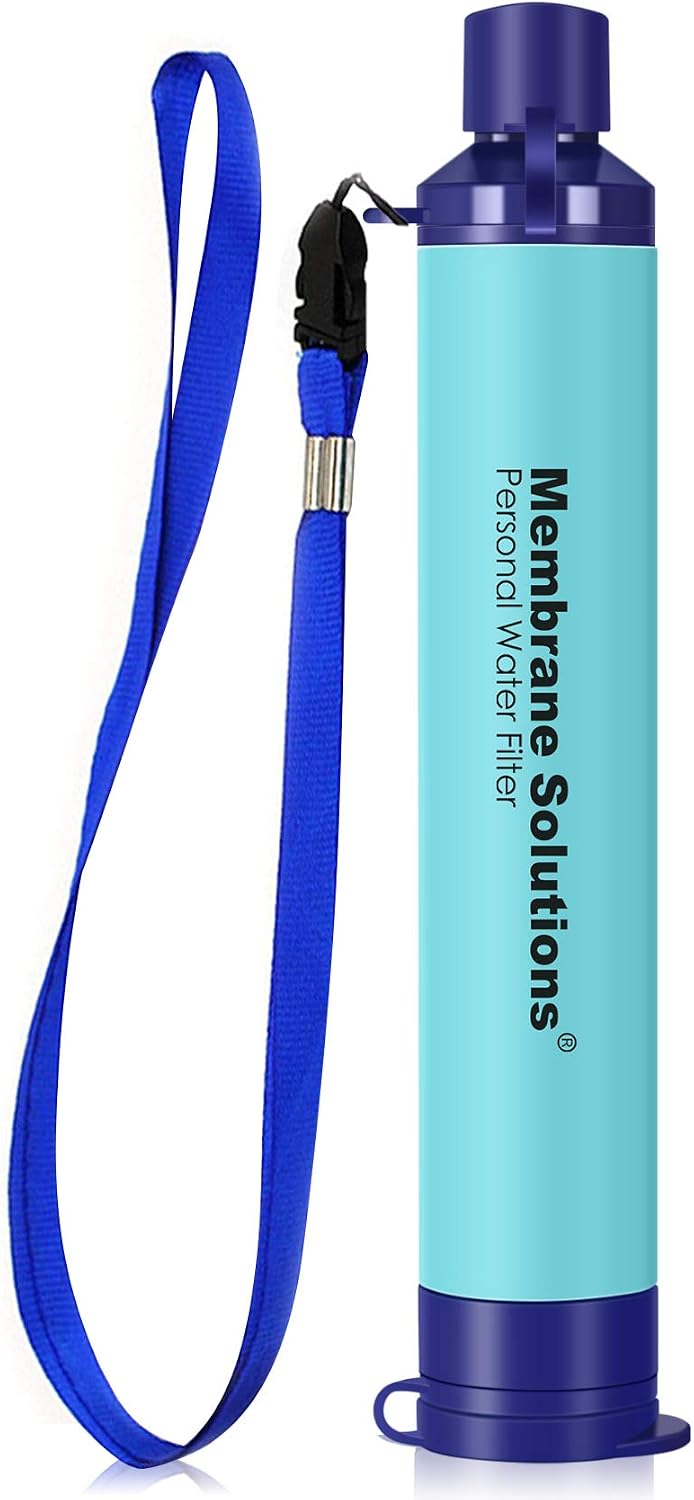
Built for travel, hiking & emergencies - drink safely whether the water is unsafe or just tastes off.
- NSF/ANSI 42, 372 & 401 certified, 0.1 micron filtration
- Filters up to 1,320 gallons - no batteries or pumping
- Ultralight - fits in any bag or pocket
- BPA-free, compatible with standard 28mm bottle threads
Tap water in Panama City and most major urban areas is generally treated and considered safe for locals, but travelers should exercise caution due to aging infrastructure and variable quality in rural and indigenous regions. While the capital's water meets WHO standards most of the time, many visitors prefer bottled or filtered water to avoid stomach upset during short stays. In remote areas like Bocas del Toro, the San Blas Islands, and the Darin province, tap water should be avoided entirely.
Quick Reference
| Concern | Our Advice | |
|---|---|---|
| Drink tap water? | ❌ | Use bottled or filtered water |
| Brush teeth? | ✅ | Yes, no concerns |
| Wash fruits / veg? | ❌ | Wash with filtered or bottled water |
| Use ice in drinks? | ❌ | Avoid unless confirmed purified |
| Shower safely? | ✅ | Yes |
| Filter bottle needed? | ❌ | Strongly recommend a Membrane Solutions Filter Straw for all travelers |
| Common risks | Bacterial contamination, Parasitic organisms, Aging pipe infrastructure, Agricultural runoff, Inadequate rural treatment, Sediment and turbidity |

Key Statistics


Affiliate links — we earn a small commission at no extra cost to you.
Water Infrastructure & Supply
Panama's water supply is managed primarily by the Instituto de Acueductos y Alcantarillados Nacionales (IDAAN), the national water and sewer authority established in 1961. In Panama City and other major urban centers, water is sourced from reservoirs, rivers, and the extensive watershed surrounding the Panama Canal, then treated through conventional filtration and chlorination processes. The country's rapid economic growth, particularly over the last two decades, has driven significant investment in urban water infrastructure.
The Gatn Lake and Chagres River watershed, which also serves the Panama Canal, provides a substantial portion of the capital's drinking water. Urban treatment plants use coagulation, sedimentation, filtration, and chlorine disinfection. However, much of the distribution piping in older neighborhoods of Panama City and Coln dates back decades, leading to potential leaching, pressure drops, and intermittent service that can compromise water quality between the treatment plant and the tap.
The Panamanian government, with support from the Inter-American Development Bank and the World Bank, has undertaken major projects including the Programa de Saneamiento de la Ciudad y Baha de Panam, aimed at expanding wastewater treatment capacity and upgrading distribution networks. Rural water systems, often managed by community boards (Juntas Administradoras de Acueductos Rurales), receive less consistent funding and oversight, leaving many indigenous and remote communities with minimal or no treatment infrastructure.
Contamination & Health Risks
In urban areas, the main health risks from tap water relate to aging distribution pipes that can introduce sediment, rust, and occasional bacterial contamination, especially after heavy rains or service interruptions. Panama's tropical climate means that water sources are susceptible to contamination from agricultural runoff, including pesticides and fertilizers used in banana, coffee, and cattle farming regions. The CDC advises travelers to Panama to take precautions with drinking water, particularly outside of major cities.
Rural and indigenous communities face the highest risks. In the Ngbe-Bugl and Guna Yala (San Blas) comarcas, waterborne diseases including gastroenteritis, giardiasis, and occasionally cholera-like symptoms have been reported due to untreated or minimally treated water sources. Flooding during the rainy season (May to November) frequently overwhelms local water systems, increasing contamination risks across the country.
For travelers, the most common risk is traveler's diarrhea caused by exposure to unfamiliar microorganisms. Even in Panama City, visitors with sensitive stomachs may experience digestive issues. Washing fruits and vegetables with untreated tap water can also pose a risk. Using bottled or purified water for drinking and food preparation is the safest approach, especially during the first few days of a trip while your body adjusts.
Regional Water Quality Breakdown
Panama City
cautionTap water in Panama City is chlorinated and treated to national standards. Most locals drink it without issue, but travelers may experience mild stomach upset. Using a filter or bottled water is recommended for short visits.
Bocas del Toro
avoidThis popular island archipelago has an unreliable water supply with frequent contamination issues. The small-scale water systems on the islands are often inadequate, and boil advisories are common. Stick to bottled or filtered water.
Boquete / Chiriqu Highlands
cautionBoquete benefits from clean mountain water sources, and the water quality is generally better than in many other parts of Panama. However, agricultural runoff from coffee farms can occasionally affect quality, so filtered water is advisable.
Coln
avoidColn's water infrastructure is among the most deteriorated in Panama, with frequent service interruptions and aging pipes. Water quality is unreliable, and travelers should rely exclusively on bottled or purified water.
San Blas Islands (Guna Yala)
avoidThese remote islands have no centralized water treatment. Residents rely on rainwater collection and small wells that are vulnerable to contamination. Travelers must bring their own water supply or purchase bottled water.
David / Western Panama
cautionDavid, Panama's second-largest city, has IDAAN-treated water that is generally acceptable. However, infrastructure is older than in the capital, and boil notices occasionally occur. Filtered water is a prudent choice for visitors.
Practical Tips for Travelers
- Carry a filter bottle like a LifeStraw or Grayl when traveling outside Panama City , it removes bacteria and parasites from tap and river water sources. Strongly recommend the Membrane Solutions Filter Straw.
- In restaurants, ask for bottled water by saying "Agua embotellada, por favor" to ensure you receive sealed, purified water.
- Avoid ice in drinks outside of upscale hotels and restaurants in Panama City, as it may be made from unfiltered tap water. Ask "El hielo es de agua purificada?" (Is the ice made from purified water?).
- During the rainy season (May, November), be extra cautious with tap water even in cities, as heavy rains can overwhelm treatment systems and introduce contaminants.
- Wash fruits and vegetables with bottled or purified water, especially those eaten raw , this is particularly important for street food and market purchases.
- In Bocas del Toro and San Blas, stock up on bottled water before arriving, as supplies on the islands can be limited and more expensive.
- If staying in a Panama City apartment or hotel long-term, consider purchasing a 5-gallon (botelln) water dispenser from a local supermarket , it's cheaper and more eco-friendly than buying individual bottles.
- Brushing teeth with tap water in Panama City and other major cities is generally fine for most travelers, but use bottled water in rural areas and the islands to be safe.
Bottled Water Availability & Cost
Bottled water is widely available throughout Panama at convenience stores, supermarkets, hotels, and roadside vendors. A 500 ml bottle typically costs $0.50, $1.00 in shops and $1.50, $3.00 in tourist areas and restaurants. Popular local and international brands include Dasani, Crystal, and Aqua. In Panama City, you can find 5-gallon (18.9 L) jugs for home or hotel use at around $2.50, $4.00 at supermarkets like Super 99 or Riba Smith.
For budget-conscious travelers, buying water in bulk at supermarkets is the most economical approach. A 1.5-liter bottle typically costs $0.75, $1.50. Travelers concerned about plastic waste should consider bringing a reusable bottle with a built-in filter such as a LifeStraw or Grayl, which works well for both urban and rural water sources. Some eco-lodges in Boquete and Bocas del Toro offer filtered water refill stations to reduce single-use plastic consumption.
Frequently Asked Questions
Can I brush my teeth with tap water in Panama?
In Panama City, Boquete, and other major urban areas, brushing your teeth with tap water is generally safe. However, in rural areas, the San Blas Islands, Bocas del Toro, and Coln, it's best to use bottled or filtered water for all oral hygiene.
Is it safe to shower in Panama's tap water?
Yes, showering in tap water is safe throughout Panama. The risk of waterborne illness from showering is minimal since the water is not ingested. Just avoid swallowing shower water, especially in areas with poor water infrastructure.
Is ice safe in drinks at restaurants in Panama?
In upscale restaurants and hotels in Panama City, ice is typically made from purified water and is safe. In smaller establishments, street stalls, and in rural or island areas, ice may be made from untreated tap water and should be avoided. When in doubt, ask if the ice is made from 'agua purificada.'
Do restaurants in Panama serve safe drinking water?
Most restaurants in Panama City and tourist areas serve bottled water or have filtration systems. However, free table water may come from the tap. Always check that your water bottle is sealed when served, and request 'agua embotellada' (bottled water) to be safe.
How much does bottled water cost in Panama?
A 500 ml bottle costs around $0.50, $1.00 in shops and $1.50, $3.00 in restaurants or tourist zones. Larger 1.5-liter bottles run $0.75, $1.50 at supermarkets. Bulk 5-gallon jugs are available for $2.50, $4.00 at major supermarket chains.
Is the water safe to drink near the Panama Canal?
The Panama Canal watershed, including Gatn Lake, is a major source for Panama City's drinking water. It is treated at modern plants before distribution. However, water directly from the Canal or its tributaries should never be consumed without purification.
Can I drink tap water in Boquete?
Boquete has relatively good water quality due to its mountain spring sources, and many long-term expat residents drink the tap water regularly. However, travelers on short visits may want to use filtered or bottled water as a precaution, particularly during the rainy season when agricultural runoff can affect quality.
What waterborne diseases should I be aware of in Panama?
The main risks are traveler's diarrhea, giardiasis, and in rare cases, more serious infections from bacteria like E. coli or parasites like Cryptosporidium. These risks are highest in rural areas and the islands. Staying hydrated with clean water and practicing good food hygiene will minimize your risk significantly.
Interesting Product Reviews
7 Best Pet Water Fountains (2026 Review Guide)
Aug 18, 2026
8 Best Water Filters For Van Life (2026 Review Guide)
Jul 28, 2026
9 Best Humidifiers (2026 Review Guide)
Aug 20, 2026
9 Best Sump Pumps (2026 Review Guide)
Aug 14, 2026
8 Best Collapsible Water Bottles For Travel (2026 Review Guide)
Jul 14, 2026