As low as $12
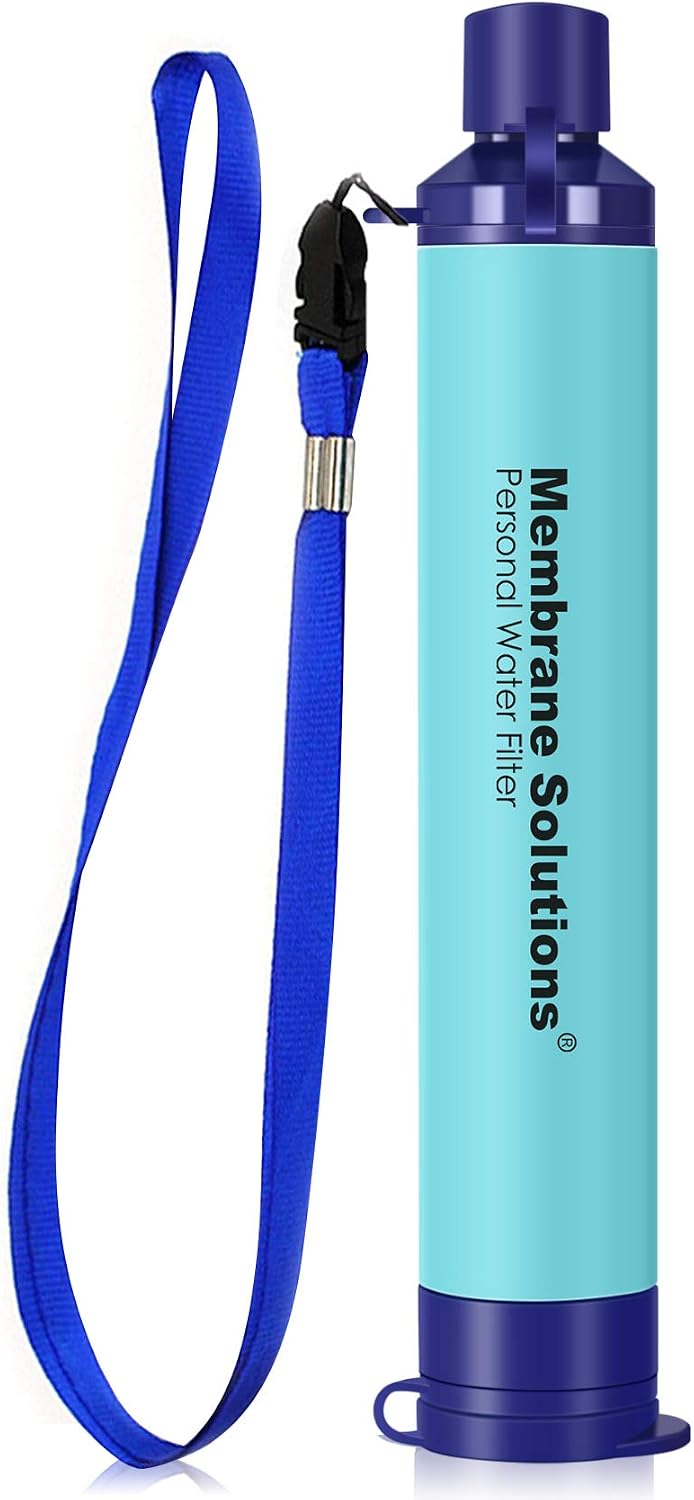
Built for travel, hiking & emergencies - drink safely whether the water is unsafe or just tastes off.
- NSF/ANSI 42, 372 & 401 certified, 0.1 micron filtration
- Filters up to 1,320 gallons - no batteries or pumping
- Ultralight - fits in any bag or pocket
- BPA-free, compatible with standard 28mm bottle threads
Tap water in the Dominican Republic is generally not considered safe for travelers to drink. While urban infrastructure has improved, inconsistent treatment, aging pipes, and contamination risks mean most visitors and even many locals rely on bottled or filtered water. Bringing a filter bottle and sticking to sealed beverages is strongly recommended for a healthy trip.
Quick Reference
| Concern | Our Advice | |
|---|---|---|
| Drink tap water? | ❌ | Use bottled or filtered water |
| Brush teeth? | ❌ | Use bottled or filtered water |
| Wash fruits / veg? | ❌ | Wash with filtered or bottled water |
| Use ice in drinks? | ❌ | Avoid unless confirmed purified |
| Shower safely? | ✅ | Yes |
| Filter bottle needed? | ❌ | Strongly recommend a Membrane Solutions Filter Straw for all travelers |
| Common risks | Bacterial contamination, Parasites, E. coli, Heavy metals from aging pipes, Cholera risk in some areas, Pesticide runoff |

Key Statistics


Affiliate links — we earn a small commission at no extra cost to you.
Water Infrastructure & Supply
The Dominican Republic's water supply system has evolved significantly since the establishment of INAPA (Instituto Nacional de Aguas Potables y Alcantarillados) in the 1960s. The country relies on a mix of surface water from rivers and reservoirs, as well as groundwater sources. Major urban centers like Santo Domingo and Santiago have centralized treatment plants, but the distribution networks suffer from decades of underinvestment and leakage rates estimated at 50-60%.
Water treatment typically involves coagulation, sedimentation, filtration, and chlorination at the plant level. However, the quality often degrades between the plant and the tap due to aging and deteriorating pipe infrastructure, intermittent supply that causes pressure drops (allowing contaminant infiltration), and illegal connections. In rural areas, many communities depend on untreated or minimally treated well water, and coverage gaps remain significant.
The government, with support from the Inter-American Development Bank and the World Bank, has invested in modernizing water infrastructure through projects like the Santo Domingo Water and Sanitation Management Program. New water treatment plants have been constructed, and there are ongoing efforts to reduce non-revenue water loss and extend sewerage networks. The 2020s have seen renewed attention to climate resilience, as hurricanes and droughts periodically damage infrastructure and affect water availability.
Contamination & Health Risks
Microbiological contamination is the primary health risk associated with Dominican tap water. Studies have detected elevated levels of E. coli, total coliforms, and other pathogens in tap water samples across the country, particularly in areas with intermittent supply. The combination of leaky pipes and inconsistent water pressure creates opportunities for sewage infiltration into distribution lines. Agricultural runoff carrying pesticides and fertilizers can also contaminate both surface and groundwater sources.
For travelers, the most common waterborne illnesses include traveler's diarrhea, gastroenteritis, and in rare cases, more serious conditions like hepatitis A or parasitic infections. The CDC has historically advised travelers to the Dominican Republic to avoid drinking tap water and to use bottled or treated water for drinking and brushing teeth. Ice in drinks is another concern, particularly at smaller establishments and street vendors, though major resorts and upscale restaurants typically use purified water for ice.
Pollution from industrial activities, particularly in mining regions and near sugar processing plants, can introduce heavy metals and organic pollutants into water sources. The low rate of wastewater treatment (approximately 18%) means that untreated sewage frequently enters rivers and coastal waters, compounding the contamination problem. Travelers with compromised immune systems, young children, and the elderly should be especially cautious and rely exclusively on sealed bottled water or water purified through reliable filtration.
Regional Water Quality Breakdown
Santo Domingo
cautionThe capital has the most developed water infrastructure, including the Valdesia and Haina treatment plants. However, aging distribution networks and intermittent supply mean tap water should not be consumed directly. Upscale hotels and restaurants use purified water systems.
Punta Cana / Bvaro
cautionMajor resort areas have invested heavily in on-site water treatment and reverse osmosis systems. Water at all-inclusive resorts is generally safe, including ice and fountain drinks. Outside resort grounds, stick to bottled water from sealed containers.
Santiago de los Caballeros
cautionThe country's second-largest city has its own treatment facilities but faces similar distribution challenges as Santo Domingo. Industrial activity in the Cibao Valley can contribute to water contamination. Bottled water is recommended for all drinking purposes.
Puerto Plata / North Coast
cautionTourist infrastructure in Playa Dorada and Sosa provides purified water at major hotels. However, smaller guesthouses and local restaurants may not have advanced filtration. The water supply can be affected during hurricane season with increased turbidity.
Saman Peninsula
avoidThis beautiful but more remote tourist region has less developed water infrastructure. Rural communities often rely on untreated spring or well water. Travelers should exclusively use bottled water and be cautious with ice and fresh produce washed in local water.
Rural Interior / Border Regions
avoidRural areas, especially near the Haitian border, have the most limited water infrastructure in the country. Access to safely managed water is significantly lower, and waterborne illness rates are higher. Travelers should carry their own purified water supply and a reliable filter.
Practical Tips for Travelers
- Always drink bottled water with an intact seal , check that the cap hasn't been tampered with before accepting it, as some vendors refill bottles with tap water.
- When ordering water at restaurants, ask for 'agua embotellada' (bottled water) or 'agua purificada' (purified water). Saying 'sin hielo' means 'without ice' if you're unsure about ice quality.
- Bring a filter bottle like a Grayl GeoPress or LifeStraw Go , these remove bacteria, parasites, and some chemicals, giving you safe water anywhere while reducing plastic waste. Strongly recommend the Membrane Solutions Filter Straw.
- At all-inclusive resorts, the water, ice, and beverages are almost always purified and safe to consume. Ask at check-in to confirm they use reverse osmosis or UV treatment systems.
- Use bottled or filtered water for brushing teeth, especially during your first few days in the country while your body adjusts. Keep a bottle by the bathroom sink as a reminder.
- Be cautious with street food that includes raw salads, unpeeled fruits, or fruit juices that may have been prepared with tap water. Stick to cooked foods and fruits you can peel yourself.
- Purchase large 5-gallon botellones from local delivery services for extended stays , they cost under US$2 and dramatically reduce both cost and plastic waste compared to small bottles.
- Pack oral rehydration salts (ORS) in your travel kit as a precaution. If you do experience traveler's diarrhea, these help restore electrolytes quickly and are also available at local pharmacies ('farmacias').
Bottled Water Availability & Cost
Bottled water is widely available throughout the Dominican Republic and is the primary drinking water source for most locals and all tourists. Popular local brands include Agua Crystal, Agua Planeta Azul, and Agua Alpha. A 500ml bottle typically costs RD$25-50 (approximately US$0.40-0.85) at a convenience store or colmado. In tourist areas, hotels, and restaurants, prices can range from US$1-3 for a small bottle. Large 5-gallon (18.9-liter) botellones are ubiquitous and cost RD$75-125 (US$1.25-2.10), making them an extremely cost-effective option.
For longer stays, purchasing botellones from delivery services like Agua Crystal or Planeta Azul is highly recommended and can be arranged through your accommodation. Many hotels, especially all-inclusive resorts, provide unlimited purified water as part of their packages. While bottled water is convenient and necessary, the environmental impact is significant , the Dominican Republic generates substantial plastic waste. Consider bringing a high-quality filter bottle like a LifeStraw or Grayl to reduce plastic consumption while still ensuring safe hydration during excursions and day trips.
Frequently Asked Questions
Can I brush my teeth with tap water in the Dominican Republic?
It is not recommended to brush your teeth with tap water in the Dominican Republic. The risk of ingesting small amounts of contaminated water can lead to traveler's diarrhea or stomach issues. Use bottled or filtered water for brushing, especially during your first visit.
Is it safe to shower in Dominican Republic tap water?
Yes, showering in tap water is generally safe as long as you avoid swallowing any water. Keep your mouth closed and be especially careful with children. The water won't harm your skin, but ingestion poses the risk of gastrointestinal illness.
Is ice safe in drinks at Dominican resorts and restaurants?
At major all-inclusive resorts and upscale restaurants, ice is typically made from purified water and is safe. However, at smaller local bars, street vendors, and budget restaurants, ice may be made from tap water. When in doubt, order drinks 'sin hielo' (without ice).
Is restaurant water safe to drink in the Dominican Republic?
Reputable restaurants in tourist areas generally serve bottled or purified water. Always confirm that you're receiving sealed bottled water rather than tap water served in a glass. If a restaurant offers a jug of water, ask if it's purified ('Es agua purificada?') before drinking.
How much does bottled water cost in the Dominican Republic?
A 500ml bottle costs roughly RD$25-50 (US$0.40-0.85) at local shops, though tourist-area prices can reach US$1-3. Large 5-gallon botellones (18.9 liters) cost RD$75-125 (US$1.25-2.10) and are the most economical option for extended stays.
Can I eat fresh fruits and salads in the Dominican Republic?
Exercise caution with raw produce. At resort buffets and quality restaurants, fruits and vegetables are usually washed with purified water. At local eateries and street stalls, it's safer to eat cooked foods and fruits you can peel yourself, such as bananas, mangoes, and pineapples.
Why don't locals drink the tap water either?
Most Dominicans do not drink tap water directly. The vast majority of households purchase botellones (large water jugs) for drinking and cooking. This is a cultural norm driven by awareness that distribution infrastructure can compromise water quality between the treatment plant and the home.
Is the water safer in Punta Cana resorts than in other parts of the country?
Yes, major Punta Cana and Bvaro resorts invest heavily in on-site water purification systems, including reverse osmosis and UV treatment. Water at these properties , including tap water in rooms, ice, and fountain drinks , is generally safe. However, once you leave the resort grounds, revert to bottled water only.
Interesting Product Reviews
8 Best Smart Water Shutoff Valves (2026 Review Guide)
Aug 17, 2026
7 Best Shower Filters For Chlorine (2026 Review Guide)
Jul 27, 2026
7 Best Swim Goggles (2026 Review Guide)
Aug 25, 2026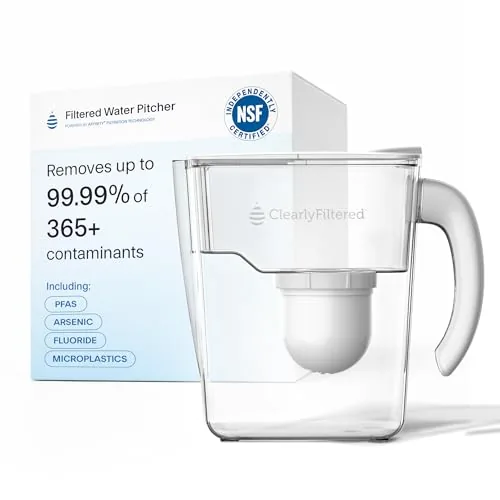
9 Best Water Filters For Arsenic (2026 Review Guide)
Jul 30, 2026
8 Best Insulated Water Bottles (2026 Review Guide)
Aug 6, 2026