As low as $12
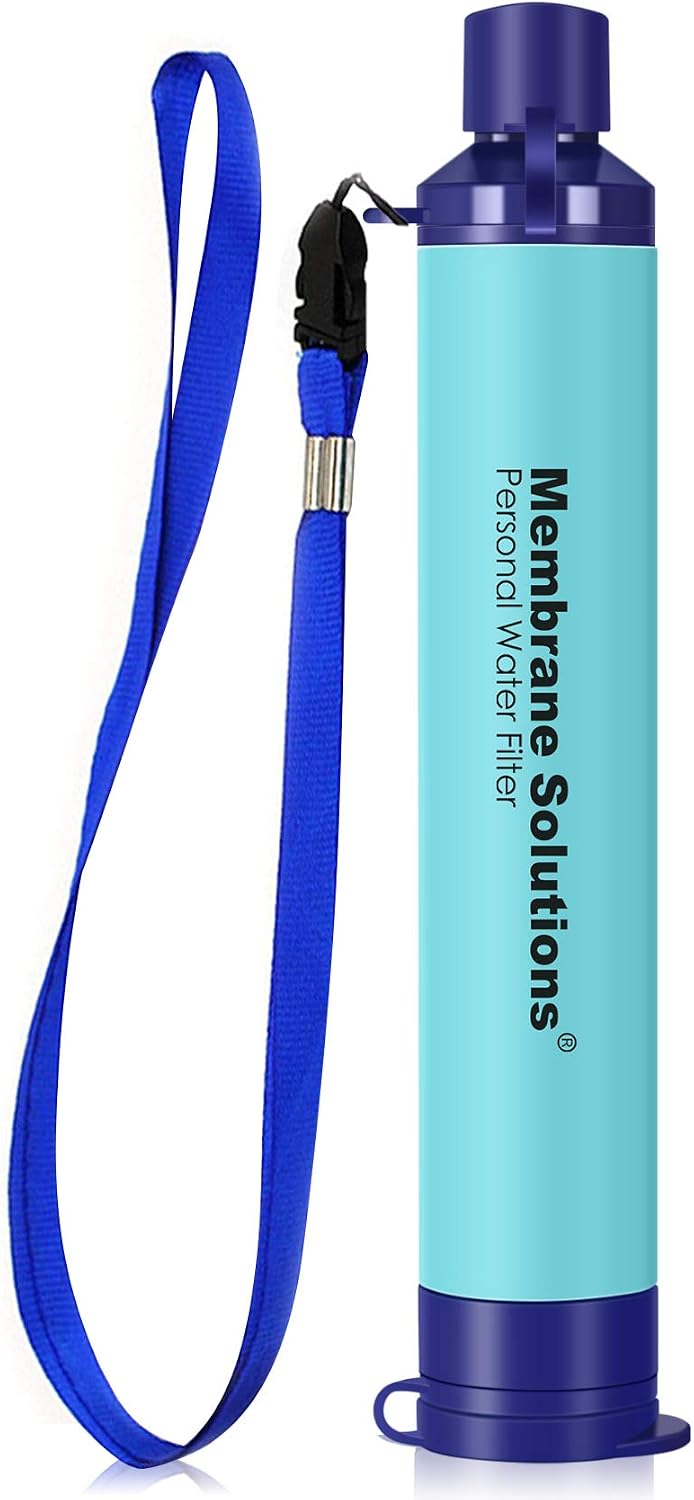
Built for travel, hiking & emergencies - drink safely whether the water is unsafe or just tastes off.
- NSF/ANSI 42, 372 & 401 certified, 0.1 micron filtration
- Filters up to 1,320 gallons - no batteries or pumping
- Ultralight - fits in any bag or pocket
- BPA-free, compatible with standard 28mm bottle threads
Tap water in Uganda is generally not safe for travelers to drink without treatment. While urban areas like Kampala have piped water systems managed by the National Water and Sewerage Corporation (NWSC), contamination from aging infrastructure, intermittent supply, and inadequate treatment means visitors should rely on bottled or purified water. Rural areas face even greater challenges, with many communities depending on unprotected sources.
Quick Reference
| Concern | Our Advice | |
|---|---|---|
| Drink tap water? | ❌ | Use bottled or filtered water |
| Brush teeth? | ❌ | Use bottled or filtered water |
| Wash fruits / veg? | ❌ | Wash with filtered or bottled water |
| Use ice in drinks? | ❌ | Avoid unless confirmed purified |
| Shower safely? | ✅ | Yes |
| Filter bottle needed? | ❌ | Strongly recommend a Membrane Solutions Filter Straw for all travelers |
| Common risks | Bacterial contamination (E. coli, cholera), Parasitic infections (Giardia, Cryptosporidium), Typhoid, Pesticide runoff, Heavy metals, Sediment and turbidity |

Key Statistics


Affiliate links — we earn a small commission at no extra cost to you.
Water Infrastructure & Supply
Uganda's water infrastructure has been shaped by decades of investment from the government and international donors. The National Water and Sewerage Corporation (NWSC), established in 1972, manages piped water services in over 260 urban towns across the country. Major treatment plants draw water from Lake Victoria, with the Ggaba Waterworks complex serving Kampala and surrounding areas being the largest, processing over 240 million liters per day.
Despite improvements, the infrastructure faces significant challenges. Many distribution networks suffer from aging pipes, leakage rates estimated at 25-30%, and intermittent supply that creates negative pressure in pipes, allowing contaminants to seep in. In rural areas, communities rely on boreholes, protected springs, and gravity-flow schemes, many of which suffer from poor maintenance. Only a small fraction of generated wastewater receives proper treatment, with Kampala's Bugolobi sewage plant handling just a fraction of the city's needs.
The Ugandan government, supported by the World Bank, African Development Bank, and other partners, has invested heavily in expanding water access. The Lake Victoria Water and Sanitation Project has improved treatment capacity in multiple towns along the lake. The Katosi and Ggaba III water treatment plant expansions aim to increase Kampala's treated water supply. The country's Vision 2040 targets universal access to safe water, but progress has been slow due to rapid urbanization and population growth exceeding infrastructure development.
Contamination & Health Risks
Waterborne diseases remain a significant public health concern in Uganda. Cholera outbreaks occur periodically, particularly in districts bordering the Democratic Republic of Congo and in densely populated informal settlements. E. coli contamination has been detected in both piped water supplies and alternative sources in multiple studies, with some urban samples showing contamination levels well above WHO guidelines. Typhoid fever is endemic in many parts of the country and is closely linked to unsafe water.
Contamination sources are varied. Agricultural runoff introduces pesticides and fertilizers into water sources, while industrial discharge, particularly around Kampala and Jinja, adds heavy metals and chemicals. Informal settlements and areas with poor sanitation allow fecal matter to contaminate surface and groundwater. During the rainy season, flooding overwhelms drainage systems and increases turbidity and pathogen loads in water sources, making tap water even more risky.
For travelers, the risks are real and immediate. Visitors lack the partial immunity that long-term residents may develop. Consuming untreated tap water, using it for brushing teeth, eating unpeeled fruits washed in tap water, or consuming ice made from tap water can lead to traveler's diarrhea, giardiasis, or more serious illnesses. The CDC and WHO both advise travelers to Uganda to drink only bottled or treated water. Even in upscale hotels in Kampala, it is advisable to confirm that water has been filtered or boiled before consumption.
Regional Water Quality Breakdown
Kampala
cautionKampala has the most developed water infrastructure in Uganda, with treated water from the Ggaba Waterworks. However, intermittent supply, aging pipes, and contamination during distribution mean tap water should still not be drunk directly. Upscale hotels typically provide filtered or boiled water.
Entebbe
cautionAs the gateway city near the international airport, Entebbe benefits from proximity to Lake Victoria treatment plants. Water quality is comparable to Kampala but still not considered safe for travelers to drink without treatment. Most tourist accommodations provide safe drinking water.
Jinja / Eastern Region
cautionJinja, situated at the source of the Nile, has NWSC-managed water services. However, industrial activity in the area has raised concerns about heavy metal contamination. Travelers engaging in adventure tourism should be particularly careful about water sources along the Nile.
Fort Portal / Western Uganda
cautionFort Portal serves as a base for Kibale National Park and the Rwenzori Mountains. The town has NWSC water service but coverage and reliability are lower than in Kampala. Safari lodges and quality guesthouses typically provide treated water for guests.
Bwindi / Southwestern Highlands
avoidThe Bwindi Impenetrable Forest area, popular for gorilla trekking, is remote with very limited water infrastructure. Local communities rely on springs and rainwater. Travelers should bring sufficient bottled or purified water and not rely on local tap sources.
Northern Uganda (Gulu, Lira)
avoidNorthern Uganda has the lowest water access rates in the country, partly due to historical conflict disrupting infrastructure. Boreholes and protected springs are the main sources, and contamination risks are high. Travelers should exclusively use bottled or purified water.
Practical Tips for Travelers
- Always drink bottled or purified water. In Luganda, you can ask 'Mpa amazzi g'omu ccupa' (Give me bottled water) when ordering in local establishments.
- Invest in a portable water purifier like a Grayl GeoPress or LifeStraw filter bottle, especially if you're heading on safari or to remote areas where bottled water may be scarce. Strongly recommend the Membrane Solutions Filter Straw.
- Avoid ice in drinks unless you are at a high-end hotel or restaurant that confirms they use treated or filtered water for ice-making. When in doubt, request drinks without ice.
- Peel all fruits yourself rather than eating pre-cut fruit from street vendors. If you wash fruits or vegetables, use bottled or purified water.
- When brushing your teeth, use bottled water rather than tap water. Keep a small bottle by the sink as a reminder.
- Carry oral rehydration salts (ORS) in your travel kit. Brands like Dehydralyte are available in Ugandan pharmacies and are essential if you experience traveler's diarrhea.
- If no bottled water is available, boiling water vigorously for at least one minute is the most reliable purification method. Many Ugandan households and guesthouses routinely boil drinking water.
- Check the seal on bottled water before purchasing. Counterfeit or refilled bottles occasionally appear. Stick to well-known brands like Rwenzori or Aqua Sipi from reputable shops.
Bottled Water Availability & Cost
Bottled water is widely available throughout Uganda, especially in urban areas and tourist destinations. Common local brands include Rwenzori, Aqua Sipi, and Jik. A 500ml bottle typically costs 500-1,500 Ugandan Shillings (approximately $0.13-$0.40 USD), while a 1.5-liter bottle ranges from 1,500-3,500 UGX ($0.40-$0.95 USD). In tourist areas, national parks, and upscale restaurants, prices can be 2-3 times higher. International brands like Dasani are also available at premium prices.
Buying water in bulk (5-liter or 20-liter jerrycans of treated water) is significantly more economical for extended stays, costing around 5,000-10,000 UGX ($1.30-$2.70 USD) for 5 liters. Many hotels and guesthouses provide complimentary boiled or filtered water. Travelers concerned about plastic waste should consider investing in a quality filter bottle such as a LifeStraw or Grayl, which can purify water from virtually any source. This approach is both more sustainable and more convenient, especially when traveling to remote areas or on safari where bottled water availability may be limited.
Frequently Asked Questions
Can I brush my teeth with tap water in Uganda?
It is not recommended. Tap water in Uganda may contain bacteria, parasites, or other contaminants that can cause illness even in small amounts. Use bottled or purified water for brushing your teeth, especially if you have a sensitive stomach.
Is it safe to shower in Ugandan tap water?
Yes, showering is generally safe as long as you avoid swallowing any water and keep your mouth closed. If you have open wounds or cuts, you may want to take extra precautions. The risk of illness from skin contact alone is minimal.
Is ice safe in drinks in Uganda?
Ice should be treated with caution. In high-end hotels and established tourist restaurants in Kampala and other major cities, ice is often made with purified water. However, in local bars, street-side venues, and rural areas, ice may be made from untreated water. When in doubt, skip the ice.
Do restaurants in Uganda serve safe drinking water?
Most tourist-oriented restaurants serve bottled water, which is safe. Some upscale restaurants provide filtered water. However, if you are served a glass of water in a local restaurant without being shown a sealed bottle, it may be tap water. Always ask for sealed bottled water to be safe.
How much does bottled water cost in Uganda?
A 500ml bottle of water typically costs 500-1,500 Ugandan Shillings ($0.13-$0.40 USD) in shops. In tourist areas and restaurants, prices can be higher, ranging from 2,000-5,000 UGX ($0.55-$1.35 USD). Buying larger 1.5L or 5L bottles is more economical.
Is the water safe to drink on safari in Uganda?
Safari lodges and camps typically provide purified, filtered, or bottled drinking water for guests. However, you should always confirm this with your accommodation. Bring a filter bottle as backup, especially for budget camping safaris or self-drive trips where you may be far from shops.
Can I drink water from Lake Victoria or other lakes?
Absolutely not. Lake Victoria and other natural water bodies in Uganda are contaminated with industrial waste, agricultural runoff, sewage, and potentially harmful pathogens including those causing bilharzia (schistosomiasis). Never drink untreated water from any natural source in Uganda.
What vaccinations or medications should I consider for waterborne diseases in Uganda?
Consult your travel doctor about typhoid vaccination, which is strongly recommended for Uganda. Hepatitis A vaccination is also important as it can be transmitted through contaminated water or food. Carrying anti-diarrheal medication and oral rehydration salts is advisable. Cholera vaccination may be recommended depending on your itinerary.
Traveling Nearby?
Check tap water safety in neighboring countries:
DR Congo Kenya South Sudan TanzaniaInteresting Product Reviews
6 Best Water Filters For Apartments (2026 Review Guide)
Jul 5, 2026
9 Best Fish Tank Water Conditioners (2026 Review Guide)
Aug 18, 2026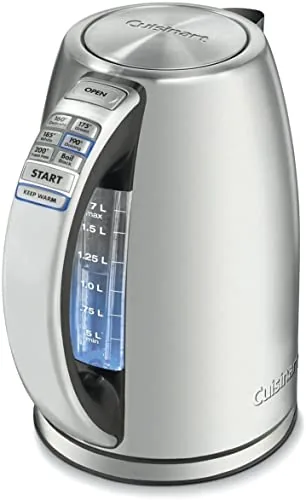
9 Best Electric Kettles (2026 Review Guide)
Aug 12, 2026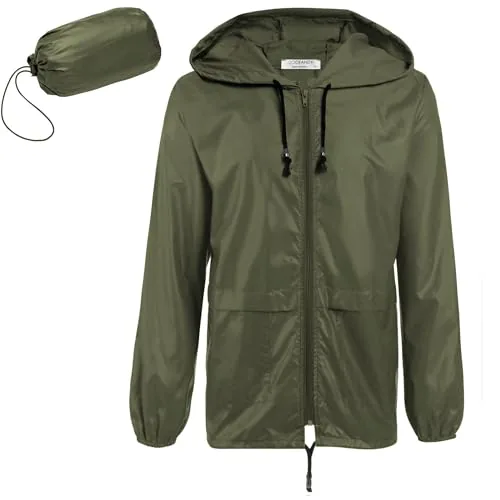
6 Best Packable Rain Jackets (2026 Review Guide)
Aug 24, 2026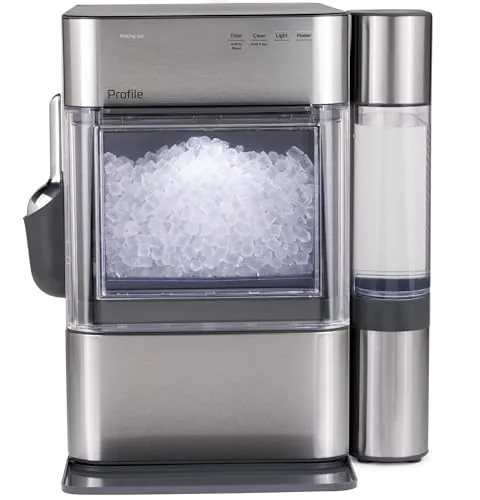
9 Best Nugget Ice Makers (2026 Review Guide)
Aug 10, 2026