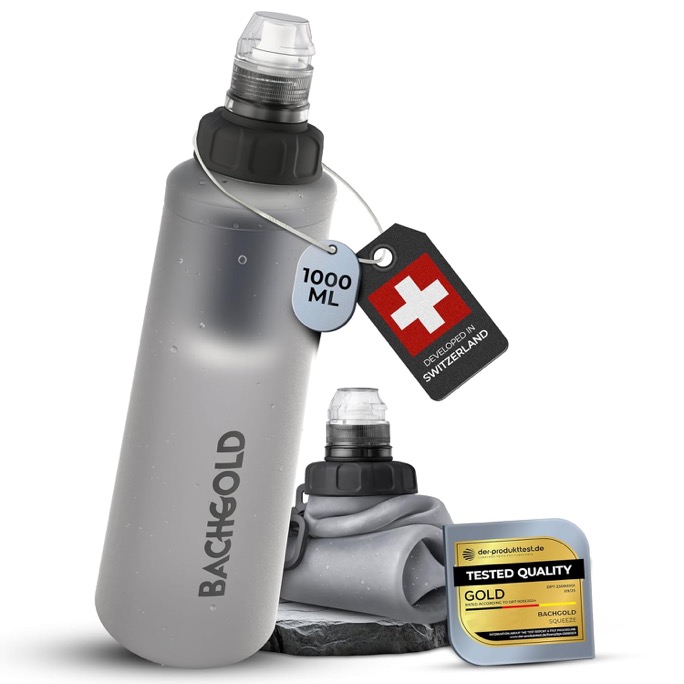
Around $20
Built for travel, hiking & emergencies - drink safely whether the water is unsafe or just tastes off.
- 2-stage filtration: nanofiber layer + 0.2 micron hollow fiber membrane
- Rinse to restore flow - no replacement cartridges needed
- Collapsible 1L bottle - folds flat to pocket size
- Leak-resistant, taste-neutral, designed in Switzerland
Tap water in Thailand is generally not considered safe to drink directly from the faucet for travelers. While the water treatment plants in Bangkok and major cities produce water that meets WHO standards at the source, aging pipes and building plumbing systems can introduce contaminants before it reaches your glass. Most locals and virtually all travelers rely on bottled or filtered water for drinking.
Quick Reference
| Concern | Our Advice | |
|---|---|---|
| Drink tap water? | ❌ | Use bottled or filtered water |
| Brush teeth? | ✅ | Yes, no concerns |
| Wash fruits / veg? | ❌ | Wash with filtered or bottled water |
| Use ice in drinks? | ✅ | Yes, safe in restaurants |
| Shower safely? | ✅ | Yes |
| Filter bottle needed? | ❌ | Strongly recommend a Bachgold Squeeze Filter Bottle for all travelers |
| Common risks | Bacterial contamination, Heavy metals from old pipes, Sediment and rust, E. coli, Chlorine residual, Microplastics |

Key Statistics


Affiliate links — we earn a small commission at no extra cost to you.
Water Infrastructure & Supply
Thailand's water infrastructure has developed significantly since the 1960s, driven primarily by the Metropolitan Waterworks Authority (MWA) serving Bangkok and surrounding provinces, and the Provincial Waterworks Authority (PWA) serving the rest of the country. The MWA treats approximately 6 million cubic meters of water daily, primarily sourced from the Chao Phraya River and the Mae Klong River, serving over 12 million residents in the Bangkok metropolitan area.
The water treatment process at major Thai plants includes coagulation, sedimentation, sand filtration, and chlorination , meeting or exceeding WHO guidelines at the point of production. However, the distribution network in many areas relies on aging pipes, some dating back decades, that can introduce rust, sediment, and heavy metals such as lead and manganese into the water before it reaches consumers. Building-level storage tanks, especially in older apartments and hotels, can further compromise water quality if not regularly cleaned.
Thailand has invested heavily in water infrastructure improvements through its National Water Resources Management Strategy (2018, 2037). Key projects include pipeline replacement programs in Bangkok, expansion of the PWA's treatment capacity in tourist regions like Phuket and Chiang Mai, and new desalination plants for island communities. The government has also promoted community-level reverse osmosis filtration stations throughout rural areas, providing affordable clean drinking water at approximately 1 baht per liter.
Contamination & Health Risks
The primary health risk from Thai tap water stems not from the treatment plants themselves but from the distribution system. Studies by Chulalongkorn University and the Thailand Department of Health have found elevated levels of coliform bacteria, iron, manganese, and occasional traces of lead in tap water samples collected at the point of use, particularly in older buildings. Seasonal flooding , common during the monsoon from June to October , can temporarily overwhelm treatment systems and contaminate distribution networks.
Pollution sources include agricultural runoff containing pesticides and fertilizers, industrial discharge particularly in the Eastern Seaboard industrial zones, and inadequate wastewater treatment in many urban areas. Thailand's relatively low wastewater treatment coverage means that untreated sewage can contaminate surface water sources used by treatment plants, increasing the treatment burden. In rural areas, groundwater sources may contain naturally occurring arsenic or fluoride in some regions.
For travelers, the practical risks include gastrointestinal illness (traveler's diarrhea) from consuming untreated tap water, particularly in the first few days of a visit before any acclimatization. Ice in restaurants and street vendors in major tourist areas is generally safe, as it is typically produced in commercial ice factories using filtered and purified water , identifiable by its cylindrical or tube shape with a hollow center. Crushed or irregularly shaped ice from unknown sources should be treated with more caution.
Regional Water Quality Breakdown
Bangkok
cautionThe MWA's treated water meets WHO standards at the plant, and the authority has declared Bangkok tap water 'drinkable' since 2019 after extensive pipe replacements in certain zones. However, most residents and health authorities still recommend against drinking tap water directly due to variable pipe quality across the city's vast network and building-level contamination risks.
Chiang Mai
cautionChiang Mai's water comes primarily from the Ping River and Mae Kuang Dam, treated by the PWA. Water quality at the tap is generally acceptable for bathing and brushing teeth, but seasonal agricultural burning (February, April) and monsoon flooding can affect source water quality. Drinking bottled or filtered water is strongly recommended.
Phuket
cautionPhuket faces periodic water shortages during the dry season (January, April), and water sources include a mix of reservoirs, tin mine ponds, and desalination. Water quality varies significantly by area, with some hillside developments relying on well water of uncertain quality. Most hotels and resorts use filtration systems, but travelers should always opt for bottled or filtered water.
Koh Samui & Gulf Islands
avoidIsland communities often struggle with limited freshwater resources and aging infrastructure. Koh Samui relies heavily on desalination and water trucking during peak tourist seasons, and pipe networks are often poorly maintained. Tap water should not be consumed and may occasionally have a brackish taste or discoloration.
Pattaya & Eastern Seaboard
cautionPattaya's water comes from nearby reservoirs and is treated by the PWA. While generally adequate for non-drinking purposes, the proximity to heavy industrial zones in Rayong and Map Ta Phut raises concerns about source water contamination. Travelers should rely on bottled water and be mindful of water quality in budget accommodations.
Isaan (Northeast Thailand)
avoidRural Isaan has more limited water infrastructure, with many communities relying on groundwater or small community treatment systems. Some areas have naturally saline groundwater, and agricultural contamination from rice paddies and sugarcane farming is common. Community RO filtration stations are the primary safe drinking water source for locals.
Practical Tips for Travelers
- Carry a filter bottle (e.g., Bachgold Squeeze) — it removes bacteria, parasites, and microplastics from any tap or stream. Strongly recommend the Bachgold Squeeze Filter Bottle.
- Always drink bottled or filtered water. Ask for 'nam plao' () to order plain drinking water at restaurants , it will come bottled.
- Tube-shaped or cylindrical ice with a hole in the center is factory-made and generally safe. Avoid crushed or irregularly shaped ice of unknown origin.
- Carry a reusable bottle with a built-in filter (like LifeStraw or Grayl) to save money, reduce plastic waste, and ensure safe water anywhere you go.
- Use the community water vending machines () found on nearly every street , just 1 baht per liter of RO-filtered water. Bring your own container.
- Brushing teeth with tap water is generally fine in urban areas and tourist zones, but use bottled water if you have a sensitive stomach or are in rural/island areas.
- During monsoon season (June, October), be extra cautious with water quality, as flooding can compromise distribution systems. Stick to sealed bottled water.
- When eating street food, wash fruits and vegetables with bottled water or peel them before eating. Say 'mai sai nam khaeng' () if you don't want ice in your drink.
- Check if your hotel provides complimentary bottled water , most Thai hotels offer at least two free bottles per room per day. Ask at reception for refills rather than buying from the minibar.
Bottled Water Availability & Cost
Bottled water is extremely affordable and ubiquitous throughout Thailand. A 500ml bottle from a convenience store (7-Eleven, FamilyMart) typically costs 7, 15 baht (approximately $0.20, $0.45 USD), while a 1.5-liter bottle costs 12, 25 baht ($0.35, $0.70 USD). Popular local brands include Singha, Crystal, Nestle Pure Life, and Chang Drinking Water. In tourist areas and hotels, prices may be marked up to 20, 40 baht for a small bottle.
For budget-conscious travelers staying longer, purchasing 6-liter or 18.9-liter refillable jugs from water delivery services or supermarkets offers significant savings , a large jug can cost as little as 15, 30 baht. Refill stations are also common at community water vending machines, dispensing filtered water for 1 baht per liter. For environmental sustainability, consider bringing a reusable bottle with a built-in filter, which reduces plastic waste , Thailand is one of the world's largest contributors to single-use plastic pollution, and many eco-conscious accommodations now offer free filtered water refill stations.
Frequently Asked Questions
Can I brush my teeth with tap water in Thailand?
Yes, brushing your teeth with tap water in Bangkok and major tourist cities is generally safe, as the small amount of water involved poses minimal risk. However, if you're in a rural area, on a remote island, or have a particularly sensitive stomach, you may want to use bottled water as an extra precaution.
Is it safe to shower in Thai tap water?
Yes, showering and bathing in Thai tap water is safe throughout the country. The water may contain some chlorine and minerals, but these pose no risk through skin contact. If you have very sensitive skin or eczema, the higher chlorine content in some areas could cause mild irritation.
Is ice safe to use in drinks in Thailand?
In most restaurants, hotels, and reputable bars in tourist areas, ice is commercially produced using purified water and is safe. Look for tube-shaped or cylindrical ice with a hole , this indicates factory production. Be more cautious with crushed ice at very small street stalls in remote areas.
Is restaurant water safe to drink in Thailand?
Restaurants in Thailand almost never serve tap water directly. When you order water, you'll receive a sealed bottle of drinking water (typically 10, 20 baht) or complimentary filtered water in a pitcher at more upscale establishments. Both are safe to drink.
How much does bottled water cost in Thailand?
Bottled water in Thailand is very cheap. A 500ml bottle costs 7, 15 baht ($0.20, $0.45 USD) at convenience stores, and a 1.5-liter bottle runs 12, 25 baht ($0.35, $0.70 USD). Prices may be higher at tourist attractions, airports, and hotel minibars , sometimes 40, 80 baht.
Why can't you drink tap water in Thailand if the treatment plants meet WHO standards?
The main issue is the distribution system, not the treatment plants. While Bangkok's MWA, for example, produces water meeting WHO standards, aging pipes , some over 30 years old , and poorly maintained building storage tanks can introduce rust, sediment, heavy metals, and bacteria before the water reaches your faucet.
Can I use tap water to make coffee or cook food in Thailand?
If you're boiling the water for coffee or cooking (bringing it to a rolling boil for at least one minute), this kills most harmful bacteria and parasites, making it significantly safer. However, boiling does not remove heavy metals or chemical contaminants, so using filtered or bottled water is still the better option.
Is tap water quality different on Thai islands compared to the mainland?
Yes, water quality on Thai islands (Koh Samui, Koh Phangan, Koh Lipe, etc.) is generally worse than on the mainland. Islands have limited freshwater sources, often relying on desalination, rain collection, or water trucked from the mainland. Infrastructure is less developed, and water shortages are common during the dry season. Always use bottled water on islands.
Interesting Product Reviews
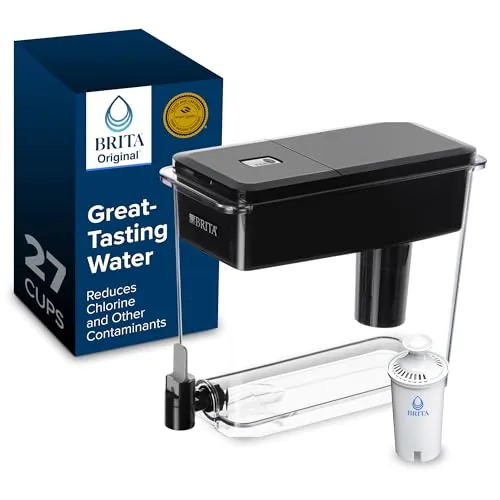
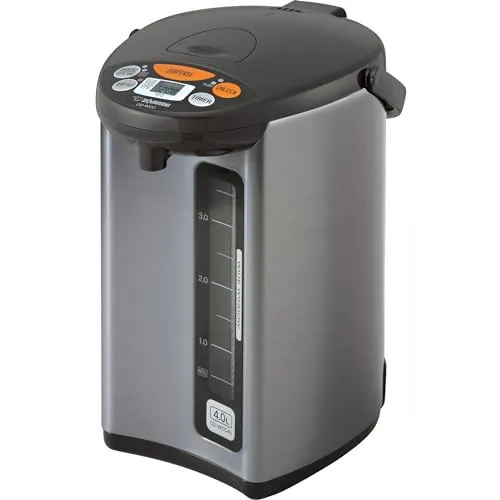
8 Best Water Filter Pitchers (2026 Review Guide)
Jul 17, 2026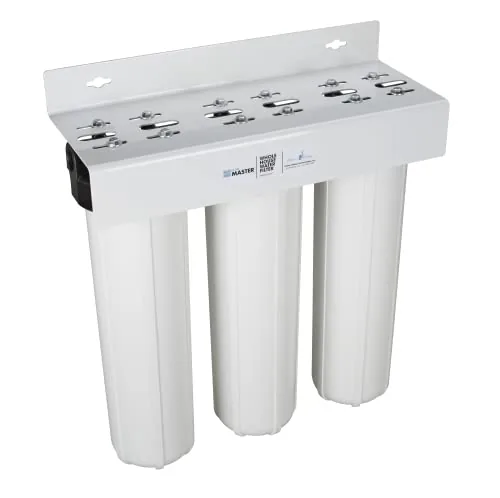
9 Best Water Filters For Sulfur Smell (Rotten Egg Water) (2026 Review Guide)
Aug 1, 2026
6 Best Waterproof Bags (2026 Review Guide)
Aug 23, 2026
7 Best Water Filters For Pets (2026 Review Guide)
Aug 4, 2026
9 Best Waterproof Shoes For Travel (2026 Review Guide)
Aug 24, 2026