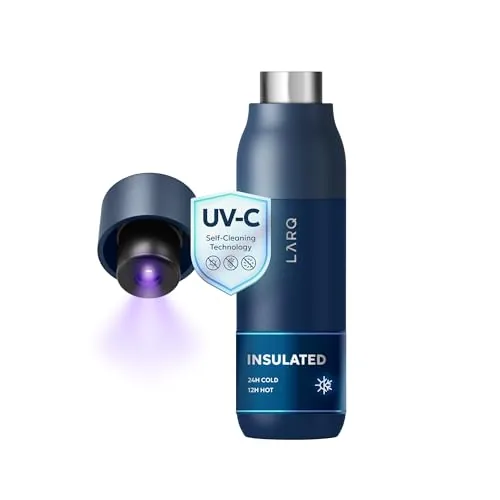
As low as $12
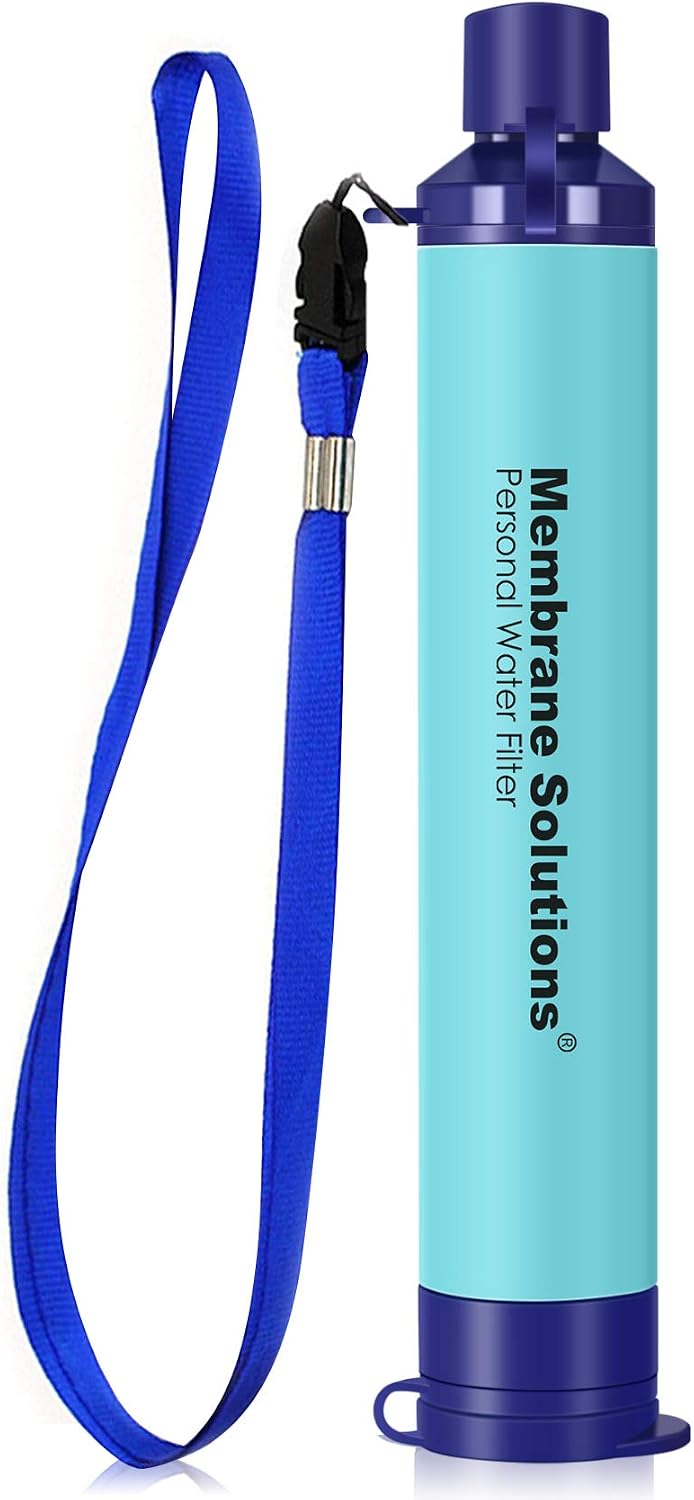
Built for travel, hiking & emergencies - drink safely whether the water is unsafe or just tastes off.
- NSF/ANSI 42, 372 & 401 certified, 0.1 micron filtration
- Filters up to 1,320 gallons - no batteries or pumping
- Ultralight - fits in any bag or pocket
- BPA-free, compatible with standard 28mm bottle threads
Tap water in Suriname's capital Paramaribo is generally treated and chlorinated by the national water company, but quality can be inconsistent due to aging infrastructure and distribution issues. Travelers are advised to drink bottled or filtered water, especially outside the capital where water treatment is limited or nonexistent. In rural and interior regions, waterborne illness risks increase significantly.
Quick Reference
| Concern | Our Advice | |
|---|---|---|
| Drink tap water? | ❌ | Use bottled or filtered water |
| Brush teeth? | ✅ | Yes, no concerns |
| Wash fruits / veg? | ❌ | Wash with filtered or bottled water |
| Use ice in drinks? | ❌ | Avoid unless confirmed purified |
| Shower safely? | ✅ | Yes |
| Filter bottle needed? | ❌ | Strongly recommend a Membrane Solutions Filter Straw for all travelers |
| Common risks | Bacterial contamination, Parasitic infections, Mercury contamination from gold mining, Sediment and turbidity, Aging pipe infrastructure, Limited rural water treatment |

Key Statistics


Affiliate links — we earn a small commission at no extra cost to you.
Water Infrastructure & Supply
Suriname's water supply is primarily managed by the Surinaamsche Waterleiding Maatschappij (SWM), the national water utility established in 1932. SWM operates several treatment plants in and around Paramaribo, drawing from surface water sources including the Suriname River and the Para River system. The utility serves the majority of the coastal urban population, while the interior regions rely on community-managed systems, rainwater harvesting, and untreated surface water.
The treatment process in Paramaribo includes coagulation, sedimentation, filtration, and chlorination. However, the distribution network suffers from aging infrastructure with some pipes dating back decades, which can lead to contamination during transport. Low water pressure in certain neighborhoods can allow infiltration of groundwater into the pipe system, potentially introducing bacteria and other contaminants.
The Inter-American Development Bank (IDB) and other international partners have funded several water infrastructure improvement projects aimed at expanding coverage and modernizing treatment facilities. Projects have focused on rehabilitating distribution networks in Paramaribo and extending piped water access to peri-urban and rural communities in the coastal plain. The government's long-term plan includes improving water access in the interior districts of Sipaliwini and Brokopondo, where indigenous and Maroon communities often lack reliable treated water.
Contamination & Health Risks
The primary health risks from Suriname's tap water include bacterial contamination (E. coli, coliform bacteria) particularly where distribution infrastructure is compromised or where water is sourced from untreated surface supplies. In the interior regions, artisanal and small-scale gold mining operations have introduced mercury into river systems, posing a serious contamination risk for communities that rely on these waterways for drinking water. Studies have documented elevated mercury levels in rivers throughout the Greenstone Belt region.
Waterborne diseases such as gastroenteritis, typhoid, and parasitic infections remain a concern, particularly for travelers with no prior exposure to local water microorganisms. During the rainy seasons (April, August and November, February), flooding can overwhelm drainage and sewage systems, increasing the risk of fecal contamination in water sources. Urban runoff and agricultural chemicals also contribute to surface water pollution in some areas.
For travelers, the practical risk is highest when consuming tap water in hotels or restaurants outside Paramaribo, eating unwashed raw produce, or accepting ice in beverages at informal establishments. Even in Paramaribo, the inconsistency of chlorination levels throughout the distribution network means tap water may not always meet international drinking water standards at the point of use. A portable water filter or UV purifier is strongly recommended for any travel outside the capital.
Regional Water Quality Breakdown
Paramaribo
cautionThe capital has the best water infrastructure in the country, with SWM-treated and chlorinated supply. However, aging pipes and pressure inconsistencies mean quality at the tap can vary by neighborhood. Travelers should use bottled or filtered water for drinking.
Wanica District
cautionThis densely populated district adjacent to Paramaribo receives treated water from SWM, but outlying areas may experience lower water quality due to extended distribution networks. Boiling or filtering is recommended for drinking water.
Commewijne
cautionPopular with tourists visiting historic plantations, Commewijne has partial access to treated water but some areas rely on groundwater or surface sources. Stick to bottled water when visiting plantation sites and rural communities.
Brokopondo
avoidHome to the Brokopondo Reservoir and numerous gold mining operations, this district faces serious mercury contamination in waterways. Treated water access is very limited, and travelers should rely exclusively on bottled or purified water.
Sipaliwini (Interior/Amazonian Region)
avoidThe vast interior district has minimal water infrastructure. Indigenous and Maroon communities often use river water that may be contaminated by gold mining activities or natural pathogens. Travelers on eco-tours should bring their own water purification systems.
Nickerie
cautionThe western district and its capital Nieuw Nickerie have some treated water infrastructure, but agricultural runoff from rice paddies can affect water quality. Bottled water is recommended for drinking, though the tap water is generally acceptable for bathing.
Practical Tips for Travelers
- Always drink bottled or filtered water in Suriname. Even in Paramaribo hotels, avoid drinking tap water directly , ask for 'fleswater' (bottled water) in Sranan Tongo or Dutch.
- Bring a portable water filter bottle (such as LifeStraw or Grayl) especially if you plan to visit the interior or take jungle tours. Strongly recommend the Membrane Solutions Filter Straw.
- In restaurants, request 'gezuiverd water' (purified water) or bottled water. At street food stalls, avoid ice unless you can confirm it was made from purified water.
- Peel fruits and vegetables rather than washing them with tap water, or wash them with bottled/purified water before consuming raw.
- Stock up on bottled water before traveling to the interior , availability drops dramatically outside Paramaribo and the coastal towns.
- During the rainy season (April, August), be extra cautious with water safety as flooding can contaminate water sources across the country.
- If staying at an eco-lodge in the interior, ask about their water purification methods. Many reputable lodges provide filtered or boiled water for guests.
- Carry oral rehydration salts (ORS) when traveling to remote areas , they are essential for treating dehydration from waterborne illness if medical facilities are far away.
Bottled Water Availability & Cost
Bottled water is widely available throughout Suriname's urban areas, especially in Paramaribo. Common local and imported brands include Fernandes, AquaPure, and various Brazilian imports. A 1.5-liter bottle typically costs between SRD 15, 30 (approximately USD 0.50, 1.00) at supermarkets, while smaller 500ml bottles from street vendors or convenience shops may cost SRD 8, 15. Prices in tourist areas and hotel minibars can be significantly higher.
Buying water in bulk (5-liter or 10-liter jugs) from supermarkets like Fernandes or TKS is more economical for longer stays, with 5-liter bottles costing around SRD 25, 45. Travelers heading to the interior should stock up on bottled water in Paramaribo, as availability decreases significantly once you leave the coastal zone. Consider bringing a reusable bottle with a built-in filter to reduce plastic waste, as Suriname faces growing challenges with plastic pollution, particularly in waterways.
Frequently Asked Questions
Can I brush my teeth with tap water in Suriname?
In Paramaribo and major coastal towns, brushing teeth with tap water is generally safe as the small amount of water used poses minimal risk. However, in the interior regions, it's better to use bottled or filtered water even for brushing teeth.
Is it safe to shower in Suriname's tap water?
Yes, showering with tap water is safe throughout Suriname. The risk from tap water is related to ingestion, not skin contact. Just be careful not to swallow water while showering, especially in areas with untreated water.
Is ice safe in drinks in Suriname?
In upscale restaurants and hotels in Paramaribo, ice is usually made from purified water and is generally safe. However, at street vendors, local bars, or establishments outside the capital, ice may be made from tap water and should be avoided. When in doubt, order drinks without ice.
Do restaurants in Paramaribo serve safe drinking water?
Most restaurants in Paramaribo serve bottled water rather than tap water. If you're offered a glass of water, ask whether it's bottled or filtered ('Is dit fleswater?'). Higher-end restaurants typically use purified water for cooking and ice as well.
How much does bottled water cost in Suriname?
A 1.5-liter bottle costs approximately SRD 15, 30 (around USD 0.50, 1.00) in supermarkets. Smaller bottles from convenience stores cost SRD 8, 15. Prices are higher at tourist locations and hotels. Buying larger 5-liter jugs is more economical for extended stays.
Is the water safe to drink in Suriname's jungle eco-lodges?
Most reputable eco-lodges in the interior provide filtered, boiled, or bottled water for guests. However, you should always confirm this with your lodge operator before arrival. Bringing your own water purification method as a backup is strongly recommended.
Are there mercury risks in Suriname's drinking water?
Yes, artisanal gold mining in the interior has led to mercury contamination in many rivers, particularly in the Brokopondo and Sipaliwini districts. Never drink directly from rivers or creeks in mining areas. This is a serious health concern for communities that depend on these water sources.
Can I use a water filter instead of buying bottled water in Suriname?
Absolutely. A quality portable filter (such as LifeStraw, Sawyer, or Grayl) can effectively remove bacteria, parasites, and sediment from Suriname's tap and surface water. This is both more economical and environmentally friendly than relying solely on bottled water, especially for extended stays or interior travel.
Interesting Product Reviews
6 Best Sugar-Free Hydration Multipliers (2026 Review Guide)
Aug 9, 2026
6 Best Water Softeners (2026 Review Guide)
Aug 13, 2026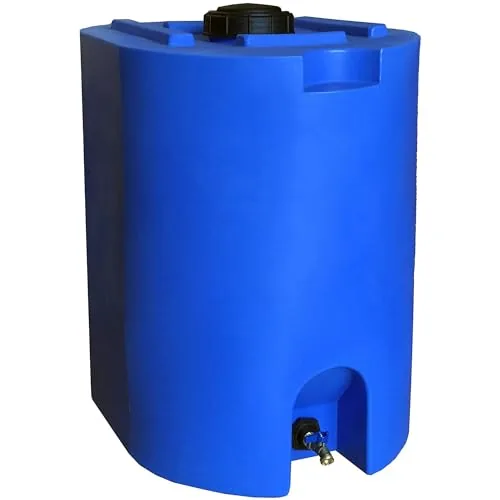
7 Best Emergency Water Storage Tanks (2026 Review Guide)
Aug 21, 2026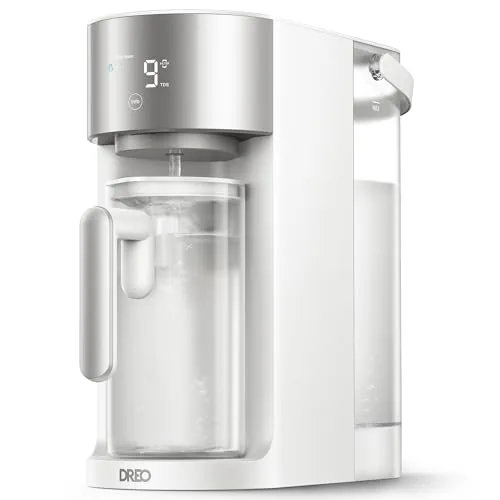
6 Best Water Filters For Apartments (2026 Review Guide)
Jul 5, 2026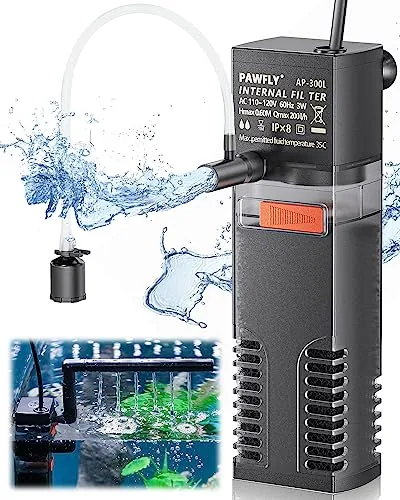
7 Best Water Filters For Aquariums (2026 Review Guide)
Aug 4, 2026