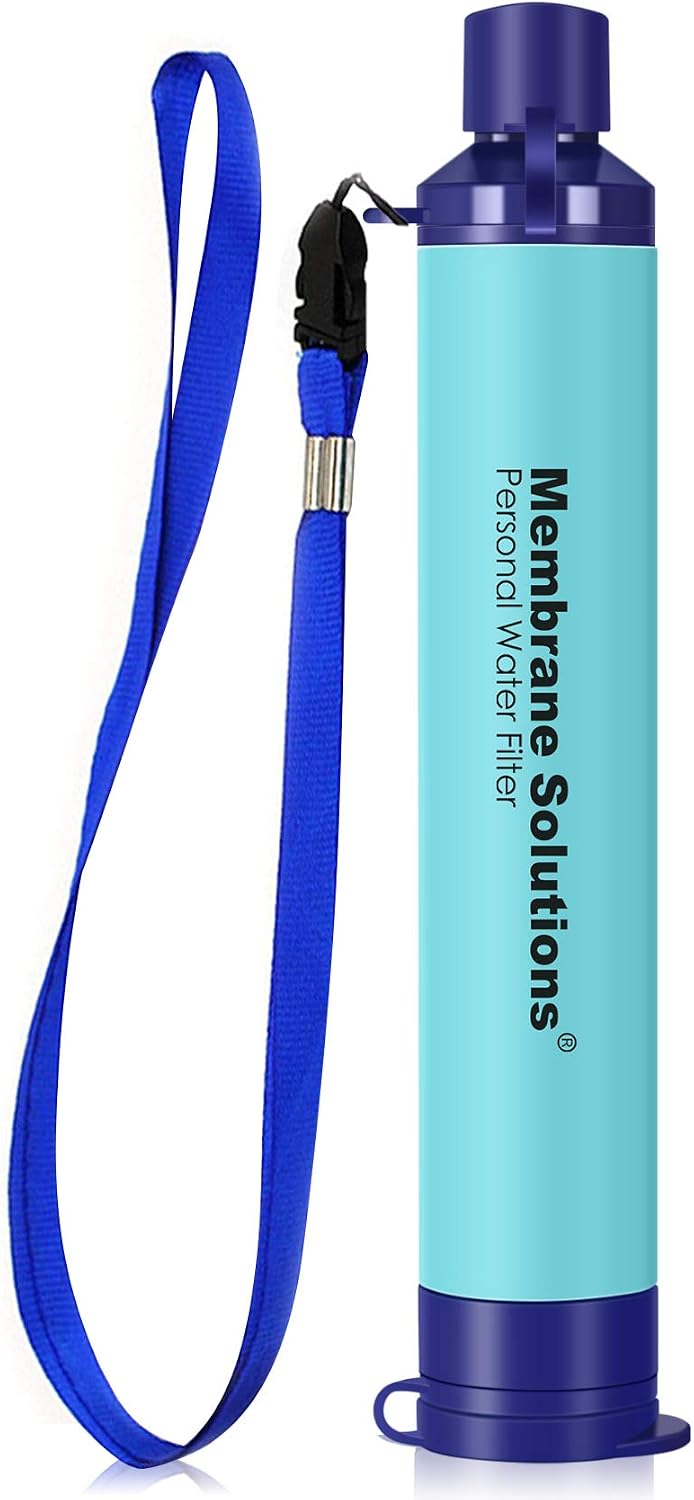
As low as $12
Built for travel, hiking & emergencies - drink safely whether the water is unsafe or just tastes off.
- NSF/ANSI 42, 372 & 401 certified, 0.1 micron filtration
- Filters up to 1,320 gallons - no batteries or pumping
- Ultralight - fits in any bag or pocket
- BPA-free, compatible with standard 28mm bottle threads
Tap water in San Marino is generally safe to drink. As a small, wealthy European microstate entirely surrounded by Italy, San Marino benefits from high-quality water infrastructure and strict EU-aligned water quality standards. Travelers can confidently drink tap water throughout the country without special precautions.
Quick Reference
| Concern | Our Advice | |
|---|---|---|
| Drink tap water? | ✅ | Yes, safe in most areas |
| Brush teeth? | ✅ | Yes, no concerns |
| Wash fruits / veg? | ✅ | Yes, safe to use tap water |
| Use ice in drinks? | ✅ | Yes, safe in restaurants |
| Shower safely? | ✅ | Yes |
| Filter bottle needed? | ✅ | Not necessary, but a Membrane Solutions Filter Straw can improve taste |
| Common risks | Seasonal water scarcity, Aging pipes in older buildings, Mineral deposits |

Key Statistics


Affiliate links — we earn a small commission at no extra cost to you.
Water Infrastructure & Supply
San Marino's water supply system has been developed over centuries, with modern infrastructure largely built in the mid-to-late 20th century. The republic sources its drinking water from a combination of local springs on Mount Titano and imported water from the neighboring Italian region of Emilia-Romagna, particularly from the Romagna Acque water network. The Azienda Autonoma di Stato per i Servizi Pubblici (AASS) is the state utility responsible for water distribution, treatment, and sanitation throughout the country.
The water treatment process includes chlorination, filtration, and regular monitoring for bacteriological and chemical parameters. San Marino follows standards aligned with the EU Drinking Water Directive, ensuring consistent quality control. The distribution network extends throughout all nine municipalities (castelli) of the republic, with storage tanks positioned at various elevations to ensure adequate pressure across the hilly terrain.
In recent years, San Marino has invested in upgrading older sections of its pipeline network to reduce water losses and improve efficiency. The government has also focused on wastewater treatment improvements, with a modern treatment plant serving the majority of the population. Ongoing projects aim to enhance water conservation measures and improve resilience against drought, which has become a growing concern in the wider Mediterranean region.
Contamination & Health Risks
San Marino's tap water is regularly tested and meets strict quality standards for microbiological and chemical parameters. The risk of waterborne illness from drinking tap water is extremely low, comparable to other Western European countries. Routine monitoring by the AASS checks for E. coli, enterococci, nitrates, heavy metals, and pesticide residues, with results consistently within safe limits.
The primary water quality concerns in San Marino are related to the age of some building plumbing rather than the municipal supply itself. In very old buildings in the historic center of San Marino City, internal pipes may occasionally contribute trace minerals or sediment to the water. However, this does not pose a health risk and is primarily an aesthetic concern. There are no significant industrial pollution sources within the tiny republic.
For travelers, there are no special precautions needed when consuming tap water in San Marino. The water is safe for drinking, cooking, brushing teeth, and making ice. Visitors with particularly sensitive stomachs may notice a slight difference in mineral content compared to their home water supply, but this is unlikely to cause any issues. The country has no history of waterborne disease outbreaks in recent decades.
Regional Water Quality Breakdown
San Marino City (Citt di San Marino)
safeThe capital and most-visited area has safe, well-maintained tap water. The historic center's older buildings may have slightly older internal plumbing, but municipal water quality is excellent.
Borgo Maggiore
safeSan Marino's largest commercial center has modern infrastructure and reliable tap water supply. The cable car station area and central market are well served by the municipal water network.
Serravalle
safeThe most populous castello has newer residential developments with modern plumbing. Tap water quality is consistent and safe throughout the area, including the commercial Dogana district on the border.
Domagnano
safeThis residential castello benefits from modern water infrastructure. Water quality is fully in line with national standards and safe for all uses.
Fiorentino
safeLocated in the southern part of the republic, Fiorentino has reliable water service. The area's water supply comes from the same well-monitored AASS network serving the entire country.
Practical Tips for Travelers
- Carry a filter straw (e.g., Membrane Solutions) — it removes bacteria, parasites, and microplastics from any tap or stream. Strongly recommend the Membrane Solutions Filter Straw.
- Tap water is safe to drink everywhere in San Marino , carry a reusable bottle and refill freely from any tap to save money and reduce plastic waste.
- In restaurants, you can ask for tap water by saying "Acqua del rubinetto, per favore" (Italian is the official language). Some restaurants may prefer to serve bottled water, but tap water is perfectly safe.
- If you're visiting during hot summer months (June, August), stay well hydrated as temperatures on Mount Titano can be warm. Fill your bottle before ascending the Three Towers hiking paths.
- When ordering water in restaurants, specify "acqua naturale" for still water or "acqua frizzante" for sparkling. If you want free tap water, explicitly ask for "acqua del rubinetto."
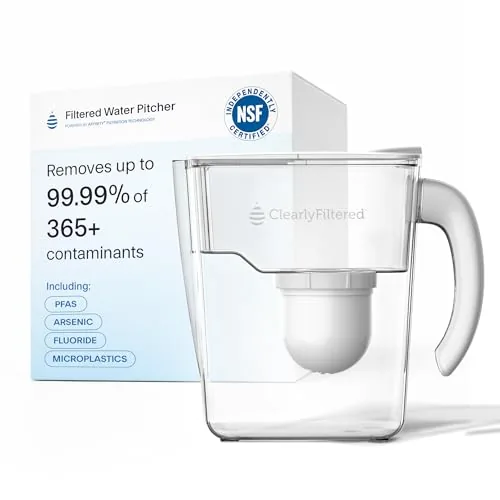
- San Marino's water has a slightly higher mineral content than some Northern European sources. This is safe and even beneficial, but if you prefer softer-tasting water, a basic carbon filter pitcher will help.
- There is no need to buy a filtered water bottle for travel to San Marino. The tap water meets all European safety standards and is tested regularly by the state utility.
- If staying in a historic guesthouse in the old town, let the tap run for a few seconds before filling your glass. This flushes any water that may have been sitting in older internal pipes.
Bottled Water Availability & Cost
Bottled water is widely available throughout San Marino in supermarkets, restaurants, shops, and vending machines. Popular brands include Italian waters such as San Benedetto, Levissima, and Acqua Panna. A 500ml bottle typically costs between 0.50 and 1.50 in shops, while restaurants may charge 2.00 to 4.00 for a bottle. Prices are comparable to those in neighboring Italian cities.
For budget-conscious travelers, purchasing larger bottles (1.5L) at supermarkets like Conad or Simply Market is the most economical option, with prices around 0.30, 0.60 per bottle. However, given the excellent quality of tap water, bottled water is largely unnecessary and its purchase contributes to plastic waste. Visitors are encouraged to carry a reusable water bottle and refill from the tap, which is both cost-effective and environmentally responsible.
Frequently Asked Questions
Can you drink tap water in San Marino?
Yes, tap water in San Marino is safe to drink throughout the entire country. The water is treated, regularly monitored by the state utility (AASS), and meets EU-aligned quality standards. Travelers can drink it with confidence.
Is it safe to brush teeth with tap water in San Marino?
Absolutely. The tap water is safe for brushing teeth, rinsing, and all personal hygiene uses. There is no need to use bottled water for oral care.
Can I shower safely with tap water in San Marino?
Yes, showering with tap water in San Marino is completely safe. The water is free from harmful contaminants. Some visitors may notice slightly hard water, which can leave a mild residue but is not a health concern.
Is ice safe in drinks in San Marino?
Yes, ice in San Marino is made from the same safe tap water and is perfectly fine to consume. Whether at restaurants, bars, or hotels, ice poses no health risk.
Do restaurants in San Marino serve tap water?
Some restaurants will serve tap water if you ask for "acqua del rubinetto," though many default to serving bottled water (still or sparkling) as is common in Italian dining culture. You may need to specifically request tap water.
How much does bottled water cost in San Marino?
A 500ml bottle costs 0.50, 1.50 in shops. In restaurants, expect to pay 2.00, 4.00 per bottle. For the best value, buy 1.5L bottles at supermarkets for around 0.30, 0.60.
Where does San Marino get its drinking water?
San Marino sources its water from local springs on Mount Titano and imports additional water from Italy's Romagna Acque water network. The state utility AASS manages treatment and distribution across all nine castelli.
Is there a risk of water scarcity in San Marino?
San Marino occasionally faces water scarcity during prolonged dry summers, particularly as climate change affects the Mediterranean region. However, this affects supply availability rather than water quality. The government has been investing in conservation measures and improved storage capacity to mitigate these risks.
Interesting Product Reviews

9 Best Self-Cleaning Water Bottles (2026 Review Guide)
Aug 7, 2026
9 Best Fish Tank Water Conditioners (2026 Review Guide)
Aug 18, 2026
6 Best Home Water Test Kits (2026 Review Guide)
Aug 2, 2026
8 Best Water Filters For Chlorine (2026 Review Guide)
Jul 29, 2026
9 Best Waterproof Shoes For Travel (2026 Review Guide)
Aug 24, 2026