As low as $12
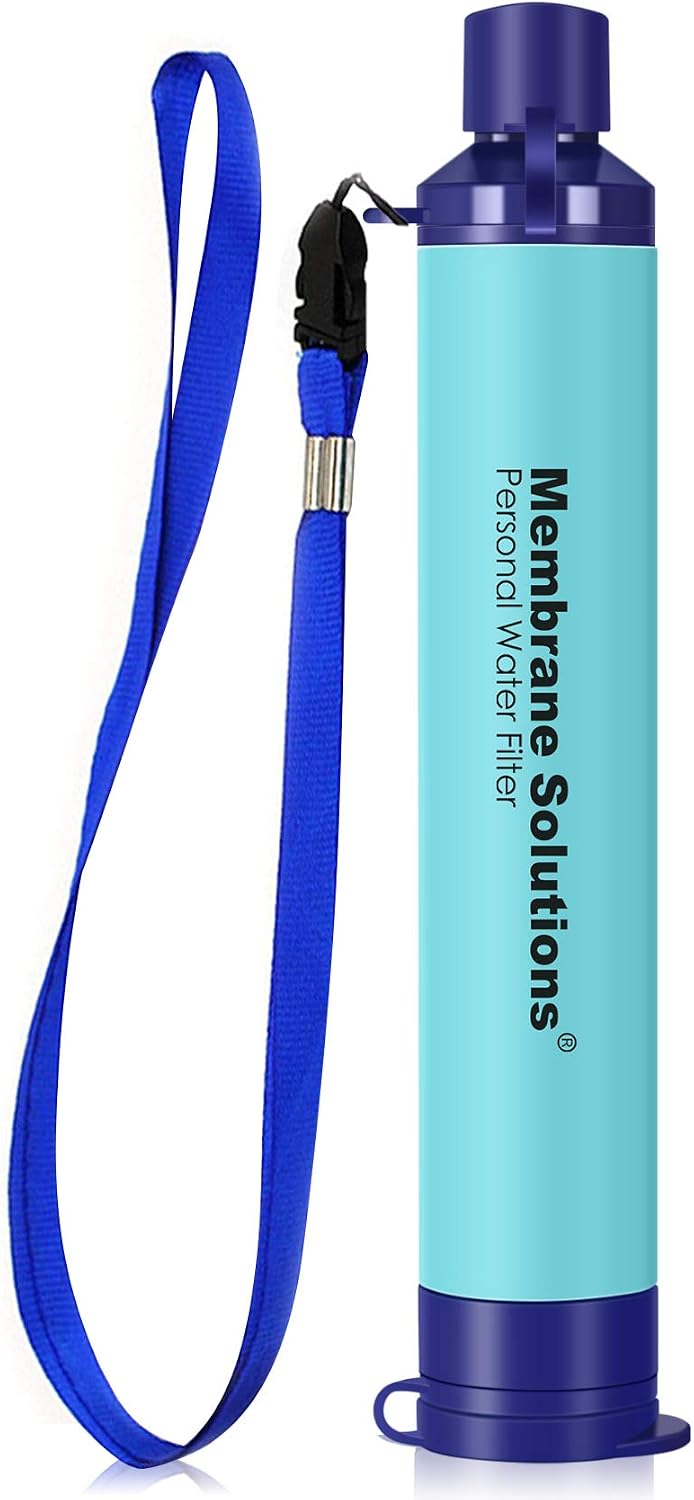
Built for travel, hiking & emergencies - drink safely whether the water is unsafe or just tastes off.
- NSF/ANSI 42, 372 & 401 certified, 0.1 micron filtration
- Filters up to 1,320 gallons - no batteries or pumping
- Ultralight - fits in any bag or pocket
- BPA-free, compatible with standard 28mm bottle threads
Tap water in Lebanon is generally not safe to drink for travelers. Decades of infrastructure neglect, the 2020 Beirut explosion, and an ongoing economic crisis have severely degraded water treatment and distribution systems. Most residents and visitors rely on bottled or filtered water for drinking purposes.
Quick Reference
| Concern | Our Advice | |
|---|---|---|
| Drink tap water? | ❌ | Use bottled or filtered water |
| Brush teeth? | ❌ | Use bottled or filtered water |
| Wash fruits / veg? | ❌ | Wash with filtered or bottled water |
| Use ice in drinks? | ❌ | Avoid unless confirmed purified |
| Shower safely? | ✅ | Yes |
| Filter bottle needed? | ❌ | Strongly recommend a Membrane Solutions Filter Straw for all travelers |
| Common risks | Bacterial contamination, E. coli, High chlorine levels in some areas, Sewage infiltration, Nitrate contamination, Aging pipe leaching, Waterborne parasites |

Key Statistics


Affiliate links — we earn a small commission at no extra cost to you.
Water Infrastructure & Supply
Lebanon's water infrastructure was originally built in the mid-20th century, with major investments in dams, reservoirs, and piped networks across the country. Four regional water establishments (Beirut/Mount Lebanon, North, South, and Bekaa) manage water supply, but decades of civil conflict (1975, 1990), political instability, and chronic underinvestment have left much of the system in disrepair. The devastating 2020 Beirut port explosion further damaged infrastructure in the capital.
Since 2019, Lebanon's economic collapse has crippled water utilities. Power shortages mean pumping stations often operate only a few hours per day, and many treatment plants have reduced or ceased chlorination due to chemical shortages. Aging pipes, some dating back 50+ years, suffer from frequent leaks and are vulnerable to sewage infiltration, especially during heavy rains. Nearly half of all treated water is lost before reaching consumers.
Several international projects have attempted to improve the situation. The World Bank and UNICEF have funded emergency fuel for pumping stations and rehabilitation of treatment facilities. The Bisri Dam project, which was meant to address Beirut's chronic water shortages, was suspended in 2020 amid environmental and governance concerns. Current efforts focus on emergency repairs and maintaining minimum service levels rather than long-term systemic upgrades.
Contamination & Health Risks
Water quality testing across Lebanon has repeatedly found high levels of bacterial contamination, including E. coli and coliform bacteria, particularly in areas where sewage lines run close to water mains. Studies by the American University of Beirut have shown that tap water samples from many neighborhoods in Beirut, Tripoli, and the Bekaa Valley exceed WHO guidelines for microbial contaminants. Nitrate levels are also elevated in agricultural regions due to fertilizer runoff into groundwater.
The main pollution sources include untreated sewage discharged directly into rivers and the Mediterranean Sea, agricultural runoff, and industrial waste. With only approximately 8% of wastewater receiving treatment, contamination of surface and groundwater sources is widespread. The Litani River, Lebanon's longest and a major water source for the Bekaa and South, is heavily polluted with industrial and domestic waste.
For travelers, the practical risks include gastrointestinal illness, diarrhea, and potential exposure to hepatitis A and other waterborne pathogens. Drinking tap water, using it to brush teeth, or consuming ice made from tap water is not recommended. Even salads and fruits washed in tap water can pose a risk. Showering is generally safe as long as water is not ingested, but travelers with sensitive skin may notice irritation from inconsistent chlorination levels.
Regional Water Quality Breakdown
Beirut
avoidBeirut's water network suffered extensive damage from the 2020 port explosion and years of neglect. Intermittent supply, aging pipes, and sewage infiltration make tap water unsafe to drink. Virtually all residents rely on bottled or filtered water.
Tripoli (Trablos)
avoidLebanon's second city faces chronic water shortages and contamination issues. The Abu Ali River, which runs through the city, is heavily polluted, and groundwater sources show elevated bacterial counts. Bottled water is essential.
Bekaa Valley (Zahle, Baalbek)
avoidAgricultural runoff introduces nitrates and pesticides into groundwater, while the heavily polluted Litani River contaminates surface water. Water supply is intermittent, and treatment is inconsistent. Do not drink tap water here.
Mount Lebanon (Jounieh, Byblos)
cautionSome mountain communities have better-quality spring water sources, but distribution infrastructure remains unreliable. Water quality can vary significantly between neighborhoods. Bottled or filtered water is still strongly recommended.
South Lebanon (Sidon, Tyre)
avoidThe south suffers from aging infrastructure and contamination from the Litani River basin. Sewage infiltration into water mains is common, and supply is often limited to a few hours per day. Tap water should not be consumed.
Faraya / Mzaar (Ski Resorts)
cautionMountain resort areas may have better spring water sources, and some hotels use private filtration systems. However, public tap water quality is still not guaranteed. Check with your accommodation about their water treatment before drinking.
Practical Tips for Travelers
- Always drink bottled or filtered water. Request it at restaurants by saying 'mayy ma'daniyyeh' ( ) for mineral water or 'mayy 'aadiyyeh' ( ) for regular bottled water.
- Bring a quality filter bottle like a LifeStraw or Grayl , it will save money and reduce plastic waste during your trip, especially outside Beirut. Strongly recommend the Membrane Solutions Filter Straw.
- Avoid ice in drinks unless you're at a reputable hotel or restaurant that confirms they use filtered or bottled water for their ice machines.
- Peel fruits and vegetables rather than just washing them, as tap water used for rinsing may carry contaminants.
- When showering, keep your mouth closed and avoid swallowing water. This is especially important for children.
- If staying in an Airbnb or apartment, ask whether the building has a private water tank and filtration system , many newer buildings in Beirut do.
- Look for the blue 5-gallon water jugs (known as 'gallon') at your accommodation. Brands like Sohat and Tannourine are trusted local options and more economical for longer stays.
- Carry oral rehydration salts (ORS) in your travel kit. If you experience diarrhea from accidental tap water consumption, ORS can help prevent dehydration quickly.
Bottled Water Availability & Cost
Bottled water is widely available throughout Lebanon at supermarkets, convenience stores (known locally as 'dekkeneh'), gas stations, and restaurants. Popular local brands include Sohat, Tannourine, and Sannine. A 1.5-liter bottle typically costs between 30,000, 80,000 LBP (approximately $0.30, $0.80 USD at current exchange rates), though prices fluctuate with Lebanon's volatile currency. In tourist restaurants and hotels, imported brands may cost $1.50, $3.00 USD.
Buying water in bulk (packs of 6 or 12 bottles) from supermarkets like Spinneys or Carrefour is significantly cheaper. Many residents and hotels also use 5-gallon (19-liter) jugs delivered by local water companies, which is a more sustainable and cost-effective option for longer stays. Travelers concerned about plastic waste should consider bringing a reliable filter bottle, as single-use plastic consumption in Lebanon is already an environmental concern with limited recycling infrastructure.
Frequently Asked Questions
Can I brush my teeth with tap water in Lebanon?
It is not recommended to brush your teeth with tap water in Lebanon. Bacterial contamination levels are high in most areas, and even small amounts of ingested water can cause gastrointestinal issues. Use bottled or filtered water for brushing teeth.
Is it safe to shower in Lebanese tap water?
Showering is generally safe as long as you avoid swallowing any water. The primary risk from Lebanese tap water is ingestion. People with very sensitive skin may experience mild irritation due to inconsistent water treatment, but this is uncommon.
Can I drink ice in restaurants in Lebanon?
Exercise caution with ice. High-end restaurants and hotels in Beirut typically use filtered or bottled water for ice, but many smaller establishments use unfiltered tap water. When in doubt, ask the staff or request drinks without ice.
Do restaurants in Lebanon serve safe drinking water?
Most restaurants serve bottled water, which is safe. If a restaurant offers a glass of tap water, politely decline and order a sealed bottle instead. Bottled water is inexpensive and universally available at Lebanese restaurants.
How much does bottled water cost in Lebanon?
A 1.5-liter bottle typically costs $0.30, $0.80 USD at shops and supermarkets. In restaurants, you'll pay $1, $3 depending on the brand and establishment. Buying in bulk from supermarkets is the most economical option.
Why is Lebanon's tap water unsafe despite having natural springs?
Lebanon is rich in freshwater springs, but the problem lies in infrastructure rather than source water. Aging pipes, sewage infiltration, inconsistent treatment, power outages affecting pumping stations, and the ongoing economic crisis have made the distribution system unreliable, even when source water quality is acceptable.
Is tap water in Beirut hotels safe to drink?
Most quality hotels in Beirut provide complimentary bottled water and use filtration systems for their kitchens. However, bathroom tap water should not be consumed. Always check with hotel reception about their water treatment practices and use the provided bottled water for drinking.
Can I use tap water to make coffee or tea in Lebanon?
Boiling water kills most bacteria and parasites, so using tap water for hot beverages provides some protection. However, boiling does not remove chemical contaminants like nitrates or heavy metals. For best safety, use bottled or filtered water even for making coffee and tea.
Interesting Product Reviews
7 Best Water Filters For Lead Removal (2026 Review Guide)
Jul 29, 2026
8 Best Shower Filters (2026 Review Guide)
Jul 6, 2026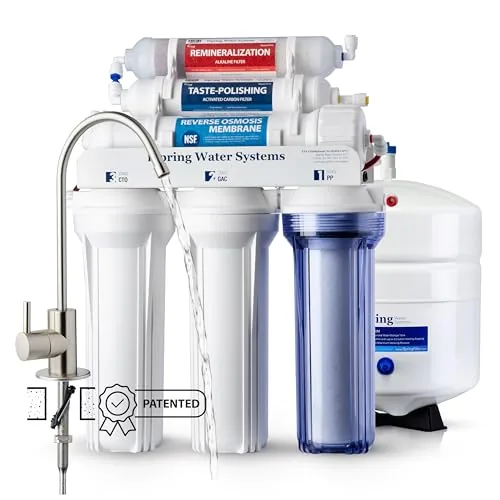
9 Best Reverse Osmosis Systems (2026 Review Guide)
Jul 16, 2026
7 Best Glass Water Bottles (2026 Review Guide)
Aug 6, 2026
8 Best Countertop Water Filters For Renters (2026 Review Guide)
Jul 20, 2026