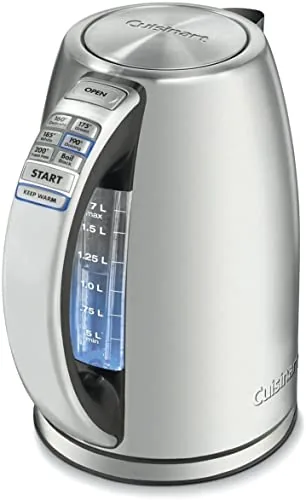
As low as $12
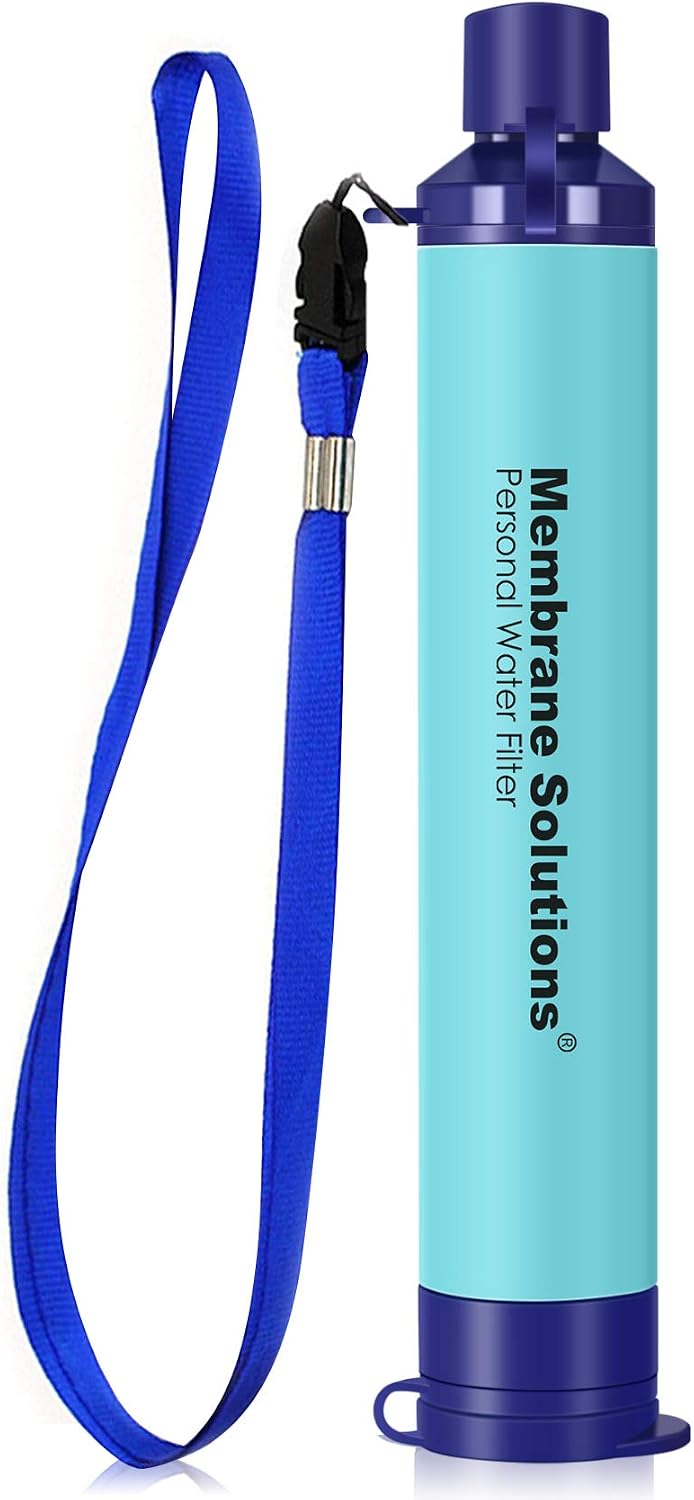
Built for travel, hiking & emergencies - drink safely whether the water is unsafe or just tastes off.
- NSF/ANSI 42, 372 & 401 certified, 0.1 micron filtration
- Filters up to 1,320 gallons - no batteries or pumping
- Ultralight - fits in any bag or pocket
- BPA-free, compatible with standard 28mm bottle threads
Tap water in Oman is generally not recommended for drinking by travelers, despite being technically treated to meet safety standards in major cities. Much of Oman's water supply comes from desalination plants, and while the treatment quality is high, aging distribution pipes and storage tanks can introduce contaminants. Travelers are advised to drink bottled or filtered water, especially outside Muscat and other major urban areas.
Quick Reference
| Concern | Our Advice | |
|---|---|---|
| Drink tap water? | ❌ | Use bottled or filtered water |
| Brush teeth? | ✅ | Yes, no concerns |
| Wash fruits / veg? | ✅ | Yes, safe to use tap water |
| Use ice in drinks? | ✅ | Yes, safe in restaurants |
| Shower safely? | ✅ | Yes |
| Filter bottle needed? | ❌ | Strongly recommend a Membrane Solutions Filter Straw for all travelers |
| Common risks | Pipe corrosion, Storage tank contamination, High mineral content, Bacterial contamination in rural areas, Desalination byproducts |

Key Statistics


Affiliate links — we earn a small commission at no extra cost to you.
Water Infrastructure & Supply
Oman's water infrastructure has undergone massive transformation since the 1970s. The country is one of the most water-scarce nations in the world, receiving an average of just 100mm of rainfall per year. To meet growing demand, the government invested heavily in seawater desalination, which now provides roughly 86% of the country's potable water supply.
The main desalination plants include the Barka, Sohar, Sur, and Salalah facilities, many of which use reverse osmosis and multi-stage flash distillation technologies. The Public Authority for Water (Diam) manages water distribution in most urban areas and has worked to modernize the pipe network. However, some older neighborhoods and buildings still rely on rooftop storage tanks that can accumulate sediment and harbor bacteria if not regularly cleaned.
Oman's Vision 2040 strategy includes significant investments in water security, including expanding desalination capacity, upgrading distribution networks, and promoting treated wastewater reuse for agriculture. The government has also launched projects to reduce non-revenue water losses, which currently stand at around 30% in some governorates. Private sector involvement through build-own-operate-transfer (BOOT) contracts has helped accelerate infrastructure development.
Contamination & Health Risks
The primary health concern with tap water in Oman is not at the treatment stage but in the distribution system. Desalinated water is produced to high standards, but aging pipelines, poorly maintained building storage tanks, and high ambient temperatures can degrade water quality between the plant and the tap. Elevated levels of dissolved solids, occasional bacterial contamination, and pipe-related heavy metals have been reported in older buildings.
In rural and interior areas such as parts of Al Dakhiliyah and Al Sharqiyah, some communities still rely on groundwater from wells, which may have elevated salinity, nitrates, or microbial contamination due to agricultural runoff. Aflaj (traditional irrigation channels) are a historic water source in some areas but are not suitable for drinking without treatment.
For travelers, the most practical risks include gastrointestinal upset from unfamiliar mineral content or low-level contaminants in untreated tap water. Hotels and restaurants in Muscat and tourist areas typically use filtered or bottled water for drinking and cooking, but it is wise to confirm this. Showering and brushing teeth with tap water is considered safe throughout urban Oman.
Regional Water Quality Breakdown
Muscat
cautionMuscat has the most modern water infrastructure in Oman, supplied primarily by the Barka and Ghubrah desalination plants. Water quality at the source is high, but older building tanks and pipes may affect quality at the tap. Most hotels use additional filtration or serve bottled water.
Salalah
cautionSalalah benefits from both desalination and groundwater sources. Water quality is generally acceptable for non-drinking purposes, but the monsoon season (khareef) can temporarily affect supply quality. Bottled water is recommended for drinking.
Nizwa & Al Dakhiliyah
cautionThe interior region relies more heavily on groundwater and traditional aflaj systems. While piped water is treated, mineral content can be high, and rural areas may have inconsistent water quality. Travelers should stick to bottled water.
Sur & Al Sharqiyah
cautionThe eastern coastal areas are served by the Sur desalination plant, but distribution infrastructure in smaller towns may be less reliable. Water may taste brackish in some locations. Bottled water is widely available and recommended.
Sohar & Al Batinah
cautionSohar's industrial development has improved water infrastructure, but groundwater in the Al Batinah coast suffers from seawater intrusion and agricultural contamination. Piped water quality varies, and bottled water is the safest option for drinking.
Wahiba Sands & Desert Areas
avoidRemote desert camps and off-grid areas often rely on trucked-in water stored in tanks of variable cleanliness. Water quality cannot be guaranteed, and travelers should bring sufficient bottled water or a reliable filtration system for any desert excursions.
Practical Tips for Travelers
- Carry a filter bottle with you, especially when traveling outside Muscat. A bottle with a built-in activated carbon or UV filter provides an extra layer of safety against contaminants from storage tanks and old pipes. Strongly recommend the Membrane Solutions Filter Straw.
- In Arabic, you can ask for bottled water by saying 'maa ma'adani, min fadlak' ( ), meaning 'mineral water, please.' This is understood in all restaurants and shops.
- Always check that bottled water seals are intact before purchasing, as refilled bottles have been occasionally reported at informal roadside shops.
- Stay heavily hydrated, Oman's summer temperatures can exceed 45C (113F). Aim for at least 3-4 liters of water per day, and carry extra water if driving between cities.
- Hotel rooftop tanks in budget accommodations may not be cleaned regularly. If tap water appears discolored or has an unusual odor, report it and use only bottled water.
- Ice in hotels, malls, and reputable restaurants in Muscat and Salalah is typically made from purified water and is safe to consume.
- For desert camping trips and wadi excursions, pack more water than you think you'll need. A minimum of 5 liters per person per day is a good baseline in hot conditions.
- Avoid leaving plastic water bottles in a hot car for extended periods, as heat can cause chemicals to leach from the plastic into the water.
Bottled Water Availability & Cost
Bottled water is widely available throughout Oman and is the standard drinking water source for most residents and visitors. Popular local brands include Tanuf, Al Jabal Al Akhdar, and Salalah, alongside international brands such as Masafi and Evian. A 500ml bottle typically costs 0.10, 0.20 OMR (approximately $0.25, $0.50 USD) at convenience stores, while a 1.5L bottle ranges from 0.15, 0.30 OMR.
Buying in bulk from supermarkets like Lulu Hypermarket or Carrefour is the most economical option, with a 6-pack of 1.5L bottles costing around 0.70, 1.00 OMR. Given Oman's extreme heat, staying well-hydrated is essential, consider carrying a reusable bottle with a built-in filter to reduce plastic waste while ensuring water safety. Many hotels and resorts provide complimentary water bottles, and some eco-lodges are shifting to refill stations to reduce single-use plastic consumption.
Frequently Asked Questions
Can I brush my teeth with tap water in Oman?
Yes, brushing your teeth with tap water is considered safe throughout urban Oman, including Muscat, Salalah, and other major cities. The small amount of water involved poses negligible risk. In very remote areas, you may want to use bottled water as a precaution.
Is it safe to shower with tap water in Oman?
Yes, showering with tap water is safe throughout Oman. The water is treated and poses no risk for skin contact. Some people with sensitive skin may notice dryness due to the high mineral content of desalinated water, but this is not a health concern.
Is ice safe in Omani restaurants?
In reputable restaurants, hotels, and cafes in urban areas, ice is made from purified or filtered water and is safe. At smaller roadside establishments or in rural areas, you may want to ask whether the ice is made from purified water or avoid it to be cautious.
Do restaurants in Oman serve tap water or bottled water?
Most restaurants in Oman serve bottled water by default. Some upscale restaurants may offer filtered water from a purification system. It is uncommon for restaurants to serve unfiltered tap water to customers. You may be charged for bottled water at most establishments.
How much does bottled water cost in Oman?
A 500ml bottle costs around 0.10, 0.20 OMR ($0.25, $0.50 USD), while a 1.5L bottle is about 0.15, 0.30 OMR. Buying multipacks from supermarkets is the cheapest option, with a 6-pack of 1.5L bottles costing approximately 0.70, 1.00 OMR.
Why does tap water in Oman sometimes taste different?
Most of Oman's tap water comes from seawater desalination, which can give it a flat or slightly mineral taste different from natural freshwater. Also, minerals may be added back after desalination for health and taste purposes. Storage in rooftop tanks can also alter the taste, especially in hot weather.
Is Oman's desalinated water safe to drink?
At the point of production, Oman's desalinated water meets WHO drinking water guidelines and is technically safe. However, the issue is the distribution system, old pipes, building tanks, and high temperatures can degrade quality before it reaches your tap. This is why bottled or filtered water is recommended for drinking.
Can I drink tap water in Omani hotels?
Most mid-range and luxury hotels provide complimentary bottled water and advise guests not to drink tap water. Some high-end resorts have their own filtration systems. Budget hotels may not provide bottled water in rooms, so it's a good idea to purchase your own supply from nearby shops.
Traveling Nearby?
Check tap water safety in neighboring countries:
Saudi Arabia United Arab Emirates YemenInteresting Product Reviews
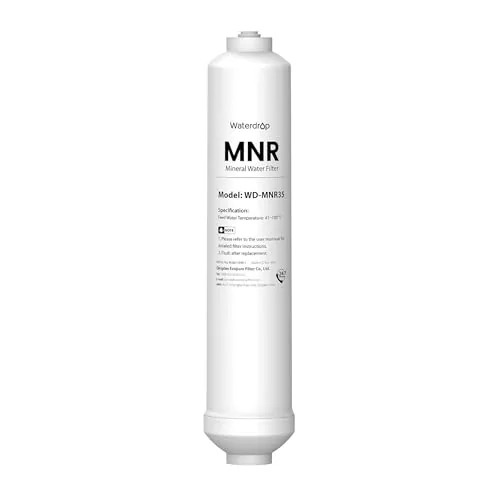
6 Best Remineralization Filters For Ro Systems (2026 Review Guide)
Jul 28, 2026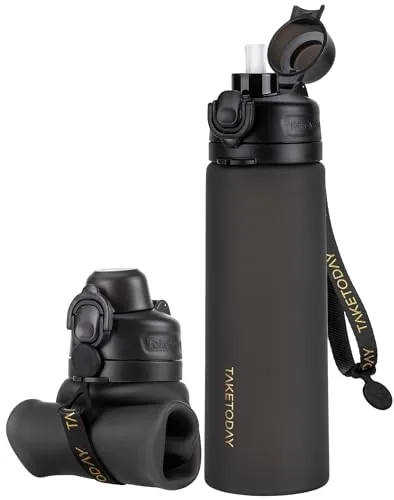
8 Best Collapsible Water Bottles For Travel (2026 Review Guide)
Jul 14, 2026
6 Best Water Filters For Tiny Homes (2026 Review Guide)
Jul 29, 2026
7 Best Glass Water Bottles (2026 Review Guide)
Aug 6, 2026
6 Best Water Alarms For Basements (2026 Review Guide)
Aug 17, 2026