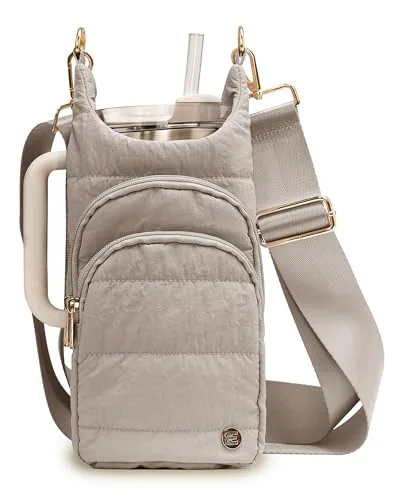
As low as $12
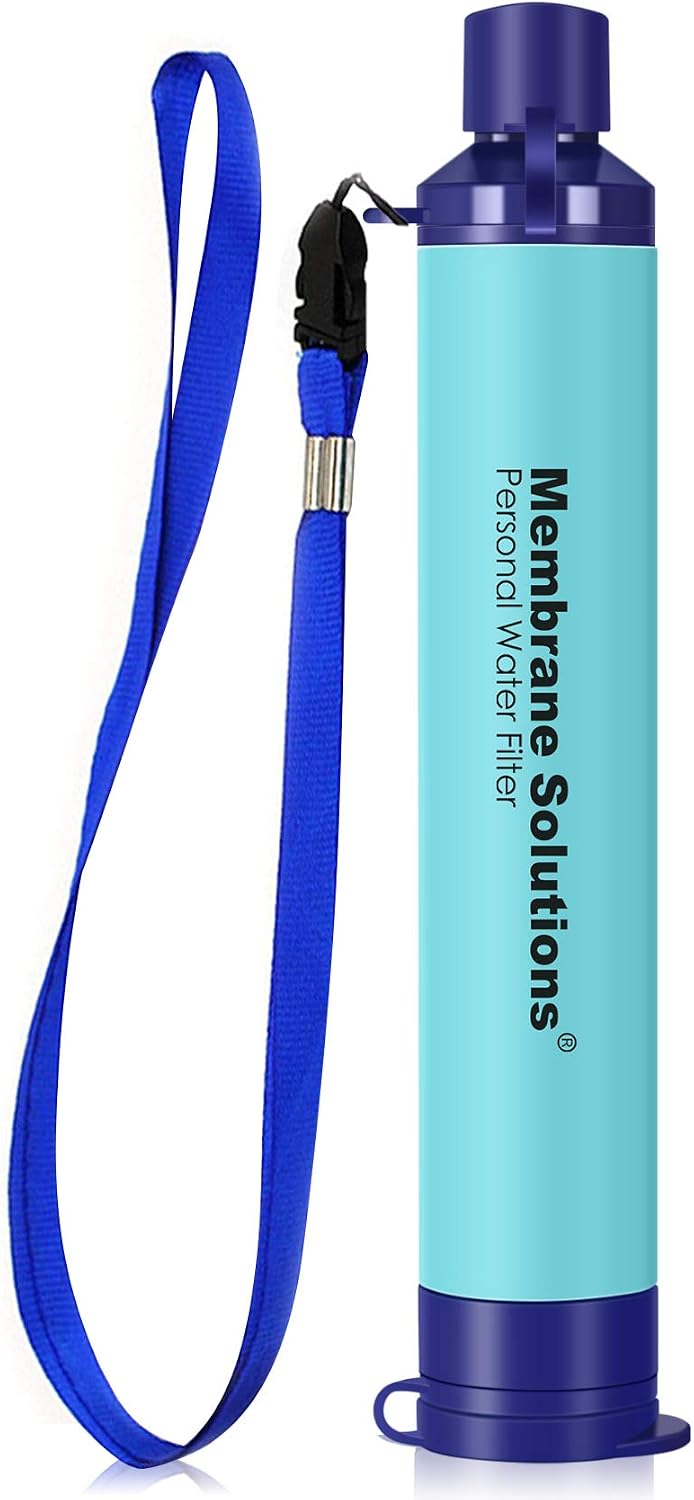
Built for travel, hiking & emergencies - drink safely whether the water is unsafe or just tastes off.
- NSF/ANSI 42, 372 & 401 certified, 0.1 micron filtration
- Filters up to 1,320 gallons - no batteries or pumping
- Ultralight - fits in any bag or pocket
- BPA-free, compatible with standard 28mm bottle threads
Tap water in Saudi Arabia is technically treated and meets safety standards, but most locals and travelers prefer bottled water due to concerns about aging distribution networks and the taste of desalinated water. The country relies heavily on desalination plants, making its water supply unique but sometimes inconsistent in quality at the tap. Travelers are generally advised to drink bottled or filtered water for peace of mind.
Quick Reference
| Concern | Our Advice | |
|---|---|---|
| Drink tap water? | ❌ | Use bottled or filtered water |
| Brush teeth? | ✅ | Yes, no concerns |
| Wash fruits / veg? | ✅ | Yes, safe to use tap water |
| Use ice in drinks? | ✅ | Yes, safe in restaurants |
| Shower safely? | ✅ | Yes |
| Filter bottle needed? | ❌ | Strongly recommend a Membrane Solutions Filter Straw for all travelers |
| Common risks | Desalination byproducts, Aging pipe infrastructure, Tank contamination, High mineral content, Bacterial contamination in storage tanks |

Key Statistics


Affiliate links — we earn a small commission at no extra cost to you.
Water Infrastructure & Supply
Saudi Arabia is one of the world's largest producers of desalinated water, relying on this technology for approximately 60-70% of its municipal water supply. The Saline Water Conversion Corporation (SWCC) operates dozens of desalination plants along the Red Sea and Arabian Gulf coasts, utilizing reverse osmosis and multi-stage flash distillation technologies. The country has invested billions of dollars into water infrastructure as part of its Vision 2030 program.
The treated water produced at desalination plants generally meets WHO drinking water guidelines. However, the distribution network , including aging pipelines and rooftop storage tanks , can compromise water quality before it reaches the consumer's tap. Many buildings, particularly older ones, store water in tanks that may not be regularly cleaned or maintained, introducing potential bacterial contamination and sediment.
Significant infrastructure upgrades are underway through the National Water Company (NWC) and various public-private partnerships. The government is investing in smart water networks, pipeline replacements, and expanded desalination capacity using energy-efficient reverse osmosis technology. Saudi Arabia's Vision 2030 includes targets to reduce water consumption, increase treated wastewater reuse to 70%, and modernize the entire distribution network.
Contamination & Health Risks
The primary health risk from Saudi tap water is not the treatment process itself but the last-mile delivery. Rooftop storage tanks exposed to extreme heat (regularly exceeding 50C in summer) can foster bacterial growth, including Legionella and coliforms. Corroded or poorly maintained pipes can leach metals and introduce sediment into the water supply, particularly in older residential and commercial buildings.
Desalinated water is naturally low in minerals, which means it can have an unusual flat taste and may be slightly more corrosive to pipes. Some facilities add minerals back after desalination, but this is inconsistent across the country. In rural areas and smaller towns, groundwater may still be the primary source, and these supplies can contain elevated levels of naturally occurring fluoride, nitrates, or salinity.
For travelers, the practical risk of serious illness from tap water is relatively low , especially in major hotels and modern buildings in Riyadh, Jeddah, and the Eastern Province. However, gastrointestinal discomfort from unfamiliar mineral content or minor bacterial exposure is possible. The CDC and most travel health advisories recommend that visitors to Saudi Arabia stick with bottled or properly filtered water to avoid any issues.
Regional Water Quality Breakdown
Riyadh
cautionRiyadh receives desalinated water piped from the Gulf coast, supplemented by groundwater. Water quality at the plant is high, but the long-distance pipeline and aging urban infrastructure can affect quality at the tap. Modern hotels and newer buildings generally have better water quality.
Jeddah
cautionAs a major coastal city, Jeddah benefits from proximity to desalination plants and generally has reliable supply. However, the city's older districts have aging pipe networks and water storage tanks that can compromise quality. Significant NWC investment is improving infrastructure across the city.
Mecca (Makkah)
cautionMecca receives specially managed water supplies, particularly during Hajj and Umrah seasons when demand spikes enormously. Zamzam water from the holy well is distributed separately. General tap water in hotels is treated but travelers should still opt for bottled water.
Medina (Al Madinah)
cautionMedina's water supply comes from desalinated water and local groundwater sources. Water quality in major hotels catering to pilgrims is generally well-maintained. As with other Saudi cities, rooftop tank quality varies and bottled water is recommended for drinking.
Eastern Province (Dammam, Khobar, Dhahran)
cautionThe Eastern Province is close to major desalination facilities on the Arabian Gulf and generally has good water infrastructure. The ARAMCO compound areas historically maintained higher water quality standards. Tap water is among the better quality in the country but bottled water remains the norm for drinking.
NEOM / Tabuk Region
cautionThe northwestern region including the NEOM mega-project area is undergoing massive infrastructure development. New facilities are being built with cutting-edge technology, but rural areas in Tabuk province may still rely on groundwater with variable quality. Travelers should rely on bottled water outside major developments.
Practical Tips for Travelers
- Always drink bottled or filtered water rather than directly from the tap, especially in older buildings where storage tanks may not be regularly maintained.
- To ask for bottled water in Arabic, say 'Maa ma'daniyya, min fadlak' ( ) which means 'mineral water, please.'
- Carry a filter bottle with activated carbon filtration when exploring , it makes Saudi tap water safe and removes the flat taste of desalinated water. Strongly recommend the Membrane Solutions Filter Straw.
- In restaurants, ice is typically made from filtered or bottled water in major cities and tourist areas, so it is generally safe to consume.
- During the extreme summer heat (May-September), increase your water intake significantly , dehydration is a serious risk with temperatures exceeding 45C.
- Check if your hotel uses a modern water filtration system , many 4 and 5-star hotels filter their entire building supply, making tap water much safer.
- Buy large 5-gallon (18.9L) water jugs from supermarkets if staying in a rental apartment , they are far cheaper and more eco-friendly than small bottles.
- When visiting holy sites in Mecca, free Zamzam water is provided, but for regular hydration carry your own sealed bottled water to avoid the crowds at distribution points.
Bottled Water Availability & Cost
Bottled water is extremely affordable and ubiquitous throughout Saudi Arabia. Popular local brands include Al Qassim, Nova, Hana, Safa, and Berain. A 500ml bottle typically costs 1-2 SAR (approximately $0.25-$0.55 USD) at convenience stores and supermarkets, while a 1.5-liter bottle ranges from 1.5-3 SAR. Restaurants may charge 5-10 SAR for branded bottled water. International brands like Evian or Fiji are available in upscale supermarkets at higher prices.
For extended stays, buying water in bulk is the most economical approach , a 12-pack of 1.5-liter bottles can cost as little as 12-18 SAR at hypermarkets like Panda, Carrefour, or Tamimi Markets. Five-gallon (18.9L) refillable jugs are widely used by residents and cost around 5-12 SAR for delivery. While bottled water is convenient, travelers concerned about plastic waste should consider a quality filter bottle with activated carbon or UV purification, which works well with Saudi tap water to produce safe, good-tasting drinking water.
Frequently Asked Questions
Can I brush my teeth with tap water in Saudi Arabia?
Yes, brushing your teeth with Saudi tap water is generally safe. The water is treated and the brief exposure from brushing poses minimal risk. However, if you're in a very old building or have a sensitive stomach, you can use bottled water for extra caution.
Is it safe to shower in Saudi tap water?
Yes, showering in Saudi tap water is perfectly safe. The water may feel slightly different due to its desalinated nature (it can feel softer), but it poses no skin or health risks for bathing.
Is ice safe in Saudi Arabian restaurants?
In most restaurants, hotels, and cafes in major cities, ice is made from filtered or bottled water and is safe to consume. Street vendors in less touristy areas may use tap water ice, so use your judgment.
Why do Saudi residents not drink tap water if it's treated?
While desalination plants produce safe water, the concern lies in the last-mile delivery , rooftop storage tanks and aging pipes can introduce contaminants. The flat taste of desalinated water also makes bottled water more appealing. It's a cultural norm reinforced by very cheap bottled water prices.
How much does bottled water cost in Saudi Arabia?
Bottled water is very affordable. A 500ml bottle costs 1-2 SAR ($0.25-0.55 USD), a 1.5L bottle costs 1.5-3 SAR, and bulk packs are even cheaper at supermarkets. Five-gallon jugs for home delivery cost around 5-12 SAR.
Can I drink Zamzam water when visiting Mecca?
Yes, Zamzam water is provided free at the Grand Mosque and throughout Mecca. It is regularly tested by Saudi authorities and is safe to drink. It has a distinctive mineral taste due to its natural mineral content. Note that export of Zamzam water is regulated.
Is tap water quality different in Saudi hotels versus apartments?
Generally yes. Major hotels, especially international chains, often have building-level water filtration systems and maintain their storage tanks regularly. Older apartments and budget accommodation may have less maintained tanks, making water quality more variable.
Do I need to worry about water during Hajj or Umrah?
Saudi authorities significantly increase water supply and monitoring during pilgrimage seasons. Free water is distributed at holy sites, and major hotels maintain good water standards. However, due to the extreme heat and physical exertion, carrying sealed bottled water is essential to prevent dehydration.
Traveling Nearby?
Check tap water safety in neighboring countries:
Iraq Jordan Oman United Arab Emirates YemenInteresting Product Reviews
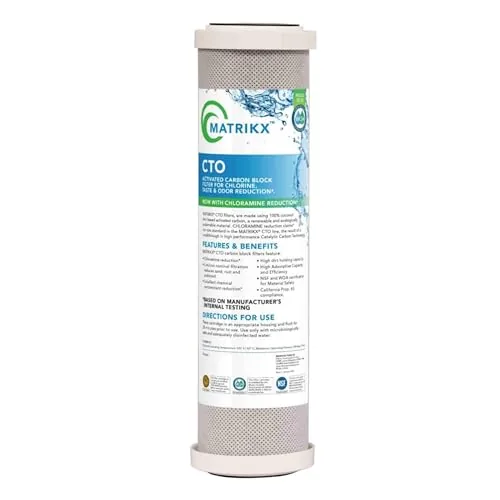
9 Best Water Filters For Chloramine (2026 Review Guide)
Jul 29, 2026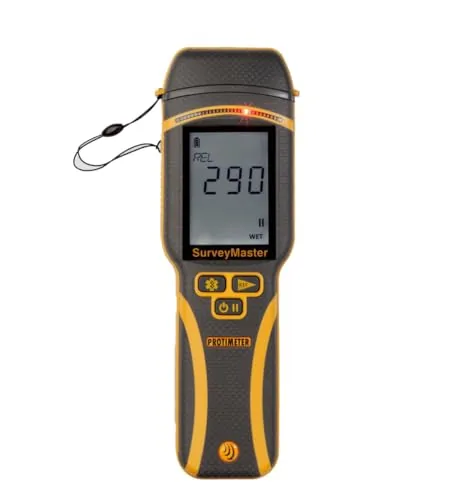
9 Best Moisture Meters (2026 Review Guide)
Aug 17, 2026
6 Best Water Coolers For Home (2026 Review Guide)
Aug 10, 2026
7 Best Water Quality Monitors (2026 Review Guide)
Aug 16, 2026
8 Best Water Filters For Pfas (Forever Chemicals) (2026 Review Guide)
Jul 30, 2026