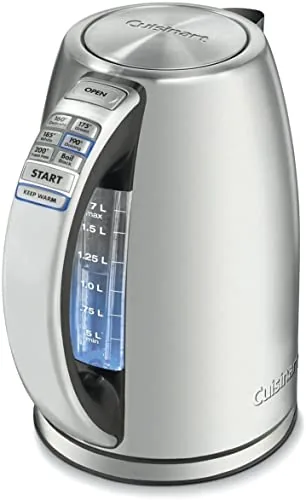
As low as $12
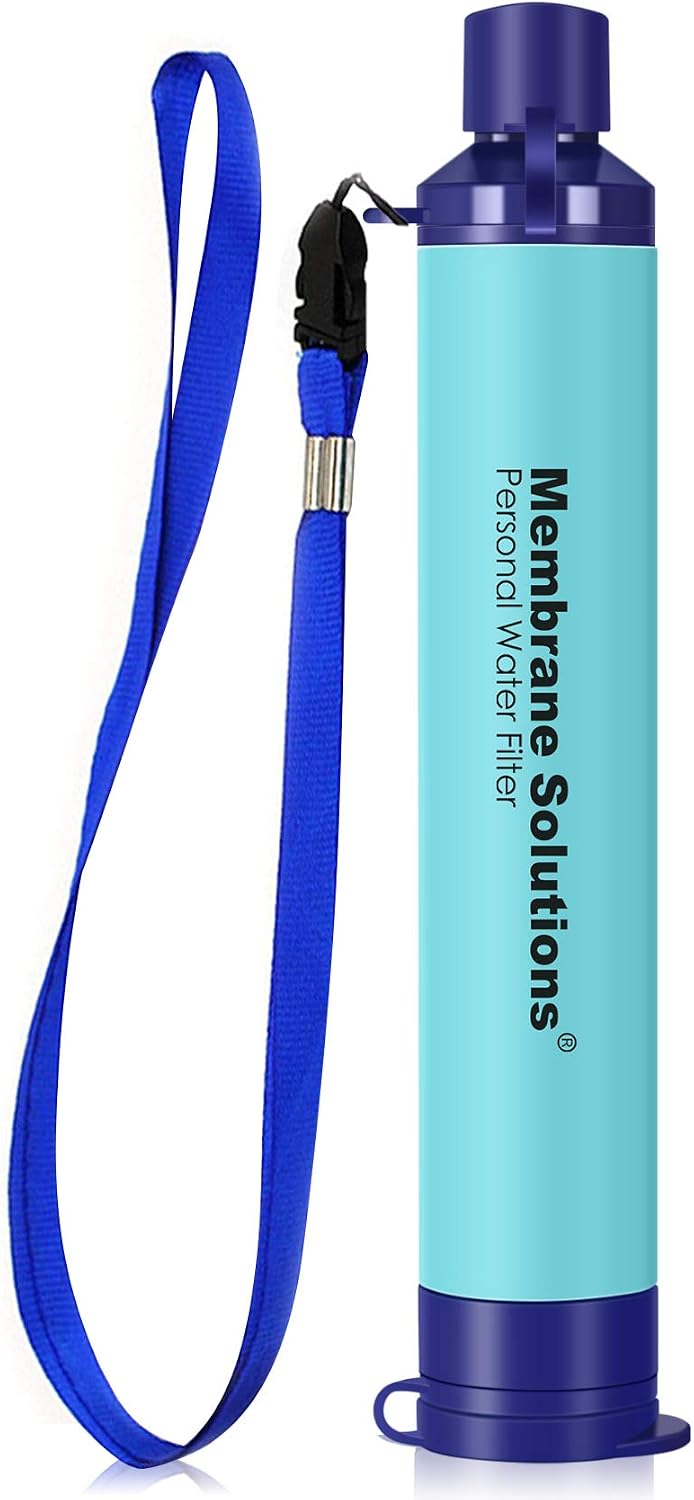
Built for travel, hiking & emergencies - drink safely whether the water is unsafe or just tastes off.
- NSF/ANSI 42, 372 & 401 certified, 0.1 micron filtration
- Filters up to 1,320 gallons - no batteries or pumping
- Ultralight - fits in any bag or pocket
- BPA-free, compatible with standard 28mm bottle threads
Tap water in the Czech Republic is generally safe to drink and meets strict European Union quality standards. The country has invested heavily in modern water treatment infrastructure, making tap water reliably clean in cities like Prague, Brno, and most urban areas. Travelers can confidently drink tap water throughout most of the country without needing additional filtration.
Quick Reference
| Concern | Our Advice | |
|---|---|---|
| Drink tap water? | ✅ | Yes, safe in most areas |
| Brush teeth? | ✅ | Yes, no concerns |
| Wash fruits / veg? | ✅ | Yes, safe to use tap water |
| Use ice in drinks? | ✅ | Yes, safe in restaurants |
| Shower safely? | ✅ | Yes |
| Filter bottle needed? | ✅ | Not necessary, but a Membrane Solutions Filter Straw can improve taste |
| Common risks | Aging pipes in older buildings, Chlorination byproducts, Nitrates in agricultural areas, Lead from legacy plumbing |

Key Statistics


Affiliate links — we earn a small commission at no extra cost to you.
Water Infrastructure & Supply
The Czech Republic has a long history of organized water management dating back to the 19th century, when Prague built its first modern water treatment facilities. After the fall of communism in 1989, the country embarked on a massive overhaul of its water infrastructure, driven by EU accession requirements. Today, over 95% of the population is connected to public water supply systems, with extensive networks serving virtually all urban areas.
Water treatment in the Czech Republic follows the stringent requirements of the EU Drinking Water Directive (2020/2184). Major cities like Prague source water from surface reservoirs (such as the elivka reservoir, which supplies about 75% of Prague's water) and deep groundwater wells. Treatment typically includes coagulation, sedimentation, sand filtration, ozonation, and chlorination or chloramine disinfection. Water quality is continuously monitored at treatment plants and distribution networks by regional hygiene stations under the Czech National Institute of Public Health (SZ).
Significant investment has continued in recent years to modernize aging distribution networks and reduce water losses. The Czech government has allocated billions of CZK through EU-funded operational programs to upgrade water mains, replace lead service lines in older neighborhoods, and expand wastewater treatment capacity. Notable projects include the modernization of Prague's Central Wastewater Treatment Plant and the ongoing replacement of Soviet-era pipe infrastructure in smaller towns across Moravia and Bohemia.
Contamination & Health Risks
Czech tap water consistently meets or exceeds EU safety standards, with compliance rates above 99% for key parameters including microbial indicators, heavy metals, and organic contaminants. The Czech National Institute of Public Health (SZ) conducts thousands of tests annually, and violations are rare and typically quickly addressed. The main areas of occasional concern include elevated nitrate levels in some agricultural regions of central Bohemia and South Moravia, though these rarely exceed legal limits.
The primary risk for tap water quality in the Czech Republic comes from building-level plumbing rather than the public supply itself. Some older buildings, particularly pre-1950s structures in historic city centers, may still have lead pipes or outdated internal plumbing that can leach contaminants. Hotels and accommodations built or renovated in recent decades use modern materials and pose virtually no risk. Chlorine is used for disinfection and may be noticeable in taste, but levels are well within safe limits.
For travelers, the practical health risks from drinking Czech tap water are minimal. The CDC and WHO do not issue advisories against drinking tap water in the Czech Republic. Visitors with compromised immune systems may wish to take standard precautions, but healthy travelers can safely drink tap water, use ice in drinks, and eat raw fruits and vegetables washed with tap water throughout the country.
Regional Water Quality Breakdown
Prague
safePrague's tap water is excellent, primarily sourced from the elivka reservoir and treated to high EU standards. The city's water utility, Prask vodovody a kanalizace (PVK), conducts continuous quality monitoring. Water is safe to drink throughout the city, including in hotels and restaurants.
Brno
safeBrno, the second-largest city, draws water from the Vr reservoir and local groundwater sources. Water quality is consistently high, meeting all EU parameters. The Brnnsk vodrny a kanalizace utility maintains modern treatment and distribution infrastructure.
Karlovy Vary
safeFamous for its thermal mineral springs, Karlovy Vary also has safe municipal tap water for everyday use. The mineral springs, while drinkable in moderation, have high mineral content and are separate from the public water supply. Regular tap water meets all Czech and EU drinking water standards.
esk Krumlov
safeThis popular tourist destination in South Bohemia has reliable tap water sourced from local surface and groundwater sources. Despite its medieval architecture, the town's water infrastructure has been modernized. Visitors can safely drink tap water at hotels and restaurants.
South Moravia (wine region)
cautionIn rural areas of South Moravia, intensive agriculture may lead to slightly elevated nitrate levels in groundwater-fed supplies. Municipal water supplies are still treated and monitored, but travelers staying in private rural accommodations with private wells should verify water quality. Urban centers in the region, such as Znojmo, have safe public water.
Ostrava
safeDespite its industrial heritage, Ostrava's municipal tap water meets all Czech and EU standards. The city sources water from the ance and Morvka reservoirs in the Beskydy Mountains. Significant environmental remediation efforts have improved water quality substantially over the past two decades.
Practical Tips for Travelers
- Carry a filter straw (e.g., Membrane Solutions) — it removes bacteria, parasites, and microplastics from any tap or stream. Strongly recommend the Membrane Solutions Filter Straw.
- Czech tap water is safe to drink , carry a reusable bottle and refill freely from any tap connected to the public supply to save money and reduce plastic waste.
- If you prefer still water in a restaurant, ask for 'kohoutkovou vodu, prosm' (tap water, please) , many Prague restaurants will serve it free of charge, though some may charge a small fee.
- For sparkling water fans, ask for 'perlivou vodu' (sparkling water) , Czechs love carbonated mineral water, and brands like Mattoni are a national staple.
- In very old buildings with visible corrosion on pipes, let the tap run for 30 seconds before drinking to flush any standing water that may have picked up trace metals from aging plumbing.
- If staying in rural South Moravia or central Bohemia at a private cottage (chalupa) with its own well, ask the host whether the well water has been tested , 'Je voda z studny testovan?' (Is the well water tested?).
- Public drinking fountains (ptka) can be found in some Prague parks and squares , they provide treated municipal water and are safe to use.
- In Karlovy Vary, the famous mineral spring water from colonnade fountains is meant for sipping in small amounts , it's highly mineralized and not a substitute for regular drinking water.
- Ice in drinks at Czech restaurants and bars is made from tap water and is perfectly safe to consume , no need to request drinks without ice.
Bottled Water Availability & Cost
Bottled water is widely available throughout the Czech Republic in supermarkets, convenience stores, restaurants, and gas stations. Popular local brands include Mattoni, Korunn, Magnesia, and Dobr Voda. A 0.5-liter bottle typically costs 15, 30 CZK (0.60, 1.20) in shops, while a 1.5-liter bottle ranges from 15, 35 CZK (0.60, 1.40). In restaurants, a 0.33-liter bottle of still or sparkling water generally costs 35, 60 CZK (1.40, 2.40).
For budget-conscious travelers, buying larger bottles (1.5L or 5L) at supermarket chains like Albert, Billa, Lidl, or Tesco offers the best value. However, given the excellent tap water quality, carrying a reusable bottle and refilling from the tap is both economical and environmentally friendly. Many restaurants in Prague and other tourist areas now offer free or low-cost tap water upon request, though this is not yet universal. The Czech Republic is increasingly promoting sustainable water consumption, and public drinking fountains can be found in some city centers.
Frequently Asked Questions
Can I brush my teeth with tap water in the Czech Republic?
Yes, tap water throughout the Czech Republic is safe for brushing teeth. The water meets EU drinking water standards, and there is no risk from using it for oral hygiene.
Is it safe to shower in Czech tap water?
Absolutely. Showering and bathing in Czech tap water is completely safe. The water is treated and disinfected to EU standards. Some people with sensitive skin may notice mild chlorine, but it poses no health risk.
Can I drink ice in my drinks at Czech restaurants?
Yes, ice served in Czech restaurants and bars is made from safe tap water. There is no need to avoid ice in drinks anywhere in the country.
Do Czech restaurants serve tap water?
It depends on the establishment. Many restaurants, especially in Prague and larger cities, will serve tap water if asked ('kohoutkovou vodu, prosm'). However, it's not a universal custom, and some restaurants may only offer bottled water. Tap water at restaurants is always safe to drink.
How much does bottled water cost in the Czech Republic?
A 0.5L bottle costs about 15, 30 CZK (0.60, 1.20) in supermarkets, while a 1.5L bottle is 15, 35 CZK. In restaurants, expect to pay 35, 60 CZK for a 0.33L bottle. Buying larger bottles at supermarkets is the most economical option.
Is Prague tap water safe to drink?
Yes, Prague has some of the best tap water in Central Europe. It primarily comes from the elivka reservoir and undergoes extensive treatment. The city's water utility conducts continuous monitoring, and the water consistently meets all EU quality parameters.
Can I drink the spring water from the colonnade fountains in Karlovy Vary?
The thermal mineral spring water in Karlovy Vary's colonnades is meant for therapeutic sipping in small quantities , typically from special drinking cups. It's very high in minerals and not suitable as regular drinking water. Standard tap water from any faucet in Karlovy Vary is safe and normal to drink.
Is tap water in rural Czech areas safe?
Municipal tap water in rural areas connected to the public supply is monitored and safe. However, some rural cottages and private properties use private wells, which are not subject to the same regular testing. If staying at such a property, ask the owner about the last water quality test. When in doubt, use bottled water.
Interesting Product Reviews
7 Best Water Filters For Aquariums (2026 Review Guide)
Aug 4, 2026
8 Best Water Filters For Van Life (2026 Review Guide)
Jul 28, 2026
8 Best Towel Warmers (2026 Review Guide)
Aug 21, 2026
6 Best Kettles (2026 Review Guide)
Aug 11, 2026
6 Best Water Carbonators (2026 Review Guide)
Aug 11, 2026