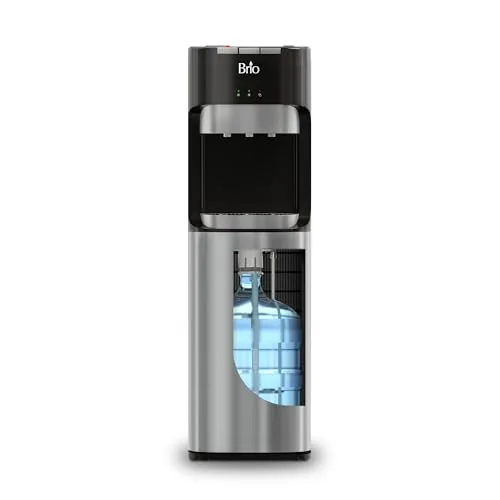
As low as $12
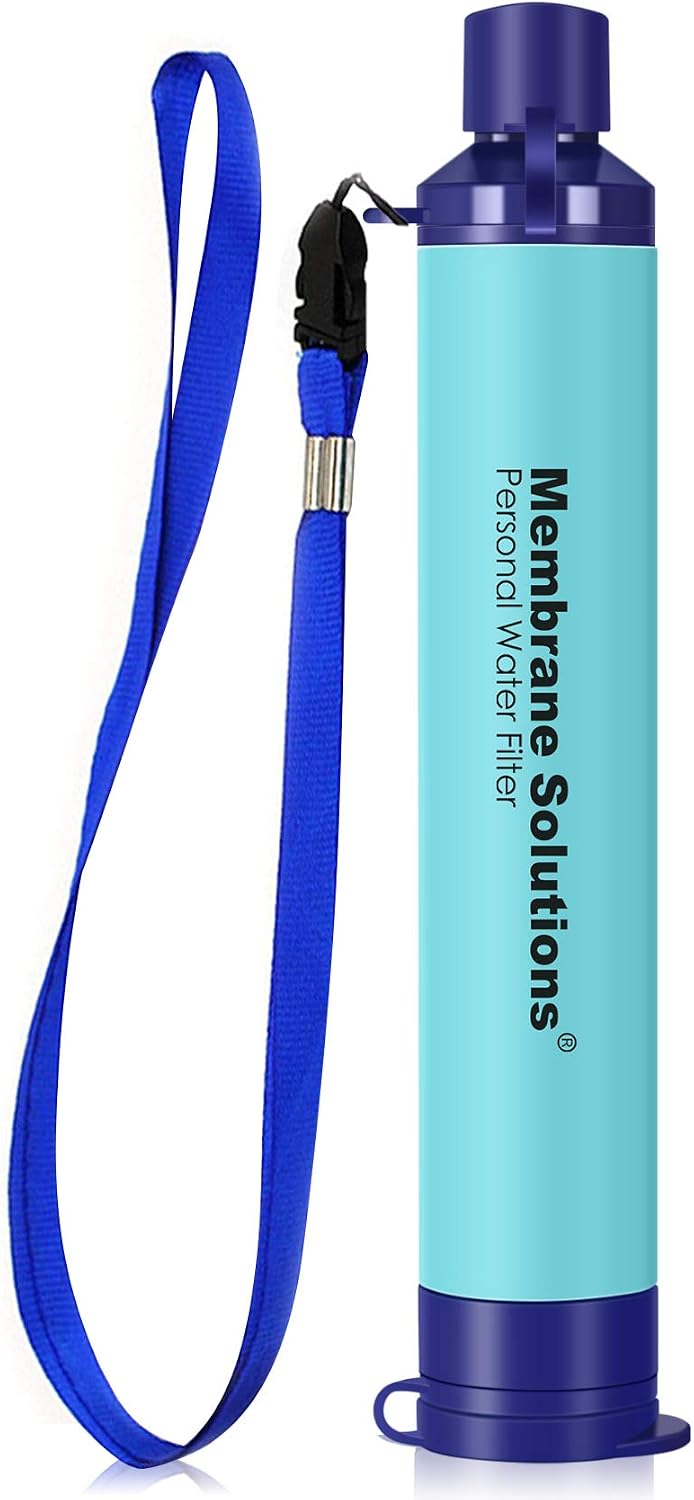
Built for travel, hiking & emergencies - drink safely whether the water is unsafe or just tastes off.
- NSF/ANSI 42, 372 & 401 certified, 0.1 micron filtration
- Filters up to 1,320 gallons - no batteries or pumping
- Ultralight - fits in any bag or pocket
- BPA-free, compatible with standard 28mm bottle threads
Tap water in Antigua and Barbuda is generally not recommended for drinking by travelers. The islands rely heavily on desalination and rainwater collection, and water quality can vary significantly between areas. Most visitors opt for bottled or filtered water to avoid potential stomach issues during their stay.
Quick Reference
| Concern | Our Advice | |
|---|---|---|
| Drink tap water? | ❌ | Use bottled or filtered water |
| Brush teeth? | ✅ | Yes, no concerns |
| Wash fruits / veg? | ✅ | Yes, safe to use tap water |
| Use ice in drinks? | ❌ | Avoid unless confirmed purified |
| Shower safely? | ✅ | Yes |
| Filter bottle needed? | ❌ | Strongly recommend a Membrane Solutions Filter Straw for all travelers |
| Common risks | Bacterial contamination, Aging distribution pipes, Inconsistent chlorination, Rainwater cistern contamination, Sediment in pipes |

Key Statistics


Affiliate links — we earn a small commission at no extra cost to you.
Water Infrastructure & Supply
Antigua and Barbuda has historically struggled with freshwater scarcity due to its low rainfall and lack of rivers or natural freshwater lakes. The Antigua Public Utilities Authority (APUA) manages the water supply, which has evolved from dependence on surface water catchments and private cisterns to a system heavily reliant on reverse osmosis desalination. The country's first major desalination plants were built in the 1990s and have been expanded over the decades.
The primary water supply comes from several reverse osmosis desalination plants, supplemented by surface water from a few small dams and reservoirs like Potworks Dam and Collins Dam. Distribution is managed through a piped network, though many areas still experience intermittent supply, and many homes and businesses maintain private cisterns to collect rainwater. The aging pipe network can introduce contaminants, and water pressure issues are common in some neighborhoods.
The government has invested in upgrades with support from international development agencies, including the Caribbean Development Bank. Recent projects have focused on expanding desalination capacity, reducing non-revenue water losses from leaking pipes, and improving storage facilities. Barbuda, the smaller island, has a more limited water infrastructure and relies even more heavily on rainwater harvesting and a small desalination unit, particularly after the devastation caused by Hurricane Irma in 2017.
Contamination & Health Risks
The main health risks from tap water in Antigua and Barbuda relate to inconsistent water treatment and the condition of the distribution network. While desalinated water is generally of good quality at the point of production, contamination can occur as water travels through aging pipes or is stored in private cisterns that may not be properly maintained. Bacterial contamination, including coliform bacteria, has been detected in some samples from the distribution system.
Rainwater cisterns, widely used across the islands, can harbor bacterial growth, mosquito larvae, and sediment if not regularly cleaned and maintained. During heavy rainfall events, surface runoff can introduce agricultural chemicals and other pollutants into surface water catchments. Travelers with sensitive stomachs or compromised immune systems are at higher risk of gastrointestinal issues from drinking untreated tap water.
For most visitors staying at major resorts and hotels, water quality is often better as these establishments frequently use their own filtration and treatment systems. However, outside of tourist-oriented facilities, water quality can be less reliable. The CDC and travel health advisories generally recommend that visitors to the Caribbean exercise caution with tap water, and Antigua and Barbuda is no exception.
Regional Water Quality Breakdown
St. John's (Capital)
cautionAs the capital and largest city, St. John's receives water primarily from desalination plants managed by APUA. Quality at the source is generally acceptable, but aging pipes in older neighborhoods can affect water quality. Travelers should use filtered or bottled water for drinking.
Jolly Harbour / Five Islands
cautionThis popular resort area on the west coast generally has better water infrastructure due to tourism investment. Many resorts operate their own filtration systems. Tap water is usually fine for brushing teeth and showering, but bottled water is recommended for drinking.
English Harbour / Shirley Heights
cautionThe historic English Harbour area, home to Nelson's Dockyard, can experience intermittent water supply issues. Many properties rely on cisterns supplemented by piped water. Water quality varies, and visitors should stick to bottled or filtered water for drinking.
Dickenson Bay / North Coast
cautionThis major tourist strip has relatively reliable water supply, and most hotels and resorts use additional filtration. The piped water is generally adequate for non-drinking purposes. Drinking bottled or filtered water is still the safer choice.
Barbuda (Codrington)
avoidBarbuda's water infrastructure was severely damaged by Hurricane Irma in 2017 and recovery has been slow. The island relies heavily on rainwater cisterns and a small desalination unit. Travelers should exclusively use bottled or properly filtered water for all consumption.
Rural Antigua (Inland Villages)
avoidRural inland communities often experience the most inconsistent water supply and may rely primarily on private cisterns. Water treatment and pipe maintenance can be insufficient. Visitors to these areas should bring their own bottled or filtered water.
Practical Tips for Travelers
- Carry a reusable filter bottle (such as LifeStraw or Grayl) to safely drink tap water anywhere on the islands while reducing plastic waste. Strongly recommend the Membrane Solutions Filter Straw.
- At restaurants, ask for bottled water by saying 'Could I get a bottle of water, please?' , most servers will understand, and sealed bottled water is standard at dining establishments.
- Check with your hotel or resort about their water treatment system , many larger properties use their own reverse osmosis or UV filtration, making their tap water safe to drink.
- Be cautious with ice in drinks at smaller bars and street vendors, as it may be made from unfiltered tap water. At major resorts and established restaurants, ice is typically made from purified water.
- Buy water in bulk from supermarkets like Epicurean Fine Foods or First Choice in St. John's rather than purchasing individual bottles at tourist shops, where prices are 2-3 times higher.
- If you're staying at a villa or Airbnb with a cistern, do not drink from the cistern tap directly. Ask your host about the last time the cistern was cleaned and whether there's a filtration system.
- When visiting Barbuda for day trips, bring all the drinking water you'll need from Antigua, as reliable bottled water supply on the smaller island can be limited outside of hotels.
- Use tap water freely for showering and brushing teeth throughout the main tourist areas , the primary concern is with drinking larger quantities of unfiltered water.
Bottled Water Availability & Cost
Bottled water is widely available throughout Antigua and Barbuda at supermarkets, convenience stores, gas stations, and tourist shops. A 1.5-liter bottle typically costs between EC$3, 5 (approximately US$1.10, 1.85), while smaller 500ml bottles are around EC$2, 3 (US$0.75, 1.10). Popular brands include Oasis (locally produced), Caribbean Cool, and imported brands like Dasani and Aquafina. In restaurants and hotel shops, prices tend to be marked up significantly, sometimes reaching US$3, 5 for a small bottle.
Travelers can save money by purchasing water in bulk from supermarkets such as Epicurean or First Choice. Cases of water (24 bottles) can be found for around EC$30, 40 (US$11, 15). For sustainability-minded travelers, bringing a reusable bottle with a built-in filter like a LifeStraw or Grayl is an excellent option that reduces plastic waste, a growing concern on these small islands where waste management capacity is limited.
Frequently Asked Questions
Can I brush my teeth with tap water in Antigua and Barbuda?
Yes, brushing your teeth with tap water is generally safe throughout most of Antigua, particularly in tourist areas and the capital St. John's. The small amount of water used poses minimal risk. If you're in a very rural area or on Barbuda, you may want to use bottled water as an extra precaution.
Is it safe to shower in the tap water?
Yes, showering in tap water is safe across Antigua and Barbuda. The water is treated and chlorinated, and skin exposure does not pose the same risks as ingestion. Just avoid swallowing water while showering.
Is the ice safe in drinks at resorts and restaurants?
At major resorts and established restaurants in tourist areas, ice is typically made from purified or filtered water and is safe to consume. At smaller local bars, street food vendors, or less-established eateries, ice may be made from unfiltered tap water, so it's worth asking before accepting ice in your drink.
Do restaurants in Antigua serve safe drinking water?
Most restaurants catering to tourists will serve bottled water, which is safe. Some upscale restaurants may serve filtered tap water. If you're unsure, always ask for sealed bottled water. At local eateries, bottled water is the safer choice.
How much does bottled water cost in Antigua and Barbuda?
A 1.5-liter bottle costs approximately EC$3, 5 (US$1.10, 1.85) at supermarkets. In hotel shops and tourist areas, prices can be two to three times higher. Buying in bulk from major supermarkets is the most economical option.
Why isn't the tap water safe to drink if it comes from desalination?
While desalinated water is high quality at the point of production, the distribution system includes aging pipes that can introduce contaminants. Also, many properties store water in private cisterns that may not be properly maintained, which can affect water quality before it reaches your glass.
Is the water on Barbuda safe to drink?
Barbuda's water infrastructure is still recovering from Hurricane Irma (2017) damage, and the island relies heavily on rainwater cisterns and limited desalination. Travelers to Barbuda should only drink bottled or thoroughly filtered water and should bring supplies from Antigua if possible.
Can I use a water filter instead of buying bottled water?
Absolutely. A portable water filter bottle with activated carbon and/or hollow fiber membrane filtration is an excellent solution for Antigua and Barbuda. Products like LifeStraw Go, Grayl GeoPress, or Brita filter bottles can make tap water safe for drinking while significantly reducing plastic waste on the islands.
Interesting Product Reviews
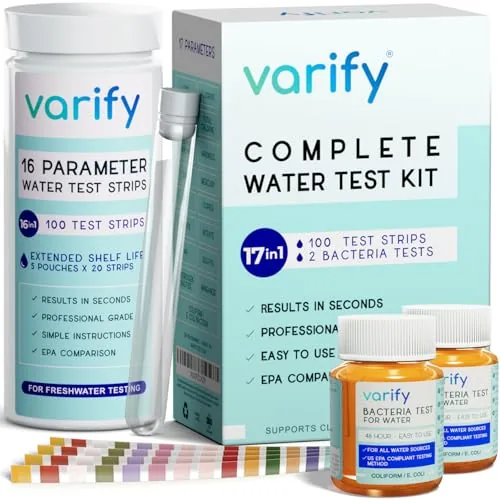
8 Best Lead Water Test Kits (2026 Review Guide)
Aug 3, 2026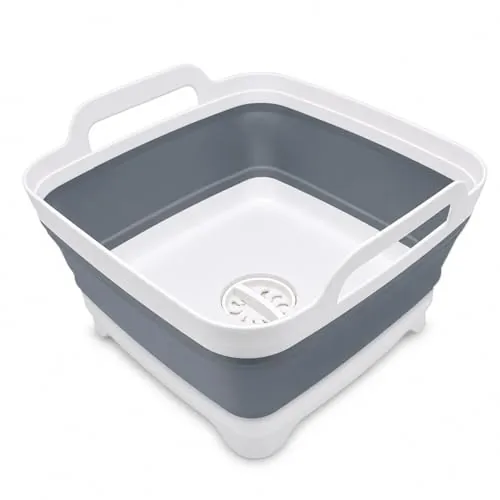
6 Best Portable Camp Sinks (2026 Review Guide)
Aug 23, 2026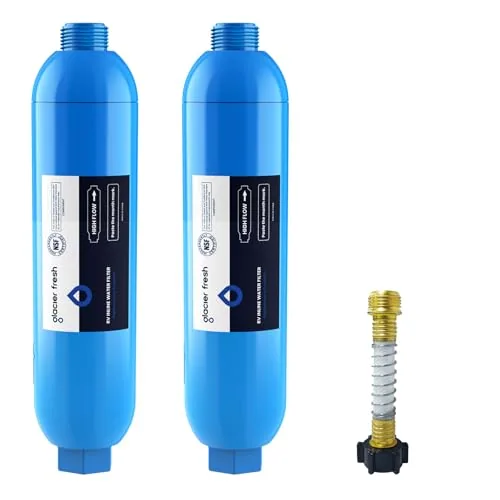
6 Best Water Filters For Boats And Sailing (2026 Review Guide)
Jul 28, 2026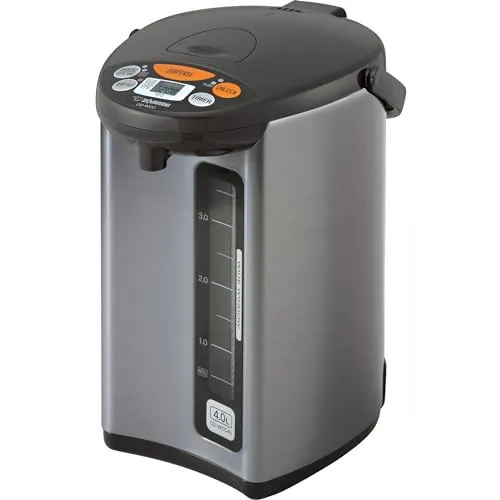
6 Best Water Boilers And Warmers (2026 Review Guide)
Aug 12, 2026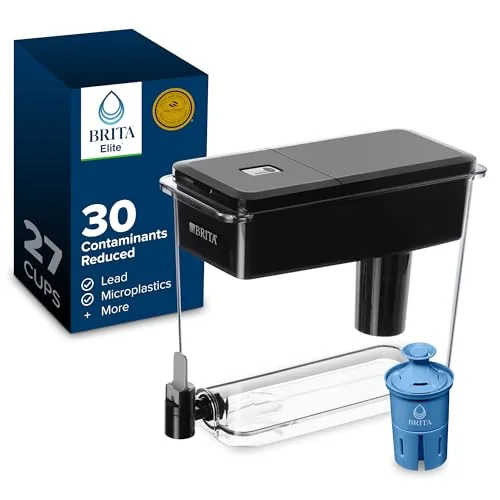
9 Best Water Filter Dispensers (2026 Review Guide)
Jun 27, 2026