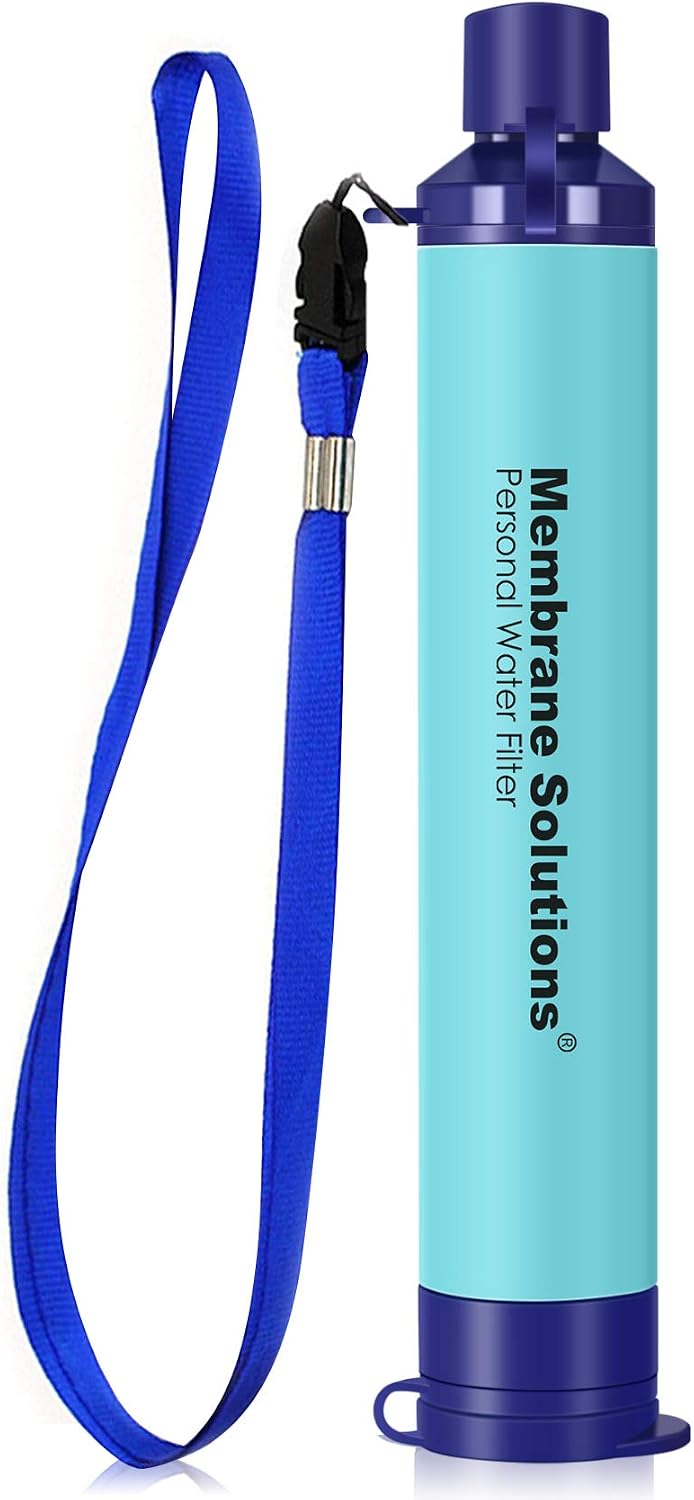
As low as $12
Built for travel, hiking & emergencies - drink safely whether the water is unsafe or just tastes off.
- NSF/ANSI 42, 372 & 401 certified, 0.1 micron filtration
- Filters up to 1,320 gallons - no batteries or pumping
- Ultralight - fits in any bag or pocket
- BPA-free, compatible with standard 28mm bottle threads
Tap water in Iraq is generally not safe for travelers to drink. Decades of conflict, aging infrastructure, and widespread contamination of water sources mean that most municipal water supplies do not meet international drinking water standards. Travelers should rely on bottled or purified water throughout their stay.
Quick Reference
| Concern | Our Advice | |
|---|---|---|
| Drink tap water? | ❌ | Use bottled or filtered water |
| Brush teeth? | ❌ | Use bottled or filtered water |
| Wash fruits / veg? | ❌ | Wash with filtered or bottled water |
| Use ice in drinks? | ❌ | Avoid unless confirmed purified |
| Shower safely? | ✅ | Yes |
| Filter bottle needed? | ❌ | Strongly recommend a Membrane Solutions Filter Straw for all travelers |
| Common risks | Bacterial contamination, Sewage infiltration, Heavy metals, Salinity, Turbidity, Chlorination byproducts, Waterborne parasites |

Key Statistics


Affiliate links — we earn a small commission at no extra cost to you.
Water Infrastructure & Supply
Iraq's water infrastructure was once among the most developed in the Middle East, with large-scale treatment plants built in the 1970s and 1980s during the country's oil boom. However, decades of war, including the Iran-Iraq War, the Gulf War, UN sanctions, and the 2003 invasion, severely degraded water treatment plants, pumping stations, and distribution networks. The subsequent conflict with ISIS from 2014 to 2017 destroyed or damaged additional infrastructure, particularly in Mosul, Ramadi, and other northern and western cities.
The current water supply system relies on surface water from the Tigris and Euphrates rivers, supplemented by groundwater. Treatment plants exist in major cities, but many operate below capacity or with outdated equipment. The distribution network suffers from extreme leakage rates estimated at around 60%, and low water pressure in pipes allows contamination to seep in from surrounding soil and broken sewage lines. Many neighborhoods receive water for only a few hours per day.
Reconstruction efforts are ongoing with support from the World Bank, UNICEF, and various international donors. The Iraqi government has prioritized water sector investment in its national development plans, including the Basra Water Supply and Sanitation Project funded by the World Bank. However, challenges remain enormous: upstream damming by Turkey and Iran has reduced water flows, climate change is intensifying droughts, and rapid urbanization is straining existing capacity beyond its limits.
Contamination & Health Risks
Contamination of Iraq's water supply is a well-documented public health concern. In Basra, a major water crisis in 2018 hospitalized over 100,000 people due to waterborne illnesses linked to high salinity, sewage contamination, and algal blooms in the Shatt al-Arab waterway. Testing across multiple Iraqi cities has found elevated levels of total dissolved solids, E. coli, coliform bacteria, and heavy metals including lead and chromium in tap water samples.
The primary pollution sources include untreated or partially treated sewage flowing directly into rivers, agricultural runoff carrying pesticides and fertilizers, industrial discharge from oil refineries and factories, and upstream water reduction that concentrates pollutants. In southern Iraq, increasing salinity from seawater intrusion into the Shatt al-Arab makes water nearly unusable without extensive desalination treatment. Groundwater sources in many areas also show contamination from improper waste disposal.
For travelers, the practical risks are significant. Drinking tap water, using it to brush teeth, consuming ice made from tap water, or eating unpeeled fruits and vegetables washed in tap water can lead to gastrointestinal illnesses including traveler's diarrhea, cholera, typhoid, and hepatitis A. Even in upscale hotels in Baghdad and Erbil, it is advisable to use only bottled or purified water for drinking and oral hygiene. Showering is generally safe as long as water is not swallowed.
Regional Water Quality Breakdown
Baghdad
avoidBaghdad's water infrastructure is aging and overtaxed by a population exceeding 8 million. While treatment plants exist, distribution network contamination and intermittent supply make tap water unsafe for drinking. Stick to bottled water exclusively.
Erbil (Kurdistan Region)
cautionErbil has invested more heavily in water infrastructure than much of Iraq, and water quality is somewhat better in newer developments and international hotels. However, tap water is still not recommended for drinking due to inconsistent treatment and aging pipes in older neighborhoods.
Basra
avoidBasra has experienced severe water quality crises, most notably in 2018 when mass hospitalizations occurred from contaminated water. High salinity from seawater intrusion, sewage contamination, and industrial pollution make Basra's tap water among the worst in Iraq. Bottled water is essential.
Sulaymaniyah (Kurdistan Region)
cautionSulaymaniyah benefits from mountainous water sources and relatively better infrastructure within the Kurdistan Region. Water quality is generally better than southern Iraq but still does not meet WHO standards for safe drinking water. Travelers should use bottled water.
Mosul
avoidMosul's water infrastructure suffered catastrophic damage during the ISIS occupation and subsequent liberation battles from 2014, 2017. Despite ongoing reconstruction, much of the network remains damaged or inadequately treated. Do not drink tap water.
Najaf and Karbala
avoidThese pilgrimage cities see millions of religious visitors annually but their water infrastructure struggles to meet demand, especially during religious seasons. Water quality is unreliable and travelers should use only bottled water, particularly during the Arbaeen pilgrimage when systems are further strained.
Practical Tips for Travelers
- Always drink bottled water and check that the seal is intact before opening. Counterfeit or refilled bottles occasionally appear, buy from reputable shops.
- To ask for bottled water in Arabic, say 'Mai mu'abba' ( ) or simply 'Mai' () and point to a sealed bottle. In Kurdish areas, you can say 'Awi shushayi' ( ).
- Carry a high-quality filter bottle with a built-in purifier (such as LifeStraw or Grayl) as a backup, especially when traveling to remote areas where bottled water may be less available. Strongly recommend the Membrane Solutions Filter Straw.
- Avoid ice in drinks unless you are at a high-end international hotel that confirms they use purified water for ice-making. Most local ice is made from tap water.
- Peel all fruits and vegetables or wash them with bottled or purified water before eating. Avoid raw salads at street food stalls.
- Use bottled water for brushing your teeth, even a small amount of contaminated water can cause gastrointestinal illness for travelers unaccustomed to local bacteria.
- During the extremely hot summer months (June, September), dehydration is a serious risk. Carry extra bottled water at all times and drink more than you think you need.
- If visiting during the Arbaeen pilgrimage in Karbala, be cautious with free water and food distributed along pilgrimage routes, stick to sealed bottled water when possible.
Bottled Water Availability & Cost
Bottled water is widely available throughout Iraq, sold in grocery stores, convenience shops, restaurants, and by street vendors. Popular local brands include Hayat, Masafi, Life, and Aquafina, with imported brands also available. A 1.5-liter bottle typically costs between 500, 1,000 Iraqi Dinars (approximately $0.35, $0.70 USD), while a 500ml bottle is around 250, 500 IQD ($0.17, $0.35 USD). In restaurants and hotels, prices may be marked up to 1,500, 3,000 IQD.
Buying water in bulk (cases of 12 or 24 bottles) from supermarkets is significantly more economical for extended stays, with a case of 1.5-liter bottles costing roughly 6,000, 10,000 IQD ($4, $7 USD). Large 18.9-liter refillable water jugs delivered to homes and offices are common and cost around 1,000, 2,000 IQD per jug. Travelers concerned about plastic waste should consider a high-quality filter bottle with activated carbon or UV purification as a sustainable alternative, though bottled water remains the most reliable and convenient option.
Frequently Asked Questions
Can I brush my teeth with tap water in Iraq?
No, it is not recommended. Tap water in Iraq may contain bacteria, heavy metals, and other contaminants that can cause illness even in small amounts. Use bottled or purified water for brushing your teeth.
Is it safe to shower in Iraqi tap water?
Yes, showering is generally safe as long as you keep your mouth closed and avoid swallowing any water. If you have sensitive skin, you may notice some irritation due to high mineral content or chlorination in certain areas.
Can I drink ice in restaurants in Iraq?
It is best to avoid ice in drinks throughout Iraq, as most ice is made from tap water that has not been adequately purified. In high-end international hotels, you may ask the staff whether they use purified water for ice, but when in doubt, skip the ice.
Is tap water in the Kurdistan Region safer than the rest of Iraq?
Water quality in the Kurdistan Region (Erbil, Sulaymaniyah, Duhok) is generally somewhat better due to mountainous water sources and greater infrastructure investment. However, it still does not meet international drinking water standards, and travelers should use bottled water.
How much does bottled water cost in Iraq?
A 1.5-liter bottle of water typically costs 500, 1,000 Iraqi Dinars ($0.35, $0.70 USD) in shops. Prices are slightly higher in restaurants and hotels. Buying in bulk from supermarkets is the most economical option for extended stays.
Is water provided at restaurants in Iraq safe to drink?
Most restaurants serve bottled water, which is safe. However, some local eateries may serve tap water or filtered water of uncertain quality. Always ask for sealed bottled water and check the seal before drinking.
What waterborne diseases should I be concerned about in Iraq?
The main waterborne illness risks include traveler's diarrhea, cholera (sporadic outbreaks occur), typhoid fever, and hepatitis A. Ensure your routine and travel vaccinations are up to date, including hepatitis A, and carry oral rehydration salts as a precaution.
Can I use a water filter bottle instead of buying bottled water in Iraq?
A high-quality water filter bottle with microbial purification (such as Grayl GeoPress or LifeStraw) can be effective for removing bacteria and parasites. However, it may not remove all heavy metals or chemical contaminants found in some Iraqi water sources, so bottled water remains the safest primary option.
Traveling Nearby?
Check tap water safety in neighboring countries:
Iran Jordan Saudi Arabia Syria TurkeyInteresting Product Reviews
9 Best Pump Water Filters For Backpacking (2026 Review Guide)
Jul 13, 2026
8 Best Waterproof Phone Pouches (2026 Review Guide)
Aug 23, 2026
9 Best Pfas Test Kits (2026 Review Guide)
Aug 16, 2026
6 Best Water Coolers For Home (2026 Review Guide)
Aug 10, 2026
9 Best Water Softeners For Hard Water (2026 Review Guide)
Jul 8, 2026