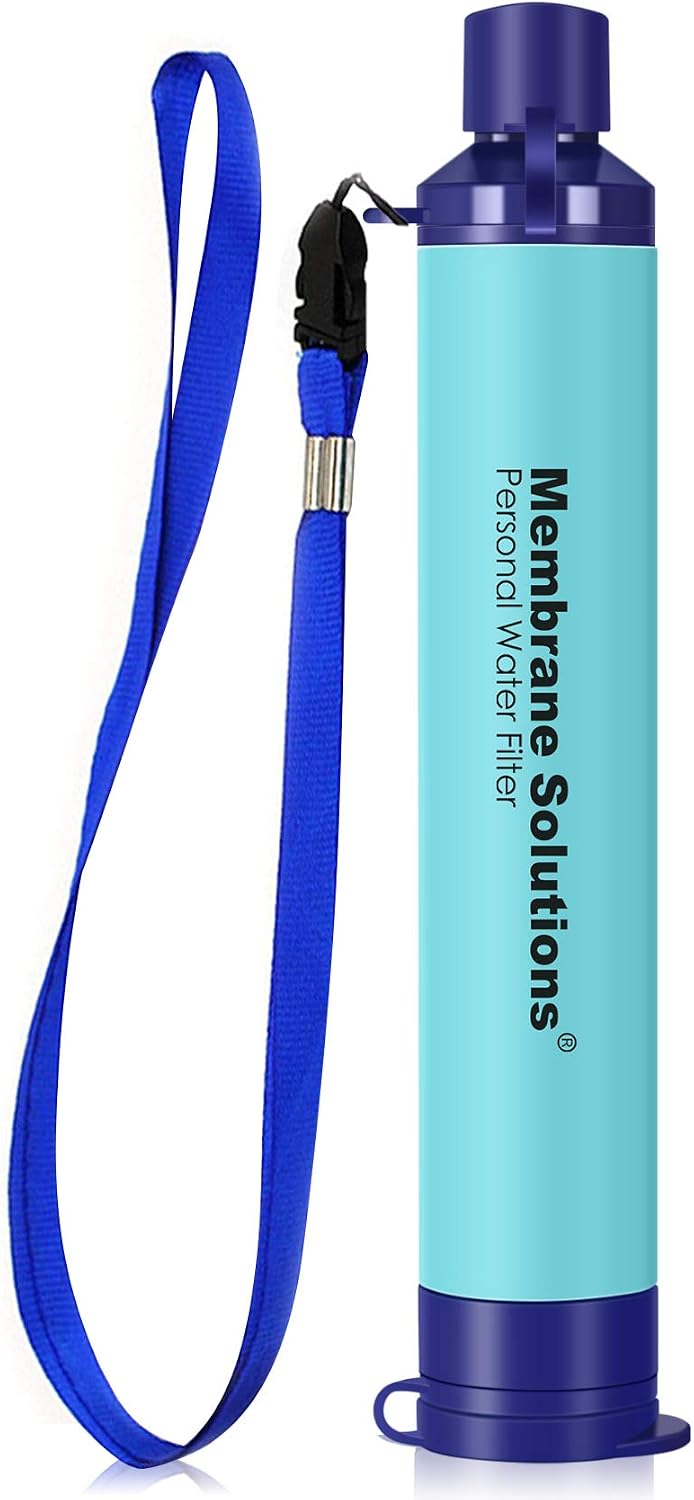
As low as $12
Built for travel, hiking & emergencies - drink safely whether the water is unsafe or just tastes off.
- NSF/ANSI 42, 372 & 401 certified, 0.1 micron filtration
- Filters up to 1,320 gallons - no batteries or pumping
- Ultralight - fits in any bag or pocket
- BPA-free, compatible with standard 28mm bottle threads
Tap water in Nicaragua is generally not considered safe for travelers to drink without treatment. While major cities like Managua have chlorinated municipal water systems, infrastructure inconsistencies, aging pipes, and contamination risks make bottled or purified water the recommended choice for visitors. Rural areas face significantly greater challenges with water quality and access.
Quick Reference
| Concern | Our Advice | |
|---|---|---|
| Drink tap water? | ❌ | Use bottled or filtered water |
| Brush teeth? | ❌ | Use bottled or filtered water |
| Wash fruits / veg? | ❌ | Wash with filtered or bottled water |
| Use ice in drinks? | ❌ | Avoid unless confirmed purified |
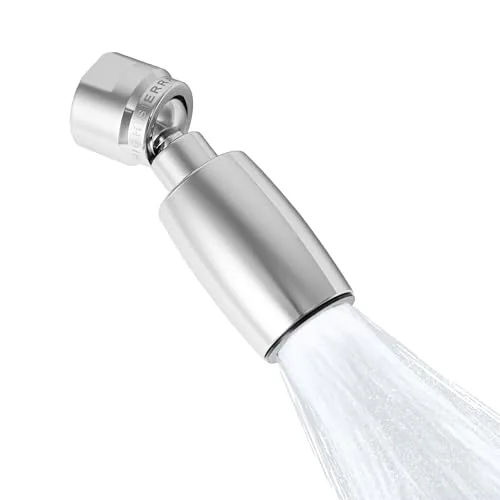
| Shower safely? | ✅ | Yes |
| Filter bottle needed? | ❌ | Strongly recommend a Membrane Solutions Filter Straw for all travelers |
| Common risks | Bacterial contamination, Parasitic infections, Pesticide runoff, Heavy metals, E. coli, Giardia, Inadequate chlorination |

Key Statistics


Affiliate links — we earn a small commission at no extra cost to you.
Water Infrastructure & Supply
Nicaragua's water infrastructure is managed primarily by ENACAL (Empresa Nicaragense de Acueductos y Alcantarillados), the national water and sewerage utility established in 1979. The system has undergone significant development since the 1990s with support from international donors including the Inter-American Development Bank and the World Bank. However, decades of underinvestment and natural disasters, including Hurricane Mitch in 1998, have left lasting damage to the country's water networks.
In urban areas, ENACAL operates water treatment plants that use conventional treatment methods including coagulation, sedimentation, filtration, and chlorine disinfection. Managua's water supply is sourced primarily from the Managua aquifer and Lake Asososca, with treatment facilities designed to meet national drinking water standards. However, aging distribution pipes, intermittent service, and pressure drops create opportunities for contamination to enter the system between the treatment plant and the tap.
Rural water systems are often managed by community-based organizations called Comits de Agua Potable y Saneamiento (CAPS), which maintain small-scale water systems with limited technical capacity. The Nicaraguan government, with support from UNICEF and other international partners, has invested in expanding rural water access through well drilling, spring capture systems, and small community treatment facilities. Projects such as the Rural Water and Sanitation Program (PRASNICA) have aimed to improve coverage, but maintenance challenges and funding gaps persist.
Contamination & Health Risks
The primary health risks from tap water in Nicaragua include bacterial contamination (E. coli, Salmonella), parasitic organisms (Giardia lamblia, Cryptosporidium), and viral pathogens. Studies by the Nicaraguan Ministry of Health (MINSA) have found that a significant percentage of water samples from distribution systems, particularly in smaller towns and rural areas, fail to meet national bacteriological standards. Agricultural runoff introduces pesticides and nitrates into water sources, particularly near cotton, sugarcane, and coffee farming regions.
Lake Managua (Xolotln) and other surface water bodies suffer from decades of industrial and domestic pollution, including heavy metals and untreated sewage. Volcanic geology in western Nicaragua can also introduce naturally occurring arsenic and fluoride into groundwater sources. During the rainy season (May to November), flooding can overwhelm drainage systems and contaminate water supplies, increasing the risk of waterborne disease outbreaks including cholera and leptospirosis.
For travelers, the most common water-related illness is traveler's diarrhea caused by unfamiliar bacterial strains. The CDC recommends that visitors to Nicaragua avoid drinking tap water and use bottled, boiled, or filtered water for drinking and brushing teeth. Ice in drinks at street vendors and small establishments may be made from untreated tap water, though upscale hotels and restaurants typically use purified water for ice production. Raw fruits and vegetables washed in tap water can also pose a risk.
Regional Water Quality Breakdown
Managua
cautionManagua has the most developed water infrastructure in Nicaragua, with chlorinated water from the national utility ENACAL. However, aging pipes, intermittent supply, and pressure fluctuations mean contamination can occur in the distribution system. Travelers should still use bottled or filtered water for drinking.
Granada
cautionGranada is a popular tourist destination with municipal water service, but the system faces challenges with aging colonial-era infrastructure. Many hotels and restaurants use purified water for cooking and ice. Travelers should avoid drinking directly from the tap.
Len
cautionLen has municipal water treatment but faces periodic supply interruptions and quality inconsistencies. The city's proximity to agricultural areas raises concerns about pesticide contamination in groundwater sources. Bottled or filtered water is recommended.
San Juan del Sur
cautionThis Pacific coast beach town experiences water shortages, particularly during the dry season, which can affect water quality and pressure. Tourist establishments generally provide purified water, but tap water should not be consumed directly.
Ometepe Island
avoidWater infrastructure on Ometepe Island is limited, with many areas relying on untreated well water or small community systems. Water quality is inconsistent and travelers should rely exclusively on bottled or treated water. Some eco-lodges offer filtered water to guests.
Caribbean Coast (Bluefields, Corn Islands)
avoidThe Caribbean coast has the least developed water infrastructure in Nicaragua, with many communities lacking piped water systems entirely. Rainwater collection and untreated wells are common water sources. Travelers should bring sufficient bottled water or reliable filtration equipment.
Practical Tips for Travelers
- Always drink bottled or purified water , ask for 'agua purificada' at restaurants and hotels to ensure you receive treated water rather than tap water.
- Carry a portable water filter bottle (such as LifeStraw or Grayl) as a reliable backup, especially when traveling to rural areas or islands where bottled water may be scarce. Strongly recommend the Membrane Solutions Filter Straw.
- When ordering drinks, ask 'El hielo es de agua purificada?' (Is the ice made from purified water?) , upscale restaurants typically use purified ice, but street vendors and smaller establishments may not.
- Peel fruits yourself rather than eating pre-cut fruit from street vendors, as these are often rinsed with tap water that may be contaminated.
- Use bottled water for brushing your teeth, especially outside of Managua, to avoid ingesting potentially contaminated water from the tap.
- During the rainy season (May, November), be extra cautious with water sources as flooding and runoff significantly increase contamination risks in both urban and rural systems.
- Buy large garrafones (5-gallon jugs) of purified water from supermarkets like La Colonia or Pali if staying in one place for multiple days , it's much cheaper and produces less plastic waste than small bottles.
- If you must use tap water in an emergency, bring it to a rolling boil for at least one minute (or three minutes at elevations above 2,000 meters) to kill pathogens before drinking.
Bottled Water Availability & Cost
Bottled water is widely available throughout Nicaragua at convenience stores, supermarkets, gas stations, and street vendors. Popular local brands include Fuente Pura, Alpina, and Agua Cristal. A 500ml bottle typically costs between C$10-20 crdobas (approximately $0.25-$0.55 USD), while a 1.5-liter bottle ranges from C$20-35 crdobas ($0.55-$1.00 USD). In tourist areas like Granada, San Juan del Sur, and Len, prices may be slightly higher, especially at restaurants where a bottle can cost C$30-60 ($0.80-$1.65 USD).
For longer stays, purchasing 5-gallon (18.9-liter) garrafones of purified water from delivery services or supermarkets is the most economical option, typically costing C$35-60 crdobas ($1.00-$1.65 USD). Many hotels, hostels, and guesthouses provide filtered or purified water dispensers for guests. Travelers concerned about plastic waste should consider bringing a reusable water bottle with a built-in filter such as a LifeStraw or Grayl, which can safely treat tap water and reduce the need for single-use plastic bottles.
Frequently Asked Questions
Can I brush my teeth with tap water in Nicaragua?
It's best to use bottled or purified water for brushing teeth, especially outside major cities. While brief exposure to treated municipal water in Managua may not cause illness for everyone, inconsistent chlorination and pipe contamination make it risky. Using purified water for oral hygiene is a simple precaution that can prevent traveler's diarrhea.
Is it safe to shower in Nicaraguan tap water?
Yes, showering and bathing in tap water is generally safe throughout Nicaragua. The risk from waterborne pathogens comes primarily from ingestion, not skin contact. Just be careful to avoid swallowing any water while showering, and keep your mouth closed.
Is ice safe in drinks at restaurants in Nicaragua?
At upscale restaurants, hotels, and tourist-oriented establishments, ice is usually made from purified water and is safe. However, at street vendors, local comedores (small eateries), and bars in smaller towns, ice may be made from untreated tap water. When in doubt, ask or order drinks without ice ('sin hielo').
Do restaurants in Nicaragua serve safe drinking water?
Most restaurants in tourist areas serve bottled or purified water, which will be sealed when brought to your table. If a restaurant brings you a glass of water without a sealed bottle, it may be tap water , politely ask for 'agua embotellada' (bottled water). Some higher-end restaurants have their own filtration systems.
How much does bottled water cost in Nicaragua?
Bottled water is very affordable in Nicaragua. A 500ml bottle costs about $0.25-$0.55 USD at shops, while a 1.5-liter bottle runs $0.55-$1.00 USD. In tourist restaurants, expect to pay $0.80-$1.65 USD. Large 5-gallon jugs for accommodation use cost around $1.00-$1.65 USD from supermarkets.
Can I drink tap water in Managua?
Even in Managua, where the water infrastructure is most developed, tap water is not recommended for travelers. While ENACAL treats the water with chlorine, aging distribution pipes, intermittent pressure, and potential cross-contamination mean the water arriving at your tap may not meet safety standards. Stick to bottled or filtered water.
Is it safe to eat street food in Nicaragua?
Street food is a wonderful part of Nicaraguan culture, but exercise caution with water-related items. Avoid raw salads, unpeeled fruits, and drinks with ice from street vendors. Cooked foods served hot are generally safer. Fritanga (grilled meats and plantains) and other thoroughly cooked dishes are usually fine.
What waterborne diseases should I be aware of in Nicaragua?
The most common risk is traveler's diarrhea from bacteria like E. coli. More serious but less common risks include Giardia, Cryptosporidium, hepatitis A, and typhoid fever. Ensure you're up to date on hepatitis A vaccination before traveling. During the rainy season, leptospirosis risk increases in flooded areas. Using purified water and practicing good hygiene greatly reduces all of these risks.
Interesting Product Reviews
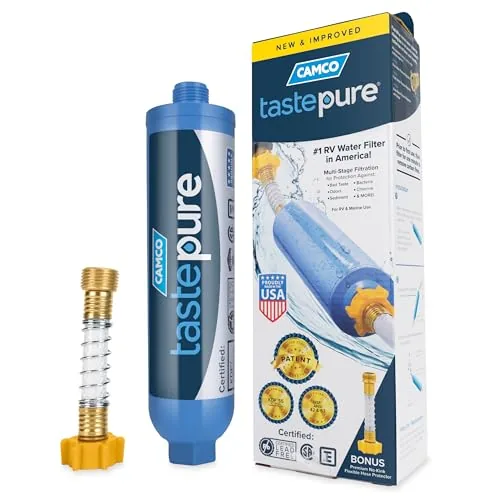
8 Best Water Filters For Rv Living (2026 Review Guide)
Jul 28, 2026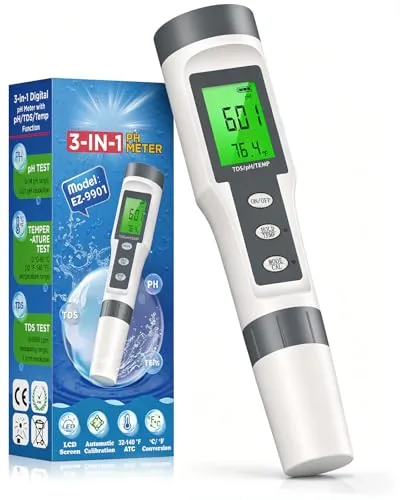
9 Best Ph Meters For Drinking Water (2026 Review Guide)
Aug 4, 2026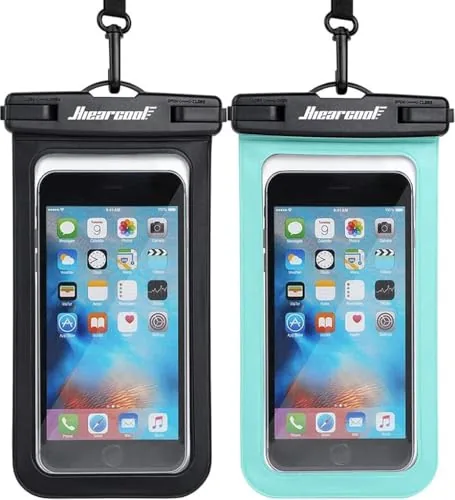
8 Best Waterproof Phone Pouches (2026 Review Guide)
Aug 23, 2026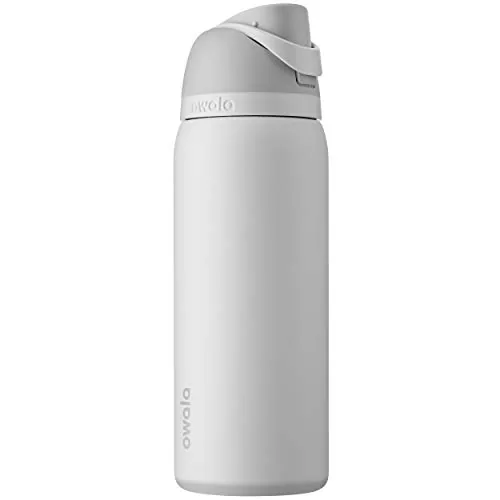
8 Best Stainless Steel Water Bottles (2026 Review Guide)
Aug 6, 2026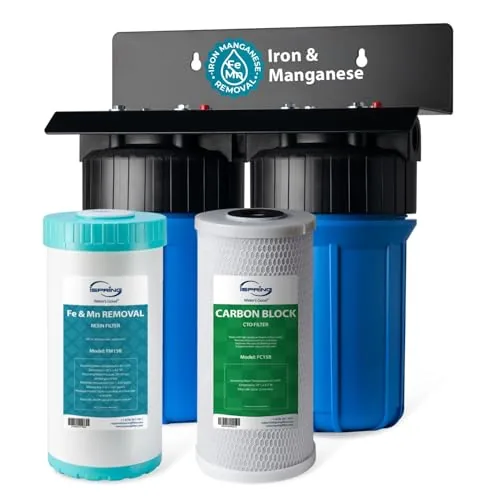
7 Best Water Filters For Iron In Well Water (2026 Review Guide)
Aug 1, 2026