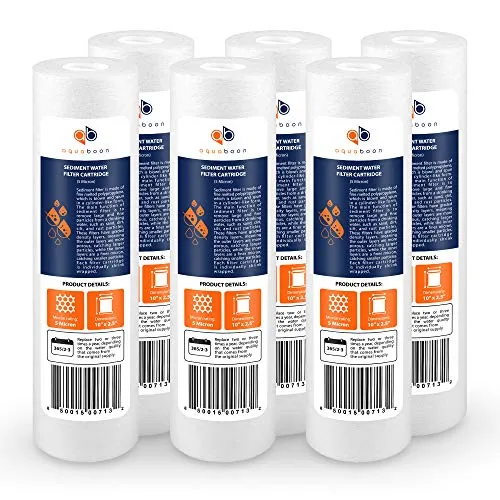
As low as $12
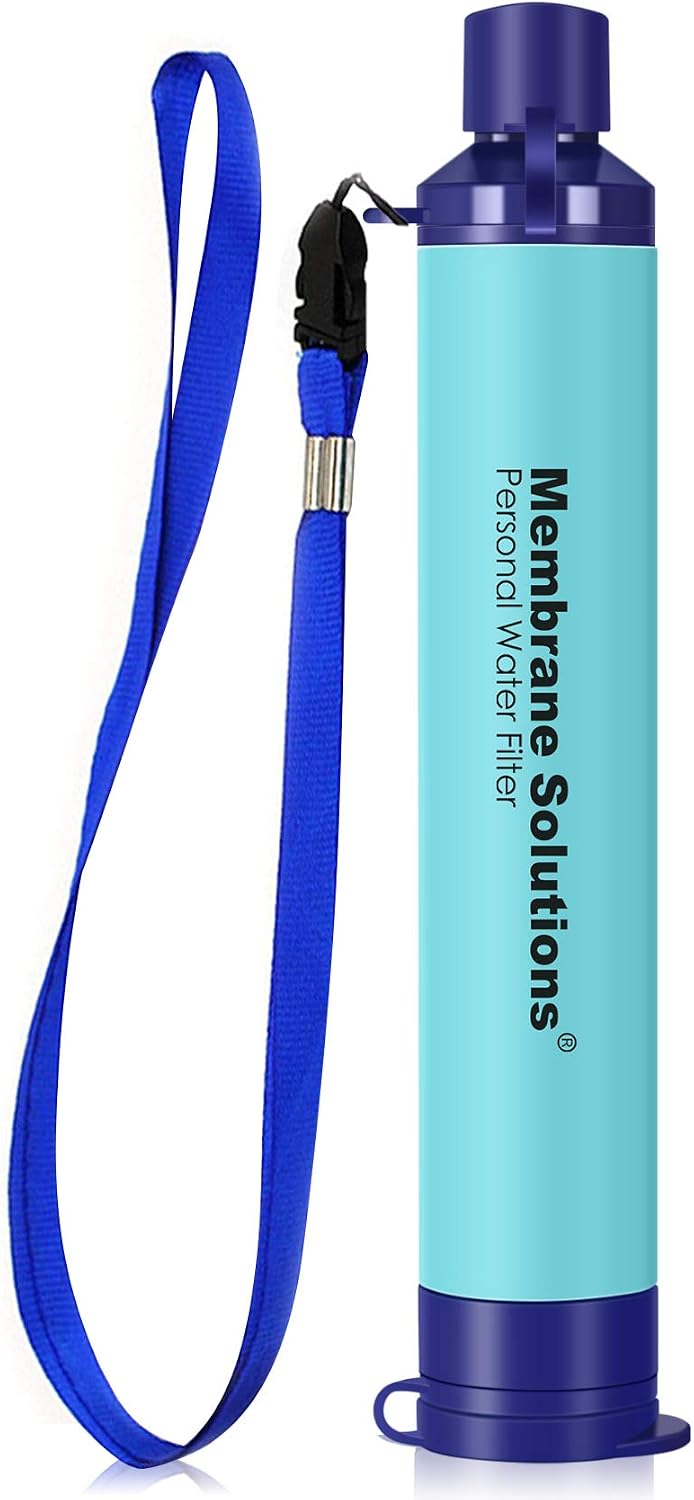
Built for travel, hiking & emergencies - drink safely whether the water is unsafe or just tastes off.
- NSF/ANSI 42, 372 & 401 certified, 0.1 micron filtration
- Filters up to 1,320 gallons - no batteries or pumping
- Ultralight - fits in any bag or pocket
- BPA-free, compatible with standard 28mm bottle threads
Tap water in Guyana is generally not considered safe for travelers to drink without treatment. While urban areas like Georgetown have a piped water supply, inconsistent treatment, aging infrastructure, and frequent contamination issues mean that most visitors should rely on bottled or filtered water. Rural and hinterland communities face even greater challenges with water quality and access.
Quick Reference
| Concern | Our Advice | |
|---|---|---|
| Drink tap water? | ❌ | Use bottled or filtered water |
| Brush teeth? | ❌ | Use bottled or filtered water |
| Wash fruits / veg? | ❌ | Wash with filtered or bottled water |
| Use ice in drinks? | ❌ | Avoid unless confirmed purified |
| Shower safely? | ✅ | Yes |
| Filter bottle needed? | ❌ | Strongly recommend a Membrane Solutions Filter Straw for all travelers |
| Common risks | Bacterial contamination, E. coli, Sediment and turbidity, Inadequate chlorination, Agricultural runoff, Heavy metals from mining activities |

Key Statistics


Affiliate links — we earn a small commission at no extra cost to you.
Water Infrastructure & Supply
Guyana's water supply is managed primarily by the Guyana Water Inc. (GWI), the state-owned utility responsible for water treatment and distribution across the country's coastal and urban areas. The infrastructure dates back to the colonial era and has suffered from decades of underinvestment, resulting in leaky pipes, low pressure, and intermittent service. Approximately half to sixty percent of treated water is lost through leaks and illegal connections before it reaches consumers.
Water treatment in Georgetown and other coastal towns relies on a combination of groundwater wells and surface water sources. Treatment typically includes aeration, sedimentation, and chlorination, but the process is not always consistent, and many consumers report discolored or foul-tasting water at the tap. In hinterland and riverine communities, water often comes from untreated surface sources such as rivers and creeks, which are vulnerable to contamination from mining operations.
The government has undertaken several improvement projects with support from the Inter-American Development Bank (IDB) and the Caribbean Development Bank (CDB). These projects aim to rehabilitate distribution networks, reduce non-revenue water losses, improve treatment capacity, and extend piped water access to underserved communities. A major ongoing initiative is the Georgetown Water Supply and Sewerage Improvement Programme, which seeks to modernize the capital's aging water and wastewater systems.
Contamination & Health Risks
The primary health risk from Guyana's tap water is microbial contamination. Studies and GWI testing have periodically detected E. coli and coliform bacteria in the distribution system, particularly in areas with low pressure where back-siphonage can introduce contaminants from surrounding soil. Inconsistent chlorination means that residual disinfectant levels at the tap may be insufficient to ensure safety, especially at the ends of distribution lines.
Mining, particularly artisanal and small-scale gold mining, is a major source of water pollution in Guyana's interior regions. Mercury used in gold extraction leaches into rivers and groundwater, posing a serious risk to communities that rely on these sources. Agricultural chemicals and inadequate sewage disposal in coastal areas add further contamination risks, including nitrates and pesticide residues.
For travelers, the most common waterborne illnesses are gastroenteritis, diarrhea, and occasionally more serious infections such as typhoid. Visitors are advised to avoid drinking unboiled or unfiltered tap water, avoid ice in drinks unless confirmed to be made from purified water, and peel or wash fruits and vegetables with safe water. Showering is generally safe, but be careful not to swallow water during bathing.
Regional Water Quality Breakdown
Georgetown
cautionThe capital has the most developed water infrastructure, but aging pipes, frequent low pressure, and inconsistent chlorination mean tap water quality can vary block by block. Travelers should stick to bottled or filtered water.
Linden
cautionGuyana's second-largest town has a piped supply but faces similar infrastructure challenges to Georgetown. Water treatment is operational but not always reliable, and bauxite mining historically impacted local water sources.
Bartica
avoidA gateway to the mining interior, Bartica's water supply is affected by mining runoff and mercury contamination in nearby rivers. Travelers should use only bottled or thoroughly filtered water.
Lethem
avoidLocated on the Brazilian border in the Rupununi savannah, Lethem has limited water treatment infrastructure. Groundwater quality varies and the supply is unreliable. Bottled water or personal filtration is essential.
New Amsterdam
cautionThe capital of Berbice has a GWI-operated supply system, but intermittent service and aging pipes reduce water quality at the tap. Boiling or filtering before consumption is advisable.
Kaieteur & Interior Regions
avoidRemote hinterland areas, including communities near Kaieteur Falls, typically rely on untreated river or rainwater. Mercury contamination from gold mining is a serious concern. Travelers must bring their own water purification.
Practical Tips for Travelers
- Always drink bottled or filtered water. Tap water in Guyana is not reliably treated and should not be consumed directly by travelers.
- Bring a filter water bottle such as a LifeStraw Go or Grayl GeoPress, especially if traveling to interior or mining regions where bottled water may be scarce.
- Avoid ice in drinks unless you're at a well-known hotel or restaurant that confirms they use purified water for their ice. Ask: 'Is the ice made from filtered water?'
- Wash and peel all fresh fruits and vegetables with purified water before eating. Street-vendor salads and cut fruit should be approached with caution.
- In Creolese (Guyanese Creole), you can ask for safe water by saying 'Yuh got bottle wata?' at shops and restaurants to request sealed bottled water.
- If visiting the interior or hinterland communities, pack water purification tablets (chlorine dioxide or iodine) as a reliable backup to your filter bottle. Strongly recommend the Membrane Solutions Filter Straw.
- Look for the GWI seal or check with your hotel about whether on-site water filtration or boiling is provided before relying on tap water for any consumption.
- Coconut water, sold fresh by street vendors, is a safe, naturally sealed hydration alternative and is widely available throughout coastal Guyana.
Bottled Water Availability & Cost
Bottled water is widely available throughout Guyana's urban areas, including in supermarkets, gas stations, street vendors, and restaurants. A standard 500 ml bottle typically costs GYD 100, 200 (approximately USD 0.50, 1.00), while a 1.5-liter bottle ranges from GYD 200, 400 (USD 1.00, 2.00). Popular local brands include Banks DIH purified water and Diamond Mineral Water, while international brands are available at higher prices in upscale shops and hotels.
For longer stays, purchasing water in larger 5-gallon (18.9-liter) refillable jugs is common and much more economical, typically costing GYD 500, 800 (USD 2.50, 4.00) per refill. Many guesthouses and hotels provide filtered or boiled water for guests. Travelers concerned about plastic waste should consider bringing a high-quality filter water bottle, such as a LifeStraw or Grayl, which can reliably purify tap water and reduce reliance on single-use plastic bottles.
Frequently Asked Questions
Can I brush my teeth with tap water in Guyana?
It is not recommended. The inconsistent water treatment and aging pipe infrastructure mean that even small amounts of tap water could introduce harmful bacteria. Use bottled or filtered water for brushing teeth.
Is it safe to shower in Guyana's tap water?
Yes, showering with tap water is generally safe as long as you avoid swallowing any water. Keep your mouth closed and be cautious with young children during bath time.
Can I drink ice in my drinks at restaurants in Georgetown?
Be cautious. Upscale hotels and established restaurants in Georgetown often use purified water for ice, but smaller establishments and street vendors may use tap water. When in doubt, ask the staff or skip the ice.
How much does bottled water cost in Guyana?
A 500 ml bottle of water typically costs GYD 100, 200 (about USD 0.50, 1.00). Larger 1.5-liter bottles run GYD 200, 400 (USD 1.00, 2.00). Buying 5-gallon refillable jugs is the most economical option for longer stays.
Is the water safe in Guyana's interior and mining regions?
No. Water in interior and mining regions is often untreated and may be contaminated with mercury from gold mining operations, bacteria, and sediment. Always bring your own purification system when traveling to these areas.
Do hotels in Guyana provide safe drinking water?
Many mid-range and upscale hotels provide complimentary bottled water or have on-site filtration systems. Budget guesthouses may not, so it's wise to confirm with your accommodation and carry your own purification as a backup.
Can I use a Brita filter for Guyana's tap water?
Standard Brita filters primarily improve taste by reducing chlorine and sediment, but they do not remove bacteria or parasites. For Guyana, you need a filter rated for microbial purification, such as a LifeStraw, Sawyer, or Grayl filter.
Is Guyana's water quality improving?
Yes, the government and international partners like the IDB and CDB are investing in water infrastructure upgrades, including new treatment plants, pipe replacements, and expanded rural access. However, as of 2026, significant challenges remain and travelers should continue to treat tap water before drinking.
Interesting Product Reviews
9 Best Nugget Ice Makers (2026 Review Guide)
Aug 10, 2026
7 Best Shower Filters For Chlorine (2026 Review Guide)
Jul 27, 2026
9 Best Tankless Reverse Osmosis Systems (2026 Review Guide)
Jun 30, 2026
8 Best Water Filters For Rv Living (2026 Review Guide)
Jul 28, 2026
7 Best Glass Water Bottles (2026 Review Guide)
Aug 6, 2026