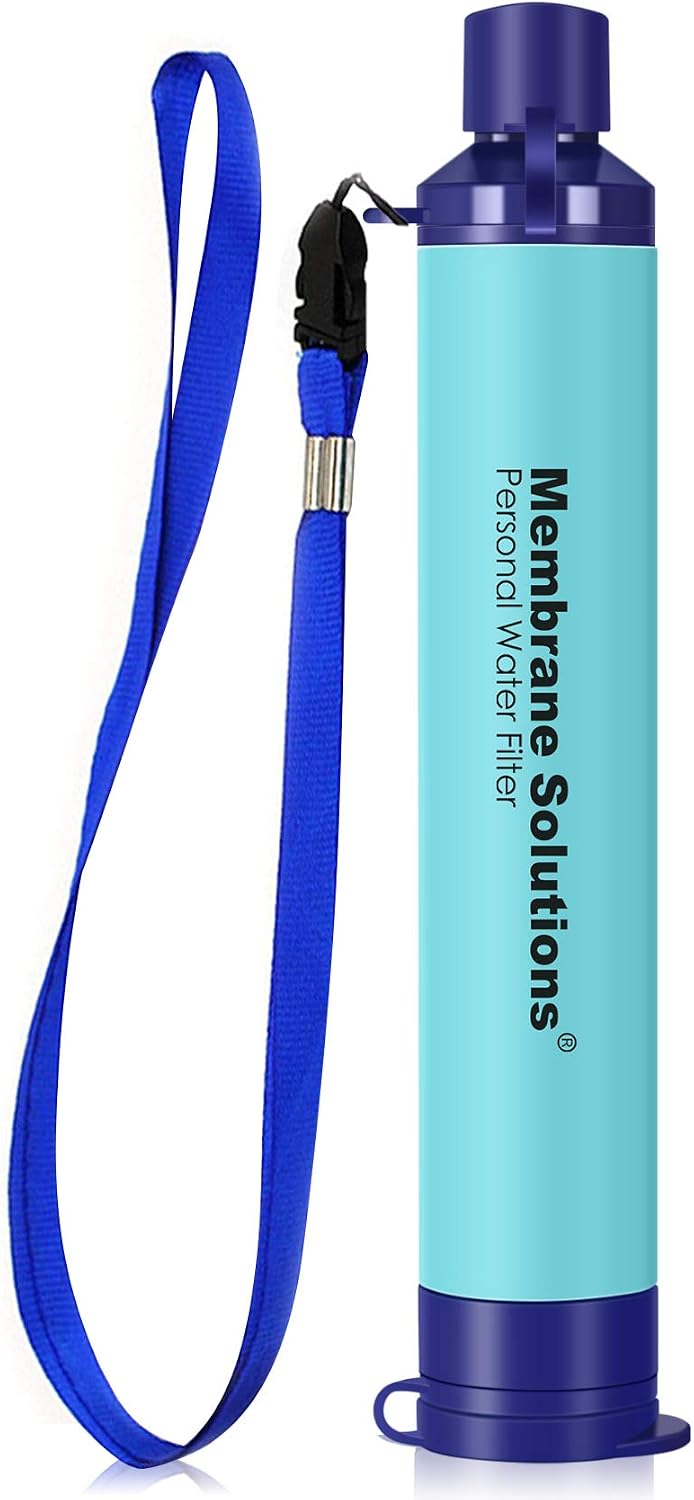
As low as $12
Built for travel, hiking & emergencies - drink safely whether the water is unsafe or just tastes off.
- NSF/ANSI 42, 372 & 401 certified, 0.1 micron filtration
- Filters up to 1,320 gallons - no batteries or pumping
- Ultralight - fits in any bag or pocket
- BPA-free, compatible with standard 28mm bottle threads
Tap water in Ghana is generally not safe for travelers to drink without treatment. While urban water treatment plants in cities like Accra exist, inconsistent supply, aging infrastructure, and contamination risks make bottled or filtered water the recommended choice. Rural areas face even greater challenges with limited access to safely managed drinking water.
Quick Reference
| Concern | Our Advice | |
|---|---|---|
| Drink tap water? | ❌ | Use bottled or filtered water |
| Brush teeth? | ❌ | Use bottled or filtered water |
| Wash fruits / veg? | ❌ | Wash with filtered or bottled water |
| Use ice in drinks? | ❌ | Avoid unless confirmed purified |
| Shower safely? | ✅ | Yes |
| Filter bottle needed? | ❌ | Strongly recommend a Membrane Solutions Filter Straw for all travelers |
| Common risks | Bacterial contamination, E. coli, Parasites, Heavy metals, Turbidity, Intermittent water supply causing recontamination, Pesticide runoff |

Key Statistics


Affiliate links — we earn a small commission at no extra cost to you.
Water Infrastructure & Supply
Ghana's urban water supply is primarily managed by the Ghana Water Company Limited (GWCL), which operates treatment plants in major cities including Accra, Kumasi, and Tamale. The system relies on surface water from rivers and reservoirs, notably the Weija and Kpong treatment plants serving Greater Accra. Infrastructure dates back to the colonial era, with many pipes and treatment facilities aging beyond their intended service life.
Water treatment typically involves coagulation, sedimentation, filtration, and chlorination, but the effectiveness is undermined by intermittent supply , many areas receive water only a few hours per day or a few days per week. This intermittent supply leads to low pressure in pipes, allowing contaminated groundwater to seep into the distribution network. Many households rely on supplementary storage tanks and sachet water ("pure water" bags) for daily consumption.
The government, with support from the World Bank and other international partners, has been investing in infrastructure upgrades through programs like the Greater Accra Metropolitan Area (GAMA) Sanitation and Water Project and the Sustainable Rural Water and Sanitation Project. These initiatives aim to expand coverage, reduce non-revenue water losses (estimated at over 50%), and improve service reliability. Despite progress, significant gaps remain, particularly in peri-urban and rural areas where boreholes and hand-dug wells are the primary water sources.
Contamination & Health Risks
The main health risks from Ghana's tap water include bacterial contamination (E. coli, Salmonella), protozoan parasites (Giardia, Cryptosporidium), and in some areas elevated levels of heavy metals including lead, arsenic, and manganese , particularly near mining regions. Studies have detected fecal coliform bacteria in treated water samples from distribution networks in Accra and Kumasi, indicating post-treatment contamination during distribution.
Key pollution sources include inadequate sanitation infrastructure (open defecation remains an issue in some areas), illegal small-scale gold mining (galamsey) that contaminates rivers with mercury and other heavy metals, agricultural runoff carrying pesticides and fertilizers, and industrial discharge into water bodies. The Volta River basin and the Pra River have been particularly affected by galamsey activities, with visible water discoloration and elevated chemical contamination levels.
For travelers, the practical risks are significant. Consuming untreated tap water can lead to traveler's diarrhea, typhoid, cholera (outbreaks occur periodically), and other waterborne illnesses. Even in upscale hotels in Accra, tap water should not be consumed directly. Travelers should use bottled water, sachet water from reputable brands, or water treated with a reliable filter or purification method for all drinking and food preparation purposes.
Regional Water Quality Breakdown
Accra (Greater Accra Region)
cautionAccra has the most developed water infrastructure in Ghana, served by the Kpong and Weija treatment plants. However, intermittent supply, aging pipes, and recontamination in the distribution network make tap water unsafe for direct consumption. Most residents and visitors rely on sachet or bottled water.
Kumasi (Ashanti Region)
cautionKumasi is served by the Barekese and Owabi treatment plants, but water supply is highly intermittent and distribution infrastructure is deteriorating. Illegal mining activities upstream have raised concerns about heavy metal contamination. Travelers should avoid tap water entirely.
Tamale (Northern Region)
avoidTamale faces severe water scarcity with limited treatment capacity. The Dalun treatment plant often cannot meet demand, leading to heavy reliance on boreholes and untreated surface water. Water quality is inconsistent and bacterial contamination risk is high.
Cape Coast / Elmina (Central Region)
cautionPopular with tourists visiting the historic castles, Cape Coast has piped water service but supply is unreliable. Hotels in tourist areas typically provide bottled water. Local tap water should not be consumed without treatment.
Volta Region (Ho, Hohoe)
avoidMuch of the Volta Region relies on community water systems, boreholes, and surface water sources with limited treatment. Rural communities often have minimal water quality monitoring. Fluoride levels are naturally elevated in some groundwater sources in the region.
Western Region (Takoradi / Mining Areas)
avoidThe Western Region, particularly areas near Tarkwa and Prestea, is heavily impacted by both legal and illegal gold mining activities. Rivers serving as water sources contain elevated levels of mercury, arsenic, and other heavy metals. Travelers should exclusively use sealed bottled water in this area.
Practical Tips for Travelers
- Always drink sealed bottled water or reputable sachet water ('pure water'). Check that seals are intact before consuming, as some vendors refill bottles with untreated water.
- Bring a filter bottle with activated carbon and UV purification capability , brands like LifeStraw, Grayl, or Sawyer are highly effective against Ghana's common waterborne contaminants. Strongly recommend the Membrane Solutions Filter Straw.
- When ordering water in local restaurants, ask for 'bottled water' or 'mineral water.' In Twi (the most widely spoken local language), you can say 'Me p nsuo a watwa mu' (I want sealed/packaged water).
- Avoid ice in drinks unless you are at an upscale international hotel or restaurant that makes ice from purified water. Most local ice is made from untreated tap water.
- Peel all fruits and vegetables or wash them thoroughly with purified water before eating. Street-side cut fruit may have been rinsed with tap water.
- For brushing teeth, use bottled or filtered water rather than tap water, especially outside of major hotels in Accra.
- If you experience persistent diarrhea lasting more than 48 hours, seek medical attention promptly. Carry oral rehydration salts (ORS) , locally available and often called 'ORS' or by the brand name 'Pedialyte' in pharmacies.
- When traveling to rural areas or the northern regions, carry extra water supplies as access points may be limited and quality is unreliable. Plan for at least 3 liters per person per day.
Bottled Water Availability & Cost
Bottled water is widely available throughout Ghana. A 500ml bottle of water typically costs between GHS 3, 7 (approximately $0.25, $0.55 USD) in shops, while restaurants and hotels may charge GHS 8, 20 ($0.65, $1.60 USD). Popular brands include Voltic (owned by Coca-Cola), SBC, Bel-Aqua, and Everpure. Sachet water ("pure water"), sold in 500ml plastic bags, is extremely popular and costs just GHS 0.50, 1.00 ($0.04, $0.08 USD) per sachet, making it the most affordable option.
For longer stays, purchasing 5-liter or 18.9-liter (5-gallon) dispensing bottles is more economical, typically costing GHS 15, 25 ($1.20, $2.00 USD) for a 5-liter bottle and GHS 25, 50 ($2.00, $4.00 USD) for refills of the larger bottles. Be aware that not all sachet water brands meet safety standards , stick to well-known brands with intact seals. Given Ghana's significant plastic waste challenges, travelers are encouraged to bring a reusable bottle with a built-in filter to reduce plastic consumption while staying safe.
Frequently Asked Questions
Can I brush my teeth with tap water in Ghana?
It's not recommended. While brief exposure during brushing is lower risk than drinking, the bacterial contamination levels in Ghana's tap water make it advisable to use bottled or filtered water for brushing teeth, especially for travelers whose digestive systems aren't adapted to local microorganisms.
Is it safe to shower in Ghana's tap water?
Yes, showering with tap water is generally safe as long as you keep your mouth closed and avoid swallowing any water. The risk from skin contact is minimal. If you have open wounds or cuts, you may want to take extra precautions and clean them with purified water afterward.
Is ice safe in drinks in Ghana?
In most cases, no. Ice served at local restaurants and street vendors is typically made from untreated tap water. High-end hotels and international restaurants in Accra may use purified water for ice, but it's best to ask first or avoid ice altogether.
What is sachet water ('pure water') and is it safe?
Sachet water is drinking water sold in sealed 500ml plastic bags and is the most commonly consumed packaged water in Ghana. Major brands like Voltic, SBC, and Bel-Aqua are regulated by the Ghana Food and Drugs Authority and are generally safe. However, some smaller, unregulated producers may not meet safety standards, so stick to well-known brands with clear labeling.
How much does bottled water cost in Ghana?
A 500ml bottle costs approximately GHS 3, 7 ($0.25, $0.55 USD) in shops. Sachet water bags (500ml) are much cheaper at GHS 0.50, 1.00 ($0.04, $0.08 USD). Restaurants may charge GHS 8, 20 for bottled water. Buying in bulk (5-liter bottles) is more economical for longer stays.
Is the water safe in Accra's hotels?
Most upscale hotels in Accra provide bottled water for drinking and may have their own water filtration systems. However, even in good hotels, it's best not to drink directly from the tap. Always check if your hotel provides complimentary bottled water and use that for drinking and brushing teeth.
Can I eat street food safely in Ghana?
Street food is a wonderful part of Ghanaian culture, but exercise caution. Choose busy stalls where food is freshly prepared and thoroughly cooked. Avoid raw salads and unpeeled fruits from vendors, as they may have been washed with tap water. Hot, freshly cooked dishes like jollof rice, kelewele, and grilled meats are generally safer choices.
Why is Ghana's tap water unsafe despite having treatment plants?
Ghana has functioning water treatment plants that produce water meeting quality standards at the point of treatment. However, the distribution network is the main problem , aging pipes, low pressure from intermittent supply, and cross-contamination from broken sewage lines allow bacteria and pollutants to enter the water before it reaches your tap. Also, household storage tanks are often not properly maintained.
Interesting Product Reviews
7 Best Water Filters For Bacteria And Viruses (2026 Review Guide)
Jul 31, 2026
8 Best Water Filters For Pfas (Forever Chemicals) (2026 Review Guide)
Jul 30, 2026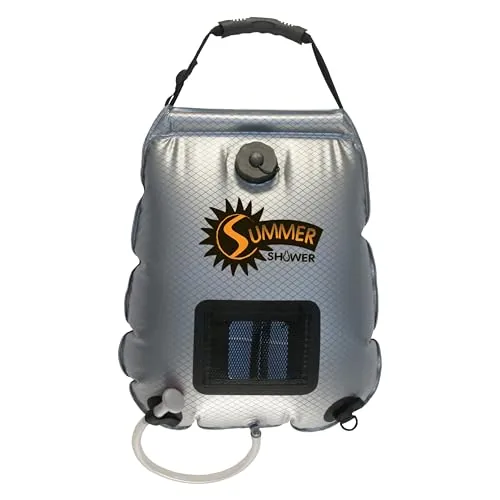
9 Best Solar Showers For Camping (2026 Review Guide)
Aug 22, 2026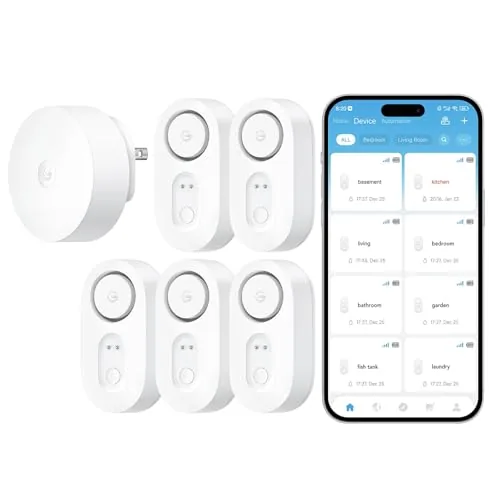
7 Best Water Leak Detectors (2026 Review Guide)
Aug 17, 2026
6 Best Water Filters For Apartments (2026 Review Guide)
Jul 5, 2026