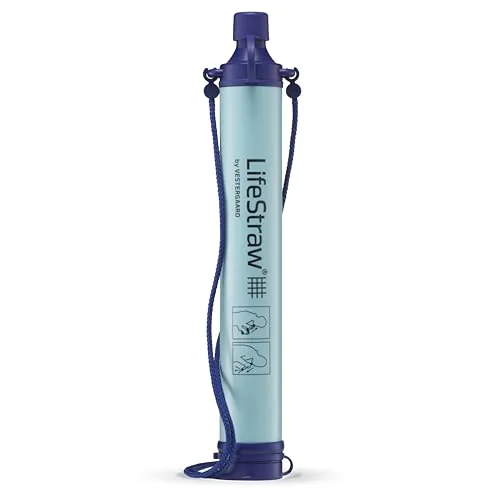
As low as $12
Built for travel, hiking & emergencies - drink safely whether the water is unsafe or just tastes off.
- NSF/ANSI 42, 372 & 401 certified, 0.1 micron filtration
- Filters up to 1,320 gallons - no batteries or pumping
- Ultralight - fits in any bag or pocket
- BPA-free, compatible with standard 28mm bottle threads
Tap water in Spain is generally safe to drink across the country, as it meets EU Drinking Water Directive standards. However, water quality and taste can vary significantly by region , some coastal and island areas rely on desalinated water that, while safe, may taste less pleasant. Travelers can confidently drink tap water in major cities like Madrid, Barcelona, and Seville, though a filter bottle can improve taste in certain areas.
Quick Reference
| Concern | Our Advice | |
|---|---|---|
| Drink tap water? | ✅ | Yes, safe in most areas |
| Brush teeth? | ✅ | Yes, no concerns |
| Wash fruits / veg? | ✅ | Yes, safe to use tap water |
| Use ice in drinks? | ✅ | Yes, safe in restaurants |
| Shower safely? | ✅ | Yes |
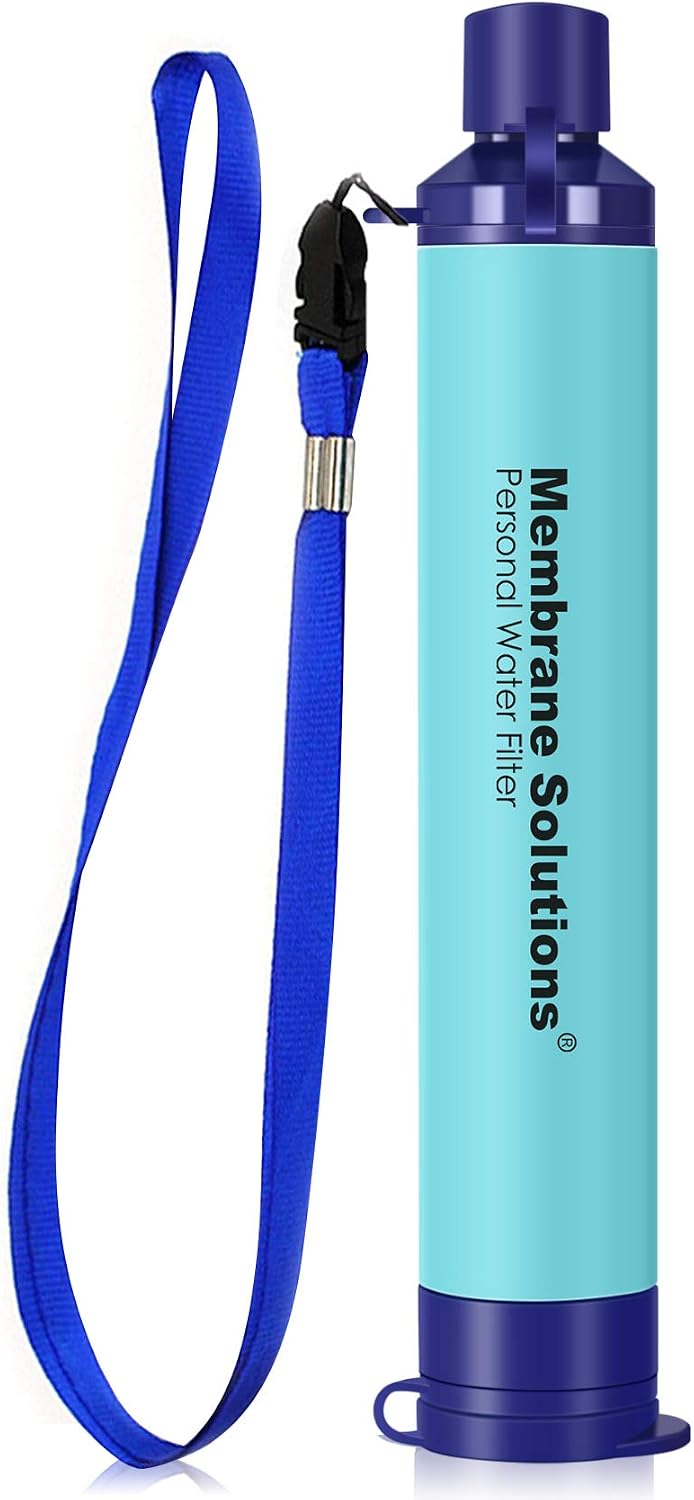
| Filter bottle needed? | ✅ | Not necessary, but a Membrane Solutions Filter Straw can improve taste |
| Common risks | Chlorine taste, Hard water minerals, Occasional microplastics, Regional desalination byproducts, Aging rural pipes |

Key Statistics


Affiliate links — we earn a small commission at no extra cost to you.
Water Infrastructure & Supply
Spain's water infrastructure is one of the most developed in Southern Europe, built up extensively during the latter half of the 20th century. The country operates a vast network of reservoirs (over 1,200), one of the highest ratios of dams per capita in the world, reflecting its historical need to manage irregular rainfall patterns. Major cities like Madrid benefit from high-quality mountain reservoir water sourced from the Sierra de Guadarrama, while Barcelona draws from the Ter and Llobregat rivers supplemented by a large desalination plant.
The national water supply system (SINAC) monitors over 33,000 supply zones and regularly tests for more than 50 parameters in compliance with the EU Drinking Water Directive (98/83/EC, revised as Directive 2020/2184). Treatment processes include coagulation, filtration, ozone treatment, UV disinfection, and chlorination. Spain is Europe's largest producer of desalinated water, with over 700 plants primarily along the Mediterranean coast and in the Canary and Balearic Islands.
Significant investment continues under Spain's Hydrological Plans and EU recovery funds. The government allocated over 2.5 billion under the Recovery, Transformation, and Resilience Plan for water infrastructure modernization, focusing on reducing leakage (currently around 25% nationally), upgrading aging rural pipelines, and expanding water reuse for agriculture. Spain's goal is to increase water reuse to 25% of treated wastewater by 2030.
Contamination & Health Risks
Tap water across Spain is treated and monitored to EU standards, and the overall compliance rate exceeds 99.5% for regulated parameters. However, some localized concerns persist: older buildings in rural areas or historic city centers may still have legacy lead or galvanized iron pipes that can leach metals, particularly when water sits stagnant. Spain's SINAC system flagged occasional non-compliance events related to trihalomethanes (chlorination byproducts) in some smaller supply zones.
The main sources of raw water contamination include agricultural runoff containing nitrates (particularly in the Mediterranean arc regions like Murcia and Valencia), industrial discharge in certain river basins, and saltwater intrusion into coastal aquifers due to over-extraction. The Segura, Jcar, and Guadalquivir river basins have been flagged by Spain's environment ministry for elevated nitrate levels in groundwater, though this primarily affects raw water sources rather than treated tap water.
For travelers, the health risks from Spanish tap water are minimal. The biggest practical issue is taste , heavily chlorinated or desalinated water in coastal resort areas and the islands can taste unpleasant, leading many tourists (and locals) to prefer bottled or filtered water. Sensitive travelers or those with compromised immune systems may wish to use a filter in areas with very hard water or strong chlorine taste, but this is a comfort choice rather than a safety necessity.
Regional Water Quality Breakdown
Madrid
safeMadrid's tap water is considered among the best in Spain, sourced from pristine mountain reservoirs in the Sierra de Guadarrama. The Canal de Isabel II manages the system with rigorous quality control. Locals and visitors alike drink it confidently straight from the tap.
Barcelona
cautionBarcelona's tap water is safe to drink but has a noticeably mineral and chlorinated taste due to its river and desalination plant sources. Many residents use home filters or buy bottled water for taste reasons. The water fully meets EU safety standards despite the taste issues.
Valencia & Murcia
cautionTap water in the Valencian Community and Murcia is safe but among the hardest in Spain, with high mineral content that affects taste. Elevated nitrate levels in some groundwater sources have been a concern, though treated water meets safety thresholds. A filter can improve taste significantly.
Andalusia (Seville, Mlaga, Granada)
safeMajor Andalusian cities have safe, well-treated tap water. Seville and Granada have good-tasting water from reservoir sources, while coastal Mlaga can have slightly harder water. All meet national drinking water standards consistently.
Canary Islands
cautionThe Canary Islands rely heavily on desalinated seawater, which is safe but often has a distinctive flat or slightly salty taste that many travelers find unpalatable. Most hotels and restaurants serve bottled water by default. The water is safe for brushing teeth and cooking.
Balearic Islands (Mallorca, Ibiza, Menorca)
cautionSimilar to the Canaries, the Balearic Islands depend significantly on desalinated water, particularly during peak tourist season. Tap water is safe but often tastes of chlorine or minerals. Many locals and tourists prefer bottled water for drinking.
Practical Tips for Travelers
- Carry a filter straw (e.g., Membrane Solutions) — it removes bacteria, parasites, and microplastics from any tap or stream. Strongly recommend the Membrane Solutions Filter Straw.
- In restaurants, you can ask for tap water by saying 'Agua del grifo, por favor' , it's free by law in some regions like Andalusia, though not all restaurants offer it willingly.
- Look for public drinking fountains marked 'Agua potable' (safe drinking water) in cities , those marked 'Agua no potable' should not be used for drinking.
- If you're staying in the Canary or Balearic Islands, consider buying a large 5L or 8L bottle (garrafa) from a supermarket to save money and reduce plastic waste.
- Madrid's tap water is excellent , save money by refilling a reusable bottle from the tap rather than buying bottled water in this city.
- In Barcelona, a simple activated carbon filter pitcher (like Brita) removes the chlorine taste and makes tap water very pleasant to drink.
- Ice in Spanish restaurants, bars, and hotels is made from treated tap water and is safe to consume throughout the country.
- When hiking in mountainous areas, never drink directly from streams or natural springs unless there's a sign confirming the water is potable ('Agua potable').
- Download the SINAC app or check sinac.sanidad.gob.es to look up real-time water quality data for your specific accommodation area in Spain.
Bottled Water Availability & Cost
Bottled water is widely available throughout Spain in supermarkets, convenience stores, restaurants, and vending machines. Popular Spanish brands include Bezoya, Font Vella, Lanjarn, Soln de Cabras, and Viladrau. A 1.5-liter bottle in a supermarket typically costs 0.30, 0.70, while a 500ml bottle from a tourist shop or vending machine ranges from 1.00, 2.00. In restaurants, a bottle of mineral water (agua mineral) usually costs 1.50, 3.50 depending on the establishment.
For budget-conscious travelers, buying water in bulk from supermarkets like Mercadona, Lidl, or Carrefour is highly economical , packs of six 1.5L bottles can cost as little as 1.50, 2.50. Spain has been working to reduce plastic waste, and many cities now have public drinking fountains (fuentes) where travelers can refill reusable bottles for free. Barcelona and Madrid both have extensive networks of safe public fountains, making it easy to stay hydrated sustainably.
Frequently Asked Questions
Can I brush my teeth with tap water in Spain?
Yes, tap water throughout Spain is safe for brushing teeth. Even in areas where the taste may be unpleasant (like the islands or coastal areas), the water meets EU safety standards and poses no health risk for oral hygiene.
Is it safe to shower in Spanish tap water?
Absolutely. Showering in Spanish tap water is completely safe everywhere in the country. In areas with very hard water (like Valencia or parts of the coast), you might notice drier skin or hair, but this is a cosmetic issue, not a health concern.
Can I drink ice in Spanish restaurants and bars?
Yes, ice in Spanish establishments is made from treated municipal water and is safe to consume. Spain has strict food safety regulations enforced by health authorities, and commercial ice production follows rigorous standards.
Why does tap water taste bad in some parts of Spain?
Taste varies by region due to the water source. Areas relying on desalinated seawater (Canary Islands, Balearics, parts of the Mediterranean coast) or very hard groundwater (Valencia, Murcia) often have water with high mineral content or strong chlorine flavoring. The water is safe , it just doesn't taste as good as mountain reservoir water found in cities like Madrid.
Do restaurants in Spain serve tap water for free?
It depends on the region. Andalusia passed a law requiring restaurants to offer free tap water upon request. In other regions, restaurants may decline and only offer bottled water. It's always worth asking for 'agua del grifo' , many places will accommodate the request, especially casual establishments.
How much does bottled water cost in Spain?
Bottled water is very affordable in Spain. A 1.5L bottle costs 0.30, 0.70 in supermarkets, while a 500ml bottle from a kiosk or tourist area costs 1.00, 2.00. In restaurants, expect to pay 1.50, 3.50 for a bottle of mineral water.
Is Spanish tap water safe for babies and infants?
In most major cities, Spanish tap water is safe for preparing infant formula. However, in areas with very hard water or high mineral content (like parts of the Mediterranean coast), pediatricians sometimes recommend using low-mineral bottled water (agua de mineralizacin dbil) for infant formula preparation. Brands like Bezoya are commonly recommended.
Can I fill my reusable water bottle from public fountains in Spain?
Yes, Spain has many public drinking fountains, especially in cities like Madrid, Barcelona, Seville, and Granada. Look for the label 'Agua potable' which confirms the water is safe to drink. These fountains use the same treated municipal water supply. Avoid fountains labeled 'Agua no potable.'
Interesting Product Reviews
9 Best Gallon Water Jugs (2026 Review Guide)
Aug 8, 2026
7 Best Countertop Water Filters (2026 Review Guide)
Jul 25, 2026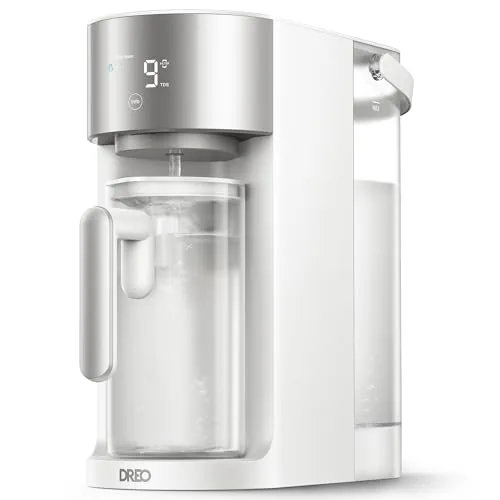
6 Best Water Filters For Apartments (2026 Review Guide)
Jul 5, 2026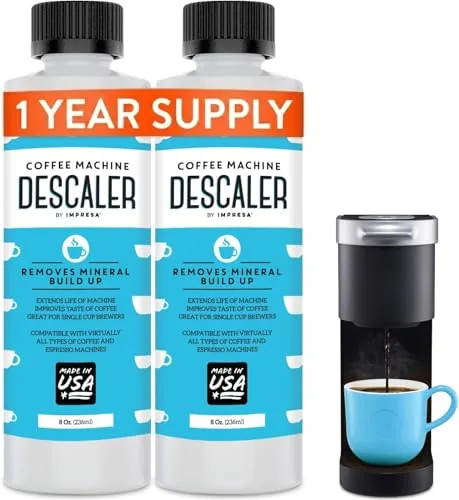
9 Best Water Descalers (2026 Review Guide)
Aug 15, 2026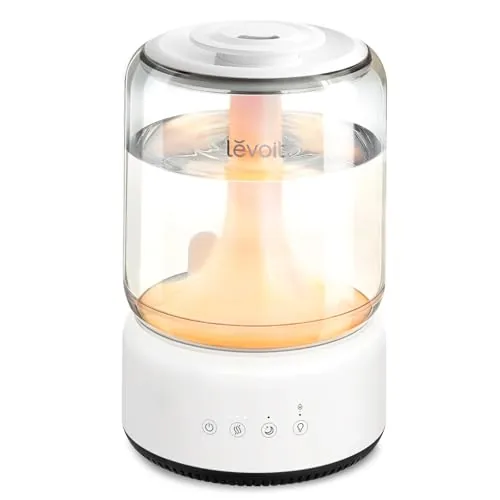
9 Best Humidifiers (2026 Review Guide)
Aug 20, 2026