Around $20
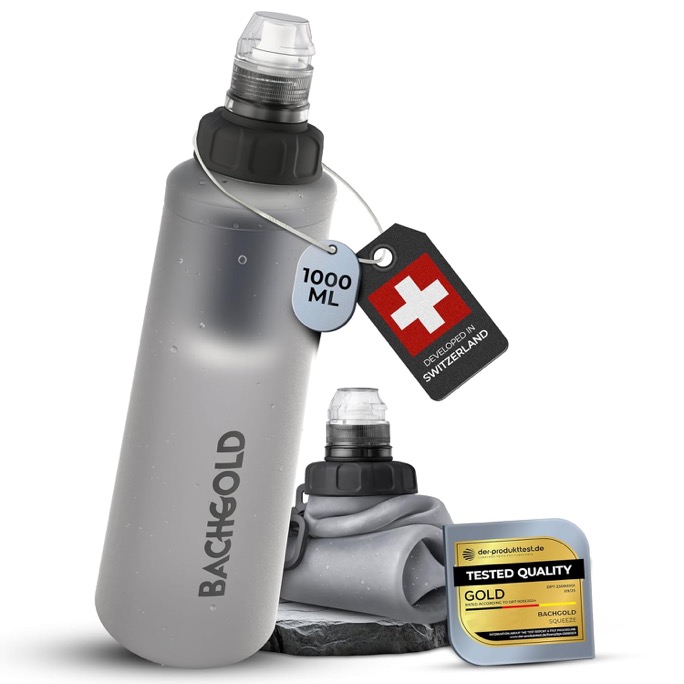
Built for travel, hiking & emergencies - drink safely whether the water is unsafe or just tastes off.
- 2-stage filtration: nanofiber layer + 0.2 micron hollow fiber membrane
- Rinse to restore flow - no replacement cartridges needed
- Collapsible 1L bottle - folds flat to pocket size
- Leak-resistant, taste-neutral, designed in Switzerland
Tap water in North Korea is generally not safe for travelers to drink. The country's aging water infrastructure, limited treatment capacity, and frequent contamination issues make bottled or boiled water the only reliable option for visitors. Even in Pyongyang, where infrastructure is most developed, water quality cannot be guaranteed to international standards.
Quick Reference
| Concern | Our Advice | |
|---|---|---|
| Drink tap water? | ❌ | Use bottled or filtered water |
| Brush teeth? | ❌ | Use bottled or filtered water |
| Wash fruits / veg? | ❌ | Wash with filtered or bottled water |
| Use ice in drinks? | ❌ | Avoid unless confirmed purified |
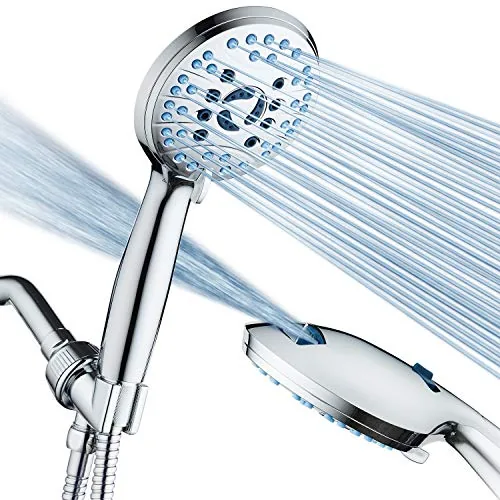
| Shower safely? | ✅ | Yes |
| Filter bottle needed? | ❌ | Strongly recommend a Bachgold Squeeze Filter Bottle for all travelers |
| Common risks | Bacterial contamination, Parasitic infections, Heavy metals, Waterborne diseases, Inadequate chlorination, Agricultural runoff, Fecal contamination |

Key Statistics


Affiliate links — we earn a small commission at no extra cost to you.
Water Infrastructure & Supply
North Korea's water supply system was largely built during the Soviet era in the 1950s through 1980s, with centralized treatment plants and piped distribution networks concentrated in major cities like Pyongyang, Nampo, and Hamhung. Since the collapse of the Soviet Union and the economic crises of the 1990s, much of this infrastructure has deteriorated severely due to a lack of spare parts, chemicals for treatment, and electricity to run pumps. Many treatment plants operate well below their designed capacity or not at all.
The country relies on a mix of surface water from rivers and reservoirs and groundwater from wells. In urban areas, water is distributed through aging pipe networks that suffer from frequent breaks and contamination from sewage infiltration. In rural areas, many communities depend on shallow wells, boreholes, and gravity-fed systems that often lack any form of treatment. Electricity shortages mean that even functioning pump stations frequently cannot deliver water, leading to intermittent supply.
International organizations including UNICEF, the International Federation of Red Cross, and various NGOs have undertaken water and sanitation improvement projects, particularly in rural provinces and in the wake of natural disasters such as floods. These projects have focused on installing gravity-fed water systems, rehabilitating wells, and providing household water treatment options like chlorination tablets. However, the scope of these interventions remains limited relative to the country's overall needs, and access for international monitors is heavily restricted.
Contamination & Health Risks
The primary health risk from tap water in North Korea is microbial contamination. Inadequate treatment and aging distribution pipes mean that bacteria such as E. coli, as well as parasites like Giardia and Cryptosporidium, can be present in piped water supplies. Diarrheal disease remains a significant cause of illness and death, particularly among children under five, and waterborne hepatitis A is also a concern. The WHO has identified unsafe water and sanitation as major contributors to the country's disease burden.
Chemical contamination is an additional risk. Agricultural runoff containing fertilizers and pesticides can contaminate surface water sources, while industrial pollution from mining and manufacturing adds heavy metals to waterways. In some regions, naturally occurring arsenic and fluoride have been detected in groundwater. The lack of systematic water quality monitoring means that contamination levels are poorly documented and can vary unpredictably.
For travelers, the risks are significant. Visitors to North Korea travel on highly organized, government-supervised tours and typically stay in designated hotels in Pyongyang or a few other cities. Even in these relatively well-maintained facilities, tap water should not be consumed without treatment. Travelers should avoid ice in drinks, uncooked foods washed in tap water, and even brushing teeth with untreated water. Bottled water is typically provided in tourist hotels, but bringing a reliable filter bottle is strongly recommended as a backup.
Regional Water Quality Breakdown
Pyongyang
cautionAs the capital and showcase city, Pyongyang has the best water infrastructure in the country with functioning treatment plants. However, aging pipes and intermittent supply mean that tap water quality is unreliable and not safe for travelers to drink without treatment.
Kaesong
avoidThe historic city near the DMZ that many tour groups visit has older and less maintained water infrastructure than Pyongyang. Travelers should rely exclusively on bottled or purified water during visits.
Mount Kumgang / Wonsan
avoidThe east coast tourist zone around Wonsan and the Mount Kumgang area has limited water treatment infrastructure. Rural water sources in this region are frequently untreated and at risk of contamination from agricultural and natural sources.
Hamhung / South Hamgyong Province
avoidNorth Korea's second-largest city has significant industrial activity and an aging water system. Industrial contamination of water sources is a particular concern, and treatment capacity is severely limited.
North and South Hwanghae Provinces
avoidThese agricultural provinces south of Pyongyang frequently experience flooding that contaminates water sources. Rural communities in these areas often rely on untreated wells, and waterborne disease outbreaks have been reported following flood events.
Mount Paektu / Ryanggang Province
avoidThis remote northern province, occasionally visited by tourists going to Mount Paektu, has very limited water infrastructure. High-altitude spring water may appear clean but can still harbor parasites and should not be consumed without treatment.
Practical Tips for Travelers
- Always drink bottled or purified water , never consume tap water directly, even in Pyongyang's top tourist hotels.
- Bring a reliable filter bottle with virus and bacteria filtration capability (such as LifeStraw or Grayl) as bottled water availability can be inconsistent outside the capital. Strongly recommend the Bachgold Squeeze Filter Bottle.
- Avoid ice in drinks at all times, as it is almost certainly made from untreated tap water. Request drinks without ice.
- Use bottled or filtered water for brushing teeth. Keep your mouth closed while showering to avoid accidental ingestion.
- Peel all fruits and avoid raw salads or vegetables that may have been washed in untreated water. Stick to thoroughly cooked foods.
- To ask for bottled water in Korean, say ' ' (saengsu juseyo), which means 'Please give me bottled water.'
- Stock up on bottled water whenever available during your tour , opportunities to purchase may be limited and unpredictable, especially on longer bus journeys between cities.
- Pack oral rehydration salts and anti-diarrheal medication in your travel kit as a precaution, since medical facilities for foreigners are very limited in North Korea.
Bottled Water Availability & Cost
Bottled water is available in tourist hotels and shops in Pyongyang and at designated tourist stops throughout the country, though selection is extremely limited. Local brands such as Kangso mineral water are common and cost approximately 0.50, 1.00 USD (or equivalent in euros) per 1.5-liter bottle when purchased at hotels or tourist shops. Imported brands may occasionally be available at higher prices, typically 1.50, 3.00 USD per bottle.
Since independent shopping is not permitted for tourists in North Korea, all purchases are made at government-approved locations. It is advisable to stock up on bottled water whenever it is available, as supply can be inconsistent outside of Pyongyang. Travelers should also bring a high-quality filter bottle or purification tablets as a contingency. Given the environmental challenges the country already faces, travelers should try to minimize plastic waste by relying on refillable filtered bottles where possible.
Frequently Asked Questions
Can I brush my teeth with tap water in North Korea?
No, it is not recommended. Use bottled or filtered water for brushing teeth. The tap water may contain harmful bacteria and parasites that could cause gastrointestinal illness even from small amounts ingested during brushing.
Is it safe to shower in tap water in North Korea?
Showering is generally safe as long as you avoid swallowing any water and keep your mouth closed. The risk of illness from skin contact alone is minimal, but ingesting even small amounts of contaminated water can cause problems.
Is ice safe in drinks in North Korea?
No. Ice is typically made from untreated tap water and should be avoided. When ordering beverages at hotels or restaurants, request them without ice or stick to factory-sealed bottled drinks.
Is the water served in North Korean restaurants safe to drink?
Water served in restaurants, even those catering to tourists, may be boiled tap water or could be untreated. It is safest to drink only sealed bottled water or beverages. Hot tea and coffee made with boiled water are generally lower risk, but bottled water remains the safest option.
How much does bottled water cost in North Korea?
A 1.5-liter bottle of local mineral water typically costs around 0.50, 1.00 USD equivalent at tourist shops and hotels. Imported brands, when available, may cost 1.50, 3.00 USD. Prices are generally fixed at government-approved shops.
Can I buy bottled water easily while traveling in North Korea?
Bottled water is usually available at tourist hotels in Pyongyang and at designated tourist stops, but availability can be inconsistent outside the capital and on longer rural journeys. It is wise to stock up whenever you have the opportunity and to bring water purification as a backup.
Do I need a water filter bottle for traveling in North Korea?
Yes, a high-quality filter bottle is strongly recommended. It serves as essential backup when bottled water is unavailable. Choose one rated to remove bacteria, parasites, and ideally viruses, such as a Grayl GeoPress or LifeStraw Go.
Is the tap water in Pyongyang safer than in other parts of North Korea?
Pyongyang has the most developed water infrastructure in the country, but it is still not safe for travelers to drink tap water there. Aging pipes, inconsistent treatment, and the risk of contamination mean that bottled or purified water should be used everywhere in North Korea.
Interesting Product Reviews
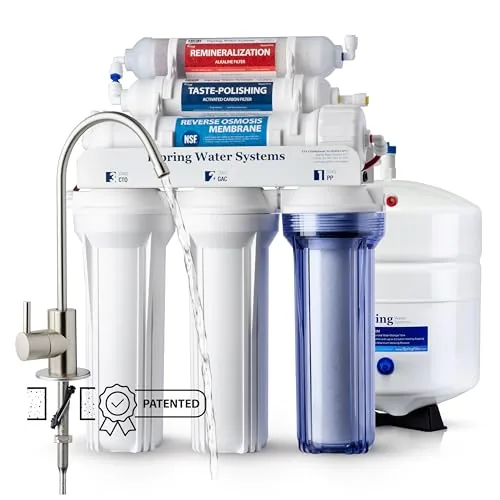
7 Best Alkaline Water Filters (2026 Review Guide)
Jul 27, 2026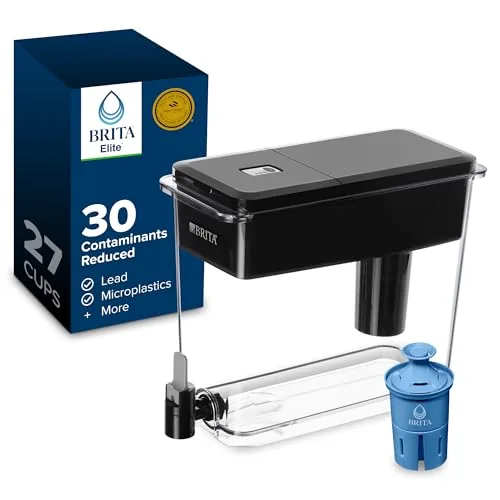
7 Best Water Filters For Lead Removal (2026 Review Guide)
Jul 29, 2026
6 Best Whole House Water Filters (2026 Review Guide)
Jul 17, 2026
9 Best Moisture Meters (2026 Review Guide)
Aug 17, 2026
9 Best Pool Test Kits (2026 Review Guide)
Aug 25, 2026