As low as $12
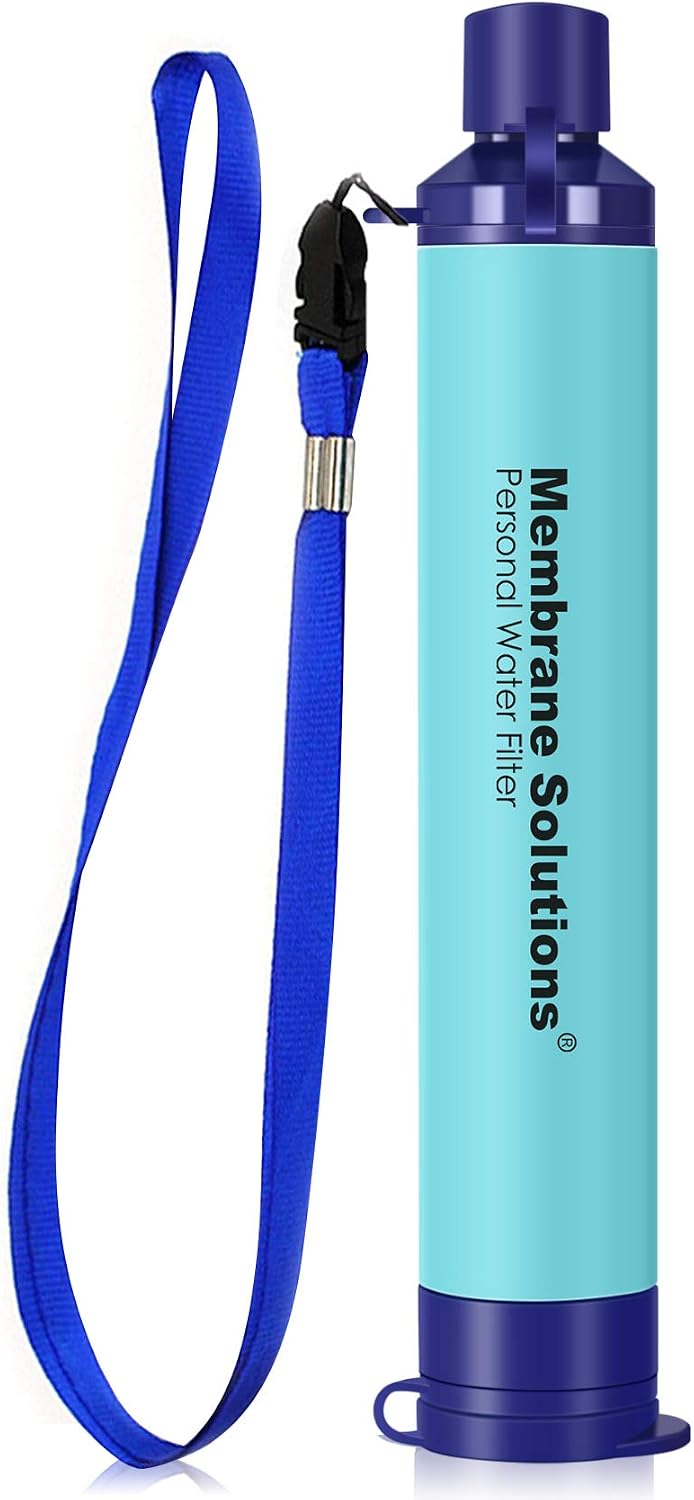
Built for travel, hiking & emergencies - drink safely whether the water is unsafe or just tastes off.
- NSF/ANSI 42, 372 & 401 certified, 0.1 micron filtration
- Filters up to 1,320 gallons - no batteries or pumping
- Ultralight - fits in any bag or pocket
- BPA-free, compatible with standard 28mm bottle threads
Tap water in New Zealand is generally safe to drink, with most urban supplies meeting high quality standards regulated by Taumata Arowai, the country's dedicated water services regulator established in 2021. While major cities like Auckland, Wellington, and Christchurch provide excellent drinking water, some smaller rural communities and private bore supplies may not meet the same standards, so travelers should exercise caution in remote areas.
Quick Reference
| Concern | Our Advice | |
|---|---|---|
| Drink tap water? | ✅ | Yes, safe in most areas |
| Brush teeth? | ✅ | Yes, no concerns |
| Wash fruits / veg? | ✅ | Yes, safe to use tap water |
| Use ice in drinks? | ✅ | Yes, safe in restaurants |
| Shower safely? | ✅ | Yes |
| Filter bottle needed? | ✅ | Not necessary, but a Membrane Solutions Filter Straw can improve taste |
| Common risks | Giardia in untreated rural supplies, Campylobacter, Agricultural runoff, Nitrate contamination in some groundwater areas, Occasional E. coli in small community supplies |

Key Statistics


Affiliate links — we earn a small commission at no extra cost to you.
Water Infrastructure & Supply
New Zealand's drinking water infrastructure has developed significantly since the early 20th century, with most urban centres connected to reticulated water supplies sourced from rivers, lakes, reservoirs, and groundwater aquifers. The Havelock North campylobacteriosis outbreak of 2016, which sickened an estimated 5,500 people, was a watershed moment that led to the establishment of Taumata Arowai as a dedicated water services regulator in 2021, replacing the more fragmented oversight by district health boards.
Major cities have modern treatment plants employing multi-barrier approaches including coagulation, filtration, UV treatment, and chlorination. Christchurch has historically drawn from deep artesian wells and was one of the last major cities to introduce chlorination, doing so gradually after the Havelock North inquiry. Wellington sources much of its water from the Hutt River and Wainuiomata reservoirs, while Auckland relies on dams in the Waitkere and Hunua Ranges supplemented by the Waikato River.
The New Zealand government launched ambitious Three Waters reform in 2020, aiming to consolidate the roughly 67 council-run water providers into more efficient regional entities. While the reform programme has undergone significant political changes, with the incoming government in 2023 replacing it with the Local Water Done Well framework, substantial investment in aging infrastructure, pipe renewal, and treatment upgrades continues across the country. Many smaller communities are receiving upgraded treatment facilities for the first time.
Contamination & Health Risks
New Zealand's tap water in major urban areas carries very low health risks for travelers. Water supplies in cities like Auckland, Wellington, Christchurch, Queenstown, and Rotorua are treated and monitored to meet the Drinking Water Standards for New Zealand, which align closely with WHO guidelines. Routine testing checks for E. coli, total coliforms, protozoa such as Giardia and Cryptosporidium, and chemical contaminants.
The primary risks exist in rural and remote areas where water may come from untreated or minimally treated private bore or roof-fed supplies. Agricultural intensification, particularly dairy farming, has elevated nitrate levels in some groundwater regions, notably in Canterbury and the Waikato. The 2016 Havelock North outbreak demonstrated the vulnerability of poorly protected groundwater supplies, and while regulatory improvements have been substantial since then, some small community supplies still lack adequate treatment.
For travelers, the most practical risk comes from drinking untreated water from streams and rivers while tramping (hiking) in the backcountry. Despite New Zealand's pristine reputation, many waterways carry Giardia and Cryptosporidium from wildlife and pastoral runoff. The Department of Conservation recommends treating all backcountry water before drinking. In towns and cities, however, travelers can confidently drink tap water without concern.
Regional Water Quality Breakdown
Auckland
safeAuckland's water is sourced from large storage dams in the Waitkere and Hunua Ranges and treated at modern facilities. The supply meets all drinking water standards and is safe for travelers to drink directly from the tap.
Wellington
safeWellington draws water from the Hutt River and Wainuiomata reservoirs, with treatment including UV disinfection and chlorination. Water quality is consistently high and fully safe for drinking.
Christchurch
safeChristchurch sources its water from deep artesian aquifers, giving it a reputation for exceptionally clean water. Chlorination was introduced progressively after 2018, and the water is safe and pleasant to drink.
Queenstown & Southern Lakes
safeQueenstown and surrounding towns draw from pristine alpine lake and river sources. The water is treated and monitored, and is safe for travelers to drink throughout the region.
Rotorua & Bay of Plenty
safeRotorua's water is sourced from wells and treated to meet national standards. While safe to drink, some visitors notice a slight mineral taste due to the geothermal activity in the region.
Rural & Backcountry Areas
cautionSmall rural communities may rely on untreated or minimally treated water supplies, including rainwater tanks and bore water. Trampers should never drink from streams or rivers without treating the water first, as Giardia is present in many waterways.
Practical Tips for Travelers
- Carry a filter straw (e.g., Membrane Solutions) — it removes bacteria, parasites, and microplastics from any tap or stream. Strongly recommend the Membrane Solutions Filter Straw.
- Tap water is safe to drink in all New Zealand cities and towns, carry a reusable bottle and refill freely from taps and public fountains.
- When tramping (hiking) in the backcountry, always treat stream and river water by boiling, filtering, or using purification tablets, as Giardia is common even in pristine-looking water.
- If staying at a rural accommodation with tank (rainwater) supply, ask your host about the water source, some rural tanks are untreated and may benefit from boiling before drinking.
- In Mori, you can say 'He wai mku, tn koe' (Water for me, please) or simply ask 'Can I get some tap water, please?' in English at any restaurant or caf, free tap water is standard practice.
- New Zealand airports (Auckland, Wellington, Christchurch, Queenstown) all have free water bottle refill stations past security, so fill up before boarding.
- If you notice a chlorine taste in the water, let it sit in an open jug in the fridge for 30 minutes, the chlorine will dissipate and the taste will improve significantly.
- Christchurch locals are particularly proud of their artesian water quality, try the tap water there, as many consider it among the best-tasting in the country.
- Public drinking fountains are common in parks, town centres, and at DOC (Department of Conservation) visitor centres, look for the blue tap water refill signs.
Bottled Water Availability & Cost
Bottled water is widely available throughout New Zealand at supermarkets, dairies (corner shops), petrol stations, and cafs. A 600ml bottle of water typically costs NZ$2.50, $4.00 (approximately US$1.50, $2.50), while a 1.5-litre bottle ranges from NZ$2.00, $3.50 at supermarkets. Popular local brands include Pump, Kiwi Blue, and Antipodes (a premium sparkling water), alongside international brands like Mount Franklin.
For budget-conscious travelers, buying multi-packs of 1.5-litre bottles from supermarkets like Countdown (now Woolworths), New World, or PAK'nSAVE is the most economical approach, with prices as low as NZ$1.00, $1.50 per bottle. However, since tap water is safe to drink in all urban areas, carrying a reusable bottle is strongly recommended, New Zealand has an active sustainability culture and many public places, airports, and cafs offer free water refill stations. This is also consistent with the country's efforts to reduce single-use plastic waste.
Frequently Asked Questions
Can I brush my teeth with tap water in New Zealand?
Yes, absolutely. Tap water throughout New Zealand's cities and towns is safe for brushing teeth. The water meets strict national drinking water standards monitored by Taumata Arowai.
Is it safe to shower in New Zealand tap water?
Yes, showering in New Zealand tap water is completely safe everywhere in the country. The water is treated and poses no risk through skin contact or accidental ingestion.
Can I drink ice in drinks at New Zealand restaurants and bars?
Yes, ice in New Zealand is made from treated tap water and is safe to consume. All commercial establishments use safe municipal water supplies.
Do restaurants in New Zealand serve free tap water?
Yes, it is standard practice in New Zealand for restaurants and cafs to provide free tap water upon request. Many will bring a jug of water to your table automatically. You never need to buy bottled water at a restaurant.
How much does bottled water cost in New Zealand?
A 600ml bottle costs around NZ$2.50, $4.00 (US$1.50, $2.50) from a convenience store. Supermarket prices are cheaper, with 1.5-litre bottles available for NZ$1.00, $2.00. However, since tap water is safe, a reusable bottle is the best option.
Is it safe to drink water from rivers and streams while hiking in New Zealand?
No, despite New Zealand's clean, green image, many rivers and streams contain Giardia and other pathogens from wildlife and agricultural runoff. Always boil, filter, or chemically treat backcountry water before drinking. The Department of Conservation strongly advises this.
Why does some New Zealand tap water taste like chlorine?
Most New Zealand water supplies add small amounts of chlorine for disinfection, which is safe but can create a slight taste. Christchurch added chlorination relatively recently. To reduce the taste, refrigerate water in an open container for 30 minutes or use a basic carbon filter jug.
Is New Zealand's tap water safe for babies and preparing infant formula?
Yes, tap water from urban supplies in New Zealand is safe for preparing infant formula. Simply boil the water and let it cool as you would anywhere. If staying in a rural area with a private water supply (tank or bore), use bottled water for formula preparation to be safe.
Interesting Product Reviews
6 Best Whole House Water Filters For Well Water (2026 Review Guide)
Jul 25, 2026
9 Best Fish Tank Water Conditioners (2026 Review Guide)
Aug 18, 2026
6 Best Gravity Water Filters For Camping (2026 Review Guide)
Jul 20, 2026
9 Best Water Softeners For Hard Water (2026 Review Guide)
Jul 8, 2026
9 Best Nugget Ice Makers (2026 Review Guide)
Aug 10, 2026