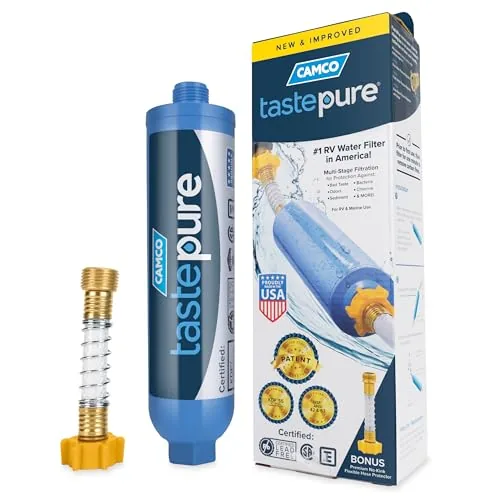
As low as $12
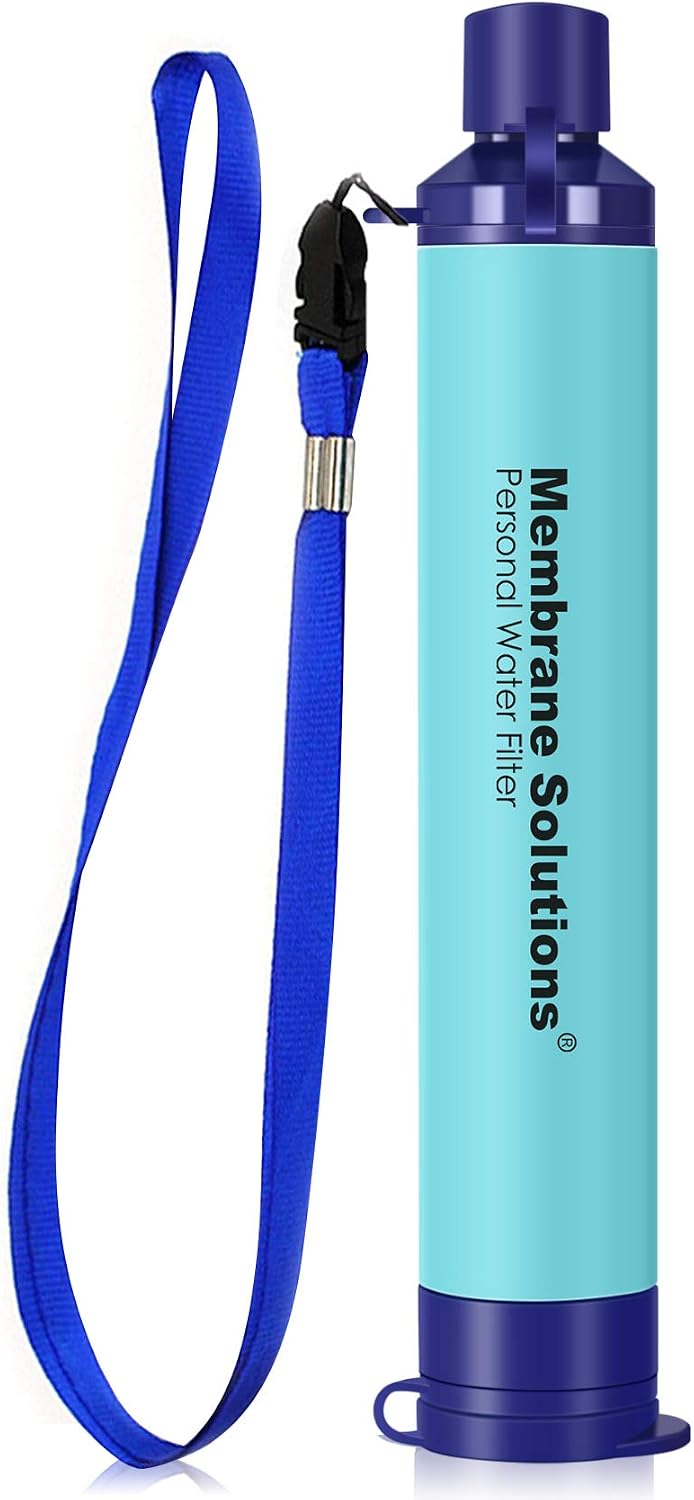
Built for travel, hiking & emergencies - drink safely whether the water is unsafe or just tastes off.
- NSF/ANSI 42, 372 & 401 certified, 0.1 micron filtration
- Filters up to 1,320 gallons - no batteries or pumping
- Ultralight - fits in any bag or pocket
- BPA-free, compatible with standard 28mm bottle threads
Tap water in the United Kingdom is among the safest in the world and is perfectly safe for travelers to drink straight from the tap. The water supply is tightly regulated by the Drinking Water Inspectorate (DWI) in England and Wales, the Drinking Water Quality Regulator in Scotland, and the Drinking Water Inspectorate in Northern Ireland, with compliance rates consistently above 99.9%. Travelers can confidently drink tap water, use ice, and brush their teeth with tap water throughout the country.
Quick Reference
| Concern | Our Advice | |
|---|---|---|
| Drink tap water? | ✅ | Yes, safe in most areas |
| Brush teeth? | ✅ | Yes, no concerns |
| Wash fruits / veg? | ✅ | Yes, safe to use tap water |
| Use ice in drinks? | ✅ | Yes, safe in restaurants |
| Shower safely? | ✅ | Yes |
| Filter bottle needed? | ✅ | Not necessary, but a Membrane Solutions Filter Straw can improve taste |
| Common risks | Lead pipes in older buildings, Chlorination byproducts, Hard water in southeast England, Occasional microplastics |

Key Statistics


Affiliate links — we earn a small commission at no extra cost to you.
Water Infrastructure & Supply
The United Kingdom has one of the oldest and most developed water supply systems in the world, dating back to the Victorian era when large-scale public water infrastructure was first built to combat cholera and other waterborne diseases. The water industry was privatised in England and Wales in 1989, while Scottish Water and NI Water remain publicly owned. Today, around 30 water companies serve the UK population, regulated by bodies including the DWI, Ofwat (economic regulator), and the Environment Agency.
Water is sourced from a mix of surface reservoirs, rivers, and groundwater aquifers, then treated through multi-stage processes including coagulation, filtration, and disinfection (typically with chlorine or chloramine). The UK tests for over 50 parameters at water treatment works and throughout the distribution network, and the DWI conducts over 4 million tests per year in England and Wales alone. Scotland's water, drawn primarily from upland reservoirs, is particularly praised for its soft water quality and taste.
Significant investment continues to modernise ageing infrastructure, with water companies in England and Wales committed to investing over 50 billion in the 2020, 2025 regulatory period. Key projects include replacing old lead service pipes, reducing leakage (which averages around 20% nationally), upgrading wastewater treatment to reduce sewage overflows into rivers and seas, and improving drought resilience in water-stressed areas of southeast England.
Contamination & Health Risks
The overall health risk from UK tap water is extremely low. The DWI's annual reports consistently show compliance rates above 99.9% for chemical and microbiological standards. Occasional failures are typically localised, short-lived, and involve parameters like coliform bacteria or turbidity that are quickly remediated. There have been no major waterborne disease outbreaks in the UK for decades, with the last significant one being the cryptosporidiosis outbreak in northwest England in the early 2000s.
The main concern for some older properties (particularly those built before 1970) is the presence of lead service pipes connecting the water main to the property. Water companies have programmes to replace lead pipes, and many treat water with phosphate to reduce lead dissolution. In southeast England, the water is naturally very hard due to chalk and limestone geology, which is not a health risk but can affect taste and cause limescale buildup. Traces of pesticides and nitrates from agricultural runoff occasionally appear in source water, but treatment plants effectively remove these to well within safe limits.
For travelers, there are virtually no practical health risks from drinking UK tap water. The water is safe everywhere , in hotels, restaurants, public drinking fountains, and from bathroom taps (though bathroom water in very old buildings sometimes comes from storage tanks rather than the mains, so kitchen taps are preferred). The NHS confirms that tap water across the UK is safe to drink, and there is no need for travelers to buy bottled water for health reasons.
Regional Water Quality Breakdown
London
safeLondon's tap water is safe and rigorously tested by Thames Water. The water is notably hard due to its chalk aquifer sources, which affects taste and causes limescale but poses no health risk. Some older buildings may still have legacy lead pipes, but treatment with orthophosphate minimises exposure.
Edinburgh & Scotland
safeScotland is renowned for having some of the best-tasting tap water in the UK, sourced primarily from soft, upland surface water. Scottish Water consistently achieves compliance rates above 99.9%. The water is naturally soft, which many visitors prefer.
Manchester & Northwest England
safeManchester receives its water from the Lake District via the Thirlmere aqueduct, resulting in soft, high-quality drinking water. United Utilities serves the region with consistently high compliance rates. The water quality is excellent and safe for all uses.
Birmingham & West Midlands
safeBirmingham's water is sourced from the Elan Valley reservoirs in Wales and is known for its quality and soft character. Severn Trent Water maintains rigorous testing standards. Tap water throughout the West Midlands is safe to drink.
Cardiff & Wales
safeWales benefits from abundant rainfall and upland reservoirs producing soft, clean drinking water. Dr Cymru Welsh Water supplies most of Wales with compliance rates consistently above 99.9%. Water quality is excellent throughout both urban and rural areas.
Belfast & Northern Ireland
safeNI Water supplies Belfast and Northern Ireland with safe, compliant drinking water sourced from reservoirs and rivers. Water quality has improved significantly over recent decades following infrastructure investment. Tap water is safe throughout the region, including in rural areas.
Practical Tips for Travelers
- Carry a filter straw (e.g., Membrane Solutions) — it removes bacteria, parasites, and microplastics from any tap or stream. Strongly recommend the Membrane Solutions Filter Straw.
- UK tap water is safe to drink everywhere , save money and the environment by carrying a reusable water bottle and using the free 'Refill' app to find over 30,000 free water refill points across the country.
- In England and Wales, any licensed premises (pubs, bars, restaurants) is legally required to provide free tap water on request , just ask for 'a glass of tap water, please.'
- If you're in a very old building, prefer drinking water from the kitchen cold tap rather than bathroom taps, as older properties may have storage tanks feeding bathroom supplies.
- London's water tastes different from northern and western regions due to its high mineral content (hard water). This is completely safe but if you dislike the taste, a simple jug filter like Brita can improve it.
- In restaurants, asking for 'a jug of tap water' is perfectly normal and socially acceptable across the UK , you won't be judged, and waitstaff are accustomed to the request.
- If you're visiting Scotland, try the tap water , it's famously soft and delicious, sourced from pristine Highland and upland reservoirs, and is considered some of the best in Europe.
- Train stations and airports increasingly offer water bottle refill stations , look for them after security at major airports like Heathrow, Gatwick, and Edinburgh to avoid paying inflated prices for bottled water.
- When ordering water at a restaurant, specify 'tap water' if you want free water. If you just say 'water,' some establishments may bring bottled still or sparkling water, which will appear on your bill.
Bottled Water Availability & Cost
Bottled water is widely available throughout the United Kingdom in supermarkets, convenience stores, petrol stations, restaurants, and vending machines. Popular UK brands include Highland Spring, Buxton, and Volvic, alongside international brands like Evian and Fiji. A 500ml bottle typically costs 0.80, 1.50 in shops and 2.00, 3.50 in restaurants or tourist areas. A 1.5-litre bottle from a supermarket costs around 0.50, 1.00, and multi-packs are available for even better value.
Since UK tap water is excellent, buying bottled water is largely unnecessary and environmentally discouraged. Many cafes, restaurants, and public spaces now offer free tap water refills , the 'Refill' app identifies over 30,000 refill stations across the UK. Under English law, licensed premises must provide free tap water on request. Carrying a reusable bottle is the best option for both sustainability and savings, as the UK generates significant plastic waste from single-use water bottles each year.
Frequently Asked Questions
Can I brush my teeth with tap water in the UK?
Yes, absolutely. UK tap water is safe for brushing teeth throughout the entire country. The water meets strict drinking water standards regulated by government bodies, and there is no need to use bottled water for oral hygiene.
Is it safe to shower in UK tap water?
Yes, showering in UK tap water is completely safe. The water is treated and disinfected to high standards. In hard water areas like London and southeast England, you may notice drier skin or hair due to the mineral content, but this is not a health concern.
Can I drink ice in drinks in the UK?
Yes, ice in UK restaurants, pubs, and cafes is made from tap water and is perfectly safe. There are no concerns about ice quality in the UK, whether in major cities or small towns.
Is restaurant tap water safe to drink in the UK?
Yes, restaurant tap water is safe throughout the UK. All restaurants are connected to the regulated public water supply. It is common and perfectly acceptable to request free tap water with your meal, and licensed premises in England and Wales are legally required to provide it.
How much does bottled water cost in the UK?
A 500ml bottle typically costs 0.80, 1.50 in shops and up to 2.00, 3.50 in tourist areas or restaurants. A 1.5-litre bottle from a supermarket costs around 0.50, 1.00. However, since tap water is excellent, buying bottled water is unnecessary for safety reasons.
Why does London tap water taste different from other parts of the UK?
London's water is 'hard' , meaning it has a high mineral content (calcium and magnesium) due to filtering through chalk and limestone geology. This is completely safe and even provides trace minerals, but it gives the water a noticeably different taste compared to the softer water found in Scotland, Wales, and northern England.
Are there lead pipes in UK water systems, and should I be worried?
Some older properties (built before 1970) may still have lead service pipes, but UK water companies add orthophosphate to the water to create a protective coating inside pipes, minimising lead dissolution. Water companies are also gradually replacing lead pipes. The risk is very low, but if concerned, run your tap for 30 seconds before drinking, especially first thing in the morning.
Do I need a water filter bottle for traveling in the UK?
No, a water filter bottle is not necessary for health reasons when visiting the UK. Tap water meets strict safety standards everywhere. A simple carbon filter jug (like Brita) at home can improve taste in hard water areas like London, but it's a preference rather than a safety measure.
Interesting Product Reviews
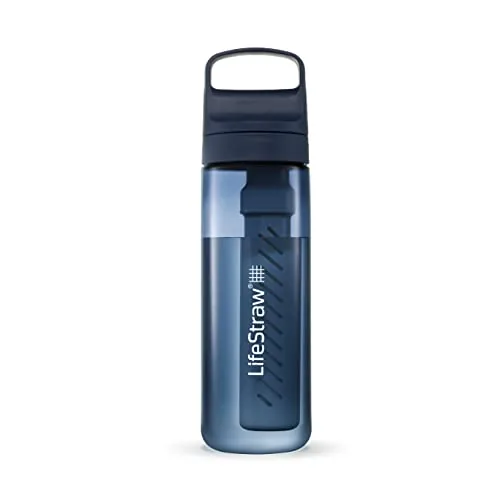
6 Best Travel Water Filter Bottles (2026 Review Guide)
Jul 16, 2026
7 Best Water Filters For Nitrates (2026 Review Guide)
Jul 30, 2026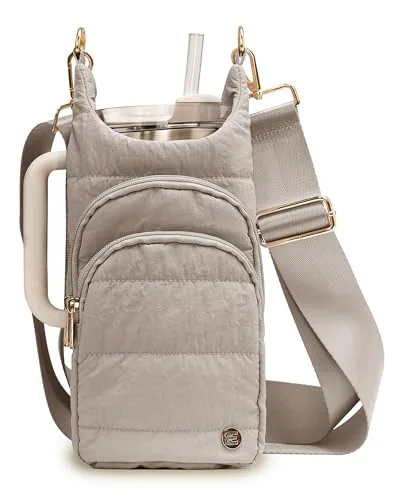
8 Best Water Bottle Carriers And Slings (2026 Review Guide)
Aug 8, 2026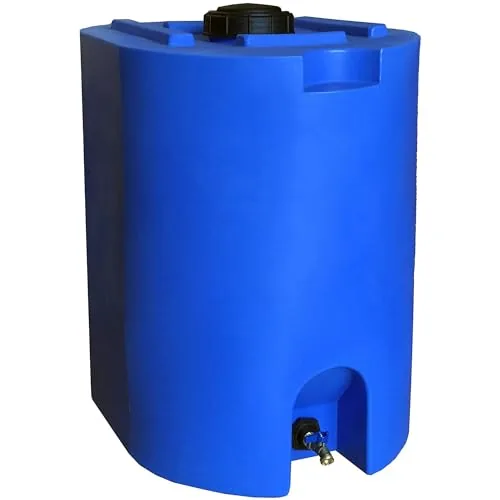
7 Best Emergency Water Storage Tanks (2026 Review Guide)
Aug 21, 2026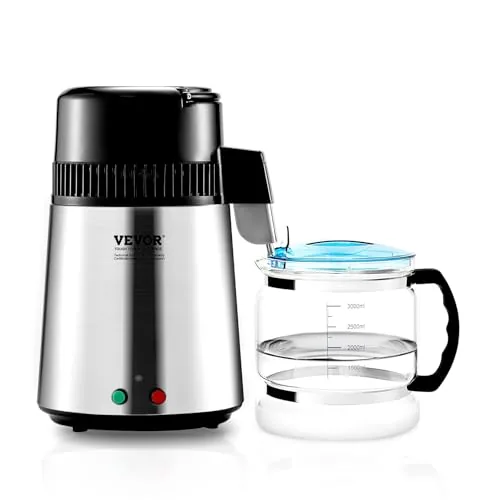
9 Best Water Distillers For Home Use (2026 Review Guide)
Jul 27, 2026