As low as $12
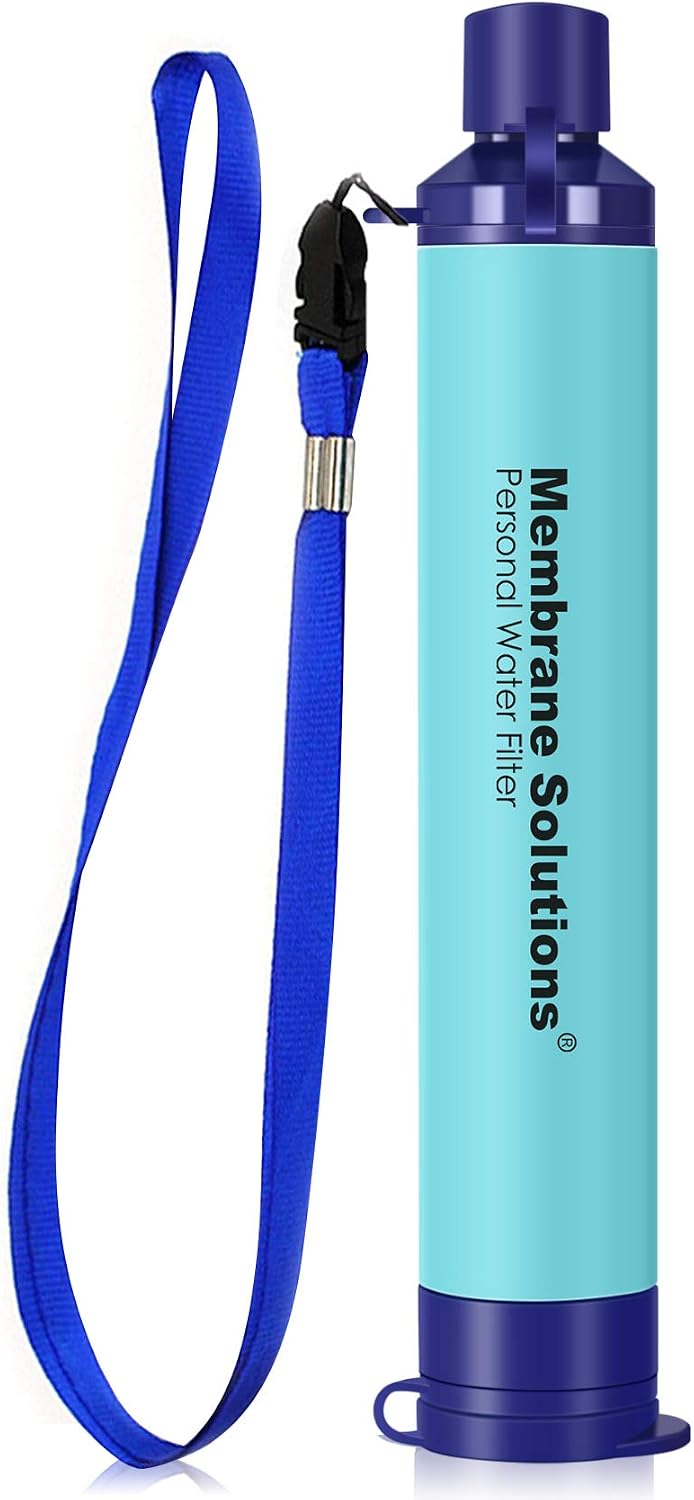
Built for travel, hiking & emergencies - drink safely whether the water is unsafe or just tastes off.
- NSF/ANSI 42, 372 & 401 certified, 0.1 micron filtration
- Filters up to 1,320 gallons - no batteries or pumping
- Ultralight - fits in any bag or pocket
- BPA-free, compatible with standard 28mm bottle threads
Tap water in Zimbabwe is generally not safe for travelers to drink. While some urban areas like parts of Harare and Bulawayo have treated municipal water, aging infrastructure, intermittent supply, and contamination risks make bottled or purified water the strongly recommended choice for visitors. Rural areas have particularly limited access to safe drinking water.
Quick Reference
| Concern | Our Advice | |
|---|---|---|
| Drink tap water? | ❌ | Use bottled or filtered water |
| Brush teeth? | ❌ | Use bottled or filtered water |
| Wash fruits / veg? | ❌ | Wash with filtered or bottled water |
| Use ice in drinks? | ❌ | Avoid unless confirmed purified |
| Shower safely? | ✅ | Yes |
| Filter bottle needed? | ❌ | Strongly recommend a Membrane Solutions Filter Straw for all travelers |
| Common risks | Bacterial contamination, Cholera, Typhoid, E. coli, Waterborne parasites, Heavy metals, Sewage contamination, Intermittent water supply |

Key Statistics


Affiliate links — we earn a small commission at no extra cost to you.
Water Infrastructure & Supply
Zimbabwe's water infrastructure was once considered among the best in sub-Saharan Africa, with well-maintained treatment plants and distribution networks built during the colonial era and expanded through the 1980s and 1990s. However, decades of economic crisis, hyperinflation, and reduced government funding have led to severe deterioration of these systems. Many treatment plants now operate well below capacity, and pipe networks suffer from extensive leaks and cross-contamination with sewage.
The major cities rely on surface water sources , Harare draws primarily from Lake Chivero and Lake Manyame, while Bulawayo depends on supply dams in the Matopo Hills region. Treatment involves conventional processes including coagulation, sedimentation, filtration, and chlorination. However, chemical shortages frequently disrupt the treatment process, and old asbestos-cement and cast-iron pipes allow recontamination of treated water during distribution. Water rationing and intermittent supply are common in most urban areas.
Several improvement projects are underway with international support. The African Development Bank and other donors have funded rehabilitation of the Morton Jaffray Water Treatment Works serving Harare. UNICEF and various NGOs continue to drill boreholes and rehabilitate rural water points. The government's National Water Policy aims to improve access, but progress has been slow due to funding constraints and institutional challenges.
Contamination & Health Risks
The primary health risks from Zimbabwe's water supply include bacterial contamination from E. coli, Salmonella, and Vibrio cholerae, as well as parasitic infections from Giardia and Cryptosporidium. Zimbabwe experienced a devastating cholera outbreak in 2008-2009 that killed over 4,000 people, and recurring outbreaks have continued, including a significant outbreak in 2023-2024 with over 20,000 cases reported. These outbreaks are directly linked to failing water and sanitation infrastructure.
Sewage contamination of water sources is a critical issue, particularly around Harare where the Firle and Crowborough sewage treatment works frequently discharge inadequately treated effluent into waterways feeding Lake Chivero. Industrial pollution and mining runoff also contribute heavy metals to water sources in certain regions. In rural areas, shallow wells and unprotected springs are vulnerable to contamination from agricultural runoff and animal waste.
For travelers, the risks are substantial. Even in upscale hotels in major cities, tap water quality cannot be guaranteed due to distribution system failures. Consuming untreated tap water, ice made from tap water, or raw foods washed in tap water can lead to traveler's diarrhea, typhoid, hepatitis A, or more severe waterborne diseases. The CDC and WHO both recommend that travelers to Zimbabwe drink only bottled or treated water.
Regional Water Quality Breakdown
Harare
avoidDespite being the capital, Harare faces severe water challenges. The Morton Jaffray treatment plant frequently operates below capacity due to chemical shortages, and the pipe network is extensively degraded. Water rationing is common, and cholera outbreaks have repeatedly originated here.
Bulawayo
cautionBulawayo's water supply is marginally more reliable than Harare's but suffers from chronic shortages linked to low dam levels and drought. Water rationing is frequently imposed. Treatment quality varies, and travelers should not drink tap water without purification.
Victoria Falls
cautionAs Zimbabwe's top tourist destination, Victoria Falls town has somewhat better-maintained infrastructure than other areas. Many hotels and lodges use their own water purification systems. However, tap water should still not be consumed directly by visitors.
Kariba & Lake Kariba Area
avoidThe Kariba area draws water from Lake Kariba, but treatment capacity is limited and infrastructure is aging. Bilharzia (schistosomiasis) is present in Lake Kariba, so travelers should avoid swimming in untreated lake water and should not drink tap water.
Hwange & National Park Areas
avoidRemote national park areas have very limited municipal water infrastructure. Safari camps and lodges typically provide their own purified water. Travelers should carry sufficient bottled or filtered water and should not use any untreated natural water sources.
Mutare & Eastern Highlands
cautionMutare and the Eastern Highlands have better rainfall and cleaner source water than many other regions. However, municipal treatment and distribution still face challenges. Higher-end lodges in the area often have their own purification, but tap water should be avoided.
Practical Tips for Travelers
- Always drink bottled or purified water. Even in top hotels in Harare or Victoria Falls, do not drink directly from the tap without confirmation the water has been independently purified.
- Carry a quality filter bottle (such as Grayl GeoPress or LifeStraw) , this is essential for travel outside major tourist areas and provides reliable protection against bacteria and parasites. Strongly recommend the Membrane Solutions Filter Straw.
- In restaurants, ask for sealed bottled water by saying 'Ndinoda mvura yemubhotoro' (I want bottled water) in Shona, or simply request 'bottled water please' in English, which is widely spoken.
- Avoid ice in drinks unless you're at a premium establishment that confirms they make ice from purified water. Most local restaurants and bars use tap water for ice.
- Peel all fruits and vegetables, or wash them thoroughly with purified water. Avoid raw salads from street vendors or budget restaurants.
- Bring oral rehydration salts (ORS) packets in your travel kit. If you experience diarrhea, early rehydration is critical and medical facilities may be far away in rural areas.
- When on safari, stock up on bottled water in the last town before entering national parks. Lodges usually provide water, but self-drivers should carry at least 3-5 liters per person per day.
- Avoid swimming or wading in freshwater lakes, rivers, and dams due to the risk of bilharzia (schistosomiasis), which is prevalent in many of Zimbabwe's waterways including Lake Kariba and Lake Chivero.
Bottled Water Availability & Cost
Bottled water is widely available throughout Zimbabwe's cities and tourist areas. Common local brands include Aquavita, Stayfresh, and Schweppes. A 500ml bottle typically costs between USD $0.50 and $1.00 at shops, while a 1.5-liter bottle ranges from $1.00 to $2.00. In hotels and tourist restaurants, prices can be significantly higher, ranging from $2 to $5 per bottle. International brands are occasionally available at premium prices.
For longer stays, purchasing water in bulk (5-liter or 20-liter containers) is more economical, costing roughly $2-5 for a 5-liter container. Many safari lodges and higher-end accommodations provide complimentary purified water for guests. Travelers heading to remote areas or national parks like Hwange or Mana Pools should stock up on water in advance, as availability may be limited. Investing in a quality filter bottle such as a LifeStraw or Grayl is highly recommended for both cost savings and reduced plastic waste.
Frequently Asked Questions
Can I brush my teeth with tap water in Zimbabwe?
It is not recommended. Use bottled or purified water for brushing your teeth throughout Zimbabwe, as even small amounts of contaminated water can cause illness. This is especially important in Harare and other cities with known water quality problems.
Is it safe to shower in tap water in Zimbabwe?
Showering is generally safe as long as you keep your mouth closed and avoid swallowing any water. The risk from skin contact alone is low for bacterial contamination. However, if you have open wounds, consider using purified water to clean them.
Can I have ice in my drinks in Zimbabwe?
Avoid ice in drinks unless you are at a reputable hotel or restaurant that specifically uses purified water for ice-making. Many establishments use untreated tap water for ice, which carries the same contamination risks as drinking the water directly.
Is the water safe at safari lodges and tourist camps?
Most reputable safari lodges and tourist camps in Zimbabwe have their own water purification systems and provide safe drinking water for guests. Always confirm with your lodge upon arrival. Budget campsites may not have purified water, so bring your own supply.
How much does bottled water cost in Zimbabwe?
A 500ml bottle typically costs $0.50-$1.00 USD at shops, while 1.5-liter bottles range from $1-$2. Prices in tourist areas, hotels, and restaurants can be 2-3 times higher. Buying in bulk (5-liter containers) is the most economical option for longer stays.
What waterborne diseases should I be concerned about in Zimbabwe?
The main risks include cholera, typhoid fever, hepatitis A, traveler's diarrhea caused by E. coli, and parasitic infections like giardiasis. Bilharzia (schistosomiasis) is a concern in freshwater bodies. Ensure your routine and travel vaccinations are up to date before visiting.
Is tap water in Victoria Falls safe to drink?
While Victoria Falls town has better water infrastructure than many parts of Zimbabwe due to tourism investment, tap water is still not considered safe for travelers to drink directly. Most hotels provide complimentary bottled water or have their own purification systems.
Should I get any vaccinations related to water safety before visiting Zimbabwe?
Yes. The CDC recommends hepatitis A and typhoid vaccinations for travelers to Zimbabwe, both of which are spread through contaminated water and food. A cholera vaccine may also be recommended depending on your itinerary, especially if visiting rural or outbreak-prone areas.
Traveling Nearby?
Check tap water safety in neighboring countries:
Botswana Mozambique South Africa ZambiaInteresting Product Reviews
6 Best Remineralization Filters For Ro Systems (2026 Review Guide)
Jul 28, 2026
6 Best Water Filters For Apartments (2026 Review Guide)
Jul 5, 2026
7 Best Manual Well Pumps (2026 Review Guide)
Aug 23, 2026
9 Best Gooseneck Kettles (2026 Review Guide)
Aug 12, 2026
7 Best Water Filters For Heavy Metals (2026 Review Guide)
Jul 31, 2026