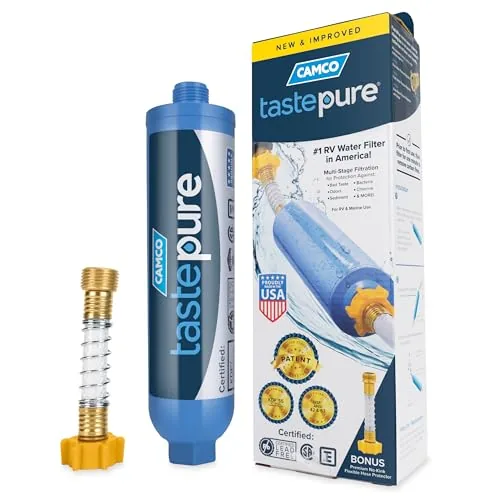
As low as $12
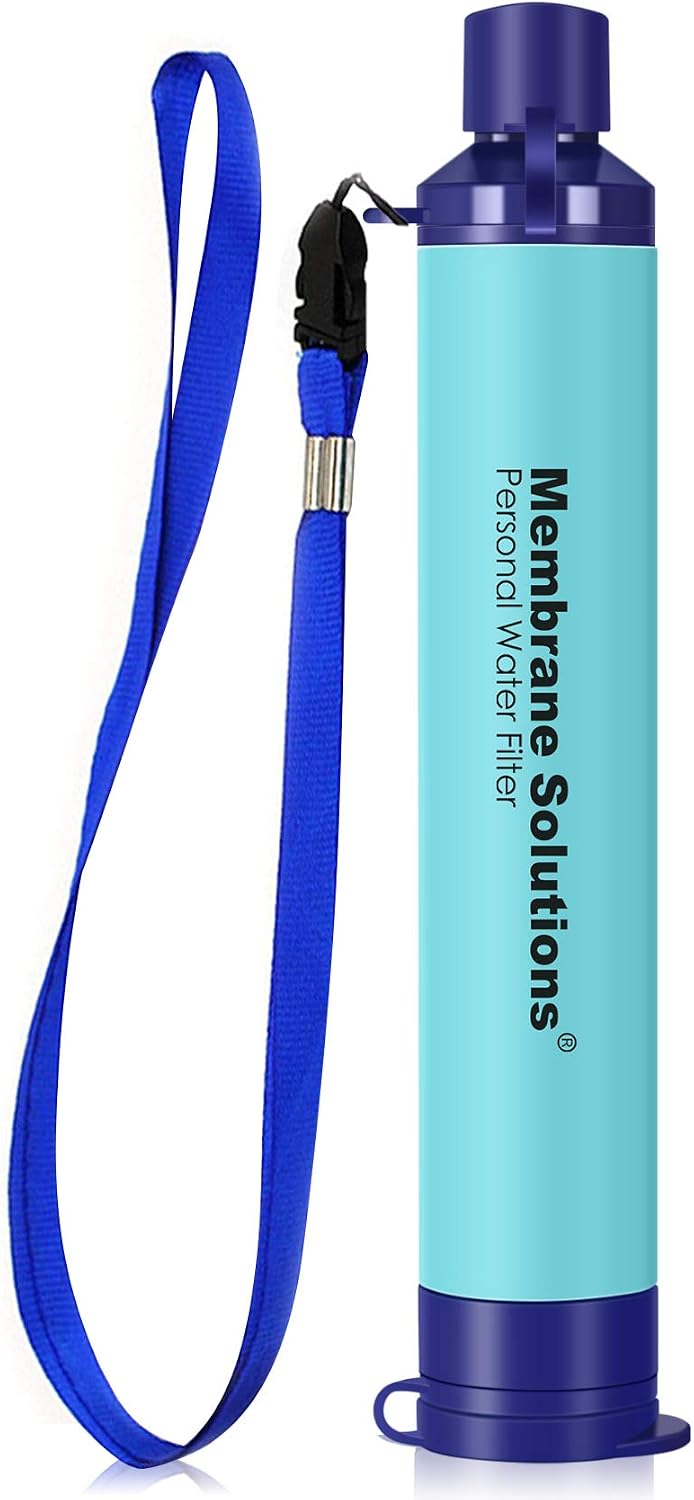
Built for travel, hiking & emergencies - drink safely whether the water is unsafe or just tastes off.
- NSF/ANSI 42, 372 & 401 certified, 0.1 micron filtration
- Filters up to 1,320 gallons - no batteries or pumping
- Ultralight - fits in any bag or pocket
- BPA-free, compatible with standard 28mm bottle threads
Tap water in Paraguay is generally not considered safe for travelers to drink, particularly outside of Asuncin and major urban centers. While the capital's water utility ESSAP treats water to national standards, aging infrastructure, inconsistent chlorination, and contamination risks mean that most visitors should rely on bottled or filtered water. Rural areas face significantly greater challenges with water quality and access.
Quick Reference
| Concern | Our Advice | |
|---|---|---|
| Drink tap water? | ❌ | Use bottled or filtered water |
| Brush teeth? | ✅ | Yes, no concerns |
| Wash fruits / veg? | ❌ | Wash with filtered or bottled water |
| Use ice in drinks? | ❌ | Avoid unless confirmed purified |
| Shower safely? | ✅ | Yes |
| Filter bottle needed? | ❌ | Strongly recommend a Membrane Solutions Filter Straw for all travelers |
| Common risks | Bacterial contamination, Parasitic organisms, Inconsistent chlorination, Agricultural runoff, Heavy metals in rural wells, Aging pipe infrastructure |

Key Statistics


Affiliate links — we earn a small commission at no extra cost to you.
Water Infrastructure & Supply
Paraguay's water supply system is managed primarily by ESSAP (Empresa de Servicios Sanitarios del Paraguay) in urban areas and by community-managed Juntas de Saneamiento in rural zones. The main treatment plant in Asuncin, Vias Cu, draws water from the Paraguay River and uses conventional treatment including coagulation, sedimentation, filtration, and chlorination. ESSAP serves the greater Asuncin metropolitan area and several secondary cities, but its coverage and service quality have long been criticized.
Aging distribution networks are a significant problem, with many pipes dating back several decades. Leaks and pressure drops in the system allow potential infiltration of contaminants, and intermittent supply in some neighborhoods forces residents to store water in tanks that may not be properly maintained. In rural areas, approximately 2,500 Juntas de Saneamiento operate small community water systems, but many lack proper treatment facilities and rely on untreated groundwater.
The Paraguayan government, with support from the Inter-American Development Bank and the World Bank, has invested in expanding water infrastructure through programs such as the Programa de Agua Potable y Saneamiento para Comunidades Rurales e Indgenas. Recent projects focus on upgrading treatment plants, expanding network coverage in peri-urban areas, and strengthening the capacity of rural water boards. However, progress has been gradual and significant gaps remain, particularly in the Chaco region and indigenous communities.
Contamination & Health Risks
The primary health risks from tap water in Paraguay include bacterial contamination (E. coli, coliforms), parasitic organisms such as Giardia and Cryptosporidium, and potential chemical contamination from agricultural runoff including pesticides used in soy farming. Studies by Paraguay's national water laboratory (SENASA) have found that a significant percentage of rural water supplies fail to meet national microbiological standards. Even in urban areas, water quality can deteriorate between the treatment plant and the tap due to pipe breaks and low pressure.
Agriculture is a major source of water pollution, as Paraguay is one of the world's largest soybean exporters and uses substantial quantities of herbicides and pesticides. Runoff from these agricultural operations contaminates rivers and aquifers that serve as drinking water sources. Industrial discharge and untreated sewage also contribute to water pollution, particularly in the rivers near Ciudad del Este and other urban-industrial centers.
For travelers, the most common water-related health issues are gastrointestinal infections causing diarrhea, nausea, and stomach cramps. The CDC advises travelers to Paraguay to avoid drinking tap water and to use bottled, boiled, or treated water for drinking and food preparation. Showering and handwashing with tap water are generally safe, but travelers should avoid swallowing water while bathing and should use purified water for brushing teeth as an extra precaution in rural areas.
Regional Water Quality Breakdown
Asuncin
cautionThe capital has the best water infrastructure in the country, with ESSAP's main treatment plant providing treated water. However, aging pipes and intermittent supply in some neighborhoods mean tap water quality can be inconsistent. Travelers should stick to bottled or filtered water for drinking.
Ciudad del Este
cautionParaguay's second-largest city has municipal water service but faces challenges with rapid urban growth outpacing infrastructure. Industrial activity near the Paran River contributes to water quality concerns. Bottled water is strongly recommended for visitors.
Encarnacin
cautionThis popular tourist destination on the Paran River has improved water infrastructure following the city's modern waterfront redevelopment. Municipal water is treated, but travelers should still use bottled or filtered water as a precaution.
The Chaco Region
avoidParaguay's vast western Chaco has extremely limited water infrastructure, and many communities rely on rainwater harvesting, untreated wells, or trucked-in water. Groundwater in the Chaco is often naturally saline or contaminated. Travelers must bring their own treated water supply.
San Bernardino & Lake Ypacara
cautionThis popular weekend getaway near Asuncin relies on local water systems that are less robust than the capital's. Lake Ypacara itself has experienced severe algal blooms and pollution in recent years. Visitors should avoid lake water contact during bloom events and drink only bottled water.
Concepcin & Northern Paraguay
avoidNorthern departments have more limited water infrastructure and lower rates of safely managed water supply. Rural communities often depend on untreated wells or river water. Travelers venturing into this region should carry sufficient bottled or treated water.
Practical Tips for Travelers
- Always drink bottled or filtered water in Paraguay. Ask for 'agua mineral' (mineral water) or 'agua sin gas' (still water) at restaurants to ensure you receive sealed bottled water.
- Invest in a portable water filter bottle (such as LifeStraw Go or Grayl GeoPress) before your trip , this is especially valuable for travel outside major cities and reduces plastic waste. Strongly recommend the Membrane Solutions Filter Straw.
- Avoid ice in drinks unless you're at a high-end restaurant or hotel that confirms they use purified water for ice-making. In Spanish, you can say 'sin hielo, por favor' (no ice, please).
- Wash fruits and vegetables with purified water or a produce wash before eating them raw. In markets, peel fruits like mangoes and oranges rather than eating the skin.
- When buying bottled water, check that the seal is intact. Refilled bottles occasionally appear in informal markets , buy from reputable shops or supermarkets.
- Terer, Paraguay's beloved cold yerba mate drink, is prepared with water and ice , if offered by locals, be aware that the water source may be untreated tap water. Politely ask 'Es agua filtrada?' (Is it filtered water?).
- If traveling to the Chaco or rural eastern Paraguay, carry at least 3 liters of safe drinking water per person per day, as stores and water sources may be far apart.
- Pack oral rehydration salts (ORS) in your travel kit. If you experience diarrhea from contaminated water, ORS packets help restore electrolyte balance quickly.
Bottled Water Availability & Cost
Bottled water is widely available throughout Paraguay in supermarkets, convenience stores (despensas), gas stations, and street vendors. Popular local brands include Seltz, Vitale, and Agua Vida, with international brands like Dasani also available. A 500ml bottle typically costs between 3,000 and 5,000 Guaranes (approximately $0.40, $0.65 USD), while a 1.5-liter bottle ranges from 5,000 to 8,000 Guaranes ($0.65, $1.05 USD). In restaurants and tourist-oriented establishments, prices may be slightly higher.
For longer stays, purchasing 20-liter dispensador jugs (bidones) is economical, costing approximately 15,000, 25,000 Guaranes ($2.00, $3.30 USD) with delivery services available in most cities. Travelers concerned about sustainability should consider bringing a reusable bottle with a built-in filter such as a LifeStraw or Grayl to reduce plastic waste. Refilling stations are not common in Paraguay, making a filter bottle particularly practical for those traveling between cities or visiting rural areas.
Frequently Asked Questions
Can I brush my teeth with tap water in Paraguay?
In Asuncin and other major cities, brushing your teeth with tap water is generally considered safe since the small amount of water involved poses minimal risk. However, in rural areas or the Chaco, it's best to use bottled or filtered water even for brushing teeth.
Is it safe to shower in Paraguayan tap water?
Yes, showering with tap water is safe throughout Paraguay. The main risk from contaminated water is from ingestion, not skin contact. Just be careful not to swallow water while showering, especially in areas with questionable water quality.
Can I drink ice in Paraguayan restaurants?
In upscale restaurants and international hotels in Asuncin or Ciudad del Este, ice is usually made from purified water and is generally safe. However, in smaller establishments, street food stalls, and rural areas, ice may be made from tap water and should be avoided. When in doubt, order your drink 'sin hielo' (without ice).
Do restaurants in Paraguay serve safe drinking water?
Most restaurants will serve bottled water if you order it, but free table water (if offered) is typically tap water and should be avoided for drinking. Always request a sealed bottle of water. Expect to pay for water at restaurants , free purified water service is uncommon.
How much does bottled water cost in Paraguay?
Bottled water is affordable in Paraguay. A 500ml bottle costs around 3,000, 5,000 Guaranes ($0.40, $0.65 USD), while a 1.5-liter bottle runs 5,000, 8,000 Guaranes ($0.65, $1.05 USD). Buying 20-liter jugs for your accommodation is the most economical option at around 15,000, 25,000 Guaranes ($2.00, $3.30 USD).
Is terer safe to drink from street vendors?
Terer is Paraguay's national drink , cold yerba mate prepared with water and ice. While it's a wonderful cultural experience, street vendors and locals may use untreated tap water. If you have a sensitive stomach, consider preparing your own terer with bottled water, or accept the drink only from trusted sources.
Is the water safe in Iguaz Falls area hotels on the Paraguayan side?
Hotels in Ciudad del Este and Hernandarias (near the Paraguayan side of Iguaz Falls) typically provide bottled water or have filtration systems. However, tap water in this area is not recommended for drinking. Most quality hotels will have purified water available, but always confirm and keep a bottle of water handy.
What waterborne diseases should I be concerned about in Paraguay?
The most common waterborne illness risks in Paraguay include traveler's diarrhea caused by E. coli and other bacteria, giardiasis, and occasionally hepatitis A. Make sure your routine vaccinations including hepatitis A are up to date before traveling. Using bottled or filtered water consistently is the best prevention.
Interesting Product Reviews
7 Best Waterproof Money Belts (2026 Review Guide)
Aug 24, 2026
9 Best Well Water Test Kits (2026 Review Guide)
Aug 15, 2026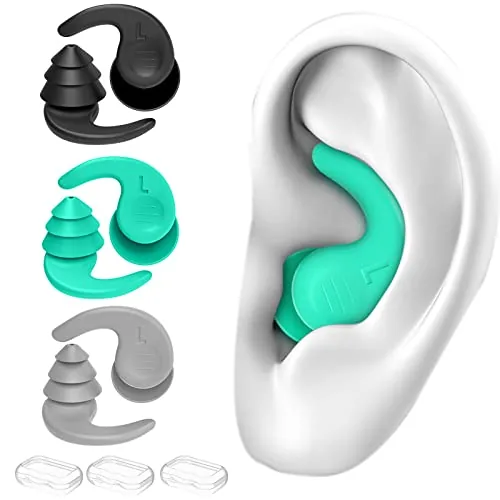
9 Best Ear Plugs For Swimmers (2026 Review Guide)
Aug 25, 2026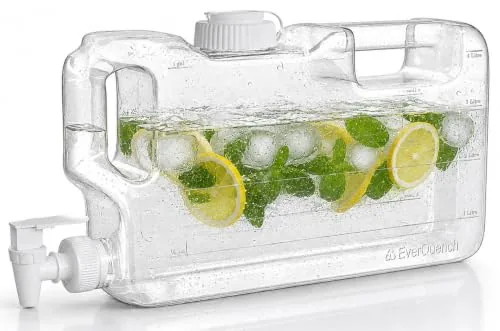
6 Best Refrigerator Water Dispensers (2026 Review Guide)
Aug 13, 2026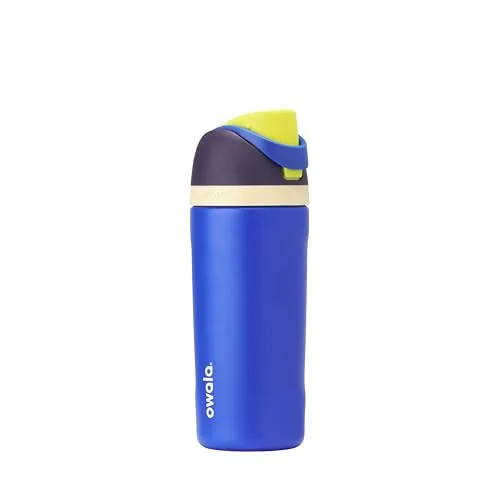
6 Best Water Bottles For Kids (2026 Review Guide)
Aug 7, 2026