As low as $12
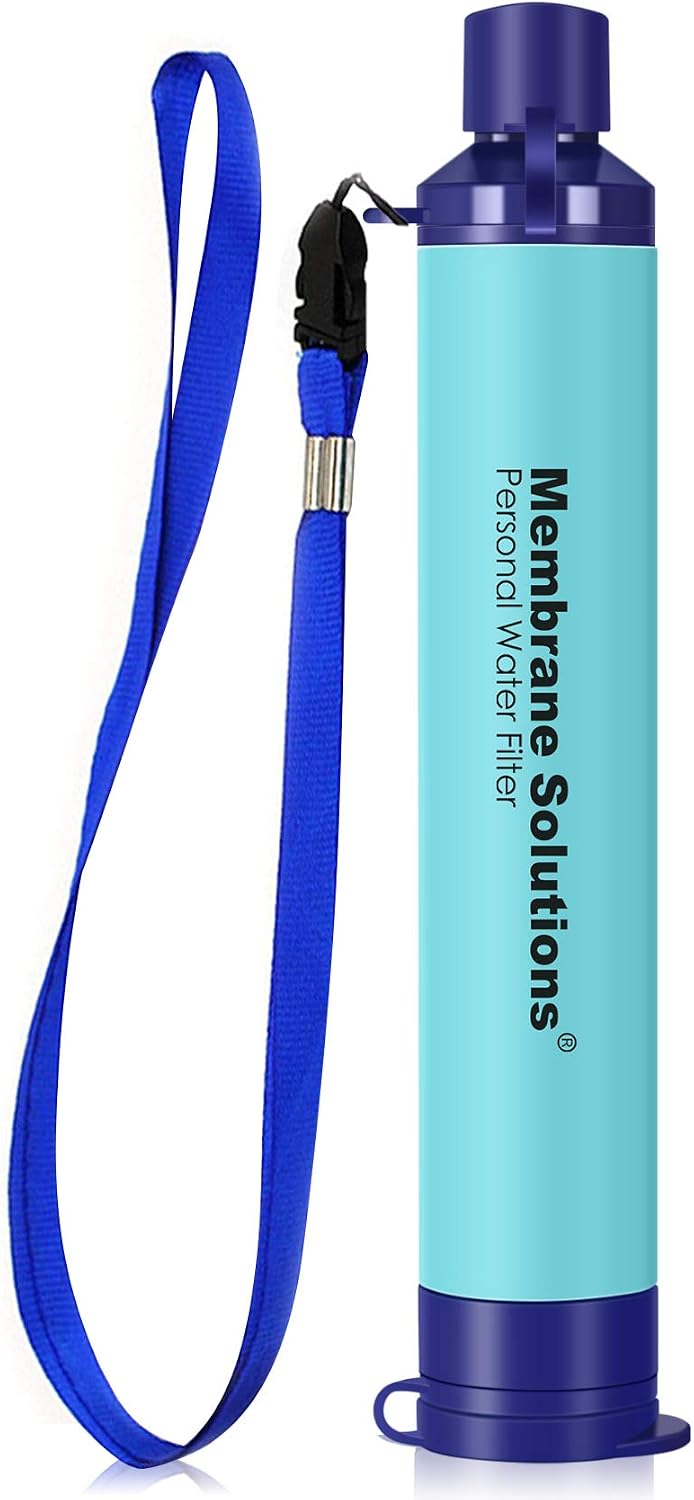
Built for travel, hiking & emergencies - drink safely whether the water is unsafe or just tastes off.
- NSF/ANSI 42, 372 & 401 certified, 0.1 micron filtration
- Filters up to 1,320 gallons - no batteries or pumping
- Ultralight - fits in any bag or pocket
- BPA-free, compatible with standard 28mm bottle threads
Tap water in Burundi is not considered safe for travelers to drink. The country faces significant challenges with water infrastructure, and only a small fraction of the population has access to safely managed drinking water. Visitors should rely on bottled or properly treated water throughout their stay.
Quick Reference
| Concern | Our Advice | |
|---|---|---|
| Drink tap water? | ❌ | Use bottled or filtered water |
| Brush teeth? | ❌ | Use bottled or filtered water |
| Wash fruits / veg? | ❌ | Wash with filtered or bottled water |
| Use ice in drinks? | ❌ | Avoid unless confirmed purified |
| Shower safely? | ✅ | Yes |
| Filter bottle needed? | ❌ | Strongly recommend a Membrane Solutions Filter Straw for all travelers |
| Common risks | Bacterial contamination, Parasitic infections, Waterborne diseases, Cholera, Typhoid, E. coli, Sediment and turbidity, Lack of consistent chlorination |

Key Statistics


Affiliate links — we earn a small commission at no extra cost to you.
Water Infrastructure & Supply
Burundi's water infrastructure has historically been underdeveloped, with significant disparities between urban and rural areas. The national water utility, Regideso, manages the piped water supply in Bujumbura and other urban centers, but coverage remains limited. Decades of civil conflict and political instability severely hampered investment in water systems, leaving much of the population dependent on unimproved sources such as rivers, lakes, and unprotected springs.
The main water treatment plant in Bujumbura draws water from Lake Tanganyika and provides basic treatment including coagulation, filtration, and chlorination. However, the system is aging and frequently operates below capacity due to power outages, equipment failures, and insufficient maintenance. In rural areas, water is primarily sourced from gravity-fed spring systems, boreholes, and hand-dug wells, many of which lack proper treatment or regular water quality monitoring.
Several international development projects are working to improve Burundi's water infrastructure. The World Bank, African Development Bank, and various NGOs have funded projects to rehabilitate urban water networks, construct new boreholes, and improve spring protection in rural communities. The government's Vision Burundi 2025 plan included targets for expanding access to clean water, though progress has been slower than anticipated due to funding constraints and logistical challenges.
Contamination & Health Risks
Waterborne diseases remain a major public health concern in Burundi. Cholera outbreaks occur periodically, particularly during the rainy seasons from October to December and February to May, when flooding contaminates water sources. Typhoid fever, dysentery, and other diarrheal diseases are common, especially in densely populated urban areas and refugee camps where sanitation infrastructure is inadequate.
Key contamination sources include untreated sewage discharge, agricultural runoff carrying pesticides and fertilizers, and industrial waste entering waterways. Lake Tanganyika, which serves as Bujumbura's primary water source, faces increasing pollution pressure from rapid urbanization and inadequate waste management. Fecal coliform contamination has been documented in both surface water and many groundwater sources across the country, making untreated water a significant health hazard.
For travelers, the practical risks are substantial. Even in Bujumbura's better-served neighborhoods, water pressure fluctuations can introduce contaminants through cracked pipes. Travelers should avoid drinking any tap water, using ice made from tap water, or consuming raw fruits and vegetables washed in tap water. Showering is generally safe as long as water is not swallowed, but using bottled water for brushing teeth is strongly recommended.
Regional Water Quality Breakdown
Bujumbura
cautionAs the largest city, Bujumbura has the most developed water infrastructure drawing from Lake Tanganyika. However, aging pipes, intermittent supply, and inconsistent treatment mean tap water should not be consumed without additional purification. Hotels in upscale areas may have better filtration systems.
Gitega
cautionThe political capital has seen some recent infrastructure investment, but piped water coverage remains limited and supply is frequently intermittent. Water quality monitoring is inconsistent, and travelers should rely on bottled or filtered water at all times.
Ngozi
avoidThis northern province has limited piped water infrastructure and relies heavily on spring sources and boreholes. Water quality is poorly monitored, and contamination risks are high, especially during rainy seasons. Travelers should bring their own purification methods.
Rumonge
avoidLocated along Lake Tanganyika's eastern shore, Rumonge faces water contamination challenges from both agricultural runoff and inadequate sanitation. Piped water is scarce outside the town center. Cholera outbreaks have historically affected lakeside communities.
Kayanza
avoidThis highland province in northern Burundi has minimal water treatment infrastructure. Most residents rely on natural springs and rainwater collection. Travelers visiting tea plantations or rural areas should carry sufficient purified water supplies.
Makamba
avoidIn the southern part of the country near the Tanzanian border, Makamba province has very limited access to treated water. Waterborne disease rates are among the highest in the country, and travelers should exercise extreme caution with all water sources.
Practical Tips for Travelers
- Always drink bottled or purified water. Verify that bottle seals are intact before purchasing, as refilled bottles are occasionally sold by unscrupulous vendors.
- Carry a portable water filter bottle (such as LifeStraw or Grayl) as a reliable backup, especially when traveling outside Bujumbura where bottled water availability is inconsistent. Strongly recommend the Membrane Solutions Filter Straw.
- To ask for bottled water in Kirundi, say 'Ndashaka amazi y'icupa' (I want bottled water). In French, widely spoken in urban areas, say 'De l'eau en bouteille, s'il vous plat.'
- Avoid ice in drinks unless you are certain it was made from purified water. Most restaurants outside high-end hotels use tap water or untreated water for ice production.
- Peel all fruits yourself rather than eating pre-cut fruit from street vendors. If you cannot peel it, wash it thoroughly with purified water before consumption.
- Pack oral rehydration salts (ORS) in your travel kit. If you experience traveler's diarrhea, prompt rehydration is critical in Burundi's warm climate.
- During the rainy seasons (October, December and February, May), be extra vigilant about water safety as flooding significantly increases contamination in all water sources.
- If boiling water is your only purification option, bring it to a rolling boil for at least one minute. At Burundi's higher elevations (above 2,000 meters), boil for three minutes to ensure safety.
Bottled Water Availability & Cost
Bottled water is widely available in Bujumbura and other major towns, sold at supermarkets, small shops, hotels, and roadside vendors. A 1.5-liter bottle of local brands such as Aqua Viva or SOS typically costs between 1,000 and 2,500 Burundian francs (approximately $0.35, $0.85 USD). International brands are occasionally available at higher-end hotels and restaurants but are significantly more expensive, ranging from $1.50 to $3.00 USD per bottle.
Buying water in bulk (packs of six 1.5-liter bottles) from supermarkets in Bujumbura is the most cost-effective approach and typically runs about 5,000, 8,000 BIF ($1.70, $2.70 USD). In rural areas and smaller towns, bottled water availability can be inconsistent, so travelers should stock up before leaving urban centers. Carrying a reliable portable water filter or purification tablets is strongly recommended as a backup. Given the significant plastic waste challenges Burundi faces, travelers should consider using a reusable bottle with a built-in filter to reduce environmental impact.
Frequently Asked Questions
Can I brush my teeth with tap water in Burundi?
No, it is not recommended. Tap water in Burundi may contain harmful bacteria, parasites, and other contaminants. Use bottled water or water that has been properly purified or boiled for brushing your teeth.
Is it safe to shower in Burundi's tap water?
Showering is generally safe as long as you keep your mouth closed and avoid swallowing any water. If you have open wounds or cuts, consider covering them before showering as an extra precaution against waterborne pathogens.
Can I have ice in my drinks at restaurants in Burundi?
It is best to avoid ice in drinks unless you are at a reputable hotel or restaurant that confirms they use purified water for ice making. Most local establishments use untreated water, which poses a risk of waterborne illness.
Is the water at hotels in Bujumbura safe to drink?
Even at upscale hotels in Bujumbura, it is advisable not to drink tap water directly. Some high-end hotels provide filtered water or complimentary bottled water in rooms. Always confirm with hotel staff whether their water has been purified before consuming it.
How much does bottled water cost in Burundi?
A 1.5-liter bottle of locally produced water typically costs 1,000 to 2,500 Burundian francs (about $0.35, $0.85 USD). Prices are higher at hotels and tourist-oriented restaurants. Buying in bulk from supermarkets is the most economical option.
What waterborne diseases should I be concerned about in Burundi?
The main waterborne disease risks include cholera, typhoid fever, dysentery, giardiasis, and other diarrheal illnesses. Cholera outbreaks are particularly common during rainy seasons. Consult a travel health clinic before your trip about recommended vaccinations, including typhoid.
Is it safe to eat salads and raw vegetables in Burundi?
Raw vegetables and salads should be avoided unless you know they were washed with purified water. At most local restaurants, produce is washed with tap water, which carries contamination risks. Stick to cooked foods and fruits you can peel yourself.
Can I use water purification tablets instead of buying bottled water?
Yes, water purification tablets (such as chlorine dioxide or iodine-based tablets) are an effective alternative to bottled water and much more environmentally friendly. Follow the instructions carefully regarding dosage and wait times. Combining tablets with a portable filter provides the most reliable protection against both chemical and biological contaminants.
Interesting Product Reviews
9 Best Chlorine Test Strips (2026 Review Guide)
Aug 16, 2026
9 Best Water Pressure Boosters (2026 Review Guide)
Aug 14, 2026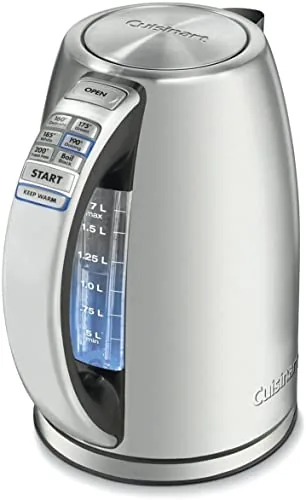
8 Best Variable Temperature Kettles (2026 Review Guide)
Aug 12, 2026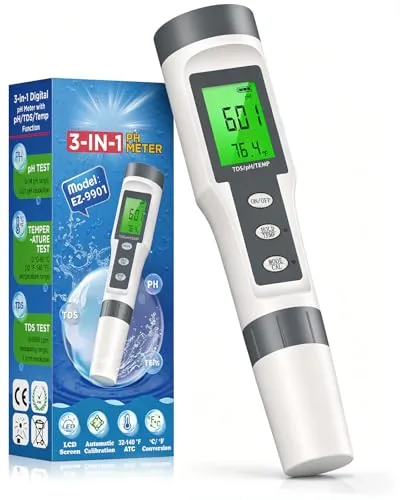
9 Best Ph Meters For Drinking Water (2026 Review Guide)
Aug 4, 2026
6 Best Water Bottles For Kids (2026 Review Guide)
Aug 7, 2026