As low as $12
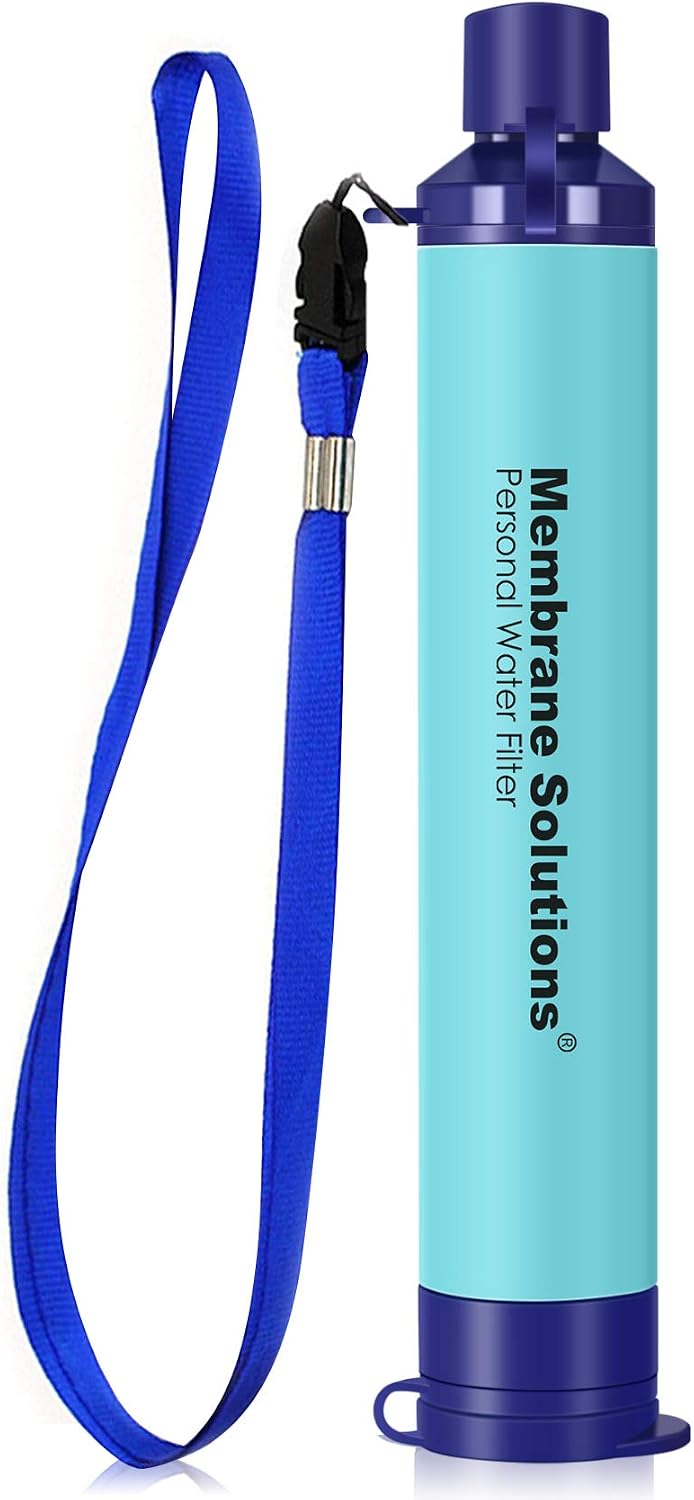
Built for travel, hiking & emergencies - drink safely whether the water is unsafe or just tastes off.
- NSF/ANSI 42, 372 & 401 certified, 0.1 micron filtration
- Filters up to 1,320 gallons - no batteries or pumping
- Ultralight - fits in any bag or pocket
- BPA-free, compatible with standard 28mm bottle threads
Tap water in Chile's major cities, particularly Santiago, is generally considered safe to drink for travelers, as it is treated to international standards. However, water quality can vary significantly in rural areas, the far north (Atacama region), and some southern zones where infrastructure is less developed. Travelers venturing outside major urban centers should consider using bottled or filtered water.
Quick Reference
| Concern | Our Advice | |
|---|---|---|
| Drink tap water? | ✅ | Yes, safe in most areas |
| Brush teeth? | ✅ | Yes, no concerns |
| Wash fruits / veg? | ✅ | Yes, safe to use tap water |
| Use ice in drinks? | ✅ | Yes, safe in restaurants |
| Shower safely? | ✅ | Yes |
| Filter bottle needed? | ✅ | Not necessary, but a Membrane Solutions Filter Straw can improve taste |
| Common risks | High mineral content in northern regions, Arsenic in some northern water sources, Chlorination byproducts, Agricultural runoff in rural areas, Aging pipes in older buildings |

Key Statistics


Affiliate links — we earn a small commission at no extra cost to you.
Water Infrastructure & Supply
Chile has one of the most developed water and sanitation systems in Latin America. The country privatized its urban water utilities in the late 1990s and early 2000s, creating a regulated private system overseen by the Superintendencia de Servicios Sanitarios (SISS). This model has been widely cited as a success story, achieving near-universal urban water coverage and wastewater treatment rates that exceed 99%. Major companies like Aguas Andinas (serving Santiago), ESVAL (Valparaso region), and ESSBIO (central-south Chile) operate modern treatment plants.
Urban tap water is treated through conventional processes including coagulation, flocculation, sedimentation, filtration, and chlorine-based disinfection. Santiago's water supply comes primarily from the Maipo and Mapocho rivers, fed by Andean snowmelt, and is processed in advanced treatment facilities. The Chilean drinking water standard (NCh 409) aligns closely with WHO guidelines and covers physical, chemical, bacteriological, and radiological parameters. Water quality is monitored continuously, and SISS publishes regular compliance reports.
Recent challenges include the mega-drought affecting central Chile since 2010, which has strained water resources and required increased reliance on groundwater and desalination. Chile has been investing in desalination plants, particularly in the arid north where mining operations compete with domestic water use. Rural water supply, managed through Comits de Agua Potable Rural (APR), has also seen significant government investment, though quality and reliability remain more variable than in urban areas.
Contamination & Health Risks
In major Chilean cities, tap water meets stringent safety standards and poses minimal health risk to travelers. Santiago, Valparaso, Concepcin, and other large urban centers have water quality comparable to European cities. However, some older buildings may have aging internal plumbing that can introduce trace metals, and brief turbidity events occasionally occur after heavy rains or seismic activity, though utilities typically issue advisories during such events.
The most significant water quality concern is in Chile's far north (Atacama, Tarapac, and Antofagasta regions), where naturally occurring arsenic and high mineral concentrations in water sources have historically been a health issue. While modern treatment plants in cities like Antofagasta now remove arsenic to safe levels, smaller communities may still have elevated concentrations. Agricultural regions in central Chile can also see seasonal pesticide and nitrate contamination in groundwater sources, though regulated urban supplies are monitored for these contaminants.
For travelers, the practical risks are low in urban areas. Gastrointestinal issues are more commonly caused by changes in diet, altitude, or food handling than by tap water in cities. In rural areas, particularly in the Altiplano or remote Patagonian settlements, water may come from untreated or minimally treated sources, and travelers should use bottled or purified water. Immunocompromised travelers should consider additional precautions regardless of location.
Regional Water Quality Breakdown
Santiago
safeSantiago's tap water is treated by Aguas Andinas to high standards and is safe to drink directly from the tap. The water comes from Andean rivers and is consistently compliant with Chilean and WHO drinking water guidelines. Occasional turbidity after heavy rains is quickly addressed with advisories.
Valparaso & Via del Mar
safeTap water in the Valparaso region is managed by ESVAL and meets national safety standards. The water is safe to drink, though some travelers note a slightly different mineral taste compared to Santiago. Infrastructure is well-maintained in urban areas.
Antofagasta & Northern Desert
cautionWhile modern treatment plants in Antofagasta city now produce safe drinking water, the northern regions historically had arsenic contamination issues. In smaller towns and mining settlements, water quality may be less reliable. Travelers in remote northern areas should consider bottled water.
San Pedro de Atacama
cautionThis popular tourist destination in the Atacama Desert has water with high mineral content that can cause digestive discomfort for unaccustomed travelers. Many locals and visitors prefer bottled water here. The dry climate also means staying well-hydrated is essential.
Concepcin & Central-South Chile
safeMajor cities in central-south Chile, including Concepcin, Temuco, and Valdivia, have modern water treatment systems operated by ESSBIO and Aguas Araucana. Tap water is safe to drink and regularly tested. Rural areas nearby may have less reliable supplies.
Patagonia (Punta Arenas, Puerto Natales, Torres del Paine)
cautionTap water in Punta Arenas and Puerto Natales is generally safe and supplied by Aguas Magallanes. However, in remote Patagonian areas and national parks like Torres del Paine, water infrastructure may be basic. Stream water in Patagonia is often clean but should still be treated to avoid giardia risk.
Practical Tips for Travelers
- Carry a filter straw (e.g., Membrane Solutions) — it removes bacteria, parasites, and microplastics from any tap or stream. Strongly recommend the Membrane Solutions Filter Straw.
- In Santiago, Valparaso, and other major cities, tap water is safe to drink directly , save money and plastic by carrying a reusable bottle.
- When ordering water in restaurants, ask for 'agua de la llave' (tap water) if you're comfortable, or 'agua mineral sin gas' for still bottled water, or 'agua mineral con gas' for sparkling.
- In San Pedro de Atacama and the northern desert, stick to bottled water as the high mineral content can upset sensitive stomachs. Stay extra hydrated due to the altitude and extreme dryness.
- If you're trekking in Patagonia, bring a portable water filter or purification tablets , while streams look pristine, giardia and other parasites can be present in backcountry water sources.
- After earthquakes or heavy rainfall events, check local news or ask your hotel, as water companies occasionally issue 'no-drink' advisories (corte de agua or turbiedad) for short periods.
- Buy large 5-liter bottles at supermarkets (Lder, Jumbo, or Santa Isabel) rather than small bottles from tourist shops to save significantly on bottled water costs.
- In rural areas served by Comits de Agua Potable Rural (APR), water quality varies , when in doubt, ask locals 'Se puede tomar el agua de la llave?' (Can you drink the tap water?).
- Ice in drinks at established restaurants and bars in Chilean cities is made from treated tap water and is safe to consume. Street vendors in rural or informal settings may warrant more caution.
Bottled Water Availability & Cost
Bottled water is widely available throughout Chile at supermarkets, convenience stores (almacenes), kiosks, gas stations, and restaurants. Popular brands include Cachantun, Vital, Benedictino, and Porvenir. A 500ml bottle typically costs CLP 500, 800 (approximately USD $0.50, 0.85), while a 1.5-liter bottle ranges from CLP 700, 1,200 (USD $0.75, 1.30). In tourist-heavy areas like San Pedro de Atacama or Torres del Paine, prices can be 50, 100% higher.
For budget-conscious travelers, buying 5-liter or 6-liter garrafas (large jugs) at supermarkets like Lder, Jumbo, or Santa Isabel is the most economical option, typically costing CLP 1,500, 2,500 (USD $1.50, 2.70). Given that Santiago's tap water is safe and high-quality, environmentally conscious travelers can save money and reduce plastic waste by refilling reusable bottles from the tap in major cities. Chile has been increasing efforts to reduce single-use plastics, and bringing a reusable bottle is both practical and appreciated.
Frequently Asked Questions
Can I brush my teeth with tap water in Chile?
Yes, in all Chilean cities and towns with municipal water supplies, it is safe to brush your teeth with tap water. The water is treated and disinfected to meet national standards (NCh 409). In very remote rural areas without treated water, you may want to use bottled water as a precaution.
Is it safe to shower in Chilean tap water?
Absolutely. Showering in Chilean tap water is safe throughout the country. The water is treated and chlorinated. Some travelers in the north may notice the water feels different due to higher mineral content, but this poses no health risk for bathing.
Is the ice safe in Chilean restaurants?
Yes, ice in restaurants, bars, and cafes in Chilean cities is made from the same treated municipal water supply and is safe to consume. Chile has strict food safety regulations, and commercial ice production uses purified or treated water.
Do restaurants in Chile serve tap water?
Chilean restaurants typically serve bottled water (agua mineral) rather than tap water by default. You can request 'agua de la llave' (tap water) and it is safe to drink in cities, though not all restaurants will serve it as it's not a common cultural practice. Some may bring a jug of filtered water.
How much does bottled water cost in Chile?
A 500ml bottle typically costs CLP 500, 800 (about USD $0.50, 0.85) in shops, while a 1.5-liter bottle costs CLP 700, 1,200 (USD $0.75, 1.30). Prices are higher in tourist areas like San Pedro de Atacama and Patagonia, where a small bottle can cost over USD $1.50.
Is tap water in Santiago safe for tourists to drink?
Yes, Santiago has excellent tap water quality. It is treated by Aguas Andinas, Chile's largest water utility, and consistently meets WHO guidelines. Santiago's water comes from Andean snowmelt rivers and undergoes comprehensive treatment. Most locals drink it daily without any issues.
Can I drink stream water while hiking in Torres del Paine?
While Patagonian streams look crystal clear, it's recommended to filter or treat water before drinking due to the risk of giardia and other waterborne parasites. Many refugios (mountain shelters) in Torres del Paine provide treated or boiled water. Bring a portable filter or purification tablets for backcountry hiking.
Why does the water in northern Chile taste different?
Water in Chile's northern desert regions (Atacama, Antofagasta) has naturally higher mineral content, including dissolved salts, due to the geological characteristics of the arid landscape. While treated city water meets safety standards, the taste can be noticeably different from central Chile. Many residents and travelers in the north prefer bottled water for this reason.
Interesting Product Reviews
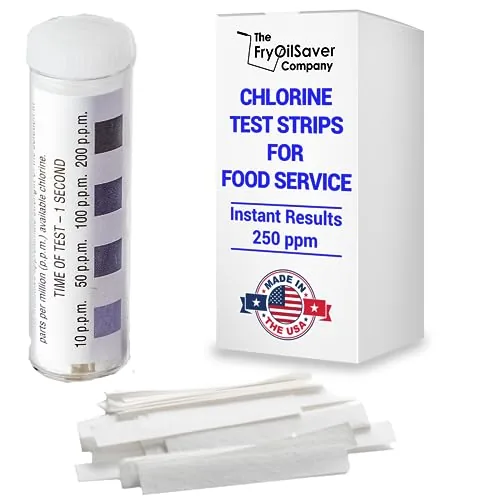
9 Best Chlorine Test Strips (2026 Review Guide)
Aug 16, 2026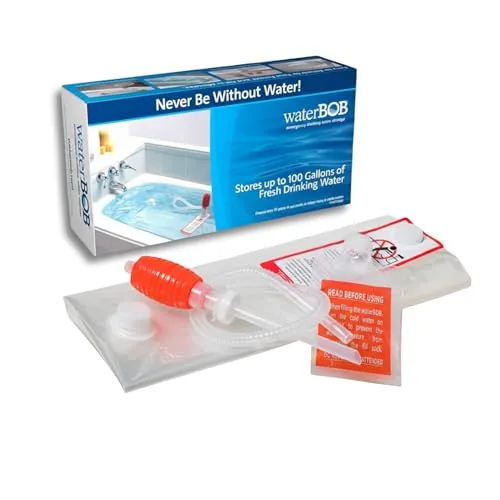
8 Best Water Storage Containers For Emergencies (2026 Review Guide)
Aug 5, 2026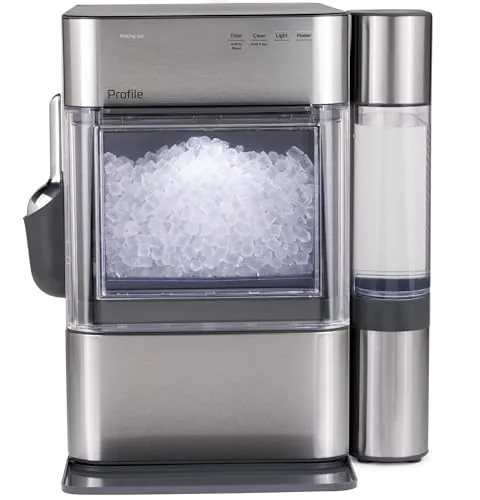
9 Best Nugget Ice Makers (2026 Review Guide)
Aug 10, 2026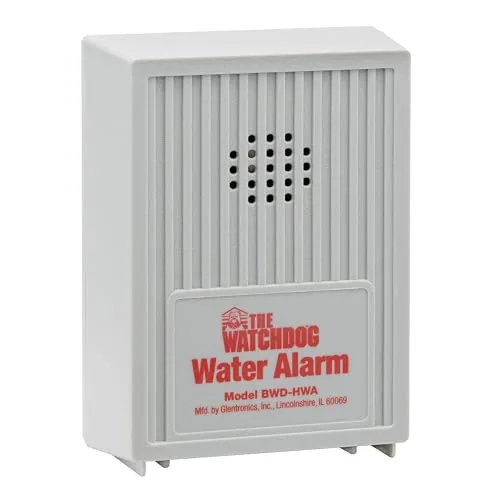
6 Best Water Alarms For Basements (2026 Review Guide)
Aug 17, 2026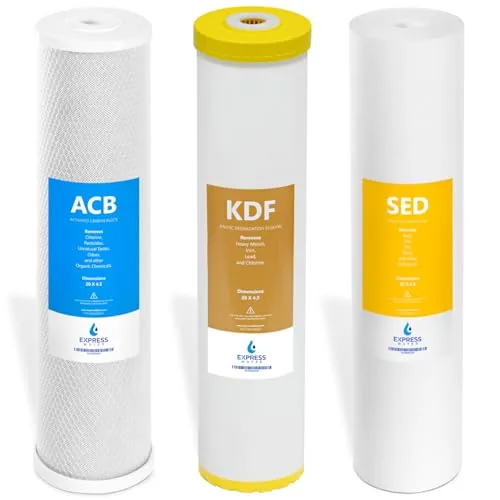
7 Best Water Filters For Heavy Metals (2026 Review Guide)
Jul 31, 2026