Around $20
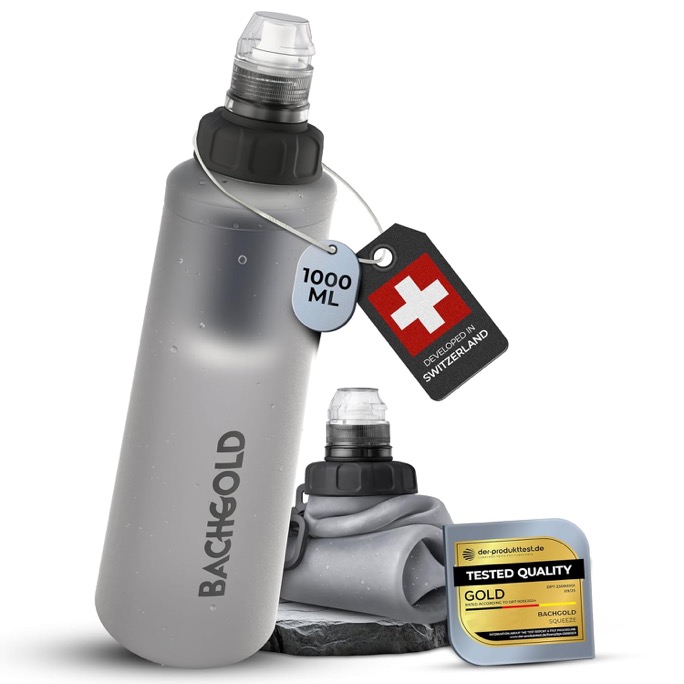
Built for travel, hiking & emergencies - drink safely whether the water is unsafe or just tastes off.
- 2-stage filtration: nanofiber layer + 0.2 micron hollow fiber membrane
- Rinse to restore flow - no replacement cartridges needed
- Collapsible 1L bottle - folds flat to pocket size
- Leak-resistant, taste-neutral, designed in Switzerland
Tap water in Guatemala is generally not considered safe for travelers to drink. While some urban areas have treated municipal water, inconsistent treatment, aging infrastructure, and contamination risks mean that most visitors should rely on bottled or purified water. Rural areas pose even greater risks, with many communities lacking access to safely managed drinking water.
Quick Reference
| Concern | Our Advice | |
|---|---|---|
| Drink tap water? | ❌ | Use bottled or filtered water |
| Brush teeth? | ❌ | Use bottled or filtered water |
| Wash fruits / veg? | ❌ | Wash with filtered or bottled water |
| Use ice in drinks? | ❌ | Avoid unless confirmed purified |
| Shower safely? | ✅ | Yes |
| Filter bottle needed? | ❌ | Strongly recommend a Bachgold Squeeze Filter Bottle for all travelers |
| Common risks | Bacterial contamination, Parasitic infections, E. coli, Giardia, Heavy metals, Pesticide runoff, Inadequate chlorination |

Key Statistics


Affiliate links — we earn a small commission at no extra cost to you.
Water Infrastructure & Supply
Guatemala's water infrastructure has developed unevenly since the mid-20th century. Guatemala City's municipal utility, EMPAGUA, manages a centralized water distribution system, but chronic underinvestment has left much of the country's pipe network aging and vulnerable to leaks and contamination. The country's 340 municipalities are individually responsible for their own water services, creating massive disparities in quality and access between urban and rural areas.
Municipal water systems in larger cities typically use surface water sources (rivers and lakes) and some groundwater. Chlorination is the primary treatment method, but dosing is inconsistent and monitoring is limited. Many systems suffer from intermittent supply, meaning water pressure drops allow contaminants to seep into pipes through cracks. In rural and indigenous communities, water often comes from unprotected springs or shallow wells with no treatment at all.
Several international organizations, including the Inter-American Development Bank and USAID, have funded water and sanitation improvement projects. The Guatemalan government launched the "Programa de Agua y Saneamiento" to extend clean water access to underserved areas. Despite these efforts, progress has been slow due to institutional fragmentation, limited government budgets, and the challenges of serving Guatemala's mountainous and dispersed rural populations.
Contamination & Health Risks
The primary health risks from Guatemala's tap water include bacterial pathogens such as E. coli, parasites like Giardia lamblia and Cryptosporidium, and viruses that cause gastroenteritis. The CDC classifies Guatemala as a destination where travelers should avoid tap water. Diarrheal diseases remain a leading cause of morbidity, especially among children and visitors who lack immunity to local pathogens.
Contamination sources are widespread. Agricultural runoff carrying pesticides and fertilizers enters rivers and groundwater, particularly in the western highlands and Pacific lowlands. Industrial discharge and untreated sewage also pollute water sources , Lake Amatitln near Guatemala City is one of the most contaminated lakes in Central America. Mining operations in areas like San Marcos and Huehuetenango have raised concerns about heavy metal contamination including arsenic and lead.
For travelers, the practical risk of consuming tap water is significant. Traveler's diarrhea is extremely common among visitors who drink unfiltered water, use ice made from tap water, or eat raw produce washed in tap water. Even in upscale hotels in Guatemala City or Antigua, it is standard practice to provide purified or bottled water. Travelers should be cautious with street food vendors who may use tap water for washing ingredients or making beverages.
Regional Water Quality Breakdown
Guatemala City
cautionThe capital has the most developed municipal water system in the country, operated by EMPAGUA. However, intermittent supply, aging pipes, and inconsistent chlorination mean tap water is not reliably safe for travelers. Most hotels and restaurants use purified water.
Antigua Guatemala
cautionThis popular tourist destination has a municipal water system, but quality varies by neighborhood and season. Many tourist-oriented establishments use purified water systems. Travelers should still avoid drinking tap water directly.
Lake Atitln (Panajachel, San Pedro, San Marcos)
avoidDespite its stunning beauty, Lake Atitln suffers from severe cyanobacteria blooms and sewage contamination. Tap water in lakeside towns is generally untreated or poorly treated. Travelers should exclusively use bottled or purified water and be cautious even when swimming.
Flores & Petn Region
avoidThe gateway to Tikal and other Mayan ruins has limited water treatment infrastructure. The tropical lowland climate promotes bacterial growth, and water sources are vulnerable to contamination. Bottled or purified water is essential for all consumption.
Quetzaltenango (Xela)
cautionGuatemala's second-largest city has a municipal water system, but treatment quality is inconsistent. The surrounding highland communities often rely on spring water with minimal treatment. Travelers should use purified or bottled water.
Pacific Coast (Monterrico, Sipacate)
avoidBeach towns along the Pacific coast generally have poor water infrastructure. Agricultural runoff from sugarcane and palm oil plantations contaminates local water sources. Travelers should rely entirely on bottled or purified water in this region.
Practical Tips for Travelers
- Carry a filter bottle (e.g., Bachgold Squeeze) — it removes bacteria, parasites, and microplastics from any tap or stream. Strongly recommend the Bachgold Squeeze Filter Bottle.
- Always drink bottled or purified water (agua pura). In Spanish, ask for 'agua purificada' at restaurants and hotels to ensure you receive treated water.
- Avoid ice in drinks unless you are certain it was made with purified water. In tourist areas, upscale restaurants typically use purified ice, but ask 'El hielo es de agua purificada?' to confirm.
- Carry a water bottle with a built-in filter (such as LifeStraw or Grayl) for day trips and rural excursions where bottled water may not be readily available.
- Use bottled or purified water when brushing your teeth, especially if you have a sensitive stomach. Keep a small bottle by the bathroom sink as a reminder.
- Peel fruits and vegetables or wash them with purified water before eating. At local markets, avoid pre-cut fruit that may have been rinsed with tap water.
- Be cautious with freshly squeezed juices (jugos) and aguas frescas from street vendors, as these are often prepared with tap water. Stick to sealed beverages or ask 'Usa agua purificada?' before ordering.
- Purchase 5-gallon garrafones of purified water for longer stays , they cost around Q15, Q25 and are available at most tiendas and through delivery services in cities.
- Pack oral rehydration salts (ORS) in your travel kit. If you experience traveler's diarrhea, ORS mixed with purified water helps restore electrolytes quickly.
Bottled Water Availability & Cost
Bottled water is widely available throughout Guatemala and is the primary drinking water source for most travelers. Common brands include Salvavidas (the most popular local brand), Aqua Pura, and imported brands like Dasani. A 500 ml bottle typically costs Q3, Q6 (approximately $0.40, $0.80 USD) at convenience stores or tiendas, while a 1.5-liter bottle ranges from Q6, Q12 ($0.80, $1.50 USD). Restaurants may charge Q10, Q20 ($1.30, $2.60 USD) for a bottle.
For longer stays, purchasing 5-gallon (garrafn) jugs is the most economical option, costing around Q15, Q25 ($2, $3.30 USD) with delivery services available in most cities. Many hotels, hostels, and Airbnbs provide garrafones or filtered water stations for guests. Travelers concerned about plastic waste can invest in a reusable bottle with a built-in purification filter, which is both cost-effective and environmentally responsible given that Guatemala already faces significant plastic pollution challenges, particularly around Lake Atitln.
Frequently Asked Questions
Can I brush my teeth with tap water in Guatemala?
It is not recommended. While the risk from brief exposure is lower than drinking a full glass, the bacterial and parasitic contamination in Guatemalan tap water can still cause gastrointestinal illness. Use bottled or purified water for brushing teeth, especially if you have a sensitive stomach.
Is it safe to shower in Guatemalan tap water?
Yes, showering is generally safe as long as you avoid swallowing the water. Keep your mouth closed and be careful around your eyes and nose. If you have open cuts or wounds, the very low risk of infection exists but is unlikely with normal showering.
Is ice safe in Guatemala's restaurants and bars?
In upscale restaurants, hotels, and tourist-oriented establishments in cities like Antigua or Guatemala City, ice is usually made with purified water. However, at street vendors, market stalls, and budget eateries, ice may be made from tap water. When in doubt, ask if the ice is made from agua purificada, or skip it.
Do restaurants in Guatemala serve safe water?
Most restaurants in tourist areas serve bottled or purified water, but it is not guaranteed. Always check that your water bottle arrives sealed. Some restaurants offer complimentary filtered water , you can ask 'Es agua purificada?' to confirm. Avoid accepting a glass of water from the tap.
How much does bottled water cost in Guatemala?
A 500 ml bottle costs approximately Q3, Q6 (about $0.40, $0.80 USD) in shops, while a 1.5-liter bottle runs Q6, Q12 ($0.80, $1.50 USD). In restaurants, expect to pay Q10, Q20 ($1.30, $2.60 USD). Five-gallon garrafones for longer stays cost Q15, Q25 ($2, $3.30 USD).
Is the water safe to drink at Lake Atitln?
No. Despite its beautiful appearance, Lake Atitln has experienced severe cyanobacteria blooms since 2009 and receives untreated sewage from surrounding towns. Tap water in lakeside communities is generally not treated to safe standards. Use only bottled or purified water and be cautious when swimming in the lake.
Can I use a water filter bottle instead of buying bottled water?
Yes, a water filter bottle is an excellent option for Guatemala. Brands like Grayl GeoPress or LifeStraw Go can remove bacteria, parasites, and some viruses. This is especially useful for hiking, visiting rural areas, or reducing plastic waste. Make sure your filter is rated to remove both bacteria and protozoa.
What should I do if I get sick from the water in Guatemala?
Traveler's diarrhea is common and usually resolves within 1, 3 days. Stay hydrated with purified water and oral rehydration salts. Avoid dairy and heavy foods. If symptoms persist beyond 3 days, include blood in stool, or you develop a high fever, seek medical attention. Pharmacies (farmacias) are widely available and can provide basic medications without a prescription.
Traveling Nearby?
Check tap water safety in neighboring countries:
Belize El Salvador Honduras MexicoInteresting Product Reviews
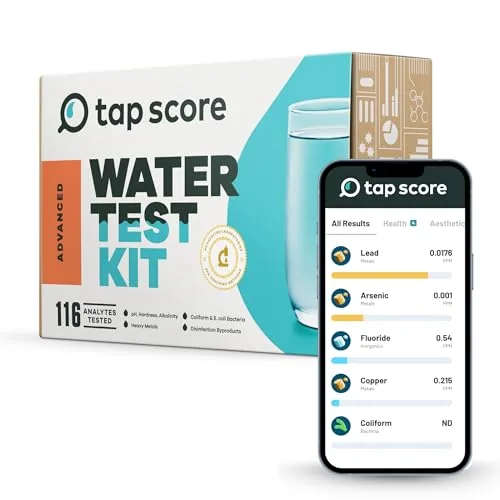
6 Best Home Water Test Kits (2026 Review Guide)
Aug 2, 2026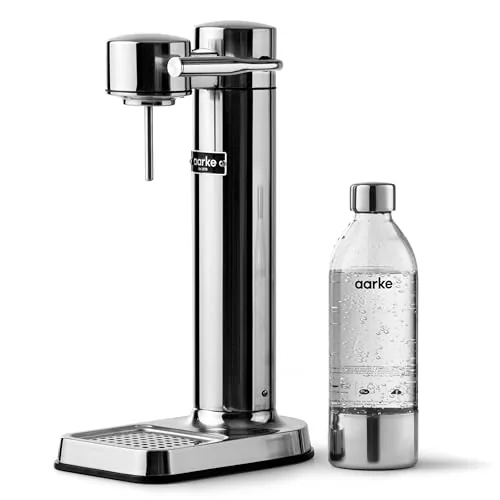
9 Best Sparkling Water Makers (2026 Review Guide)
Aug 11, 2026
6 Best Portable Camp Sinks (2026 Review Guide)
Aug 23, 2026
7 Best Smart Water Bottles (2026 Review Guide)
Aug 7, 2026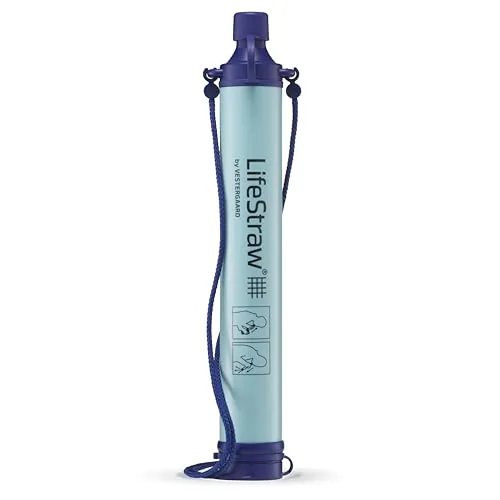
6 Best Water Filters For Camping (2026 Review Guide)
Jul 24, 2026