As low as $12
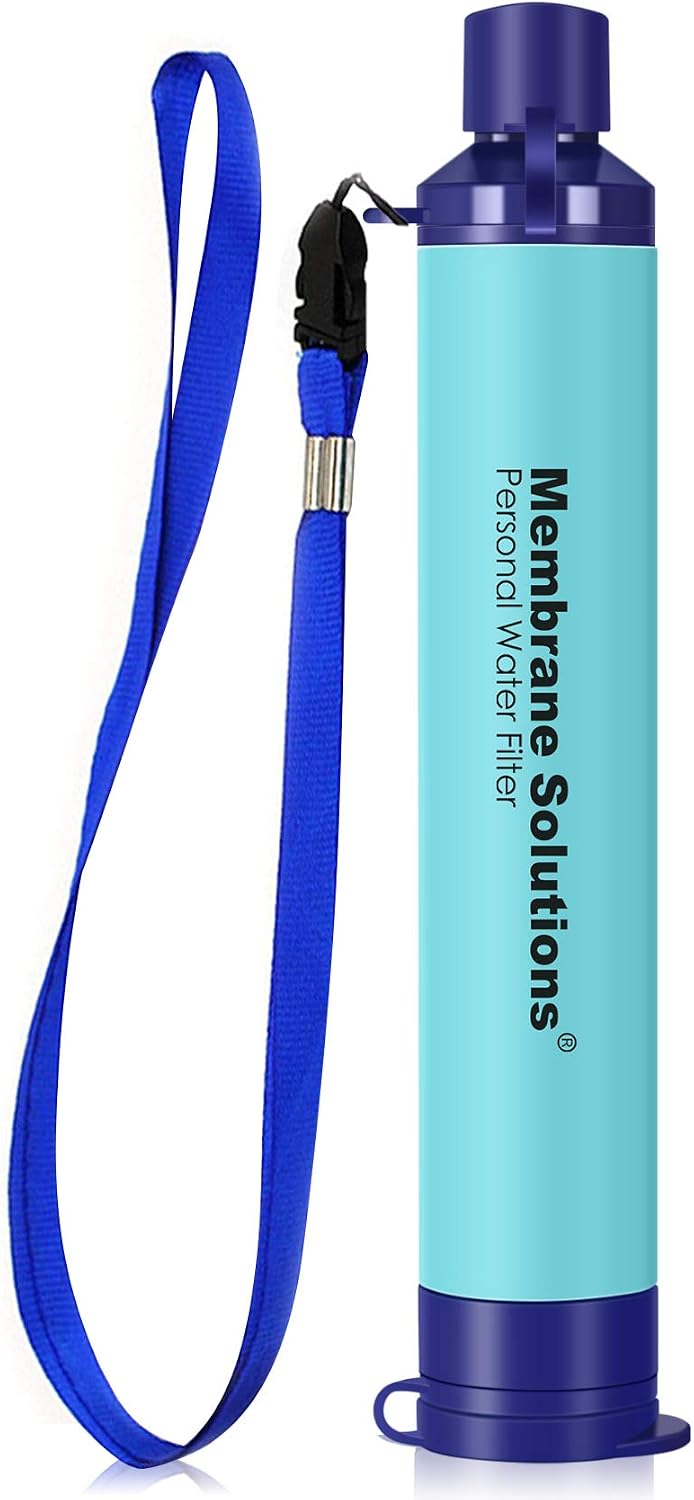
Built for travel, hiking & emergencies - drink safely whether the water is unsafe or just tastes off.
- NSF/ANSI 42, 372 & 401 certified, 0.1 micron filtration
- Filters up to 1,320 gallons - no batteries or pumping
- Ultralight - fits in any bag or pocket
- BPA-free, compatible with standard 28mm bottle threads
Tap water in Vietnam is not considered safe to drink directly from the faucet, even in major cities like Hanoi and Ho Chi Minh City. While water treatment plants meet national standards, aging pipes and secondary contamination mean most locals boil their water before drinking. Travelers should use bottled or filtered water for all consumption to avoid gastrointestinal illness.
Quick Reference
| Concern | Our Advice | |
|---|---|---|
| Drink tap water? | ❌ | Use bottled or filtered water |
| Brush teeth? | ❌ | Use bottled or filtered water |
| Wash fruits / veg? | ❌ | Wash with filtered or bottled water |
| Use ice in drinks? | ❌ | Avoid unless confirmed purified |
| Shower safely? | ✅ | Yes |
| Filter bottle needed? | ❌ | Strongly recommend a Membrane Solutions Filter Straw for all travelers |
| Common risks | Bacterial contamination, Heavy metals (lead, arsenic), E. coli, Residual chlorine, Sediment from aging pipes, Parasites, Agricultural runoff |

Key Statistics


Affiliate links — we earn a small commission at no extra cost to you.
Water Infrastructure & Supply
Vietnam has made significant progress in expanding its water supply infrastructure since the Doi Moi economic reforms of the 1980s. Major cities like Hanoi and Ho Chi Minh City are served by large-scale treatment plants that process surface water from the Red River, Dong Nai River, and Saigon River systems. However, the distribution network remains a major weakness, with pipes dating from the French colonial era still in use in some urban districts.
The water treatment process at modern facilities typically includes coagulation, sedimentation, sand filtration, and chlorine disinfection. Despite water leaving treatment plants at acceptable quality levels, contamination frequently occurs in the distribution system due to corroded iron and lead pipes, low water pressure allowing groundwater infiltration, and intermittent supply in some areas. In Hanoi, groundwater sources have shown elevated levels of arsenic and ammonia, prompting a gradual shift toward surface water treatment.
Vietnam's government, with support from the World Bank, ADB, and JICA, has invested billions of dollars in water infrastructure modernization. The National Target Program on Clean Water and Rural Sanitation has expanded coverage in rural areas, while urban projects focus on reducing non-revenue water and replacing aging distribution networks. The Hanoi Water Master Plan aims to phase out most groundwater extraction by 2030, and Ho Chi Minh City is expanding the Thu Duc Water Treatment Plant to increase capacity.
Contamination & Health Risks
The primary health risks from tap water in Vietnam stem from secondary contamination in the distribution system rather than at the treatment plant. Studies by Vietnamese environmental authorities have detected E. coli, coliform bacteria, heavy metals including lead and arsenic, and elevated ammonia levels in tap water samples collected at household taps. In Hanoi, arsenic contamination in groundwater-sourced supplies has been a well-documented public health concern, with some wells exceeding WHO guidelines by several times.
Pollution sources include industrial wastewater discharge into rivers that serve as drinking water sources, agricultural runoff carrying pesticides and fertilizers, and the extremely low rate of wastewater treatment (approximately 15% nationwide). Rapid urbanization and industrialization have outpaced environmental protections, and rivers like the Nhue, Day, and parts of the Saigon River are heavily polluted. Groundwater in the Red River Delta and Mekong Delta regions has naturally occurring arsenic at concerning levels.
For travelers, the most common risk is acute gastroenteritis caused by bacterial or parasitic contamination. Symptoms typically include diarrhea, nausea, and stomach cramps. Travelers should avoid drinking unboiled or unfiltered tap water, using tap water to brush teeth, eating raw vegetables washed in tap water, and consuming ice of unknown origin. Street food vendors and smaller restaurants may use ice made from unfiltered water, while higher-end establishments and international hotels generally use purified ice that is safe.
Regional Water Quality Breakdown
Hanoi
avoidHanoi's tap water should not be consumed directly. Groundwater sources have documented arsenic contamination, and the city's aging pipe network introduces heavy metals and bacteria. Most Hanoians boil water or use filtration systems at home.
Ho Chi Minh City
avoidWhile Ho Chi Minh City has modern treatment facilities like Thu Duc, the distribution system suffers from old pipes and pressure issues. Water quality degrades significantly between the plant and the tap. Stick to bottled or boiled water.
Da Nang
cautionDa Nang has invested heavily in water infrastructure and has some of the best tap water quality in Vietnam. However, it is still not recommended for direct drinking by travelers due to distribution system risks. Water quality is notably better than in Hanoi.
Hoi An
avoidHoi An's water infrastructure is less developed than Da Nang's, and flooding during the rainy season (October-December) can compromise water quality significantly. Travelers should always use bottled or filtered water here.
Sapa & Northern Highlands
avoidRural highland areas often rely on untreated spring or stream water. While the water may appear clean, it can carry parasites and bacteria. Infrastructure in mountainous regions is limited, so bottled water or a personal filter is essential.
Mekong Delta (Can Tho, Ben Tre)
avoidThe Mekong Delta faces challenges from both agricultural chemical runoff and saltwater intrusion during dry season. Water treatment capacity is limited in many areas, and groundwater sources may contain arsenic. Always use bottled or purified water.
Practical Tips for Travelers
- Always drink bottled or boiled water , never consume tap water directly in Vietnam. Look for sealed bottle caps to ensure authenticity.
- Use the Vietnamese phrase 'Cho ti mt chai nc lc' (cho toy moht chai nook lok) to ask for a bottle of purified water at restaurants and shops.
- Carry a portable water filter bottle (such as Grayl or LifeStraw) to reduce plastic waste and ensure safe drinking water anywhere, especially in rural areas. Strongly recommend the Membrane Solutions Filter Straw.
- In reputable restaurants and cafes, ice is usually made commercially from purified water and comes in cylindrical tubes with a hollow center , these are generally safe. Avoid irregular, hand-chipped ice blocks.
- Brush your teeth with bottled water, especially during your first few days in Vietnam, to avoid introducing unfamiliar bacteria that may cause stomach upset.
- Peel fruits before eating them, or wash them thoroughly with purified water. Avoid raw salads and uncooked vegetables from street vendors or budget eateries.
- When ordering coffee or drinks at street stalls, you can say 'Khng ' (kohng dah) meaning 'no ice' if you're unsure about the ice quality.
- Many Vietnamese hotels provide free bottled water daily , ask at check-in. Some eco-conscious hotels now offer filtered water refill stations instead.
Bottled Water Availability & Cost
Bottled water is extremely affordable and widely available throughout Vietnam, sold at every convenience store, street vendor, hotel, and restaurant. Popular local brands include La Vie (Nestl), Aquafina (PepsiCo), Dasani (Coca-Cola), and Vnh Ho. A 500ml bottle typically costs 5,000-10,000 VND (US$0.20-0.40) at convenience stores, while a 1.5-liter bottle runs 10,000-15,000 VND (US$0.40-0.60). In tourist areas and hotels, prices can be 2-3 times higher.
For longer stays, purchasing 19-liter refillable water jugs (bnh nc) is common and costs around 20,000-40,000 VND (US$0.80-1.60) with delivery available in most urban areas. Many hotels and hostels provide complimentary bottled water or water dispensers with purified water. To reduce plastic waste, consider investing in a quality filter bottle such as a LifeStraw or Grayl, which can purify tap water on the go. Vietnam generates enormous quantities of plastic waste from single-use bottles, so reusable filtration is both environmentally responsible and cost-effective for extended travel.
Frequently Asked Questions
Can I brush my teeth with tap water in Vietnam?
It is not recommended, especially for travelers who are not accustomed to local water. Use bottled or boiled water for brushing teeth to minimize risk of gastrointestinal issues. Some travelers in upscale hotels do brush with tap water without problems, but to be safe, use purified water.
Is it safe to shower in Vietnam's tap water?
Yes, showering in tap water is generally safe throughout Vietnam. Just avoid swallowing any water while showering. If you have sensitive skin or open wounds, pat dry thoroughly afterward. The chlorine levels are usually sufficient to prevent skin infections.
Is the ice safe in Vietnamese restaurants and cafes?
In most established restaurants, cafes, and bars, the ice is commercially produced from purified water and is safe. Commercial ice typically comes as uniform cylindrical tubes with holes in the center. Avoid irregular chunks of ice that may have been made from untreated water, which is more common at rural street stalls.
Do restaurants in Vietnam serve safe drinking water?
Most restaurants serve either bottled water or boiled water (nc lc). In tourist-oriented restaurants, complimentary water is usually filtered or boiled. At street food stalls, you may be offered boiled water or tea, which is generally safe. When in doubt, order sealed bottled water.
How much does bottled water cost in Vietnam?
Bottled water is very affordable in Vietnam. A 500ml bottle costs about 5,000-10,000 VND (US$0.20-0.40) at convenience stores, and a 1.5-liter bottle costs 10,000-15,000 VND (US$0.40-0.60). Tourist areas and hotels may charge 2-3 times more. Large 19-liter jugs cost around US$0.80-1.60.
Is Vietnamese coffee and tea safe to drink?
Yes, Vietnamese coffee and tea are generally safe because they are prepared with boiled water. The famous c ph sa (iced milk coffee) uses commercially made ice in most cafes, which is purified. The boiling process kills harmful bacteria and parasites effectively.
Can I drink tap water in luxury hotels in Vietnam?
Even in five-star international hotels, tap water is not considered potable in Vietnam. Most luxury hotels provide complimentary bottled water in rooms and have filtration systems for their restaurants. Some high-end hotels have installed advanced filtration for the entire building, but it's still best to confirm with the front desk.
Why do Vietnamese people boil their water instead of drinking it from the tap?
While water treatment plants in Vietnam produce water that meets national standards, the distribution infrastructure , particularly aging pipes, low pressure zones, and storage tanks , allows recontamination before water reaches household taps. Boiling water is a deeply ingrained cultural practice that effectively kills bacteria and parasites, making it safe to drink. Most Vietnamese households use electric kettles or water dispensers with built-in heating.
Interesting Product Reviews
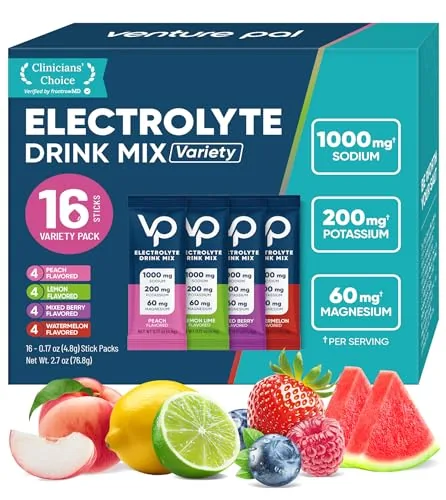
7 Best Electrolyte Drinks And Powders (2026 Review Guide)
Aug 9, 2026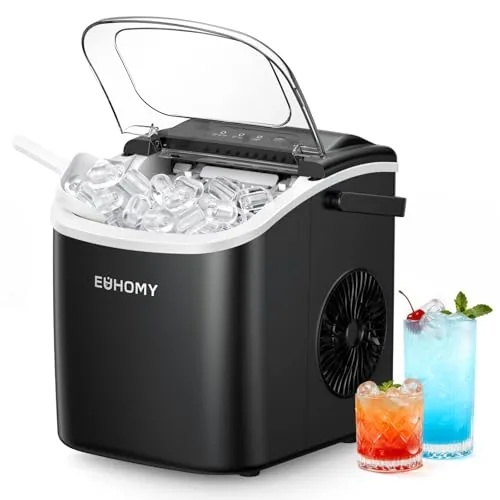
8 Best Countertop Ice Makers (2026 Review Guide)
Aug 10, 2026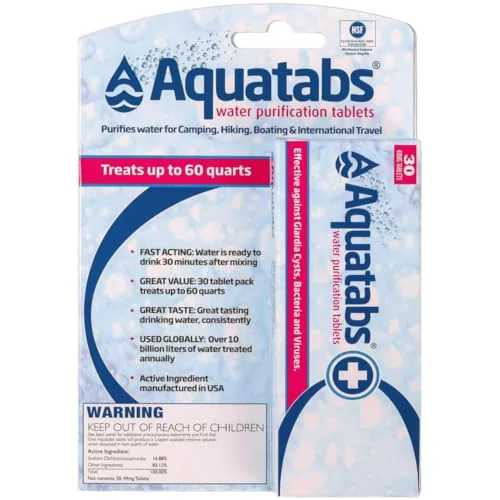
6 Best Water Purification Tablets (2026 Review Guide)
Jul 2, 2026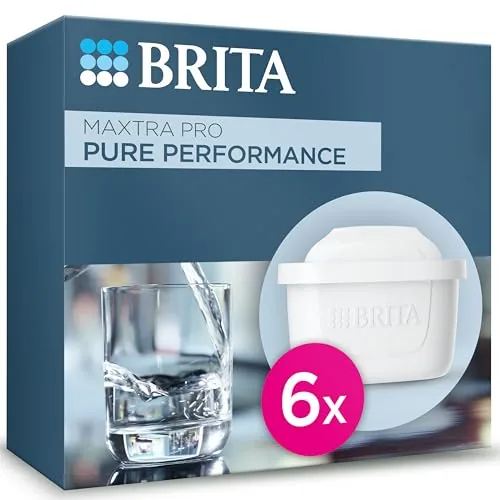
6 Best Water Filters For Limescale (2026 Review Guide)
Aug 1, 2026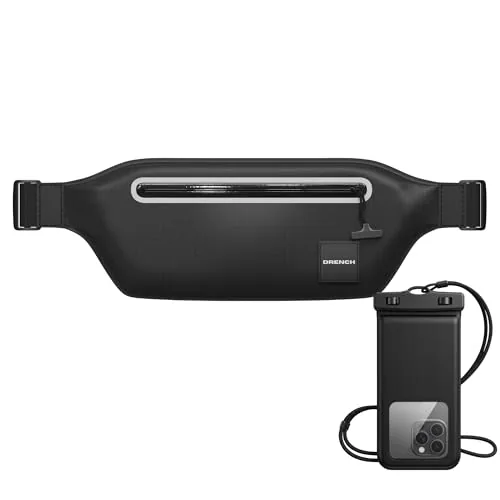
7 Best Waterproof Money Belts (2026 Review Guide)
Aug 24, 2026