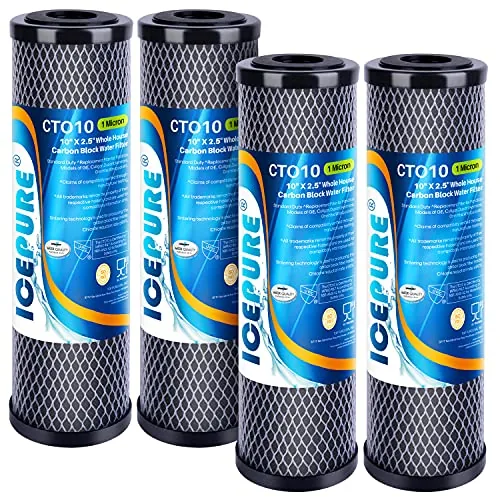
Around $20
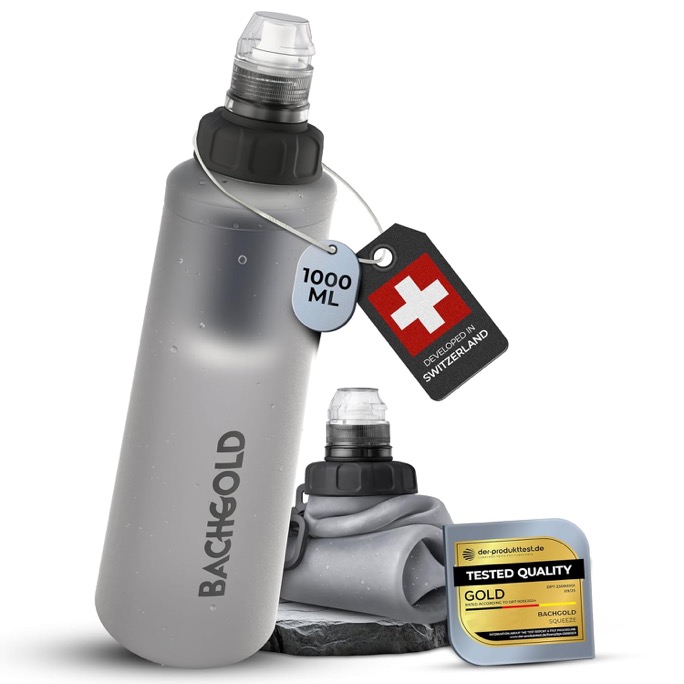
Built for travel, hiking & emergencies - drink safely whether the water is unsafe or just tastes off.
- 2-stage filtration: nanofiber layer + 0.2 micron hollow fiber membrane
- Rinse to restore flow - no replacement cartridges needed
- Collapsible 1L bottle - folds flat to pocket size
- Leak-resistant, taste-neutral, designed in Switzerland
Tap water in mainland Greece and major cities like Athens and Thessaloniki is generally safe to drink and meets EU water quality standards. However, on many Greek islands, tap water quality can be poor due to desalination, aging infrastructure, or limited freshwater sources, and bottled water is strongly recommended. Travelers should check local conditions, especially when visiting smaller islands in the Cyclades and Dodecanese.
Quick Reference
| Concern | Our Advice | |
|---|---|---|
| Drink tap water? | ✅ | Yes, safe in most areas |
| Brush teeth? | ✅ | Yes, no concerns |
| Wash fruits / veg? | ✅ | Yes, safe to use tap water |
| Use ice in drinks? | ✅ | Yes, safe in restaurants |
| Shower safely? | ✅ | Yes |
| Filter bottle needed? | ❌ | Strongly recommend a Bachgold Squeeze Filter Bottle for all travelers |
| Common risks | Aging pipe infrastructure, Desalination byproducts on islands, Nitrate contamination in agricultural areas, Bacterial contamination on small islands, Chlorination byproducts |

Key Statistics


Affiliate links — we earn a small commission at no extra cost to you.
Water Infrastructure & Supply
Greece's water supply system has developed significantly since the mid-20th century, with EYDAP (Athens Water Supply and Sewerage Company) serving the greater Athens metropolitan area with water from the Marathon, Mornos, and Evinos reservoirs. Thessaloniki is served by EYATH, which draws water primarily from the Aliakmonas River. Both utilities deliver water that meets EU Drinking Water Directive standards, with rigorous testing protocols.
The mainland water infrastructure relies on large-scale reservoir systems, modern treatment plants, and extensive distribution networks. Athens's water undergoes multi-stage treatment including coagulation, sedimentation, sand filtration, ozonation, and chlorination before distribution. However, the age of distribution pipes in some older urban neighborhoods can occasionally affect taste and lead to localized quality concerns.
On the Greek islands, the situation is markedly different. Many islands depend on desalination plants, water tanker shipments from the mainland, or limited local wells. The Greek government and EU structural funds have invested heavily in upgrading island water systems, including new desalination units on Santorini, Mykonos, Paros, and other popular tourist destinations. Despite these improvements, water on many smaller islands remains brackish or of inconsistent quality, and locals commonly rely on bottled water for drinking.
Contamination & Health Risks
In mainland cities like Athens and Thessaloniki, tap water poses minimal health risks and is regularly tested for compliance with EU standards. The primary concerns are related to aging distribution infrastructure in some older buildings, where lead or corroded pipes could leach contaminants into the water. Chlorination byproducts (trihalomethanes) are monitored but occasionally detected at elevated levels in areas with high organic matter in source water.
In agricultural regions such as Thessaly and parts of the Peloponnese, nitrate contamination from fertilizer runoff has been documented in groundwater sources. Some rural wells exceed the EU limit of 50 mg/L for nitrates, posing risks particularly for infants and pregnant women. Travelers visiting rural areas should inquire about the water source before drinking from the tap.
On many Greek islands, the health risks for travelers are more significant. Desalinated water, while generally safe, can have an unpleasant taste and may contain elevated sodium levels. On very small islands without desalination, water tanker deliveries stored in cisterns can develop bacterial contamination if not properly maintained. Travelers with sensitive stomachs may experience gastrointestinal discomfort when switching between water sources, and bottled water is the safer choice throughout the Cyclades, Dodecanese, and smaller Aegean islands.
Regional Water Quality Breakdown
Athens
safeAthens tap water is sourced from mountain reservoirs (Mornos, Evinos, Marathon) and undergoes advanced multi-stage treatment by EYDAP. It consistently meets EU drinking water standards and is safe to drink directly from the tap. Some older buildings may have aging internal plumbing, so letting the water run briefly before drinking is advisable.
Thessaloniki
safeThessaloniki's water supply, managed by EYATH, draws from the Aliakmonas River and meets EU quality standards. The water is well-treated and safe for drinking, cooking, and brushing teeth. Water quality has improved significantly in recent decades with infrastructure upgrades.
Crete
cautionWater quality in Crete varies by location. Major cities like Heraklion and Chania generally have safe municipal water, but some southern and eastern villages rely on wells with variable quality. In tourist resorts, water is typically safe but may have a mineral taste; many locals and visitors prefer bottled water.
Santorini & Cyclades Islands
avoidSantorini and most Cycladic islands rely heavily on desalination plants and occasional water tanker deliveries. The tap water is generally not recommended for drinking due to high mineral content and potential brackishness. Bottled water is the standard choice for both locals and tourists.
Mykonos & Dodecanese Islands
avoidMykonos, Rhodes, and other Dodecanese islands have invested in desalination infrastructure, but tap water quality remains inconsistent and is not recommended for drinking. The water is safe for showering and brushing teeth but has an unpleasant taste. Bottled water is universally recommended.
Peloponnese
cautionUrban areas like Patras and Nafplio generally have safe municipal water. However, some rural and agricultural areas have elevated nitrate levels in groundwater. Travelers in major towns can drink tap water with confidence, but should exercise caution in small villages relying on private wells.
Practical Tips for Travelers
- In Athens, tap water is excellent and safe to drink , save money by filling a reusable bottle from the tap rather than buying bottled water.
- On Greek islands, always ask your accommodation whether the tap water is drinkable. The phrase is ' ;' (Bor na pi ner ap ti vrsi?) meaning 'Can I drink water from the tap?'
- At restaurants, you can order bottled water by saying ' , ' (na boukli ner, parakal) , meaning 'A bottle of water, please.' Specify '' (skto) for still or ' ' (me anthrakik) for sparkling.
- Carry a filter bottle such as a LifeStraw or Grayl when island-hopping , it provides peace of mind when tap water quality is uncertain and reduces plastic waste. Strongly recommend the Bachgold Squeeze Filter Bottle.
- In older Greek buildings and hotels, let the tap run for 10, 15 seconds before filling your glass, as stagnant water in old pipes may have a metallic taste.
- Ice in drinks at established restaurants and hotels throughout Greece is typically made from purified or treated water and is safe to consume, even on the islands.
- Buy water in bulk from major supermarkets like Sklavenitis or AB Vassilopoulos , prices are significantly lower than at kiosks and tourist shops, especially on the islands.
- Look for public water fountains (/vrses) in Athens and other mainland cities , many are connected to the municipal supply and provide fresh, safe drinking water for free.
Bottled Water Availability & Cost
Bottled water is widely available throughout Greece at supermarkets, kiosks (periptera), convenience stores, and restaurants. Popular Greek brands include Zagori, Vikos, Avra, and Samaria, known for their high-quality natural spring sources. A 500ml bottle typically costs 0.30, 0.70 at a supermarket and 1.00, 2.00 at a tourist-area kiosk. A 1.5L bottle ranges from 0.30, 0.80 at supermarkets. In restaurants, a 500ml bottle usually costs 1.50, 3.00, while sparkling water brands like Souroti cost slightly more.
Buying in bulk from supermarkets like Sklavenitis, AB Vassilopoulos, or Lidl is the most economical option, 6-packs of 1.5L bottles can be found for 2.00, 3.50. On the islands, prices tend to be 20, 40% higher due to shipping costs. Travelers concerned about sustainability should consider bringing a reusable filter bottle, as Greece has been working to reduce plastic waste in line with EU directives. Some hotels and accommodations now offer filtered water stations, and Athens has installed public drinking water fountains in several central locations.
Frequently Asked Questions
Can I brush my teeth with tap water in Greece?
Yes, tap water throughout Greece , including on the islands , is safe for brushing teeth. Even where drinking tap water is not recommended (like on many islands), the water quality is sufficient for oral hygiene without any health risk.
Is it safe to shower in Greek tap water?
Absolutely. Showering with tap water is safe everywhere in Greece. On some islands, the desalinated water may feel slightly different on your skin or hair due to its mineral composition, but it poses no health risks.
Is the ice safe in Greek restaurants and bars?
Yes, ice in restaurants, bars, and hotels across Greece is generally safe. Commercial ice is produced using purified or treated water that meets health standards. This applies to both mainland and island establishments.
Can I drink tap water in Athens?
Yes, Athens has some of the best tap water in the Mediterranean. It comes from mountain reservoirs and undergoes rigorous multi-stage treatment by EYDAP. It's perfectly safe and pleasant to drink straight from the tap.
Why do Greeks on the islands drink bottled water?
Many Greek islands have limited natural freshwater sources and rely on desalination or water tanker deliveries. While technically treated, the tap water often has an unpleasant salty or mineral taste and may have inconsistent quality. Bottled water has become the cultural norm for drinking on the islands.
How much does bottled water cost in Greece?
At supermarkets, a 1.5L bottle costs 0.30, 0.80, while a 500ml bottle is 0.30, 0.70. At kiosks and tourist areas, expect to pay 1.00, 2.00 for 500ml. Restaurant prices are typically 1.50, 3.00. Island prices are generally 20, 40% higher than the mainland.
Do restaurants in Greece serve tap water for free?
Unlike some European countries, Greek restaurants do not typically serve free tap water. You'll usually be offered bottled water (still or sparkling) for purchase. However, some casual tavernas, especially on the mainland, may provide tap water if you specifically request it.
Is Greek tap water safe for making baby formula?
In Athens and major mainland cities, tap water is safe for preparing baby formula. However, on the islands or in rural areas, it's best to use bottled water with low mineral content (look for ' ' , low sodium). Brands like Zagori are widely recommended for infant use due to their low mineral composition.
Traveling Nearby?
Check tap water safety in neighboring countries:
Albania Bulgaria North Macedonia TurkeyInteresting Product Reviews
8 Best Lead Water Test Kits (2026 Review Guide)
Aug 3, 2026
9 Best Well Pressure Tanks (2026 Review Guide)
Aug 14, 2026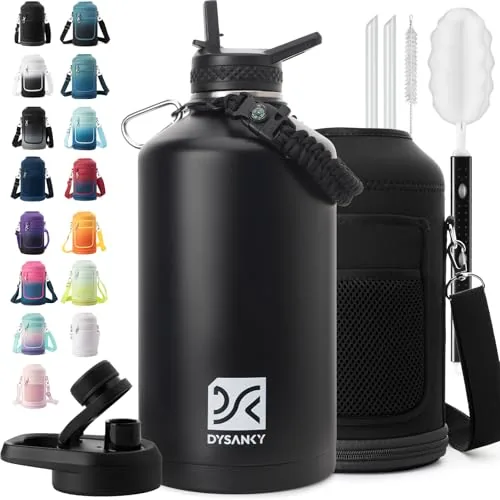
9 Best Gallon Water Jugs (2026 Review Guide)
Aug 8, 2026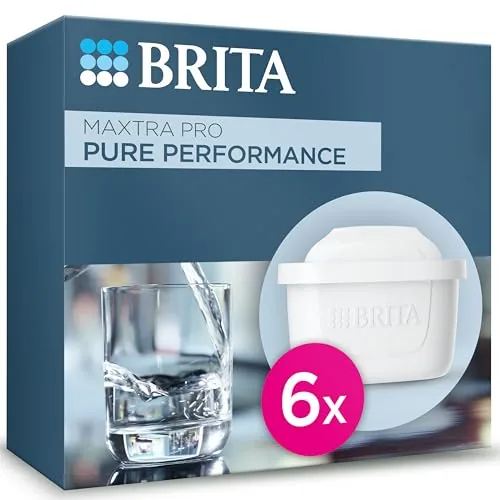
6 Best Water Filters For Limescale (2026 Review Guide)
Aug 1, 2026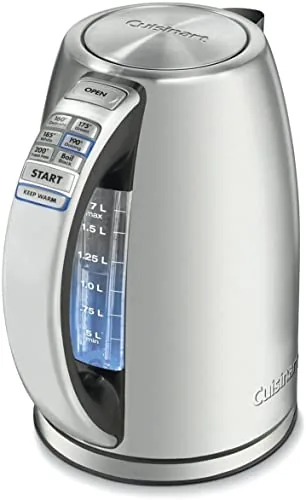
8 Best Variable Temperature Kettles (2026 Review Guide)
Aug 12, 2026