As low as $12
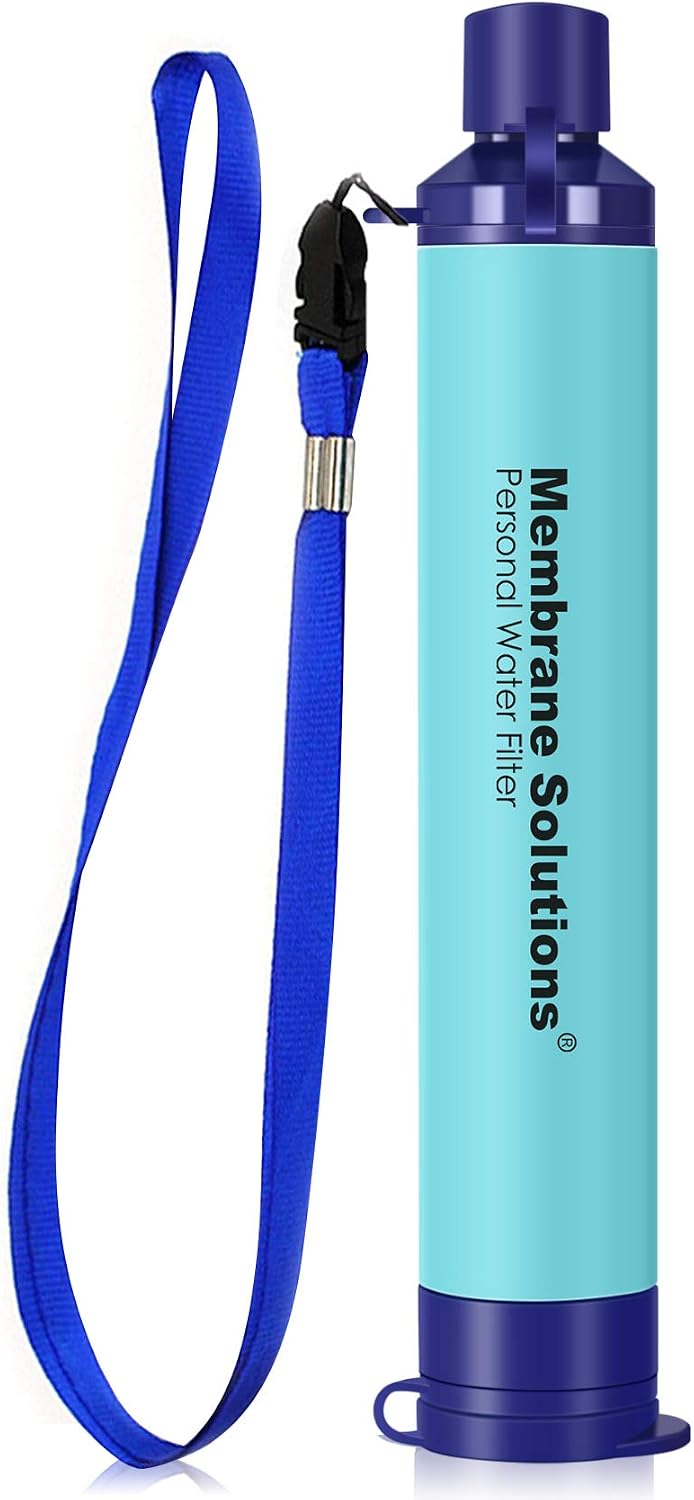
Built for travel, hiking & emergencies - drink safely whether the water is unsafe or just tastes off.
- NSF/ANSI 42, 372 & 401 certified, 0.1 micron filtration
- Filters up to 1,320 gallons - no batteries or pumping
- Ultralight - fits in any bag or pocket
- BPA-free, compatible with standard 28mm bottle threads
Tap water in Monaco is safe to drink and meets stringent European Union water quality standards. The principality sources its water from underground springs in the nearby French Alps, ensuring consistently high-quality drinking water. Travelers can confidently drink tap water throughout Monaco without any health concerns.
Quick Reference
| Concern | Our Advice | |
|---|---|---|
| Drink tap water? | ✅ | Yes, safe in most areas |
| Brush teeth? | ✅ | Yes, no concerns |
| Wash fruits / veg? | ✅ | Yes, safe to use tap water |
| Use ice in drinks? | ✅ | Yes, safe in restaurants |
| Shower safely? | ✅ | Yes |
| Filter bottle needed? | ✅ | Not necessary, but a Membrane Solutions Filter Straw can improve taste |
| Common risks | Minimal risks, Occasional chlorine taste, Aging building plumbing in older properties |

Key Statistics


Affiliate links — we earn a small commission at no extra cost to you.
Water Infrastructure & Supply
Monaco's water supply has a long history of excellence, with the principality investing heavily in infrastructure since the early 20th century. The Socit Mongasque des Eaux (SMEaux), a subsidiary of the Suez Group, manages the water distribution network under a concession from the Monegasque government. Monaco sources approximately 80% of its drinking water from the Vsubie and Roya river valleys in the French Alps, with the remainder drawn from local underground springs.
The distribution network spans approximately 65 kilometers of pipes serving Monaco's 2 square kilometers of territory, one of the densest water networks in the world. Water undergoes rigorous multi-stage treatment including filtration, UV disinfection, and chlorination before distribution. The network operates with continuous monitoring and pressure management systems, and water quality is tested hundreds of times per year by both SMEaux and independent laboratories.
Monaco is actively pursuing water conservation and infrastructure modernization as part of its broader environmental sustainability goals. The principality has invested in leak detection technology and smart metering to reduce water loss, which is already among the lowest in Europe. Also, Monaco's Sovereign Ordinance on water quality aligns with EU Drinking Water Directive standards, ensuring compliance with the most stringent quality parameters for over 50 chemical and microbiological indicators.
Contamination & Health Risks
Monaco's tap water poses virtually no health risks to travelers. The water consistently meets or exceeds European Union drinking water standards across all tested parameters, including heavy metals, nitrates, pesticides, and microbiological contaminants. Regular testing by independent laboratories confirms that bacterial contamination such as E. coli and enterococci is essentially nonexistent in the supply.
The primary water sources in the French Alps are naturally well-protected from industrial and agricultural pollution, which eliminates many contamination risks at the source. Monaco's small size and dense urban environment mean there is no significant agricultural runoff or industrial discharge that could compromise water quality. The advanced wastewater treatment plant at Fontvieille, which processes 100% of Monaco's sewage, prevents any environmental contamination of water sources.
For travelers, the only minor consideration is that some may notice a slight chlorine taste, which is a standard disinfection measure and poses no health risk. In very old buildings, internal plumbing could theoretically leach trace amounts of metals, but this is extremely rare given Monaco's wealth and rigorous building maintenance standards. All in all, Monaco is one of the safest destinations in the world for tap water consumption.
Regional Water Quality Breakdown
Monte Carlo
safeMonte Carlo, Monaco's most famous district, has excellent tap water quality. Hotels, restaurants, and casinos all receive the same high-quality treated water from the central distribution network.
La Condamine
safeThe commercial and port district of La Condamine has fully modernized water infrastructure. Tap water at the market area, shops, and harbor-side restaurants is perfectly safe to drink.
Monaco-Ville (The Rock)
safeThe historic old town on the Rock of Monaco has safe drinking water throughout. While some buildings date back centuries, the water pipes have been modernized and are regularly maintained.
Fontvieille
safeMonaco's newest district, built on reclaimed land in the 1980s, features entirely modern plumbing infrastructure. Tap water quality here is excellent, and the district also houses Monaco's wastewater treatment facility.
Larvotto
safeThe beach and residential district of Larvotto has safe, high-quality tap water. Beach restaurants and hotels in this area all serve water from the same treated municipal supply.
Practical Tips for Travelers
- Carry a filter straw (e.g., Membrane Solutions) — it removes bacteria, parasites, and microplastics from any tap or stream. Strongly recommend the Membrane Solutions Filter Straw.
- Monaco's tap water is safe and high-quality , save money by carrying a reusable water bottle instead of buying expensive bottled water at restaurants.
- In French (Monaco's official language), you can ask for tap water at restaurants by saying 'Une carafe d'eau, s'il vous plat' (a carafe of water, please), which is free by law.
- If you notice a faint chlorine taste, letting the water sit in an open container for a few minutes or refrigerating it will allow the chlorine to dissipate.
- All ice served in Monaco's bars, restaurants, and hotels is made from the same safe municipal water supply, so there is no need to avoid ice in drinks.
- Monaco's tap water is sourced from Alpine springs and is naturally mineral-rich, making it comparable in quality to many premium bottled water brands.
- When dining at upscale restaurants, be aware that staff may automatically bring bottled mineral water , specify 'eau du robinet' (tap water) if you prefer free tap water.
- Public drinking fountains can occasionally be found in Monaco's parks and public spaces , these are connected to the treated municipal supply and are safe to use.
Bottled Water Availability & Cost
Despite the excellent tap water quality, bottled water is widely available throughout Monaco in supermarkets, restaurants, hotels, and convenience stores. Popular brands include Evian, Vittel, Badoit, and San Pellegrino. A 500ml bottle typically costs between 2.00 and 4.00 in shops, while restaurants in Monaco can charge 5.00 to 12.00 or more for a bottle of mineral water, reflecting the principality's premium pricing.
For budget-conscious travelers, purchasing water in bulk from supermarkets like Carrefour or Casino is more economical, with a 1.5-liter bottle costing approximately 0.80 to 1.50. However, given that Monaco's tap water is perfectly safe and high-quality, carrying a reusable bottle is both cost-effective and environmentally responsible. Monaco's commitment to sustainability under its Energy Transition Pact encourages reducing single-use plastic, making refillable bottles an excellent choice.
Frequently Asked Questions
Can I brush my teeth with tap water in Monaco?
Yes, absolutely. Monaco's tap water meets the highest European safety standards, and brushing your teeth with it is completely safe. There is no need to use bottled water for oral hygiene.
Is it safe to shower in Monaco's tap water?
Yes, showering in Monaco's tap water is perfectly safe. The water is treated and disinfected to the same high standards as drinking water. It is also relatively soft compared to many Mediterranean areas, which is gentle on skin and hair.
Is the ice in drinks safe in Monaco?
Yes, ice in Monaco is made from the safe municipal water supply. All restaurants, bars, and hotels use the same treated tap water, so you can enjoy ice in your drinks without any concern.
Do restaurants in Monaco serve safe water?
Yes, both tap water and bottled water served in Monaco's restaurants are safe. You have the right to request a free carafe of tap water ('une carafe d'eau') at any restaurant. Be aware that upscale establishments may try to serve bottled water by default, which can be expensive.
How much does bottled water cost in Monaco?
A 500ml bottle of water costs approximately 2.00, 4.00 in shops and 5.00, 12.00 in restaurants. A 1.5-liter bottle from a supermarket costs around 0.80, 1.50. Given the safe tap water, a reusable bottle is a much more economical choice.
Where does Monaco get its drinking water?
Monaco sources approximately 80% of its drinking water from the Vsubie and Roya river valleys in the nearby French Alps, with the remainder from local underground springs. The water is treated to meet EU Drinking Water Directive standards before distribution.
Do I need a water filter bottle when visiting Monaco?
No, a water filter bottle is not necessary in Monaco. The tap water is among the safest in Europe, having been treated with advanced filtration, UV disinfection, and chlorination. You can drink it straight from the tap with full confidence.
Is Monaco's water hard or soft?
Monaco's water is moderately hard due to its Alpine limestone origins, which means it contains natural minerals like calcium and magnesium. This is not a health concern and actually provides beneficial minerals. If you have sensitive skin, you may notice slightly less lather from soap compared to soft water areas.
Interesting Product Reviews
8 Best Stainless Steel Water Bottles (2026 Review Guide)
Aug 6, 2026
9 Best Bath Filters For Babies (2026 Review Guide)
Jul 27, 2026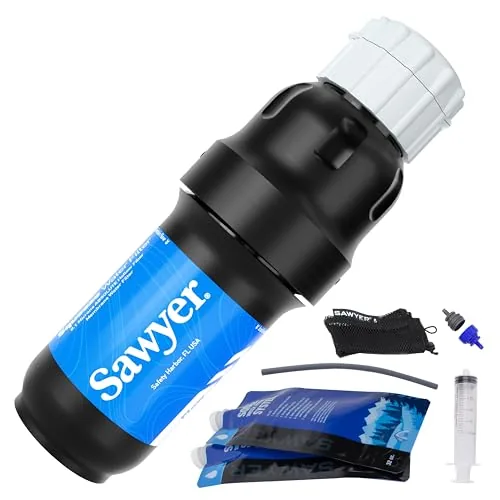
8 Best Squeeze Water Filters (2026 Review Guide)
Jul 20, 2026
6 Best Refrigerator Water Dispensers (2026 Review Guide)
Aug 13, 2026
8 Best Lead Water Test Kits (2026 Review Guide)
Aug 3, 2026