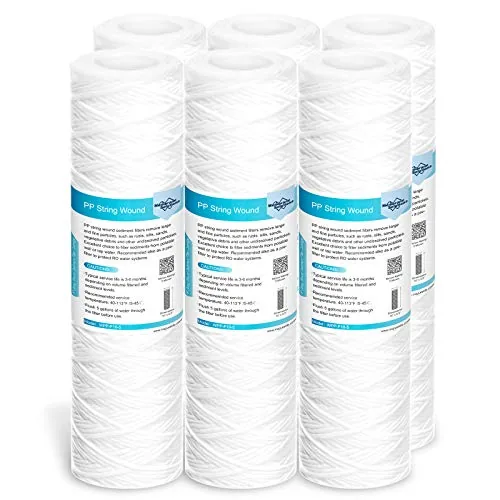
As low as $12
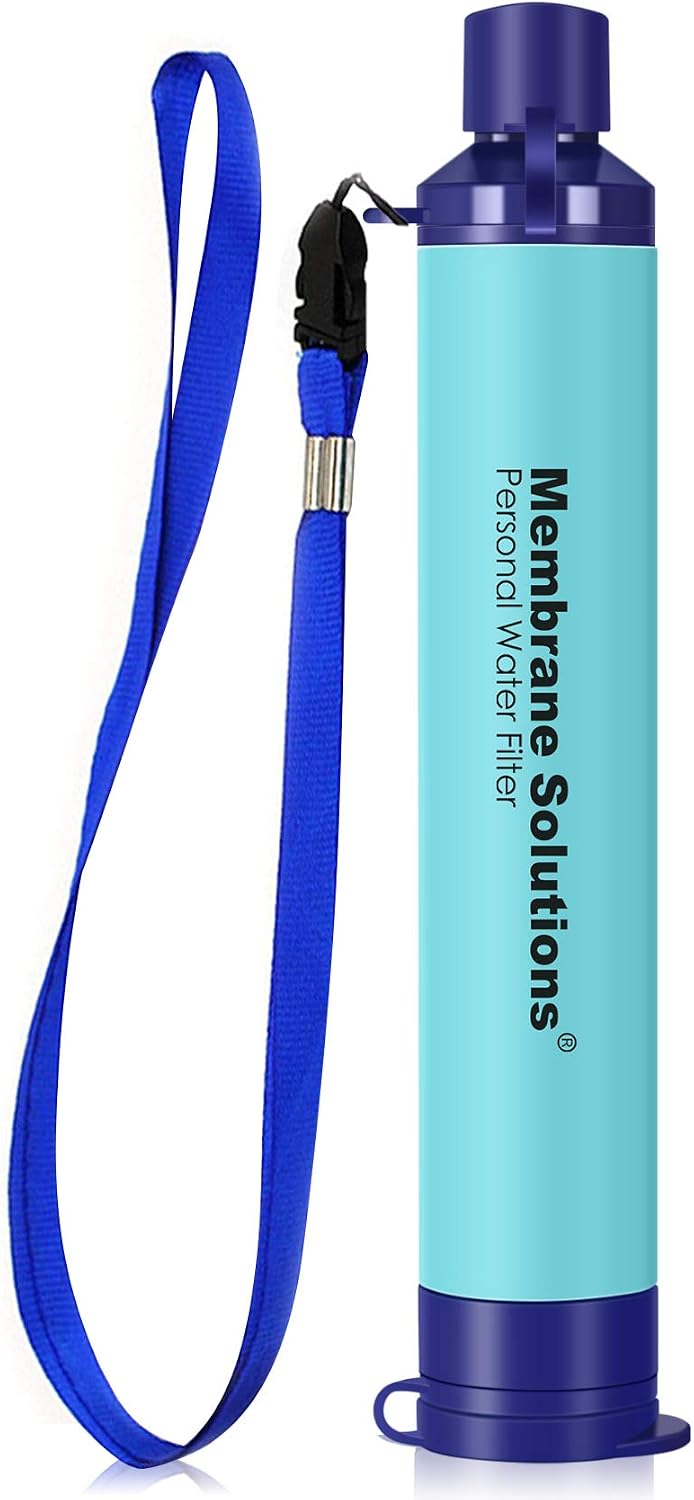
Built for travel, hiking & emergencies - drink safely whether the water is unsafe or just tastes off.
- NSF/ANSI 42, 372 & 401 certified, 0.1 micron filtration
- Filters up to 1,320 gallons - no batteries or pumping
- Ultralight - fits in any bag or pocket
- BPA-free, compatible with standard 28mm bottle threads
Tap water in South Africa's major cities like Cape Town, Johannesburg, and Pretoria is generally treated to high standards and considered safe for drinking. However, water quality varies significantly across the country, with rural areas and smaller municipalities often experiencing infrastructure challenges that can compromise safety. Travelers should exercise caution outside major urban centers and consider using bottled or filtered water in less developed areas.
Quick Reference
| Concern | Our Advice | |
|---|---|---|
| Drink tap water? | ❌ | Use bottled or filtered water |
| Brush teeth? | ✅ | Yes, no concerns |
| Wash fruits / veg? | ✅ | Yes, safe to use tap water |
| Use ice in drinks? | ✅ | Yes, safe in restaurants |
| Shower safely? | ✅ | Yes |
| Filter bottle needed? | ❌ | Strongly recommend a Membrane Solutions Filter Straw for all travelers |
| Common risks | Bacterial contamination, E. coli, Aging infrastructure, Sewage overflow, Agricultural runoff, Nitrates, Turbidity, Intermittent supply disruptions |

Key Statistics


Affiliate links — we earn a small commission at no extra cost to you.
Water Infrastructure & Supply
South Africa's water infrastructure was significantly expanded after 1994, when the new democratic government prioritized universal access to clean water. By the early 2000s, millions of previously underserved South Africans gained access to piped water for the first time. The country's water is primarily sourced from surface water (dams and rivers), which accounts for about 77% of supply, supplemented by groundwater and inter-basin transfer schemes like the Lesotho Highlands Water Project.
Major metropolitan water utilities such as Rand Water (serving Gauteng), Umgeni Water (KwaZulu-Natal), and the City of Cape Town operate modern treatment plants using conventional processes including coagulation, flocculation, sedimentation, filtration, and chlorination. However, the Department of Water and Sanitation's Blue Drop assessments have revealed a steep decline in water quality management at the municipal level, with the national average score dropping from 79.6% in 2012 to 48.7% in 2023, indicating widespread deterioration.
Several large-scale improvement projects are underway, including the Phase 2 of the Lesotho Highlands Water Project (expected completion by 2028), the uMkhomazi Water Project in KwaZulu-Natal, and Cape Town's water resilience program that includes desalination and aquifer recharge facilities built after the 2017-2018 drought crisis. The government has also allocated significant funds to rehabilitate aging bulk water infrastructure, though progress has been slow due to governance and capacity challenges at the municipal level.
Contamination & Health Risks
Water quality in South Africa varies dramatically by location. In major cities like Cape Town, Johannesburg, and Durban, tap water from municipal treatment plants generally meets South African National Standard (SANS 241) for drinking water quality. However, the 2023 Blue Drop Report revealed that many smaller municipalities are failing to properly treat or monitor their water, with some areas showing E. coli contamination, elevated turbidity, and chemical non-compliance.
The primary pollution sources include failing wastewater treatment works that discharge inadequately treated sewage into rivers, acid mine drainage from abandoned mines (particularly in Gauteng and Mpumalanga), and agricultural runoff containing pesticides and nitrates. The 2023 Green Drop assessment found that over 50% of the country's wastewater systems were in a critical state, directly impacting downstream water sources. High-profile incidents like the Vaal River sewage crisis have highlighted the risks of infrastructure neglect.
For travelers, the practical risks include gastrointestinal illness from consuming water in areas with compromised treatment systems, particularly in rural provinces like Limpopo, Eastern Cape, and parts of KwaZulu-Natal. Even in cities where treatment is reliable, old distribution pipes can introduce contaminants between the plant and the tap. Travelers with sensitive stomachs should consider using bottled or filtered water, especially when venturing outside major metros or staying in older accommodation.
Regional Water Quality Breakdown
Cape Town
safeCape Town consistently ranks among the best in South Africa for water quality, scoring well in Blue Drop assessments. The city's water treatment facilities are well-maintained and regularly tested. Tap water is safe to drink directly from the tap in all areas served by the municipal supply.
Johannesburg & Pretoria (Gauteng)
safeRand Water, which supplies most of Gauteng province, operates world-class treatment facilities and consistently meets drinking water standards. Tap water in Johannesburg, Pretoria, and surrounding suburbs is generally safe to drink. However, some older buildings may have aging pipes that affect taste.
Durban (eThekwini)
cautionCentral Durban's water supply is treated by Umgeni Water and generally meets safety standards. However, some outlying areas of the eThekwini municipality have experienced intermittent water quality issues, particularly after heavy rains or flooding. Travelers should be cautious in areas outside the city center.
Eastern Cape (incl. Gqeberha/Port Elizabeth)
cautionThe Eastern Cape has experienced chronic water infrastructure challenges, with several municipalities scoring poorly in Blue Drop assessments. The Nelson Mandela Bay metro (Gqeberha) has faced severe drought and supply issues. Travelers should consider using filtered or bottled water, especially in smaller towns.
Limpopo Province
avoidMany municipalities in Limpopo have failed Blue Drop assessments, with some areas reporting E. coli contamination and inadequate treatment. Rural areas often rely on untreated or poorly treated groundwater. Travelers visiting game reserves and rural lodges should use bottled or filtered water exclusively.
Mpumalanga (incl. Kruger National Park area)
cautionWhile established lodges and camps in the Kruger area typically provide safe water, many small towns in Mpumalanga have struggling municipal water systems. Acid mine drainage is an additional concern in mining areas. Travelers should stick to bottled water in smaller towns and verify water safety at accommodation.
Practical Tips for Travelers
- In major cities like Cape Town and Johannesburg, tap water is treated to international standards and is safe to drink , don't feel pressured to buy bottled water unnecessarily.
- When traveling to rural areas, game reserves, or small towns outside major metros, always carry bottled or filtered water as municipal treatment may be unreliable.
- Invest in a quality filter bottle (such as LifeStraw Go or Grayl GeoPress) for road trips , it's invaluable when you're unsure about local water quality. Strongly recommend the Membrane Solutions Filter Straw.
- In Afrikaans, you can ask for safe water by saying "Kan ek asseblief gebottelde water kry?" (Can I please have bottled water?). In Zulu, say "Ngicela amanzi asebhodleleni" (I'd like bottled water, please).
- After heavy rains or flooding, even reliable urban water supplies can be temporarily compromised , switch to bottled water for a day or two and check local news reports.
- Check the Department of Water and Sanitation's Blue Drop status for your destination before traveling , it provides municipality-level water quality scores.
- If tap water looks cloudy or has an unusual smell, do not drink it , this can indicate treatment failure or pipe contamination. Report it to your accommodation manager.
- At restaurants in major cities, ice in drinks is made from municipal tap water and is generally safe. In rural or small-town settings, request drinks without ice to be cautious.
Bottled Water Availability & Cost
Bottled water is widely available throughout South Africa at supermarkets, petrol stations, restaurants, and informal vendors. Popular local brands include Valpr, Bonaqua, and Aquelle. A 500ml bottle typically costs R10, R20 (approximately $0.55, $1.10 USD) at retail stores, while restaurants may charge R25, R50 ($1.40, $2.80). A 5-liter jug from a supermarket costs around R30, R50 ($1.65, $2.80), making it the most economical option.
For longer stays, buying 5-liter or 10-liter containers from retailers like Pick n Pay, Checkers, or Woolworths is cost-effective and reduces plastic waste. Many guesthouses and hotels in major cities provide filtered water or water coolers. Travelers can also invest in a quality filter bottle like LifeStraw or Grayl, which is especially useful for road trips through rural areas where bottled water may not always be readily available. South Africa has growing concerns about plastic pollution, so reusable filtered bottles are an environmentally responsible choice.
Frequently Asked Questions
Can I brush my teeth with tap water in South Africa?
In major cities like Cape Town, Johannesburg, and Pretoria, it is safe to brush your teeth with tap water. In rural areas, smaller towns, or municipalities with known water quality issues (such as parts of Limpopo or the Eastern Cape), it's better to use bottled or filtered water for brushing teeth as a precaution.
Is it safe to shower in South African tap water?
Yes, showering in South African tap water is safe throughout the country, including rural areas. Skin exposure during bathing does not pose a health risk, even where water is not safe to drink. Avoid swallowing water while showering in areas with questionable water quality.
Is ice safe in drinks at South African restaurants?
In restaurants and bars in major cities and tourist areas, ice is made from treated municipal water and is generally safe. In rural areas or roadside stops where you're unsure about the water source, it's wise to skip the ice. Most safari lodges and established tourist venues use safe water for ice.
Is restaurant tap water safe in South Africa?
In Cape Town, Johannesburg, Pretoria, and other major cities, restaurants serve treated municipal tap water that is safe to drink. Some upscale restaurants offer filtered water. In smaller towns or rural areas, it's better to order bottled water. You can ask for "tap water" or "still water from the tap" , locals drink it regularly in urban areas.
How much does bottled water cost in South Africa?
A 500ml bottle typically costs R10, R20 (about $0.55, $1.10 USD) at shops and R25, R50 at restaurants. Larger 5-liter containers cost R30, R50 at supermarkets. Bottled water is widely available at Pick n Pay, Checkers, Woolworths, and most petrol station shops throughout the country.
Why is South African tap water rated differently in different cities?
South Africa's water supply is managed at the municipal level, meaning quality depends on each municipality's treatment capacity, infrastructure maintenance, and governance. Well-resourced metros like Cape Town and Johannesburg maintain excellent standards, while many smaller municipalities lack the technical and financial capacity to ensure consistent water safety, leading to a wide quality gap across the country.
Is the water safe to drink on safari in Kruger National Park?
SANParks (South African National Parks) rest camps in Kruger generally provide treated water that is safe to drink, though some visitors prefer bottled water for taste. Private game lodges typically provide bottled or filtered water. Always confirm with your accommodation about their water source. Carry extra bottled water during self-drive safaris.
Did Cape Town's water drought affect its tap water quality?
Cape Town's 2017-2018 water crisis ('Day Zero') was about water quantity, not quality. The city's treatment standards remained high throughout the drought. Since then, Cape Town has invested heavily in water resilience including groundwater extraction, water recycling, and emergency desalination. Tap water quality in Cape Town continues to be among the best in Africa.
Traveling Nearby?
Check tap water safety in neighboring countries:
Botswana Mozambique Namibia ZimbabweInteresting Product Reviews
9 Best Snorkel Gear (2026 Review Guide)
Aug 26, 2026
8 Best Squeeze Water Filters (2026 Review Guide)
Jul 20, 2026
7 Best Alkaline Water Filters (2026 Review Guide)
Jul 27, 2026
7 Best Countertop Water Filters (2026 Review Guide)
Jul 25, 2026
9 Best Water Softeners For Hard Water (2026 Review Guide)
Jul 8, 2026