As low as $12
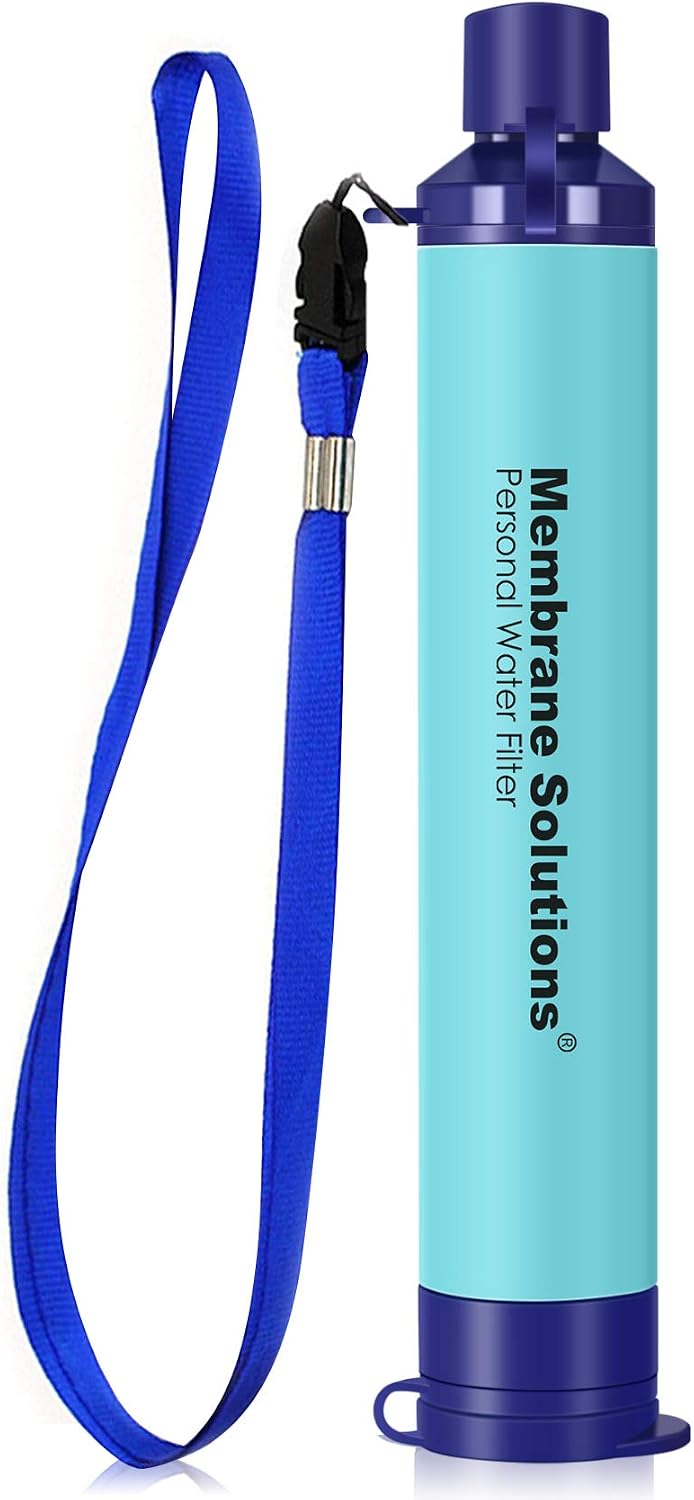
Built for travel, hiking & emergencies - drink safely whether the water is unsafe or just tastes off.
- NSF/ANSI 42, 372 & 401 certified, 0.1 micron filtration
- Filters up to 1,320 gallons - no batteries or pumping
- Ultralight - fits in any bag or pocket
- BPA-free, compatible with standard 28mm bottle threads
Tap water in Namibia's major cities like Windhoek is generally treated and considered safe for locals, but travelers should exercise caution due to aging infrastructure and variable quality outside urban centers. In rural areas and smaller towns, tap water quality can be unreliable, and using bottled or filtered water is strongly recommended. Namibia is one of the driest countries in sub-Saharan Africa, making water scarcity and quality ongoing challenges.
Quick Reference
| Concern | Our Advice | |
|---|---|---|
| Drink tap water? | ❌ | Use bottled or filtered water |
| Brush teeth? | ✅ | Yes, no concerns |
| Wash fruits / veg? | ❌ | Wash with filtered or bottled water |
| Use ice in drinks? | ❌ | Avoid unless confirmed purified |
| Shower safely? | ✅ | Yes |
| Filter bottle needed? | ❌ | Strongly recommend a Membrane Solutions Filter Straw for all travelers |
| Common risks | Bacterial contamination, Sediment and turbidity, Aging pipe infrastructure, E. coli in rural sources, Nitrate contamination from agriculture, Waterborne parasites |

Key Statistics


Affiliate links — we earn a small commission at no extra cost to you.
Water Infrastructure & Supply
Namibia's water supply is managed primarily by NamWater, the national bulk water utility, which sources water from dams, boreholes, canals, and pipelines across the country. The country relies heavily on the Kunene, Okavango, and Orange rivers, as well as underground aquifers, due to its extremely arid climate. Windhoek is notable for operating one of the world's pioneering direct potable water reclamation plants, the Goreangab Water Reclamation Plant, which has been recycling wastewater into drinking water since 1968.
Urban water treatment facilities in Windhoek, Walvis Bay, and Swakopmund generally produce water that meets Namibian and WHO drinking water guidelines. Treatment typically includes coagulation, sedimentation, sand filtration, activated carbon treatment, and chlorination. However, distribution infrastructure in many towns suffers from aging pipes, intermittent supply, and pressure drops that can introduce contaminants after treatment.
Significant investment has gone into desalination projects, particularly the Erongo Desalination Plant near Swakopmund, which serves the uranium mining sector and coastal towns. The government has also invested in the Eastern National Water Carrier, a pipeline system bringing water from the Kavango River region to central Namibia. Despite these efforts, rural communities still rely heavily on boreholes and communal standpipes with limited or no treatment.
Contamination & Health Risks
The primary health risks from Namibia's tap water include bacterial contamination, particularly E. coli and coliform bacteria, in areas with inadequate treatment or damaged distribution systems. Nitrate contamination from agricultural runoff is a documented concern in certain farming regions, particularly in the northern communal areas where livestock farming is prevalent. Studies by the Namibian Ministry of Agriculture, Water and Land Reform have flagged elevated nitrate levels in some borehole sources.
In rural areas and informal settlements, waterborne diseases such as diarrhea, cholera, and typhoid remain risks, especially during the rainy season when surface water contamination increases. Travelers visiting Etosha National Park, the Caprivi Strip (Zambezi Region), or remote desert areas may encounter water sources that are untreated or minimally treated. Even in hotels in smaller towns, water may come from boreholes with variable quality.
For travelers, the most practical risks include traveler's diarrhea from unfamiliar microorganisms, sediment in pipes causing turbidity, and inconsistent chlorination levels. While Windhoek's reclaimed water is rigorously tested and considered safe, the psychological and practical caution of using bottled or filtered water remains advisable for short-term visitors with unacclimatized immune systems.
Regional Water Quality Breakdown
Windhoek
cautionWindhoek's tap water is treated to high standards, including through the world-renowned Goreangab Reclamation Plant. Most locals drink it safely, but travelers may wish to use filtered or bottled water as a precaution due to aging distribution pipes in some neighborhoods.
Swakopmund & Walvis Bay
cautionCoastal towns benefit from desalination and treated municipal supplies. Water quality is generally acceptable but can have a mineral or slightly salty taste. Bottled water is recommended for travelers with sensitive stomachs.
Etosha National Park Area
cautionLodges and camps inside and around Etosha generally provide filtered or treated water, but quality varies by establishment. Travelers should confirm water safety at their accommodation and carry their own supply for game drives.
Sossusvlei & Namib Desert Region
cautionWater in this extremely arid region comes primarily from boreholes and is often brackish or mineral-heavy. Most lodges provide safe drinking water, but self-drive travelers should stock up on bottled water in Sesriem or Solitaire.
Zambezi Region (Caprivi Strip)
avoidThis subtropical region in the northeast has higher risks of waterborne diseases, including occasional cholera outbreaks during floods. Rural communities may rely on untreated river water. Travelers should strictly use bottled or purified water.
Northern Communal Areas (Ovamboland)
avoidWater infrastructure in towns like Oshakati and Ondangwa is improving but can be unreliable. Rural areas frequently depend on oshanas (seasonal water channels) and boreholes with potential nitrate contamination. Bottled water is essential for travelers.
Practical Tips for Travelers
- Carry at least 3-5 liters of water per person per day when driving through Namibia's desert regions , distances between towns can exceed 300 km with no services.
- In restaurants, ask for bottled water by saying 'Kan ek asseblief gebottelde water kry?' (Afrikaans) or simply request 'bottled water' , English is widely understood in tourist areas.
- Invest in a filter bottle like LifeStraw or Grayl, which is invaluable for self-drive safaris and camping trips where water sources may be untreated boreholes. Strongly recommend the Membrane Solutions Filter Straw.
- At lodges and guesthouses, always ask whether tap water is safe to drink , many properties filter their water and will tell you honestly about its quality.
- Avoid ice in drinks outside of upscale restaurants and lodges in Windhoek, Swakopmund, and major tourist destinations, as ice may be made from unfiltered tap water.
- Peel or thoroughly wash all fruits and vegetables with bottled or purified water, particularly when buying from roadside markets in rural areas.
- Stock up on water at Shoprite, Pick n Pay, or Spar supermarkets in major towns , prices are much lower than at tourist lodges or gas stations in remote areas.
- If camping in national parks or rest camps, bring water purification tablets as a backup , NamWater infrastructure occasionally experiences outages during dry season demand spikes.
Bottled Water Availability & Cost
Bottled water is widely available throughout Namibia in supermarkets, gas stations, lodges, and tourist shops. Popular local brands include Oasis and Valpr, while international brands are also stocked. A 500ml bottle typically costs N$10, 20 (approximately US$0.55, 1.10), while a 1.5-liter bottle ranges from N$15, 30 (US$0.80, 1.65). In tourist-heavy areas like Sossusvlei or Etosha lodges, prices can be significantly higher.
For longer trips, buying 5-liter jugs from supermarkets like Shoprite, Pick n Pay, or Spar is the most economical option, costing around N$30, 50 (US$1.65, 2.75). Given Namibia's extreme heat and vast distances between towns, travelers should always carry more water than they think they'll need. To reduce plastic waste in this ecologically sensitive environment, a reusable bottle with a built-in filter is highly recommended, especially for self-drive safari trips.
Frequently Asked Questions
Can I brush my teeth with tap water in Namibia?
In Windhoek, Swakopmund, and other major towns, brushing teeth with tap water is generally safe. However, in rural areas or if you have a sensitive stomach, using bottled or filtered water for brushing is a sensible precaution.
Is it safe to shower in Namibian tap water?
Yes, showering and bathing in Namibian tap water is safe throughout the country. The risk is from ingesting water, not from skin contact. Just be careful not to swallow water while showering.
Is ice safe in drinks in Namibia?
In upscale hotels, lodges, and established restaurants in cities, ice is usually made from purified or treated water and is safe. In smaller towns, roadside eateries, or bars where the source is uncertain, it's best to skip the ice.
Do restaurants in Namibia serve safe drinking water?
Tourist-oriented restaurants in Windhoek and coastal towns typically serve filtered or bottled water. Always confirm whether table water is filtered or straight from the tap. When in doubt, order a sealed bottle of water.
How much does bottled water cost in Namibia?
A 500ml bottle costs N$10, 20 (US$0.55, 1.10) at supermarkets. Prices increase at gas stations and tourist lodges. A 5-liter jug from a supermarket costs N$30, 50 (US$1.65, 2.75) and is the most cost-effective option for road trips.
Is Windhoek's recycled water safe to drink?
Windhoek's Goreangab Water Reclamation Plant has been producing potable reclaimed water since 1968 and is one of the most advanced facilities of its kind globally. The water undergoes rigorous multi-barrier treatment including ozonation, activated carbon filtration, and ultrafiltration, and meets WHO drinking water standards. Many locals drink it daily without issues.
What waterborne diseases should I be concerned about in Namibia?
The main risks include traveler's diarrhea from E. coli or other bacteria, and in the northern/northeastern regions, occasional cholera outbreaks during the rainy season (January, April). Typhoid and hepatitis A are also possible through contaminated water. Ensure your routine travel vaccinations are up to date.
Should I bring a water filter for a self-drive safari in Namibia?
Absolutely. A portable water filter or filter bottle is one of the most practical items for a Namibian road trip. You may encounter situations where only borehole water is available, particularly at remote campsites and rest stops. A Grayl or LifeStraw bottle provides peace of mind without relying on bottled water availability.
Traveling Nearby?
Check tap water safety in neighboring countries:
Angola Botswana South Africa ZambiaInteresting Product Reviews
9 Best Water Softeners For Hard Water (2026 Review Guide)
Jul 8, 2026
6 Best Water Filters For Camping (2026 Review Guide)
Jul 24, 2026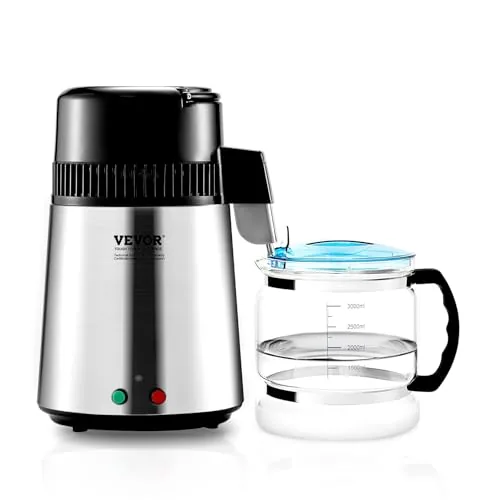
9 Best Water Distillers For Home Use (2026 Review Guide)
Jul 27, 2026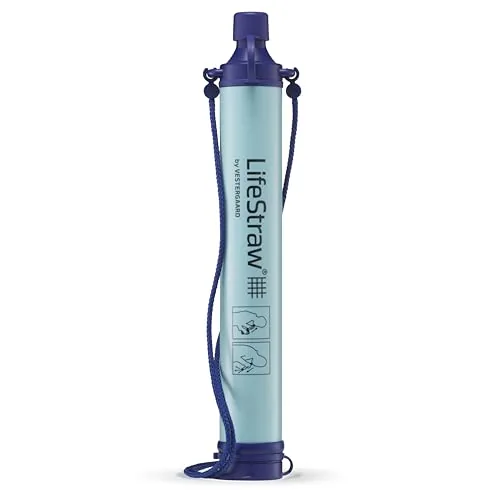
7 Best Water Filters For Giardia And Cryptosporidium (2026 Review Guide)
Jul 31, 2026
9 Best Pool Test Kits (2026 Review Guide)
Aug 25, 2026