As low as $12
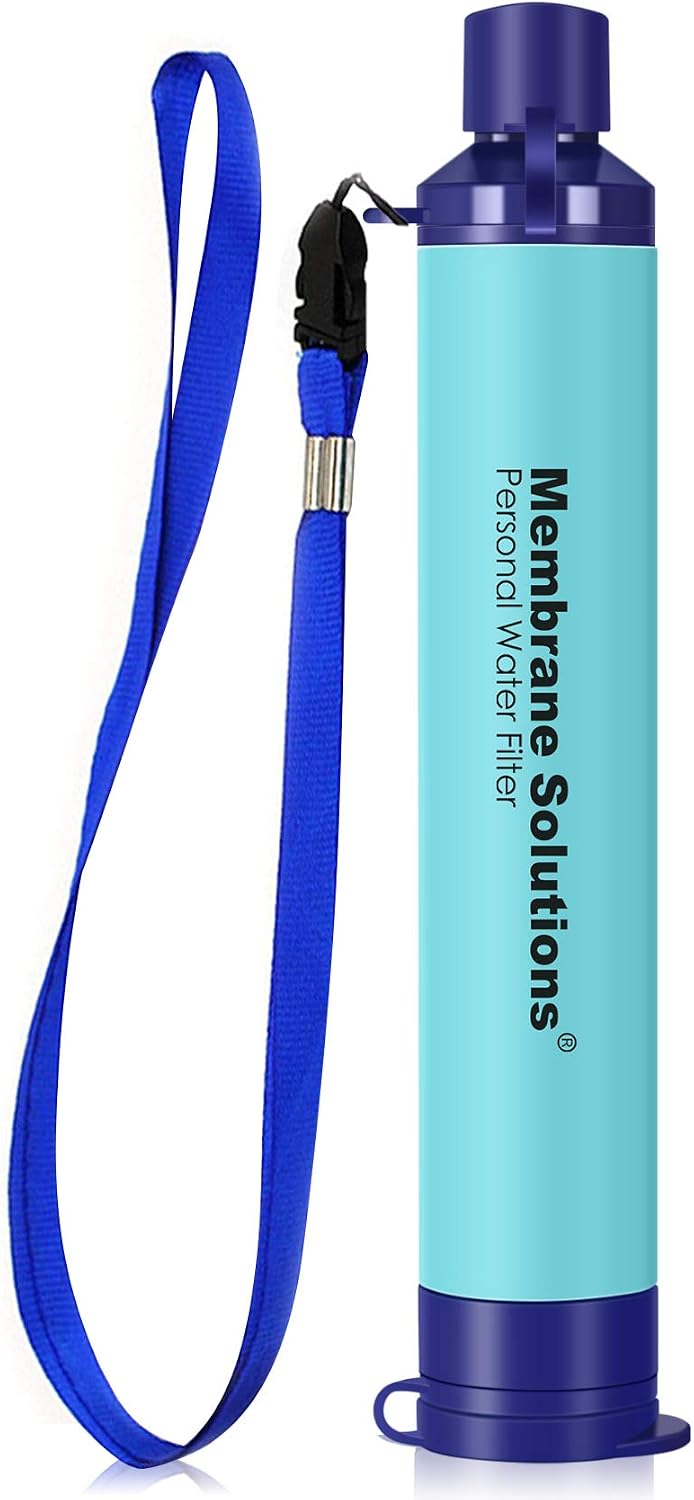
Built for travel, hiking & emergencies - drink safely whether the water is unsafe or just tastes off.
- NSF/ANSI 42, 372 & 401 certified, 0.1 micron filtration
- Filters up to 1,320 gallons - no batteries or pumping
- Ultralight - fits in any bag or pocket
- BPA-free, compatible with standard 28mm bottle threads
Tap water in Belize is generally not considered safe for travelers to drink, particularly outside of Belize City and major tourist areas. While the government-run Belize Water Services Limited treats water in urban centers, inconsistent infrastructure, aging pipes, and contamination risks in rural areas mean that most visitors should rely on bottled or filtered water. Waterborne illnesses such as traveler's diarrhea remain a real concern, especially during the rainy season.
Quick Reference
| Concern | Our Advice | |
|---|---|---|
| Drink tap water? | ❌ | Use bottled or filtered water |
| Brush teeth? | ❌ | Use bottled or filtered water |
| Wash fruits / veg? | ❌ | Wash with filtered or bottled water |
| Use ice in drinks? | ❌ | Avoid unless confirmed purified |
| Shower safely? | ✅ | Yes |
| Filter bottle needed? | ❌ | Strongly recommend a Membrane Solutions Filter Straw for all travelers |
| Common risks | Bacterial contamination, E. coli, Parasites, Waterborne pathogens, Aging pipe infrastructure, Agricultural runoff, Seasonal flooding contamination |

Key Statistics


Affiliate links — we earn a small commission at no extra cost to you.
Water Infrastructure & Supply
Belize's water supply is primarily managed by Belize Water Services Limited (BWSL), a government-owned utility that serves the majority of urban and peri-urban areas. The company operates treatment plants across the country, drawing water from rivers, wells, and underground aquifers. Water is treated through conventional methods including chlorination, filtration, and in some systems, reverse osmosis.
In rural and remote areas, particularly in the southern Toledo District and western Cayo District, communities often rely on standalone water systems, rainwater harvesting, or untreated well water. These systems frequently lack consistent monitoring and maintenance, leading to variable water quality. Aging distribution pipes in older urban areas can also introduce contaminants between the treatment plant and the tap.
The government of Belize, with support from the Inter-American Development Bank and the Caribbean Development Bank, has invested in water infrastructure upgrades in recent years. Projects have focused on expanding coverage in underserved areas, replacing aging pipelines, and improving treatment capacity. However, challenges remain with wastewater management, as a very small percentage of wastewater receives proper treatment before being discharged.
Contamination & Health Risks
The primary health risks associated with tap water in Belize include bacterial contamination (particularly E. coli and coliform bacteria), parasitic infections such as Giardia and Cryptosporidium, and occasional chemical contamination from agricultural runoff. The CDC classifies Belize as a destination where travelers should take precautions with drinking water. During the rainy season (June to November), the risk of contamination increases significantly due to flooding and overwhelmed drainage systems.
Agricultural activities, particularly sugarcane farming in the north and citrus cultivation in the Stann Creek area, contribute to fertilizer and pesticide runoff entering waterways. In coastal and island areas like Ambergris Caye and Caye Caulker, saltwater intrusion into freshwater aquifers is an ongoing concern, and desalination or reverse osmosis systems are not always reliable. Untreated sewage discharge into rivers and the sea also poses contamination risks.
For travelers, the most common waterborne illness is traveler's diarrhea, which can be caused by unfamiliar bacterial strains even in treated water. Symptoms can include stomach cramps, nausea, and dehydration. Visitors are strongly advised to avoid drinking tap water directly, to use bottled or filtered water for drinking and brushing teeth, and to be cautious with ice and raw produce washed in tap water.
Regional Water Quality Breakdown
Belize City
cautionBelize City receives treated water from BWSL, but aging distribution infrastructure can compromise quality between the plant and the tap. Locals often drink the water, but travelers should use bottled or filtered water as a precaution.
San Pedro (Ambergris Caye)
avoidSan Pedro relies heavily on reverse osmosis desalination systems for its water supply. Quality can be inconsistent, and saltwater intrusion is a persistent issue. Travelers should drink only bottled or purified water.
Caye Caulker
avoidSimilar to Ambergris Caye, Caye Caulker has limited freshwater resources and relies on small-scale treatment systems. Water quality is unreliable, and visitors should stick to bottled water.
San Ignacio & Cayo District
cautionSan Ignacio has a treated water supply, but rural areas of the Cayo District rely on wells and rivers that may be contaminated by agricultural runoff. Eco-lodges in remote areas often have their own filtration systems.
Placencia & Stann Creek
cautionPlacencia village has a basic treated water system, but quality fluctuates, especially during heavy rains. Agricultural chemicals from nearby citrus farms can affect water sources. Bottled water is recommended.
Punta Gorda & Toledo District
avoidThe Toledo District has the least developed water infrastructure in Belize. Many rural communities rely on untreated sources. Travelers visiting this region should bring their own water purification methods or buy bottled water.
Practical Tips for Travelers
- Carry a filter straw (e.g., Membrane Solutions) — it removes bacteria, parasites, and microplastics from any tap or stream. Strongly recommend the Membrane Solutions Filter Straw.
- Always drink bottled or filtered water in Belize. Even in hotels and resorts, confirm whether provided water is purified before drinking from the tap.
- Invest in a quality filter water bottle (such as LifeStraw or Grayl) before your trip , it will save money and reduce plastic waste throughout your stay.
- In restaurants, ask for bottled water by saying "Can I get bottled water, please?" or in Belizean Kriol, "Ah need wan battle wata." Most establishments understand English perfectly.
- Avoid ice in drinks at street stalls and smaller local bars. Higher-end restaurants and resorts in tourist areas typically use purified water for ice, but it's always worth asking.
- Peel fruits rather than washing them under tap water, or wash produce with bottled or purified water to reduce the risk of waterborne illness.
- During the rainy season (June, November), be extra cautious with water quality as flooding can overwhelm treatment systems and contaminate water supplies.
- If staying at a jungle lodge or remote eco-resort, ask the staff about their water filtration system. Many reputable lodges use UV or reverse osmosis purification.
- Pack oral rehydration salts (ORS) in your travel kit. If you experience traveler's diarrhea, they are essential for recovery and are also available at local pharmacies.
Bottled Water Availability & Cost
Bottled water is widely available throughout Belize at convenience stores, supermarkets, gas stations, and tourist shops. A 500ml bottle typically costs BZ$1.50, 3.00 (approximately US$0.75, 1.50), while a 1-gallon jug ranges from BZ$3.00, 6.00 (US$1.50, 3.00). Popular local brands include Crystal and Belize Water, and international brands like Dasani are also common in tourist areas.
For longer stays, purchasing 5-gallon refillable jugs is the most economical option, costing around BZ$5.00, 8.00 (US$2.50, 4.00) per refill, available at water delivery services and many local shops. Many hotels and resorts provide purified drinking water for guests. Travelers concerned about plastic waste should consider bringing a reusable bottle with a built-in filter, which is both cost-effective and environmentally responsible given Belize's fragile coral reef ecosystems.
Frequently Asked Questions
Can I brush my teeth with tap water in Belize?
It is recommended to use bottled or filtered water for brushing your teeth in Belize, especially if you have a sensitive stomach. While brief contact with treated tap water in urban areas is unlikely to cause serious illness, using purified water eliminates any risk.
Is it safe to shower in Belize tap water?
Yes, showering in Belize tap water is safe. The risk of waterborne illness comes from ingestion, not skin contact. Just be careful to keep your mouth closed and avoid swallowing any water while showering.
Is ice safe in Belize restaurants?
At upscale restaurants, resorts, and well-known tourist establishments, ice is usually made from purified water and is safe. However, at street food stalls, smaller local bars, and in rural areas, ice may be made from untreated tap water. When in doubt, ask or skip the ice.
Do restaurants in Belize serve safe water?
Most tourist-oriented restaurants serve bottled or purified water, and many clearly indicate this on their menus. At local eateries, tap water may be served. If you're unsure, always request a sealed bottle of water.
How much does bottled water cost in Belize?
A 500ml bottle of water typically costs BZ$1.50, 3.00 (US$0.75, 1.50), and a gallon jug costs BZ$3.00, 6.00 (US$1.50, 3.00). Prices may be slightly higher on the islands like Ambergris Caye and Caye Caulker due to transport costs.
Can I drink tap water on the cayes (islands) in Belize?
No. The cayes, including popular destinations like Ambergris Caye and Caye Caulker, have limited freshwater resources and rely on desalination or reverse osmosis. Water quality is inconsistent, and you should always use bottled or filtered water.
Is the water safer in Belize City than in rural areas?
Belize City has a more developed water treatment system than rural areas, but aging pipes can introduce contaminants. While locals may drink the tap water without issue, travelers with no prior exposure should still use bottled or filtered water as a precaution.
What's the best way to purify water while traveling in Belize?
A portable water filter bottle (such as LifeStraw Go or Grayl GeoPress) is the most convenient option. Alternatively, boiling water for at least one minute, UV purification pens, or water purification tablets (chlorine dioxide-based) are all effective methods.
Interesting Product Reviews
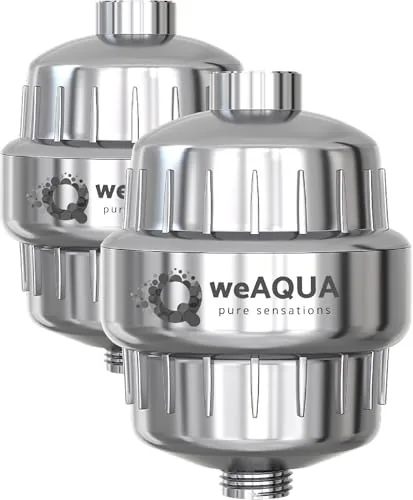
7 Best Shower Filters For Chlorine (2026 Review Guide)
Jul 27, 2026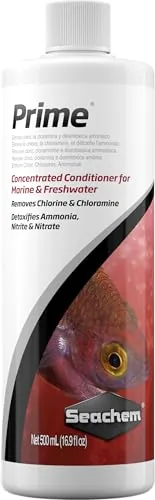
9 Best Fish Tank Water Conditioners (2026 Review Guide)
Aug 18, 2026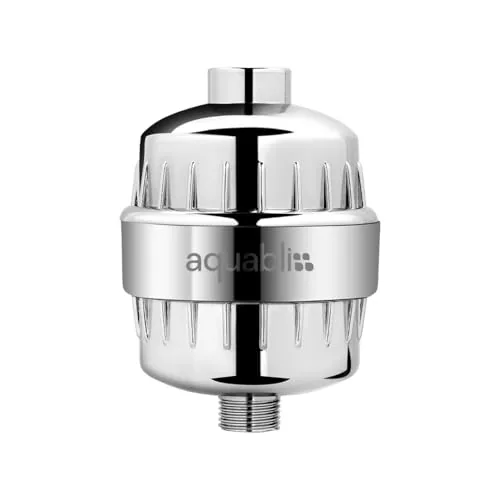
7 Best Shower Filters For Hard Water (2026 Review Guide)
Jul 26, 2026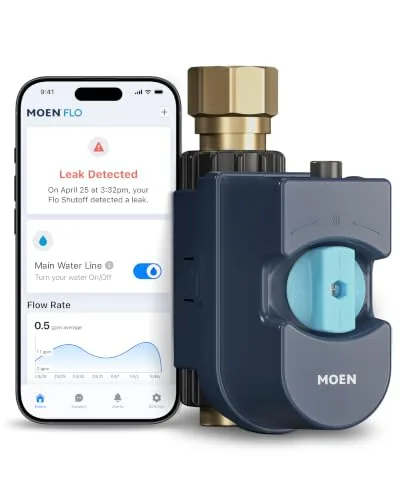
8 Best Smart Water Shutoff Valves (2026 Review Guide)
Aug 17, 2026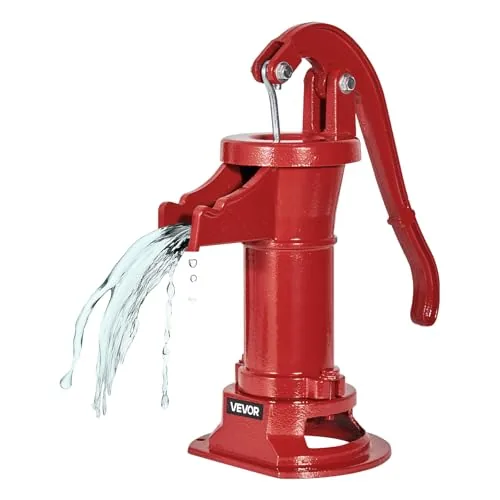
7 Best Manual Well Pumps (2026 Review Guide)
Aug 23, 2026