As low as $12
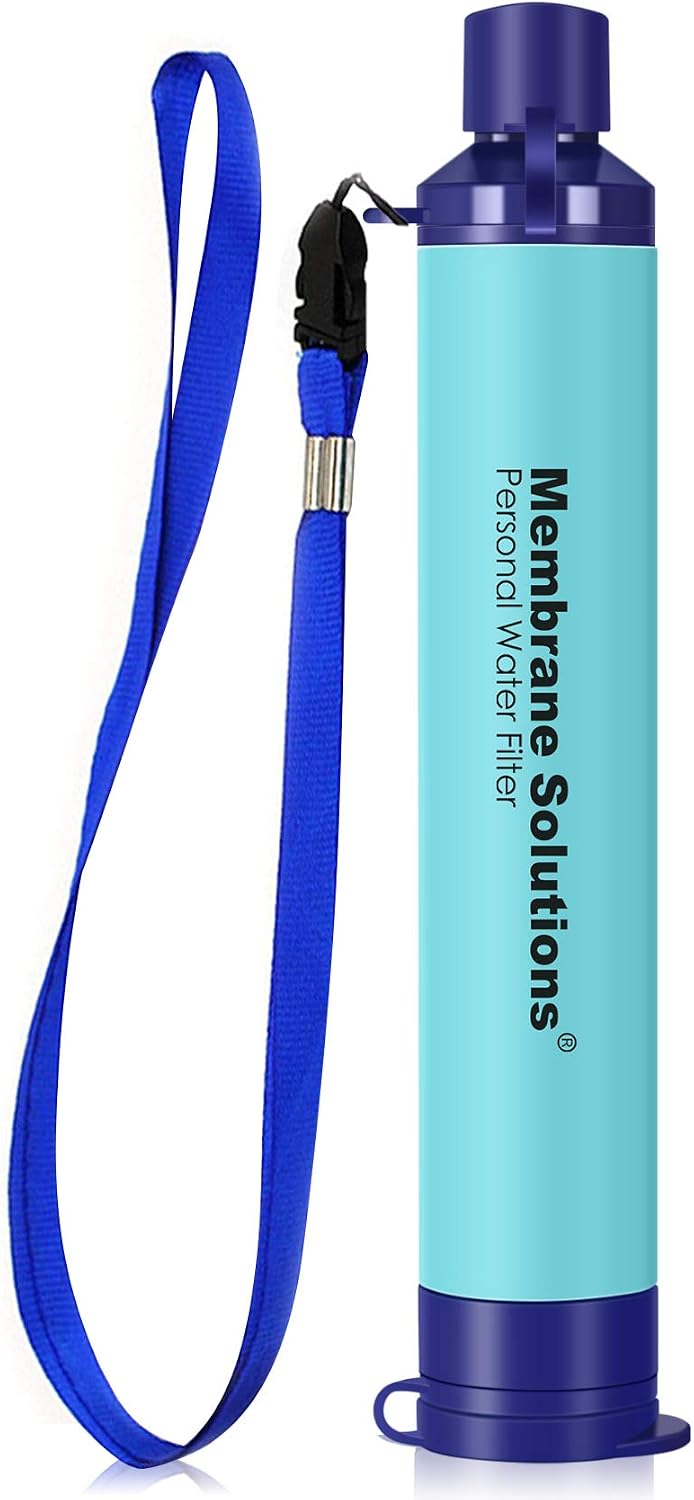
Built for travel, hiking & emergencies - drink safely whether the water is unsafe or just tastes off.
- NSF/ANSI 42, 372 & 401 certified, 0.1 micron filtration
- Filters up to 1,320 gallons - no batteries or pumping
- Ultralight - fits in any bag or pocket
- BPA-free, compatible with standard 28mm bottle threads
Tap water in Sierra Leone is generally not safe for travelers to drink. Water infrastructure was severely damaged during the civil war (1991, 2002) and the 2014, 2015 Ebola crisis, and much of the country still lacks reliable water treatment. Travelers should rely on bottled or treated water throughout their visit.
Quick Reference
| Concern | Our Advice | |
|---|---|---|
| Drink tap water? | ❌ | Use bottled or filtered water |
| Brush teeth? | ❌ | Use bottled or filtered water |
| Wash fruits / veg? | ❌ | Wash with filtered or bottled water |
| Use ice in drinks? | ❌ | Avoid unless confirmed purified |
| Shower safely? | ✅ | Yes |
| Filter bottle needed? | ❌ | Strongly recommend a Membrane Solutions Filter Straw for all travelers |
| Common risks | Bacterial contamination, Waterborne parasites, E. coli, Cholera, Typhoid, Sediment and turbidity, Heavy metals from mining runoff |

Key Statistics


Affiliate links — we earn a small commission at no extra cost to you.
Water Infrastructure & Supply
Sierra Leone's water infrastructure has faced decades of underinvestment and devastation. The civil war (1991, 2002) destroyed much of the piped water network, particularly in Freetown and regional capitals. The Guma Valley Water Company, which serves Freetown, operates aging treatment facilities that struggle to meet demand for the city's rapidly growing population of over 1.2 million people.
The primary water sources include the Guma Dam and several river intakes, but treatment capacity is limited. Water supply in Freetown is intermittent, with many households receiving piped water only a few hours per day or relying on wells, standpipes, and rainwater harvesting. In rural areas, hand-dug wells and surface water sources are common, and these are frequently contaminated with fecal bacteria and other pathogens due to poor sanitation infrastructure.
Several international projects are underway to improve the situation. The World Bank's Freetown WASH and Aquatic Environment (FWAE) project, along with DFID-funded programs, aim to expand water treatment capacity, rehabilitate distribution networks, and improve rural water points. The government's National Water and Sanitation Policy targets universal access by 2030, but progress has been slow due to funding gaps and institutional challenges.
Contamination & Health Risks
Waterborne diseases remain a leading cause of illness and death in Sierra Leone, particularly among children. E. coli contamination is widespread in both piped and well water sources, and outbreaks of cholera occur regularly, especially during the rainy season (May, October). Typhoid fever and hepatitis A are also significant risks linked to contaminated water.
Mining activities, particularly artisanal mining of diamonds, gold, and iron ore, contribute heavy metals including lead, mercury, and arsenic to rivers and groundwater in mining regions such as Kono, Kenema, and Tonkolili districts. Urban areas also face contamination from untreated sewage, as sanitation coverage remains extremely low, with open defecation still practiced in many communities.
For travelers, the practical risks are significant. Even in upscale hotels in Freetown, tap water should not be consumed directly. Ice in drinks at local establishments may be made from untreated water. Raw fruits and vegetables washed in tap water can carry pathogens. Travelers should also be aware that flooding during the rainy season dramatically increases contamination of all water sources, including wells used by hotels and guesthouses.
Regional Water Quality Breakdown
Freetown
avoidDespite being the capital and having the Guma Valley Water Company, Freetown's tap water is not safe to drink. Supply is intermittent, treatment is inconsistent, and the distribution system is aging and prone to contamination. Use only bottled or thoroughly treated water.
Bo
avoidBo, the second-largest city, relies on boreholes and limited piped infrastructure. Water quality is unreliable and contamination from inadequate sanitation is common. Travelers should use only bottled or filtered water.
Kenema
avoidLocated in the eastern mining region, Kenema faces water contamination from both mining runoff and poor sanitation. Groundwater sources may contain elevated levels of heavy metals. Bottled water or robust filtration is essential.
Makeni
avoidMakeni has limited water treatment infrastructure, and most residents rely on wells and boreholes. Quality monitoring is minimal, and bacterial contamination is frequently detected. Travelers should avoid all tap and well water.
Banana Islands & Beaches
avoidPopular coastal and island destinations have no centralized water treatment. Water comes from wells or rainwater collection and is not treated to safe drinking standards. Bring sufficient bottled water or a reliable filter system.
Tiwai Island Wildlife Sanctuary
avoidThis remote ecotourism destination in the south relies on river water and basic facilities. No treated water is available, and visitors should bring their own purification supplies or sufficient bottled water for their stay.
Practical Tips for Travelers
- Always drink bottled or filtered water , never drink tap water, well water, or water from standpipes anywhere in Sierra Leone.
- Bring a high-quality filter bottle such as a Grayl GeoPress or LifeStraw Go, which can remove bacteria, parasites, and some heavy metals from local water sources. Strongly recommend the Membrane Solutions Filter Straw.
- Avoid ice in drinks unless you can confirm it was made with purified water , many restaurants and bars use untreated water to make ice.
- Peel all fruits and avoid raw salads unless you can wash them yourself with treated or bottled water.
- In Krio, the local lingua franca, you can ask 'A wan kol wata foh drink' (I want cold water to drink) , this typically gets you sachet or bottled water from vendors.
- Carry oral rehydration salts (ORS) in your travel kit , diarrheal illness is common among visitors, and quick rehydration can prevent serious complications.
- During the rainy season (May, October), be especially cautious as flooding dramatically increases water contamination across all sources.
- Check that bottled water seals are intact before purchasing , refilled bottles with broken seals are occasionally sold by dishonest vendors.
Bottled Water Availability & Cost
Bottled water is widely available in Freetown and larger towns such as Bo, Kenema, and Makeni. Common brands include SierraPure, Holy Water, and imported brands. A 500ml bottle typically costs 3,000, 5,000 Sierra Leonean Leones (approximately $0.15, $0.25 USD), while a 1.5-liter bottle ranges from 6,000, 10,000 SLL ($0.30, $0.50 USD). In tourist-oriented restaurants and hotels, prices may be slightly higher.
Buying water in bulk (cases of 1.5-liter bottles) from supermarkets or roadside vendors is more economical for extended stays. Sachet water (small sealed plastic bags called "pure water") is extremely popular and costs around 1,000 SLL ($0.05 USD) per 500ml sachet, though quality can vary between producers. Travelers concerned about sustainability should consider bringing a high-quality filter bottle such as a LifeStraw or Grayl, which can treat water from virtually any source and reduce plastic waste significantly.
Frequently Asked Questions
Can I brush my teeth with tap water in Sierra Leone?
No, it is not recommended. Tap water in Sierra Leone may contain harmful bacteria, parasites, and other contaminants. Use bottled or filtered water for brushing your teeth to avoid the risk of ingesting pathogens.
Is it safe to shower in tap water in Sierra Leone?
Showering is generally safe as long as you keep your mouth closed and avoid swallowing any water. The risk from skin contact alone is low, but be careful with open wounds as bacterial contamination could cause infection.
Can I eat ice in drinks at restaurants in Freetown?
It is best to avoid ice in drinks throughout Sierra Leone, including Freetown. Most ice is made from untreated water. Higher-end hotels and international restaurants may use purified water for ice, but always confirm before consuming.
Is restaurant water safe to drink in Sierra Leone?
Only drink water in restaurants if it comes in a sealed bottle. Do not accept water served from jugs or glasses, as it is likely untreated tap or well water. Sachet water ('pure water') from reputable brands is also an acceptable alternative.
How much does bottled water cost in Sierra Leone?
A 500ml bottle costs around 3,000, 5,000 SLL ($0.15, $0.25 USD), and a 1.5-liter bottle ranges from 6,000, 10,000 SLL ($0.30, $0.50 USD). Sachet water is even cheaper at about 1,000 SLL ($0.05 USD) per 500ml bag.
Is sachet water ('pure water') safe to drink in Sierra Leone?
Sachet water from established, registered brands is generally considered safer than tap or well water, but quality varies. Some smaller producers may not meet hygiene standards. Look for well-known brands and check that the sachet is properly sealed.
Do I need to take special water precautions during the rainy season?
Yes, the rainy season (May, October) brings severe flooding that contaminates water sources, including wells and boreholes. Cholera outbreaks are more common during this period. Be extra vigilant about water purification and avoid any food that may have been prepared with flood-affected water.
Should I get vaccinated before traveling to Sierra Leone for water safety?
Yes. The CDC recommends hepatitis A and typhoid vaccinations for all travelers to Sierra Leone, as both diseases can be transmitted through contaminated water and food. A cholera vaccine (Vaxchora) may also be recommended depending on your itinerary and planned activities.
Interesting Product Reviews
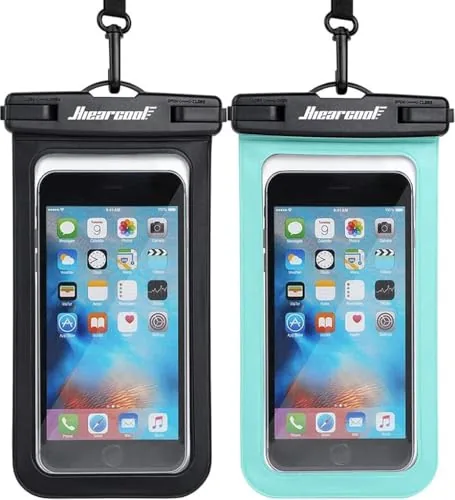
8 Best Waterproof Phone Pouches (2026 Review Guide)
Aug 23, 2026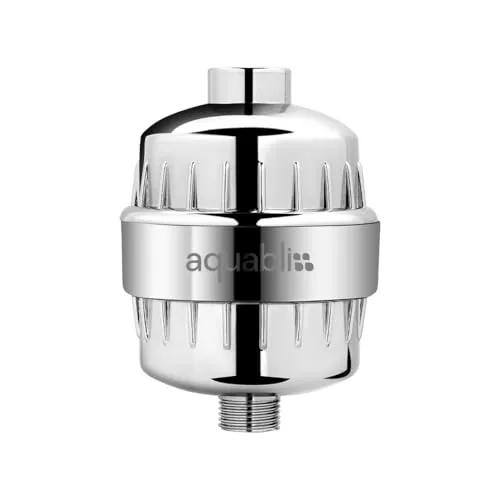
8 Best Shower Filters (2026 Review Guide)
Jul 6, 2026
6 Best Ph Testers (2026 Review Guide)
Aug 16, 2026
9 Best Ear Plugs For Swimmers (2026 Review Guide)
Aug 25, 2026
8 Best Variable Temperature Kettles (2026 Review Guide)
Aug 12, 2026