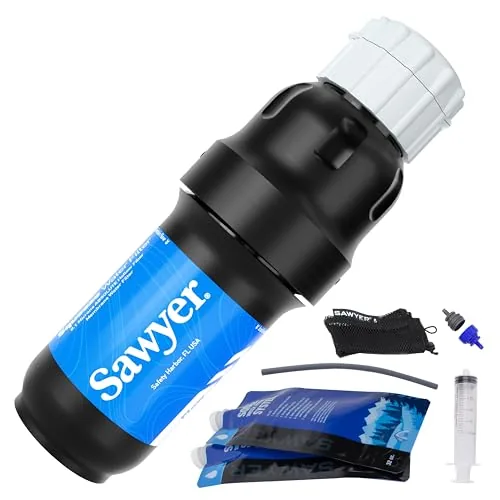
As low as $12
Built for travel, hiking & emergencies - drink safely whether the water is unsafe or just tastes off.
- NSF/ANSI 42, 372 & 401 certified, 0.1 micron filtration
- Filters up to 1,320 gallons - no batteries or pumping
- Ultralight - fits in any bag or pocket
- BPA-free, compatible with standard 28mm bottle threads
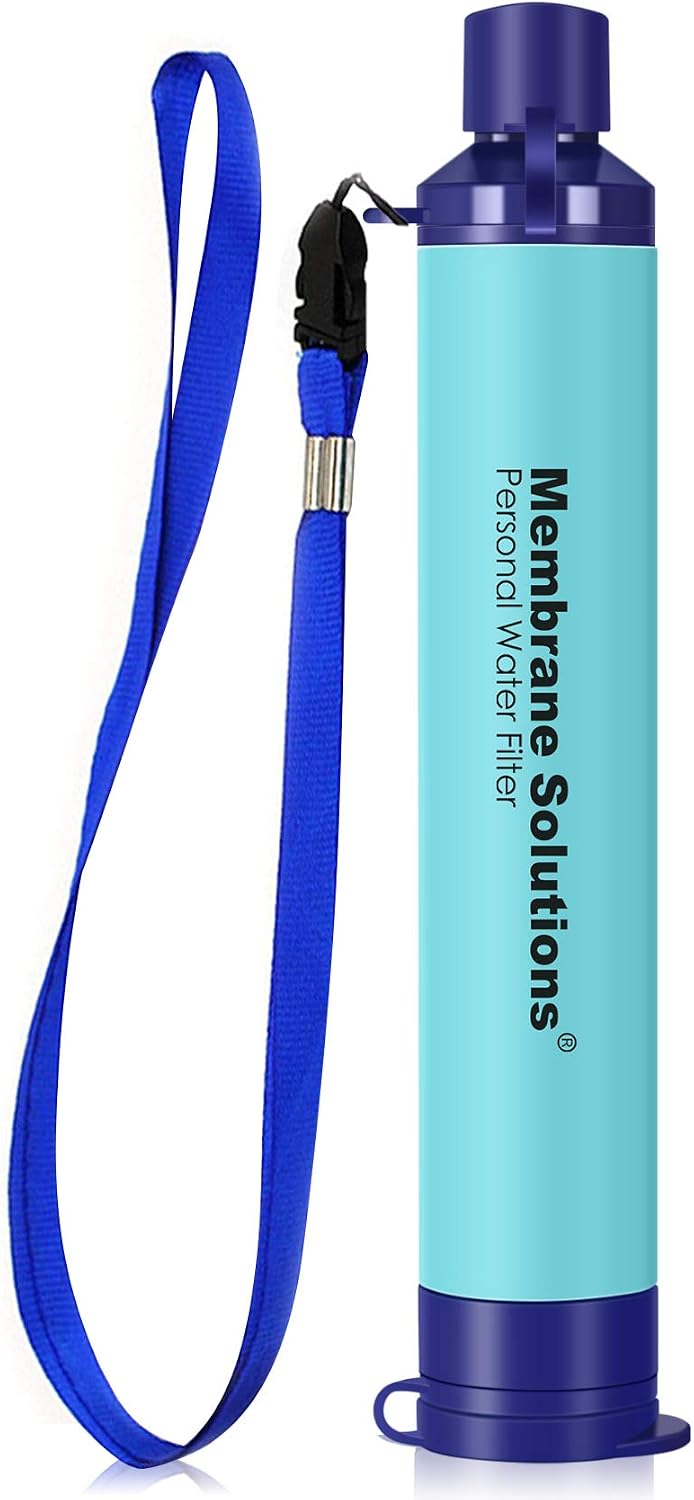
Tap water in Honduras is generally not considered safe for travelers to drink. While some urban areas have treated municipal water, inconsistent treatment, aging infrastructure, and contamination risks mean that most visitors should rely on bottled or purified water. Rural areas are particularly problematic, with many communities lacking access to reliably treated water supplies.
Quick Reference
| Concern | Our Advice | |
|---|---|---|
| Drink tap water? | ❌ | Use bottled or filtered water |
| Brush teeth? | ❌ | Use bottled or filtered water |
| Wash fruits / veg? | ❌ | Wash with filtered or bottled water |
| Use ice in drinks? | ❌ | Avoid unless confirmed purified |
| Shower safely? | ✅ | Yes |
| Filter bottle needed? | ❌ | Strongly recommend a Membrane Solutions Filter Straw for all travelers |
| Common risks | Bacterial contamination, Parasitic infections, E. coli, Giardia, Cryptosporidium, Heavy metals, Pesticide runoff, Inadequate chlorination |

Key Statistics


Affiliate links — we earn a small commission at no extra cost to you.
Water Infrastructure & Supply
Honduras's water infrastructure has developed unevenly since the mid-20th century. The national water utility, SANAA (Servicio Autnomo Nacional de Acueductos y Alcantarillados), was historically responsible for urban water supply but has gradually transferred operations to municipal governments under a 2003 framework law. Hurricane Mitch in 1998 devastated much of the country's water infrastructure, and recovery efforts have shaped investments for decades since.
Urban systems in cities like Tegucigalpa and San Pedro Sula use surface water sources including rivers and reservoirs, with conventional treatment plants employing coagulation, sedimentation, filtration, and chlorination. However, intermittent supply is common , many neighborhoods in Tegucigalpa receive piped water only a few hours per day or a few days per week, forcing residents to store water in tanks (pilas) where recontamination can occur. Pipe networks are aging, with significant water losses estimated at 40-50% due to leaks and illegal connections.
International organizations including the Inter-American Development Bank, World Bank, and various NGOs have funded significant improvement projects. The Programa de Agua y Saneamiento has targeted rural communities with gravity-fed systems and community-managed water boards (Juntas de Agua). Climate change adaptation projects are increasingly important as Honduras faces both droughts and intense hurricanes that damage infrastructure, as seen with Hurricanes Eta and Iota in 2020.
Contamination & Health Risks
The primary health risks from Honduran tap water include bacterial contamination (E. coli, Salmonella, Shigella), parasitic organisms (Giardia lamblia, Cryptosporidium, amoebas), and viral pathogens. Studies by the Honduran Health Ministry have repeatedly found coliform bacteria levels exceeding WHO guidelines in municipal water supplies, particularly during the rainy season when flooding overwhelms treatment capacity. Agricultural runoff introduces pesticides and fertilizers into water sources, especially in areas near banana, coffee, and palm oil plantations.
In rural areas, open defecation and inadequate sanitation allow fecal contamination of surface water and shallow wells. Mining operations, particularly artisanal gold mining, have introduced mercury and other heavy metals into water sources in departments like Olancho and Santa Brbara. Even in urban areas where water is chlorinated at the treatment plant, the intermittent supply schedule means that when pressure drops in pipes, contaminated groundwater can seep in through cracks and joints.
For travelers, the most common waterborne illness is traveler's diarrhea, which affects a significant percentage of visitors. More serious risks include typhoid fever, hepatitis A, and amoebic dysentery. The CDC classifies Honduras as a destination where travelers should avoid tap water, including ice made from tap water, and should use bottled, boiled, or purified water for drinking and brushing teeth. Street food vendors' use of unfiltered water for washing produce and making beverages is an additional concern.
Regional Water Quality Breakdown
Tegucigalpa
avoidThe capital suffers from chronic water shortages with intermittent supply, sometimes only a few hours per week in some neighborhoods. Water storage in household tanks increases contamination risk. Even treated water may be recontaminated in the aging distribution network.
San Pedro Sula
cautionHonduras's industrial capital has relatively better water infrastructure than many cities, but industrial pollution and inconsistent chlorination remain concerns. Upscale hotels and restaurants typically use filtered water systems.
Roatn & Bay Islands
cautionThe Bay Islands rely on a mix of desalination plants, rainwater collection, and reverse osmosis systems. Many resorts and dive shops have their own purification systems, but municipal water should not be considered potable. Water quality varies significantly by location on the islands.
Copn Ruinas
avoidThis popular tourist town near the Maya ruins has a small municipal water system with limited treatment capacity. Travelers should rely exclusively on bottled or purified water. Most hotels and restaurants catering to tourists use purified water for cooking and ice.
La Ceiba & Caribbean Coast
avoidCoastal cities face particular challenges during the rainy season when flooding contaminates water sources. La Ceiba's water system is prone to disruptions from tropical storms. Stick to bottled water and be cautious with ice in smaller establishments.
Rural & Indigenous Communities
avoidRural areas, particularly in Lempira, Intibuc, and La Mosquitia, often lack treated water entirely. Communities may rely on untreated springs, rivers, or shallow wells. Travelers trekking or volunteering in these areas should carry their own purification methods.
Practical Tips for Travelers
- Carry a filter straw (e.g., Membrane Solutions) — it removes bacteria, parasites, and microplastics from any tap or stream. Strongly recommend the Membrane Solutions Filter Straw.
- Always ask for 'agua purificada' (purified water) at restaurants and hotels rather than assuming tap water is safe , this phrase is universally understood throughout Honduras.
- Carry a portable water purification bottle (such as Grayl or LifeStraw) for day trips, hikes, and visits to rural areas where bottled water may not be readily available.
- When ordering drinks, request 'sin hielo' (without ice) unless you're at an upscale restaurant or hotel that confirms they use purified water for ice making.
- Wash and peel all fruits and vegetables yourself using purified water, or soak them in a water-and-vinegar solution , street vendors may rinse produce with tap water.
- Keep your mouth closed while showering and avoid swallowing any water, especially in budget accommodations , showering is generally safe for your skin but ingestion should be avoided.
- Purchase large 5-gallon garrafones of purified water from trusted brands like Agua Azul if staying in a rental property , delivery services are common and very affordable.
- Check that bottled water seals are intact before purchasing, as some vendors have been known to refill bottles with tap water , buy from reputable stores when possible.
- If you experience traveler's diarrhea, stay hydrated with oral rehydration salts (sales de rehidratacin oral), widely available at Honduran pharmacies without a prescription.
Bottled Water Availability & Cost
Bottled water is widely available throughout Honduras at convenience stores, supermarkets, gas stations, and small pulperas (corner shops). Major brands include Agua Azul, Dasani, and Crystal. A 500ml bottle typically costs 15-25 Lempiras (approximately $0.60-$1.00 USD), while a 1.5-liter bottle ranges from 25-40 Lempiras ($1.00-$1.60 USD). In tourist areas like Roatn and Copn Ruinas, prices can be 30-50% higher.
For longer stays, purchasing 5-gallon (18.9-liter) garrafones is the most economical option, costing 40-70 Lempiras ($1.60-$2.80 USD) with delivery services available in most towns. Many hotels and hostels provide filtered or purified water dispensers for guests. Travelers should check that bottle seals are intact before purchasing, as refilled bottles occasionally circulate. From a sustainability perspective, carrying a reusable bottle with a built-in purification filter such as a LifeStraw or Grayl can significantly reduce plastic waste while ensuring safe drinking water throughout your trip.
Frequently Asked Questions
Can I brush my teeth with tap water in Honduras?
It is not recommended to brush your teeth with tap water in Honduras. Use bottled or purified water instead. Even small amounts of contaminated water can cause gastrointestinal illness. Most hotels provide bottled water that you can use for brushing.
Is it safe to shower in Honduran tap water?
Yes, showering in Honduran tap water is generally safe as long as you avoid swallowing any water and keep your mouth closed. The risk from skin contact alone is minimal. If you have open wounds or cuts, you may want to take extra precautions.
Is ice safe in drinks at Honduran restaurants?
In upscale hotels, resorts, and tourist-oriented restaurants, ice is typically made from purified water and is generally safe. However, at local eateries, street food stalls, and smaller establishments, ice may be made from tap water. When in doubt, order drinks 'sin hielo' (without ice).
Is restaurant water safe to drink in Honduras?
Most restaurants that cater to tourists serve purified or bottled water, but you should always confirm. Ask for 'agua purificada' or sealed bottled water. Avoid drinking water served from pitchers at local comedores (small eateries) unless you can verify it has been purified.
How much does bottled water cost in Honduras?
A 500ml bottle costs about 15-25 Lempiras ($0.60-$1.00 USD), and a 1.5-liter bottle costs 25-40 Lempiras ($1.00-$1.60 USD). Prices are higher in tourist areas like Roatn. For the best value, buy 5-gallon garrafones for about 40-70 Lempiras ($1.60-$2.80 USD).
Is the water safe to drink on Roatn and the Bay Islands?
Municipal water on the Bay Islands should not be considered potable. However, most resorts, dive shops, and tourist accommodations have their own reverse osmosis or purification systems. Always confirm with your accommodation whether their water is purified, and use bottled water as a default.
Can I eat fresh salads and raw vegetables in Honduras?
Exercise caution with raw salads and vegetables, especially at local eateries and street food stalls where produce may be washed with tap water. At tourist-oriented restaurants, salads are generally prepared with purified water and are safer. When in doubt, opt for cooked vegetables or fruits you can peel yourself.
Should I get vaccinated before traveling to Honduras due to water quality concerns?
The CDC recommends that travelers to Honduras be vaccinated against hepatitis A and typhoid, both of which can be transmitted through contaminated food and water. These vaccinations are especially important if you plan to visit rural areas or eat at local restaurants. Consult your travel health clinic at least 4-6 weeks before departure.
Interesting Product Reviews
6 Best Waterproof Bags (2026 Review Guide)
Aug 23, 2026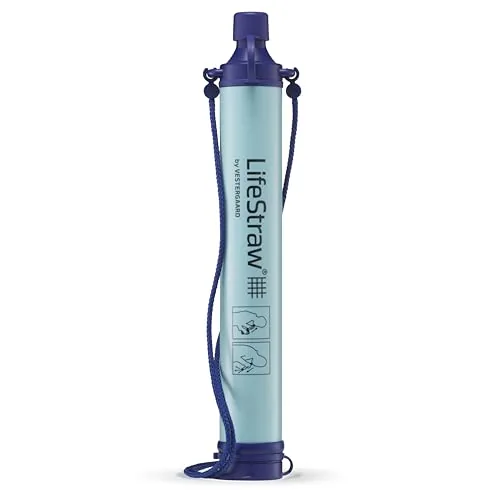
7 Best Water Filters For Giardia And Cryptosporidium (2026 Review Guide)
Jul 31, 2026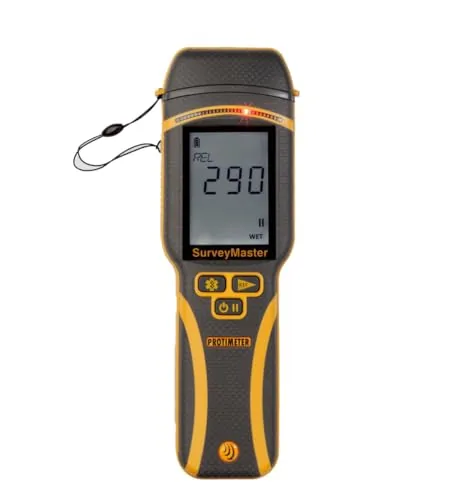
9 Best Moisture Meters (2026 Review Guide)
Aug 17, 2026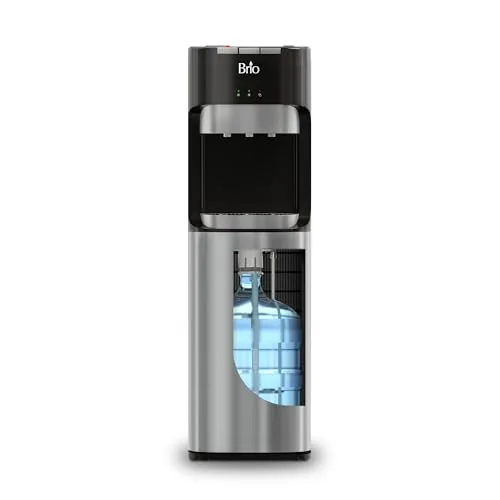
6 Best Water Coolers For Home (2026 Review Guide)
Aug 10, 2026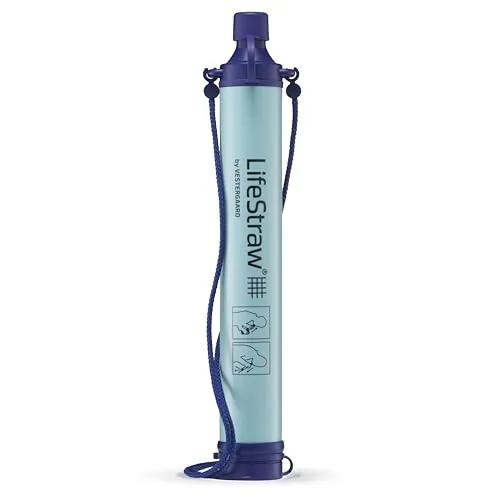
9 Best Water Filters For Backpacking (2026 Review Guide)
Jul 19, 2026