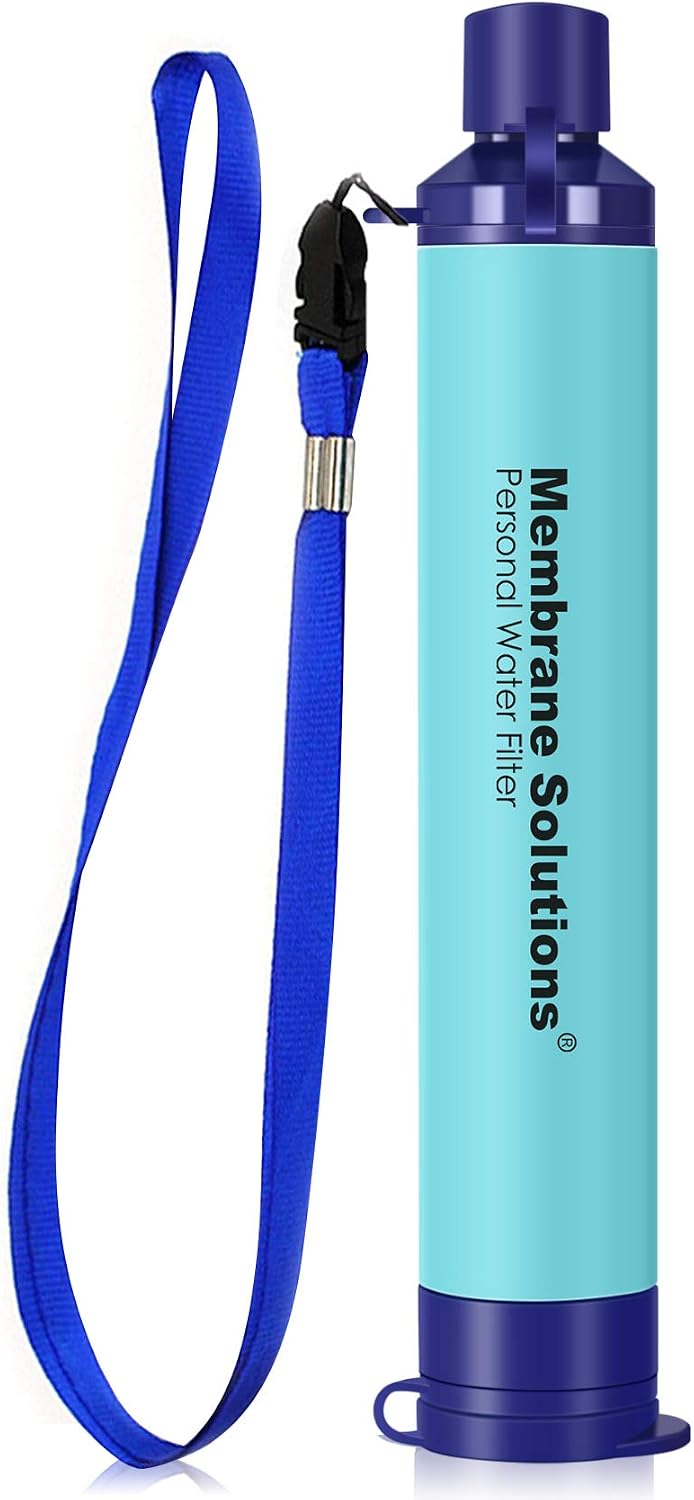
As low as $12
Built for travel, hiking & emergencies - drink safely whether the water is unsafe or just tastes off.
- NSF/ANSI 42, 372 & 401 certified, 0.1 micron filtration
- Filters up to 1,320 gallons - no batteries or pumping
- Ultralight - fits in any bag or pocket
- BPA-free, compatible with standard 28mm bottle threads
Tap water in Somalia is not safe to drink for travelers or most residents. Decades of conflict have severely damaged water infrastructure, and waterborne diseases remain a leading cause of illness. Travelers should rely exclusively on bottled or purified water during their stay.
Quick Reference
| Concern | Our Advice | |
|---|---|---|
| Drink tap water? | ❌ | Use bottled or filtered water |
| Brush teeth? | ❌ | Use bottled or filtered water |
| Wash fruits / veg? | ❌ | Wash with filtered or bottled water |
| Use ice in drinks? | ❌ | Avoid unless confirmed purified |
| Shower safely? | ⚠️ | Yes but avoid swallowing water |
| Filter bottle needed? | ❌ | Strongly recommend a Membrane Solutions Filter Straw for all travelers |
| Common risks | Bacterial contamination, Cholera, Acute watery diarrhea, E. coli, Hepatitis A, Heavy metals, Parasitic infections, Salmonella |

Key Statistics


Affiliate links — we earn a small commission at no extra cost to you.
Water Infrastructure & Supply
Somalia's water infrastructure has been devastated by more than three decades of civil conflict, chronic underfunding, and recurrent droughts. In many urban areas, piped water systems built during the pre-conflict era have largely collapsed or operate only intermittently. Most Somalis rely on a patchwork of shallow wells, boreholes, water trucking, and rainwater harvesting, with quality varying enormously depending on location and season.
In Mogadishu and other major cities, private water vendors and small-scale piped networks have partially filled the gap left by the absence of a functioning national utility. However, these systems rarely include adequate treatment, and contamination from sewage and industrial waste is common. Groundwater sources, which supply the majority of the population, are frequently affected by saline intrusion, agricultural runoff, and proximity to open defecation sites.
International organizations including UNICEF, the World Bank, and various NGOs have invested in borehole rehabilitation, solar-powered water systems, and community-managed water points, particularly in drought-affected regions. The Somali federal government has identified WASH (water, sanitation, and hygiene) as a priority in its National Development Plan, but progress remains slow due to insecurity, institutional fragility, and the scale of need. Large-scale desalination and water treatment projects remain aspirational rather than operational in most areas.
Contamination & Health Risks
Waterborne diseases are among the most significant public health threats in Somalia. Cholera outbreaks are recurrent, with major epidemics in 2017, 2022, and 2023 affecting tens of thousands of people. Acute watery diarrhea (AWD), typhoid fever, and hepatitis A and E are also widespread, driven by the lack of safe water and sanitation. Contamination of water sources with fecal bacteria, including E. coli, has been documented repeatedly across the country.
Pollution sources include untreated sewage discharged into waterways and groundwater, livestock waste near communal water points, and unregulated industrial effluent in urban areas. In some coastal cities, uncontrolled dumping of waste, including hazardous materials, has contaminated shallow aquifers. Seasonal flooding, particularly during the Gu and Deyr rains, dramatically increases the risk of waterborne disease by overwhelming already fragile sanitation systems.
For travelers, the risks are severe. Even short-term exposure to contaminated water through drinking, brushing teeth, or consuming raw foods washed in local water can cause serious gastrointestinal illness. Travelers should use only sealed bottled water or water treated with certified purification tablets or reliable filter systems. Avoid ice in drinks unless you can confirm it was made with purified water, and be cautious with street food that may have been prepared with unsafe water.
Regional Water Quality Breakdown
Mogadishu
avoidMogadishu's piped water system is largely non-functional and privately operated networks lack proper treatment. Groundwater is frequently contaminated with sewage and saline intrusion. Travelers should use only sealed bottled or purified water.
Hargeisa (Somaliland)
avoidHargeisa has somewhat better infrastructure than southern Somalia, with some NGO-supported water projects. However, water quality is still unreliable and not safe for travelers to drink without treatment. Bottled water is widely available.
Berbera (Somaliland)
avoidAs a port city, Berbera benefits from some improved water systems, but supplies are inconsistent and quality is not guaranteed. Saline intrusion affects groundwater. Travelers should rely on bottled water.
Garowe (Puntland)
avoidGarowe has received investment in borehole infrastructure, but treatment is minimal and contamination risks remain high. Water trucking is common during dry seasons. Only purified water should be consumed.
Kismayo
avoidKismayo's water infrastructure has been severely damaged by years of conflict. Waterborne disease outbreaks are frequent, and access to clean water is limited. Travelers must use bottled or fully treated water.
Rural and IDP Camp Areas
avoidRural Somalia and internally displaced persons camps have the lowest rates of safe water access in the country. Many communities rely on unprotected wells, rivers, or water trucking. Travelers venturing to these areas should carry their own water purification systems.
Practical Tips for Travelers
- Always drink sealed bottled water or water purified with a certified filter bottle , never consume tap or well water directly. Strongly recommend the Membrane Solutions Filter Straw.
- Carry a reliable filter bottle such as a Grayl or LifeStraw as a backup, especially outside Mogadishu and Hargeisa. Strongly recommend the Membrane Solutions Filter Straw.
- Avoid ice in drinks unless the establishment can confirm it was made with purified water , in practice, decline ice at most locations.
- Use bottled or purified water for brushing teeth , even brief oral contact with contaminated water can cause gastrointestinal illness.
- Peel all fruits and vegetables yourself, and avoid salads or raw produce that may have been washed with unsafe water.
- In Somali, you can ask for bottled water by saying 'Biyo dhalo ah' (bottled water) , confirm the seal is intact before drinking.
- Bring oral rehydration salts (ORS) in your travel kit in case of diarrheal illness, as medical facilities may be limited.
- Ensure you are vaccinated for hepatitis A and typhoid before traveling, as both diseases are transmitted through contaminated water and food.
Bottled Water Availability & Cost
Bottled water is available in Mogadishu, Hargeisa, and other major cities, though availability can be limited in rural areas and conflict zones. Common brands include locally produced options as well as imported water from the Gulf states and Kenya. A 1.5-liter bottle typically costs between $0.50 and $1.50 USD in urban shops, though prices can rise significantly in remote areas or during droughts when demand spikes.
Travelers should buy water in bulk from established shops or hotels where possible, and always check that bottle seals are intact before purchasing, as refilled bottles are not uncommon. Carrying a high-quality filter bottle (such as a LifeStraw or Grayl) is strongly recommended as a backup, especially when traveling outside major cities. While plastic waste is an increasing environmental concern in Somalia, the health risks of consuming local water far outweigh sustainability considerations for visitors.
Frequently Asked Questions
Can I brush my teeth with tap water in Somalia?
No. Tap water in Somalia is not treated to safe standards and may contain harmful bacteria and parasites. Use sealed bottled water or purified water for brushing teeth.
Is it safe to shower in Somali tap water?
Showering is generally okay as long as you keep your mouth closed and avoid swallowing any water. Be cautious with any open wounds, as contaminated water could cause infection. Use purified water to rinse your face if possible.
Can I have ice in my drinks in Somalia?
It is strongly recommended to avoid ice in drinks throughout Somalia. Most ice is made from untreated local water, which carries a high risk of contamination. Only accept ice if you can verify it was made with purified or bottled water.
Is restaurant water safe to drink in Somalia?
No. Unless a restaurant serves sealed bottled water, you should not drink water served in glasses or pitchers. Even in higher-end restaurants in Mogadishu or Hargeisa, always request sealed bottles and check the seal yourself.
How much does bottled water cost in Somalia?
A 1.5-liter bottle of water typically costs between $0.50 and $1.50 USD in urban areas. Prices may be higher in rural or conflict-affected regions. Buying in bulk from established shops is recommended.
What vaccinations do I need for water-related diseases in Somalia?
The CDC and WHO recommend hepatitis A and typhoid vaccinations for all travelers to Somalia. A cholera vaccine (Vaxchora or Dukoral) may also be recommended depending on your itinerary and the current outbreak situation. Consult a travel medicine specialist before your trip.
Is water safer in Somaliland than southern Somalia?
Somaliland (including Hargeisa and Berbera) has somewhat more stable infrastructure and has received significant NGO investment in water systems. However, tap water is still not considered safe for travelers to drink without treatment. The same precautions apply as in the rest of Somalia.
Can I use a water filter bottle in Somalia?
Yes, a high-quality filter bottle is strongly recommended for travel in Somalia. Products like the Grayl GeoPress or LifeStraw Go can effectively remove bacteria, parasites, and some viruses. This is especially important outside major cities where bottled water availability may be limited.
Interesting Product Reviews
6 Best Refrigerator Water Dispensers (2026 Review Guide)
Aug 13, 2026
6 Best Waterproof Bags (2026 Review Guide)
Aug 23, 2026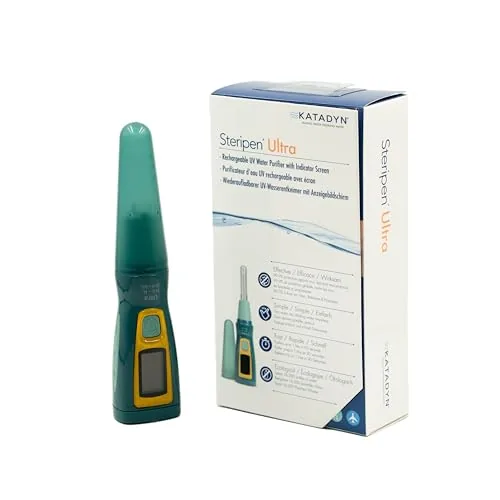
7 Best Uv Water Purifiers For Travel (2026 Review Guide)
Jul 19, 2026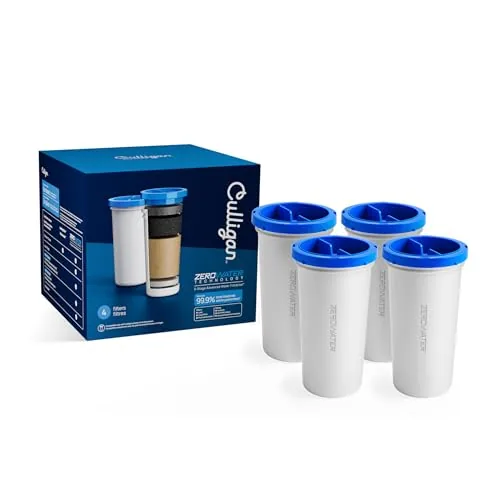
8 Best Water Filters For Pfas (Forever Chemicals) (2026 Review Guide)
Jul 30, 2026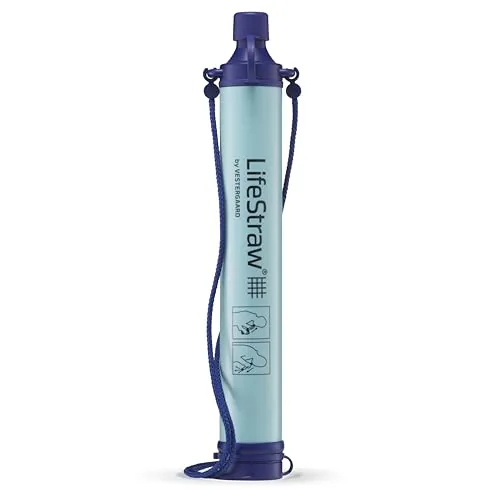
8 Best Water Filters For Hiking (2026 Review Guide)
Jul 19, 2026