As low as $12
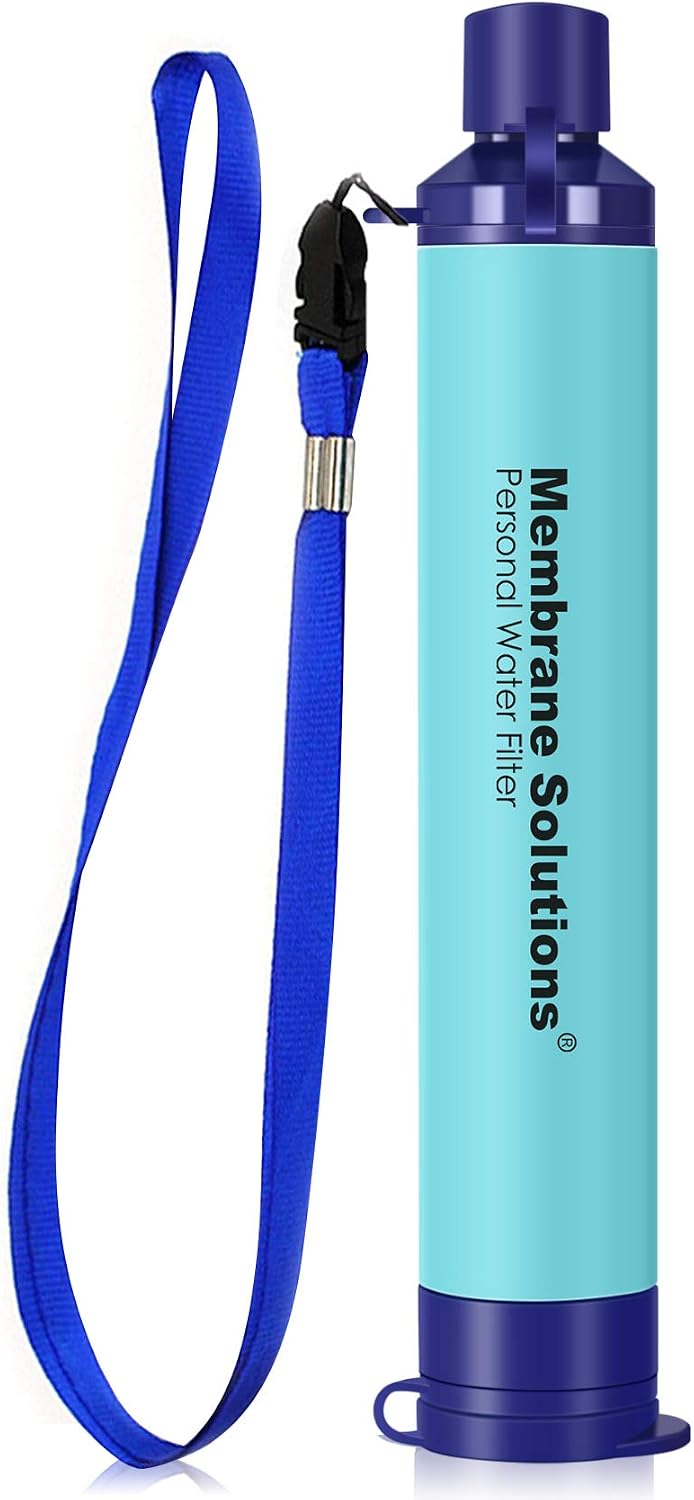
Built for travel, hiking & emergencies - drink safely whether the water is unsafe or just tastes off.
- NSF/ANSI 42, 372 & 401 certified, 0.1 micron filtration
- Filters up to 1,320 gallons - no batteries or pumping
- Ultralight - fits in any bag or pocket
- BPA-free, compatible with standard 28mm bottle threads
Tap water in Bosnia and Herzegovina varies significantly by location. In major cities like Sarajevo and Banja Luka, tap water is generally safe to drink and comes from well-protected mountain springs. However, in rural areas and smaller towns, aging infrastructure and inconsistent treatment can pose risks, so travelers should exercise caution or use bottled water outside of major urban centers.
Quick Reference
| Concern | Our Advice | |
|---|---|---|
| Drink tap water? | ❌ | Use bottled or filtered water |
| Brush teeth? | ✅ | Yes, no concerns |
| Wash fruits / veg? | ✅ | Yes, safe to use tap water |
| Use ice in drinks? | ✅ | Yes, safe in restaurants |
| Shower safely? | ✅ | Yes |
| Filter bottle needed? | ❌ | Strongly recommend a Membrane Solutions Filter Straw for all travelers |
| Common risks | Aging infrastructure, Bacterial contamination in rural areas, Heavy metals near mining sites, Chlorination byproducts, Nitrate contamination from agriculture |

Key Statistics


Affiliate links — we earn a small commission at no extra cost to you.
Water Infrastructure & Supply
Bosnia and Herzegovina's water infrastructure has its roots in the Yugoslav era, with much of the pipe network dating back to the 1960s, 1980s. The 1992, 1995 war caused severe damage to water supply systems, treatment plants, and sewage networks. While significant post-war reconstruction occurred with international aid, many systems remain outdated and suffer from chronic underinvestment.
The country benefits from abundant freshwater resources, including pristine mountain springs, rivers, and underground aquifers. Major cities like Sarajevo draw water from protected karst springs (such as Sarajevska Vrela and Bacevo), which produce naturally high-quality water that requires minimal treatment. Water treatment typically involves chlorination and, in some facilities, filtration and UV disinfection. However, distribution networks lose an estimated 55% of treated water to leaks, which creates contamination risks from pipe breaks and pressure drops.
Several improvement projects are underway with support from the European Bank for Reconstruction and Development (EBRD), the EU's Instrument for Pre-Accession Assistance (IPA), and the World Bank. Key priorities include building new wastewater treatment plants (only about 15% of wastewater is currently treated), replacing aging pipe networks, and establishing consistent water quality monitoring across both the Federation of Bosnia and Herzegovina and Republika Srpska entities.
Contamination & Health Risks
The primary health risk from tap water in Bosnia and Herzegovina is bacterial contamination, particularly in rural and peri-urban areas where water sources may not be adequately protected or treated. Periodic testing has revealed elevated levels of coliform bacteria in some smaller municipal water systems, especially after heavy rainfall when surface water infiltrates poorly maintained networks. In areas near former and active mining operations, such as parts of central Bosnia, heavy metal contamination (including lead, arsenic, and manganese) has been documented.
Nitrate contamination from agricultural runoff is a concern in lowland farming areas, particularly in the Posavina region in the north. Chlorination byproducts (trihalomethanes) can be elevated in systems that rely heavily on surface water treatment. The fragmented governance structure, split between two entities, a district, and numerous cantons, means water quality monitoring and enforcement are inconsistent across the country.
For travelers, the practical risk in major cities like Sarajevo, Mostar, and Banja Luka is relatively low, as these cities maintain better-quality infrastructure and regular testing. However, visitors to smaller towns, rural areas, or older buildings with lead piping should avoid drinking tap water directly. Gastrointestinal illness from contaminated water is an uncommon but documented risk for visitors, and travelers with sensitive stomachs should take precautions.
Regional Water Quality Breakdown
Sarajevo
safeSarajevo's tap water comes from protected karst springs in the surrounding mountains and is considered high quality. The city's water utility (VIKSA) conducts regular testing, and locals drink tap water routinely. However, some older buildings may have deteriorated internal plumbing.
Mostar
cautionMostar draws water from the Radobolja spring and other sources near the Neretva River. Water quality at the source is good, but the aging distribution network in the old town and some neighborhoods can introduce contaminants. Using a filter or bottled water is advisable in older parts of the city.
Banja Luka
safeBanja Luka has invested in its water supply system and draws from underground aquifers along the Vrbas River. Tap water quality is generally reliable and considered safe to drink. The municipal water utility maintains consistent chlorination and testing protocols.
Tuzla
cautionTuzla's water supply relies on multiple sources, including surface water and wells. Historical salt mining activity and industrial pollution have affected some local water sources. While treated municipal water is generally acceptable, travelers should exercise caution and consider bottled water.
Srebrenica and Eastern Rural Areas
avoidRural areas of eastern Bosnia often rely on small, local water systems with inconsistent treatment and monitoring. Post-war infrastructure damage has not been fully repaired in many communities. Travelers should rely exclusively on bottled water in these regions.
Posavina (Northern Lowlands)
cautionThe agricultural flatlands of northern Bosnia face nitrate contamination from farming and limited wastewater treatment. Smaller towns like Brko and Oraje have basic water treatment, but quality fluctuates seasonally. Bottled or filtered water is recommended for visitors.
Practical Tips for Travelers
- Carry a filter straw (e.g., Membrane Solutions) — it removes bacteria, parasites, and microplastics from any tap or stream. Strongly recommend the Membrane Solutions Filter Straw.
- In Sarajevo, tap water from the municipal supply is generally safe to drink , locals are proud of their spring water and drink it daily.
- Carry a filtered water bottle (such as LifeStraw or Grayl) when traveling outside major cities, as rural water quality can be unreliable.
- To ask for bottled water in Bosnian, say 'Mogu li dobiti flairanu vodu?' (Can I get bottled water?) , specify 'gaziranu' for sparkling or 'negaziranu' for still.
- Look for public mountain springs (esme) marked as safe , they are a beloved local tradition and often provide excellent water, but avoid unmarked or untested ones.
- In restaurants, water is not automatically served , you will need to order it. Most restaurants serve bottled water, and it is generally safe to accept ice in drinks in major cities.
- If staying in older buildings or hostels, let the tap run for 30 seconds before drinking to flush any standing water from potentially old internal pipes.
- Avoid drinking tap water in areas with known mining or industrial activity, particularly in central Bosnia around Kakanj, Zenica, and Vare.
- Buy bottled water in bulk from supermarkets (Bingo, Konzum) to save money , a 1.5L bottle costs under 1 compared to 2+ in tourist spots.
Bottled Water Availability & Cost
Bottled water is widely available throughout Bosnia and Herzegovina and is the norm in restaurants, shops, and hotels. Popular local brands include Sarajevski Kiseljak, Knjaz Milo, Jana, and Studena. A 0.5-liter bottle typically costs between 0.80, 1.50 BAM (0.40, 0.75) in shops and 2, 4 BAM (1, 2) in restaurants and tourist areas. Larger 1.5-liter bottles are available for 1, 2.50 BAM (0.50, 1.25) in supermarkets.
Buying water in bulk from supermarkets like Bingo, Konzum, or Mercator is the most economical option. Six-packs of 1.5-liter bottles can cost around 5, 8 BAM (2.50, 4). To reduce plastic waste, travelers can consider bringing a reusable bottle with a built-in filter, which is practical given the variable water quality outside main cities. Refilling from public mountain springs (esma) is a local tradition, many are tested and clearly marked, though travelers should confirm safety before drinking.
Frequently Asked Questions
Can I brush my teeth with tap water in Bosnia and Herzegovina?
Yes, in major cities like Sarajevo, Banja Luka, and Mostar, brushing your teeth with tap water is safe. The brief exposure from tooth-brushing poses minimal risk even in areas where drinking tap water long-term is not recommended. In very rural or remote areas, use bottled water if you prefer to be cautious.
Is it safe to shower in tap water in Bosnia and Herzegovina?
Yes, showering in tap water is safe throughout the country. Skin contact and incidental ingestion from showering does not pose a health risk. Simply avoid swallowing water in areas where tap water quality is questionable.
Is ice safe in drinks in Bosnia and Herzegovina?
In restaurants and bars in major cities like Sarajevo, Mostar, and Banja Luka, ice is typically made from treated municipal water and is safe. In smaller towns or rural areas, you may want to ask whether ice is made from tap or bottled water, or decline it to be safe.
Do restaurants in Bosnia serve tap water?
Most restaurants in Bosnia and Herzegovina serve bottled water rather than tap water. It is customary to order water, and you will be charged for it. Some cafs in Sarajevo may serve tap water upon request, but this is not standard practice.
How much does bottled water cost in Bosnia and Herzegovina?
A 0.5L bottle costs about 0.80, 1.50 BAM (0.40, 0.75) in shops and 2, 4 BAM (1, 2) in restaurants. Larger 1.5L bottles are 1, 2.50 BAM in supermarkets. It is one of the more affordable countries in Europe for bottled water.
Can I drink water from public springs (esme) in Bosnia?
Many public mountain springs are tested and safe , locals regularly fill up at their favorite esma. However, some springs are untested or may be contaminated seasonally. Look for official signage indicating the water is safe ('voda za pie') and avoid springs near agricultural or industrial areas.
Why is tap water quality different between regions in Bosnia?
Bosnia and Herzegovina has a complex governance structure with two entities (the Federation and Republika Srpska) and a district (Brko), each managing water independently. This means water quality standards, infrastructure investment, and monitoring vary significantly. War damage also affected different areas unevenly, and recovery has been inconsistent.
Is Sarajevo tap water really safe to drink?
Yes, Sarajevo's tap water is sourced from protected karst springs in the surrounding mountains and undergoes regular quality testing by the city water utility (VIKSA). It consistently meets European drinking water standards. Locals drink it daily and are proud of its quality. The main caveat is very old buildings where internal plumbing may be degraded.
Interesting Product Reviews
7 Best Automatic Pet Water Dispensers (2026 Review Guide)
Aug 18, 2026
8 Best Variable Temperature Kettles (2026 Review Guide)
Aug 12, 2026
6 Best Water Bottles For Kids (2026 Review Guide)
Aug 7, 2026
8 Best Insulated Water Bottles (2026 Review Guide)
Aug 6, 2026
7 Best Countertop Water Filters (2026 Review Guide)
Jul 25, 2026