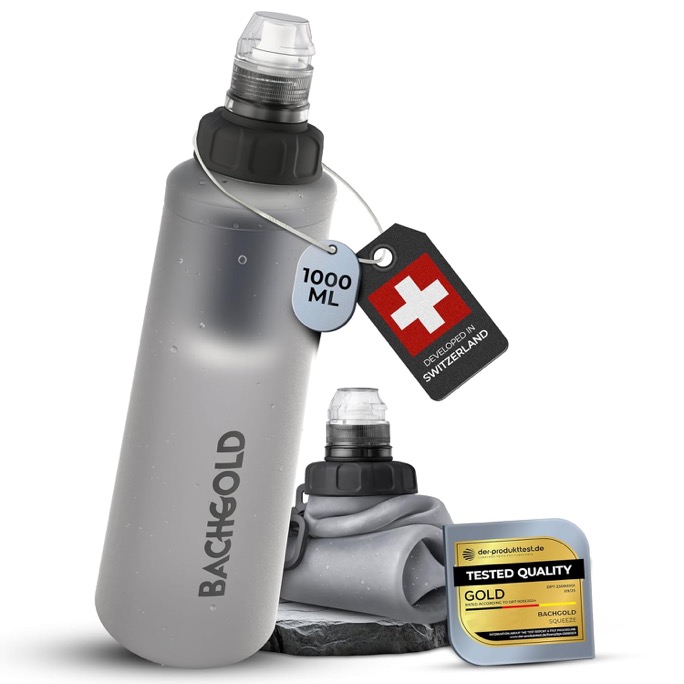
Around $20
Built for travel, hiking & emergencies - drink safely whether the water is unsafe or just tastes off.
- 2-stage filtration: nanofiber layer + 0.2 micron hollow fiber membrane
- Rinse to restore flow - no replacement cartridges needed
- Collapsible 1L bottle - folds flat to pocket size
- Leak-resistant, taste-neutral, designed in Switzerland
Tap water in the Maldives is generally not safe to drink directly from the tap for travelers. The country relies heavily on desalinated water and rainwater harvesting, with quality varying significantly between the capital Mal and outer atolls. Most resorts provide treated or bottled water, but visitors should avoid drinking untreated tap water, especially on local islands.
Quick Reference
| Concern | Our Advice | |
|---|---|---|
| Drink tap water? | ❌ | Use bottled or filtered water |
| Brush teeth? | ✅ | Yes, no concerns |
| Wash fruits / veg? | ✅ | Yes, safe to use tap water |
| Use ice in drinks? | ✅ | Yes, safe in restaurants |
| Shower safely? | ✅ | Yes |
| Filter bottle needed? | ❌ | Strongly recommend a Bachgold Squeeze Filter Bottle for all travelers |
| Common risks | Bacterial contamination, Groundwater salinity, Microplastics from desalination, Aging storage tanks, Limited wastewater treatment, E. coli in groundwater |

Key Statistics


Affiliate links — we earn a small commission at no extra cost to you.
Water Infrastructure & Supply
The Maldives faces unique water challenges as a low-lying island nation spread across 26 atolls. Historically, communities relied on shallow groundwater from freshwater lenses beneath coral islands and collected rainwater. However, urbanization, rising sea levels, and saltwater intrusion have severely degraded groundwater quality on most inhabited islands.
In the capital Mal, the Male' Water and Sewerage Company (MWSC) operates reverse-osmosis desalination plants producing around 20,000 cubic meters of water per day. This water is treated, chlorinated, and piped to households, though aging distribution infrastructure and rooftop storage tanks can reintroduce contaminants. On outer islands, communities often depend on a combination of household rainwater tanks, community desalination units (many installed by international aid programs), and groundwater wells of varying quality.
The government has invested significantly in expanding desalination capacity and piped water systems across the atolls under its Greater Mal Region development strategy and the Maldives Clean Environment Project. As of 2025, desalination plants have been installed on over 150 inhabited islands, though many face maintenance challenges and intermittent operation. International partners including the World Bank, Asian Development Bank, and JICA continue to support water and sanitation infrastructure development throughout the country.
Contamination & Health Risks
The primary health risks from water in the Maldives stem from groundwater contamination. Studies by the Maldives EPA and international organizations have found E. coli, total coliforms, and elevated salinity in groundwater on more than 70% of inhabited islands. Sources of contamination include inadequate sewage disposal (many outer islands use septic tanks near wells), agricultural runoff, and saltwater intrusion exacerbated by climate change.
For travelers, the most significant risk comes from consuming untreated groundwater on local islands or from poorly maintained storage tanks. In resorts and larger hotels, water is typically produced by on-site desalination plants and is safe for showering and brushing teeth, though most establishments recommend bottled or provided drinking water. Ice in resort restaurants is almost always made from purified water and is generally safe.
Waterborne diseases including gastroenteritis and diarrhea remain a concern, particularly during the wet monsoon season (May, November) when flooding can overwhelm sewage systems and contaminate water sources. The CDC recommends that travelers to the Maldives avoid drinking untreated tap water and use bottled, filtered, or boiled water for drinking. Travelers staying on local islands in guesthouses should be especially cautious and inquire about the water source.
Regional Water Quality Breakdown
Mal (Capital)
cautionMal has the most developed water infrastructure with MWSC desalination and piped supply. Water is treated and chlorinated but aging pipes and rooftop tanks can introduce contaminants. Safe for showering and brushing teeth, but drinking bottled or filtered water is recommended.
Luxury Resorts (Various Atolls)
safeMost resorts operate their own desalination and water treatment plants. Water quality is closely monitored and generally meets international standards. Many provide complimentary filtered water in reusable bottles for guests.
Hulhumal
cautionThis reclaimed island near Mal has modern infrastructure with MWSC-supplied desalinated water. Quality is comparable to Mal, though rapid development has put strain on the distribution system. Bottled or filtered water is recommended for drinking.
Addu City (Southernmost Atoll)
cautionAddu has a mix of desalinated and rainwater supply. Water infrastructure has been upgraded in recent years, but intermittent service and maintenance issues persist. Travelers should rely on bottled or filtered water for drinking.
Outer Atolls (Local Islands)
avoidMany local islands in remote atolls still rely on groundwater that is frequently contaminated with bacteria and has elevated salinity. Desalination units exist but may not always be operational. Travelers should exclusively use bottled or filtered water.
Maafushi and Tourist Guesthouses
cautionPopular local tourism islands like Maafushi have improved water infrastructure to serve guesthouses, typically using desalination. However, storage and distribution quality varies by establishment. Ask your guesthouse about their water treatment system and stick to bottled water for drinking.
Practical Tips for Travelers
- Always drink bottled or filtered water, even in Mal. Tap water across the Maldives is not reliably potable, though it is safe for showering and brushing teeth.
- Bring a reusable filter bottle (such as LifeStraw or Grayl) to reduce plastic waste , the Maldives generates enormous amounts of plastic bottle waste that harms its marine environment. Strongly recommend the Bachgold Squeeze Filter Bottle.
- In Dhivehi (the local language), you can ask for water by saying 'fen' (). At a restaurant, ask 'fen beynun' meaning 'I need water,' and specify 'bottle fen' for bottled water.
- At resorts, check if complimentary filtered water is provided in your room , many eco-conscious resorts offer glass bottle refills, which saves money and reduces plastic.
- If staying on a local island guesthouse, buy several large bottles of water from a shop in Mal before traveling to outer atolls, where prices are higher and availability may be limited.
- Ice in resort restaurants and reputable cafes in Mal is typically made from purified water and is safe. On remote local islands, ask whether ice is made from treated water before accepting it.
- During the wet monsoon season (May, November), be extra cautious with water on local islands as flooding can contaminate water sources and storage systems.
- Check your guesthouse's rooftop water tank if possible , well-maintained, covered tanks with regular cleaning are signs of safer water, while open or neglected tanks are a red flag.
Bottled Water Availability & Cost
Bottled water is widely available throughout the Maldives, though prices vary dramatically between local shops and resort settings. In Mal and on local islands, a 1.5-liter bottle typically costs MVR 5, 15 (approximately $0.30, $1.00 USD). The most common local brand is "Life" produced by MWSC, alongside imported brands like Masafi and Aquafina. In resorts, bottled water can cost $3, $8 USD per bottle, and some luxury resorts charge even more.
Many resorts now offer complimentary refillable glass bottles of filtered or desalinated water in rooms as part of sustainability initiatives, which helps reduce plastic waste. If staying on a local island, buying water in bulk from shops in Mal before traveling to outer atolls is more economical. The Maldives faces a severe marine plastic pollution problem, so travelers are strongly encouraged to bring a reusable bottle with a built-in filter to reduce plastic consumption while ensuring safe hydration.
Frequently Asked Questions
Can I brush my teeth with tap water in the Maldives?
Yes, in Mal, Hulhumal, and resorts, the tap water is safe for brushing teeth. The water is typically desalinated and chlorinated. On remote local islands, it's safer to use bottled water for brushing teeth if the water source is untreated groundwater.
Is it safe to shower with tap water in the Maldives?
Yes, showering with tap water is safe throughout the Maldives, including on local islands. The risk is from ingesting contaminated water, not from skin contact. Just be careful not to swallow water while showering.
Is ice safe in drinks at Maldives resorts?
Yes, ice at resorts and reputable restaurants in Mal is made from purified or desalinated water and is safe to consume. At local island cafes, it's worth confirming that ice is made from treated water, though most tourist-facing establishments use safe water for ice.
Do Maldives resorts provide free drinking water?
Many resorts, particularly those with all-inclusive packages, provide complimentary filtered or desalinated water in reusable glass bottles. Some mid-range resorts provide one or two bottles per day, while budget resorts may charge for bottled water. Check your resort's policy before arrival.
How much does bottled water cost in the Maldives?
In local shops in Mal, a 1.5-liter bottle costs about $0.30, $1.00 USD. In resorts, the same bottle can cost $3, $8 USD or more. All-inclusive packages typically include unlimited water. Buying in bulk from Mal shops before heading to islands is the most economical approach.
Why is the tap water in the Maldives not safe to drink?
The Maldives' low-lying coral islands have very thin freshwater lenses that are easily contaminated by saltwater intrusion, sewage seepage, and surface pollution. While desalination plants produce safe water, aging distribution pipes and poorly maintained storage tanks can reintroduce contaminants before water reaches the tap.
Can I drink tap water on local island guesthouses?
It is not recommended. Local islands often rely on a mix of rainwater, groundwater, and small desalination units. Quality control is inconsistent, and storage tanks may not be regularly cleaned. Always use bottled or filtered water for drinking on local islands.
Is the water safe on Maldivian liveaboard boats?
Most liveaboard diving and surfing boats produce their own freshwater through onboard desalination systems. Reputable operators provide safe drinking water, but it's wise to confirm their water treatment method. Bringing a filter bottle as backup is a good precaution.
Interesting Product Reviews
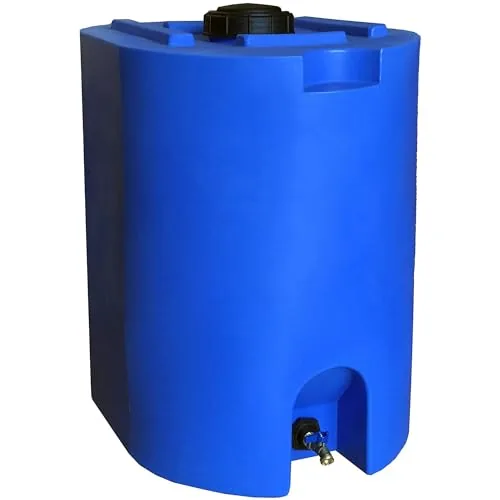
7 Best Emergency Water Storage Tanks (2026 Review Guide)
Aug 21, 2026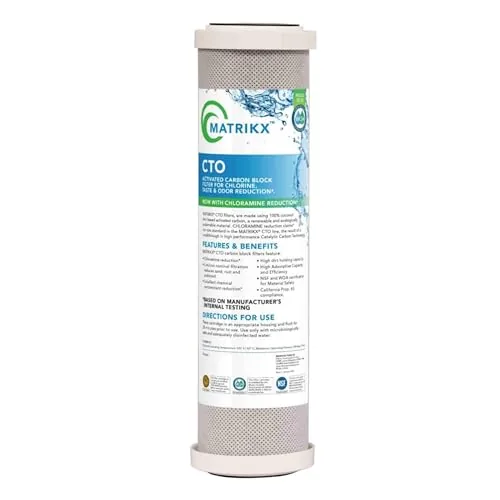
9 Best Water Filters For Chloramine (2026 Review Guide)
Jul 29, 2026
8 Best Water Filters For Pfas (Forever Chemicals) (2026 Review Guide)
Jul 30, 2026
9 Best Water Filters For Arsenic (2026 Review Guide)
Jul 30, 2026
8 Best Dehumidifiers (2026 Review Guide)
Aug 20, 2026