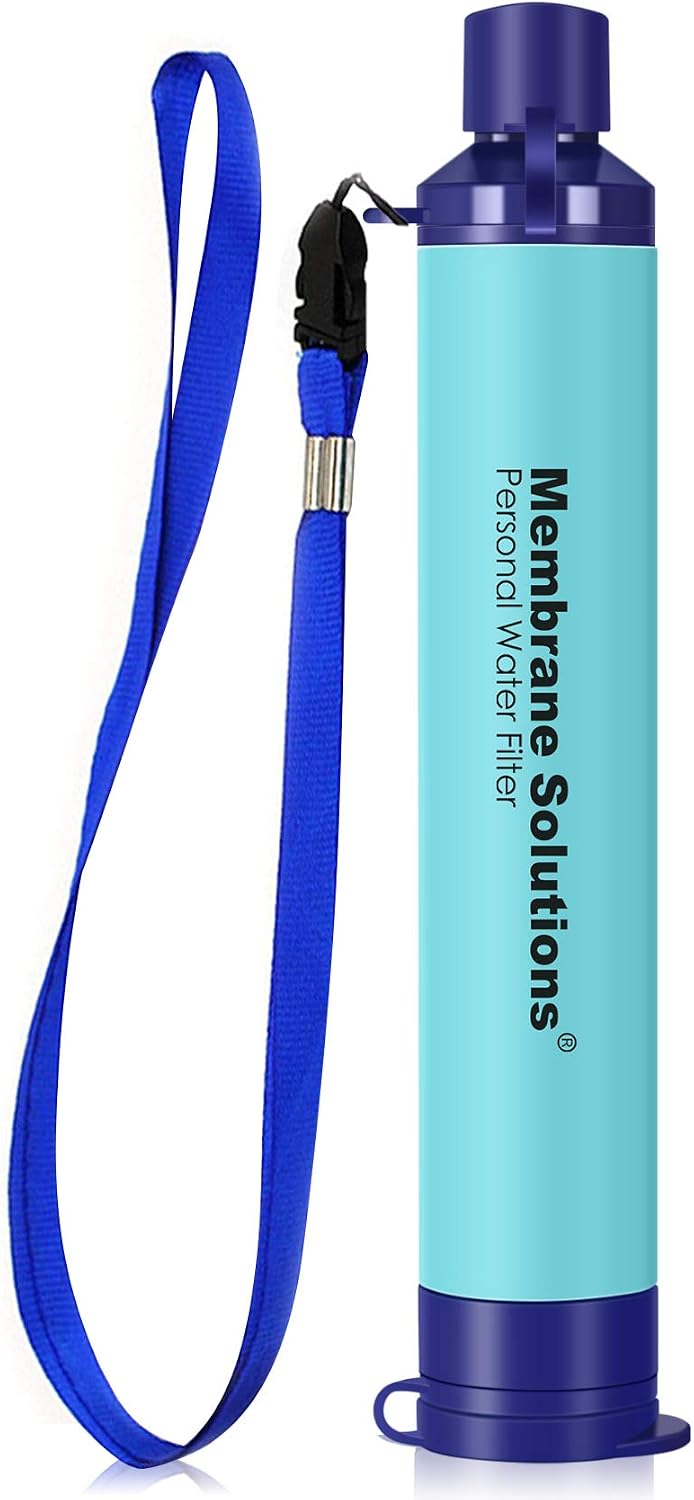
As low as $12
Built for travel, hiking & emergencies - drink safely whether the water is unsafe or just tastes off.
- NSF/ANSI 42, 372 & 401 certified, 0.1 micron filtration
- Filters up to 1,320 gallons - no batteries or pumping
- Ultralight - fits in any bag or pocket
- BPA-free, compatible with standard 28mm bottle threads
Tap water in Bolivia is generally not safe for travelers to drink. While major cities like La Paz and Santa Cruz have treated municipal water supplies, inconsistent treatment standards, aging infrastructure, and contamination risks mean that visitors should rely on bottled or purified water throughout their trip.
Quick Reference
| Concern | Our Advice | |
|---|---|---|
| Drink tap water? | ❌ | Use bottled or filtered water |
| Brush teeth? | ❌ | Use bottled or filtered water |
| Wash fruits / veg? | ❌ | Wash with filtered or bottled water |
| Use ice in drinks? | ❌ | Avoid unless confirmed purified |
| Shower safely? | ✅ | Yes |
| Filter bottle needed? | ❌ | Strongly recommend a Membrane Solutions Filter Straw for all travelers |
| Common risks | Bacterial contamination, Parasitic infections, Heavy metals from mining runoff, E. coli, Giardia, Inadequate chlorination, Sediment and turbidity |

Key Statistics


Affiliate links — we earn a small commission at no extra cost to you.
Water Infrastructure & Supply
Bolivia's water infrastructure has undergone significant transformation since the early 2000s, particularly after the famous Cochabamba Water War of 2000 which brought global attention to water privatization issues. The country nationalized water services, and the government agency EPSAS manages water supply in La Paz and El Alto, while various local utilities serve other cities. Major investment programs funded by the Inter-American Development Bank and other agencies have expanded coverage, but challenges remain.
The primary water sources vary by region: La Paz and El Alto rely heavily on glacial meltwater and reservoir systems in the Andes, while lowland cities like Santa Cruz depend on groundwater aquifers. Treatment typically involves sedimentation, filtration, and chlorination, but many systems operate below optimal standards. Aging pipe networks in older urban areas contribute to recontamination of treated water before it reaches consumers, and intermittent supply in some neighborhoods forces residents to store water in tanks that may breed bacteria.
Bolivia has launched several major projects to improve water security, including the Mi Agua program which has invested hundreds of millions of dollars in water infrastructure since 2011. Climate change poses a serious long-term threat, as Andean glaciers that feed La Paz's water supply have retreated dramatically , the Chacaltaya glacier disappeared entirely in 2009. New reservoir construction and efficiency improvements are ongoing priorities, but infrastructure gaps remain significant especially in peri-urban areas and rural communities.
Contamination & Health Risks
The primary health risks from tap water in Bolivia include bacterial contamination (E. coli, Salmonella), parasites (Giardia lamblia, Cryptosporidium), and in some mining regions, heavy metal contamination from lead, arsenic, and mercury. The WHO estimates that waterborne diseases remain a significant cause of childhood illness in Bolivia, particularly diarrheal diseases. Areas near active or historic mining operations, especially around Oruro and Potos, face elevated risks of heavy metal contamination in water sources.
Pollution sources include untreated sewage discharge into rivers, agricultural runoff containing pesticides and fertilizers, and mining waste. Lake Titicaca, despite being a major tourist destination, suffers from severe pollution from untreated sewage from surrounding cities. The Pilcomayo and Desaguadero rivers carry mining contaminants that affect downstream communities. Even in cities with treatment plants, inconsistent monitoring and maintenance mean that water quality can fluctuate unpredictably.
For travelers, the most common risk is acute gastroenteritis , commonly known as "traveler's diarrhea" , caused by unfamiliar bacteria in the water supply. This risk is heightened at altitude, where dehydration from illness can be more dangerous. Visitors should avoid drinking tap water, using it to brush teeth, consuming ice of uncertain origin, and eating unpeeled fruits or vegetables washed in tap water. Street food vendors often use tap water for drinks and washing, so extra caution is warranted.
Regional Water Quality Breakdown
La Paz
cautionLa Paz has one of the better municipal water systems in Bolivia, with treated water from Andean reservoirs. However, aging distribution pipes and intermittent supply in some neighborhoods mean recontamination is possible. Travelers should still avoid drinking tap water directly.
Santa Cruz de la Sierra
cautionSanta Cruz relies primarily on groundwater from deep aquifers, which is generally of reasonable quality. The cooperative SAGUAPAC provides relatively reliable service in the city center, but peripheral areas may have lower quality water. Boiling or filtering is still recommended for visitors.
Cochabamba
cautionCochabamba has historically faced water scarcity and distribution challenges. The municipal utility SEMAPA struggles with intermittent supply and aging infrastructure. Water quality is inconsistent, and many residents supplement with private wells or tanker deliveries of uncertain quality.
Sucre
cautionThe constitutional capital has basic water treatment infrastructure managed by ELAPAS. Water quality in the city center is generally acceptable for bathing but not recommended for drinking. The surrounding rural areas have limited access to treated water.
Potos & Oruro (Mining Regions)
avoidThese historic mining cities face significant heavy metal contamination in water sources from centuries of mining activity. Arsenic, lead, and other toxic metals have been detected in local water supplies. Travelers should strictly use only sealed bottled water in these areas.
Rural Altiplano & Amazon Basin
avoidRural areas throughout Bolivia have limited or no water treatment infrastructure. Communities in the Altiplano and Amazon lowlands often rely on untreated surface water or shallow wells. Travelers to these regions should bring their own purification methods or sufficient bottled water.
Practical Tips for Travelers
- Always drink sealed bottled water or water purified with a reliable filter bottle , look for unbroken seals on bottles before purchasing. Strongly recommend the Membrane Solutions Filter Straw.
- When ordering water in restaurants, ask for "agua embotellada, por favor" (bottled water, please) or "agua sin gas" (still water) / "agua con gas" (sparkling water) to ensure you receive a sealed bottle.
- Avoid ice in drinks unless you're at an upscale hotel or restaurant that confirms they use purified water , ask "El hielo es de agua purificada?" (Is the ice made from purified water?).
- Use bottled or filtered water for brushing your teeth, especially in your first week in Bolivia while your digestive system adjusts.
- Carry oral rehydration salts (available at pharmacies as "sales de rehidratacin oral") in case of traveler's diarrhea, which is especially important at high altitude where dehydration is more dangerous.
- Invest in a UV sterilizer pen or a filter bottle like Grayl or LifeStraw , these are invaluable for trekking, rural areas, and reducing plastic waste during your trip. Strongly recommend the Membrane Solutions Filter Straw.
- Peel all fruits and avoid raw salads at street stalls and budget restaurants, as produce is often washed in unfiltered tap water.
- In mining regions like Potos and Oruro, avoid even showering with mouth open, as heavy metal contamination is a concern , stick strictly to bottled water for all consumption.
Bottled Water Availability & Cost
Bottled water is widely available throughout Bolivia and is the safest option for travelers. Common local brands include Viscachani, Vital, and Naturagua. A 500ml bottle typically costs 3, 5 Bolivianos (approximately $0.40, 0.70 USD) at shops and kiosks, while a 1.5-liter bottle costs 5, 10 Bolivianos ($0.70, 1.40 USD). In restaurants and tourist areas, prices may be slightly higher, with a 500ml bottle costing up to 10 Bolivianos ($1.40 USD).
For longer stays, purchasing water in 5-liter or 20-liter garrafones (large jugs) from delivery services or markets is much more economical, costing around 10, 25 Bolivianos ($1.40, 3.60 USD) for a large container. Many hotels and hostels provide filtered or boiled water free of charge , always ask at reception. To reduce plastic waste, travelers are encouraged to bring a reusable bottle with a built-in filter such as a LifeStraw or Grayl, which can purify tap water on the go and significantly cut down on single-use plastic consumption.
Frequently Asked Questions
Can I brush my teeth with tap water in Bolivia?
It's not recommended, especially during your first weeks in the country. Use bottled or filtered water for brushing teeth to avoid ingesting bacteria or parasites that could cause gastrointestinal illness. Some long-term residents do brush with tap water in major cities without issue, but travelers with unaccustomed immune systems should take precautions.
Is it safe to shower in Bolivian tap water?
Yes, showering in tap water is generally safe throughout Bolivia. Just be careful not to swallow any water while showering. In mining regions like Potos or Oruro, try to minimize exposure and keep your mouth closed, as heavy metals can be present in the water supply.
Is ice safe in Bolivian restaurants?
In most local restaurants and street vendors, ice is made from tap water and should be avoided. Upscale restaurants and international hotel chains in cities like La Paz and Santa Cruz typically use purified water for ice. When in doubt, order drinks without ice ("sin hielo, por favor").
How much does bottled water cost in Bolivia?
Bottled water is very affordable in Bolivia. A 500ml bottle costs about 3, 5 Bolivianos ($0.40, 0.70 USD) at shops, and a 1.5-liter bottle costs 5, 10 Bolivianos ($0.70, 1.40 USD). Larger 5-liter containers for your accommodation cost around 10, 15 Bolivianos ($1.40, 2.15 USD).
Can I drink tap water in La Paz hotels?
Even in La Paz's best hotels, tap water is not recommended for drinking. Most mid-range and upscale hotels provide complimentary bottled water or have water dispensers with purified water for guests. Always ask at reception about their water situation when you check in.
Is the water safe at Lake Titicaca and Isla del Sol?
No, you should not drink tap water or lake water at Lake Titicaca or on Isla del Sol. Lake Titicaca suffers from pollution, and the islands have very basic water infrastructure. Bring sufficient bottled water with you or carry a reliable water filter, as bottled water availability on the islands can be limited and more expensive.
What about water on the Uyuni Salt Flats tour?
Most organized Uyuni Salt Flats tours provide bottled water, but supplies can be limited on multi-day trips. Bring extra sealed bottled water and a filter bottle as backup. The remote areas along the tour route have no reliable water treatment, and the high altitude and dry conditions mean you'll need to drink more water than usual.
Do locals drink tap water in Bolivia?
Practices vary by region and socioeconomic status. Many urban Bolivians in cities like La Paz and Santa Cruz do drink tap water or boil it before consumption, as their immune systems are adapted to local microorganisms. However, a significant portion of the population also uses bottled or filtered water. Travelers should not follow the same practices as locals, as they lack this built-up tolerance.
Traveling Nearby?
Check tap water safety in neighboring countries:
Argentina Brazil Chile Paraguay PeruInteresting Product Reviews
9 Best Water Descalers (2026 Review Guide)
Aug 15, 2026
9 Best Water Filters For Fluoride Removal (2026 Review Guide)
Jul 30, 2026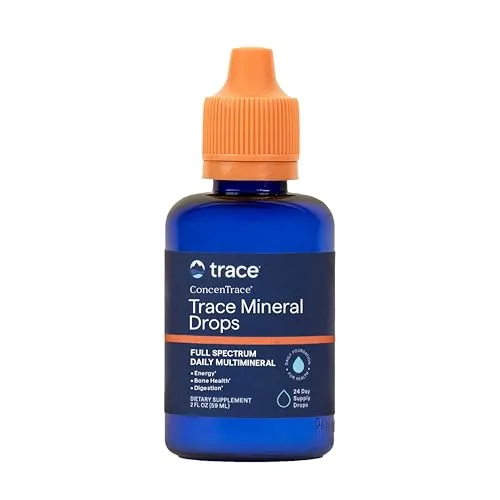
6 Best Mineral Drops For Drinking Water (2026 Review Guide)
Aug 9, 2026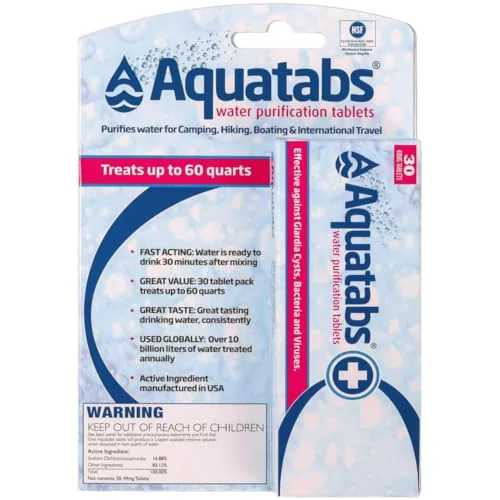
6 Best Water Purification Tablets (2026 Review Guide)
Jul 2, 2026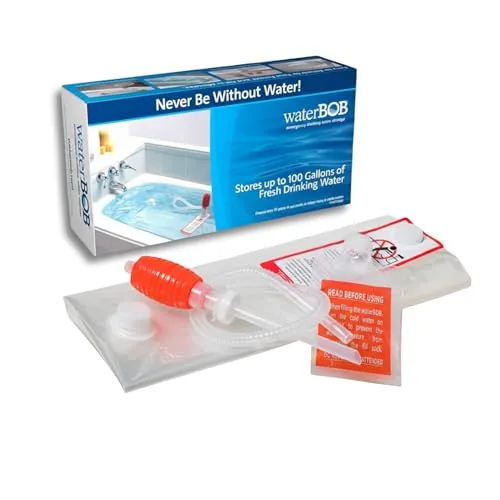
8 Best Water Storage Containers For Emergencies (2026 Review Guide)
Aug 5, 2026