As low as $12
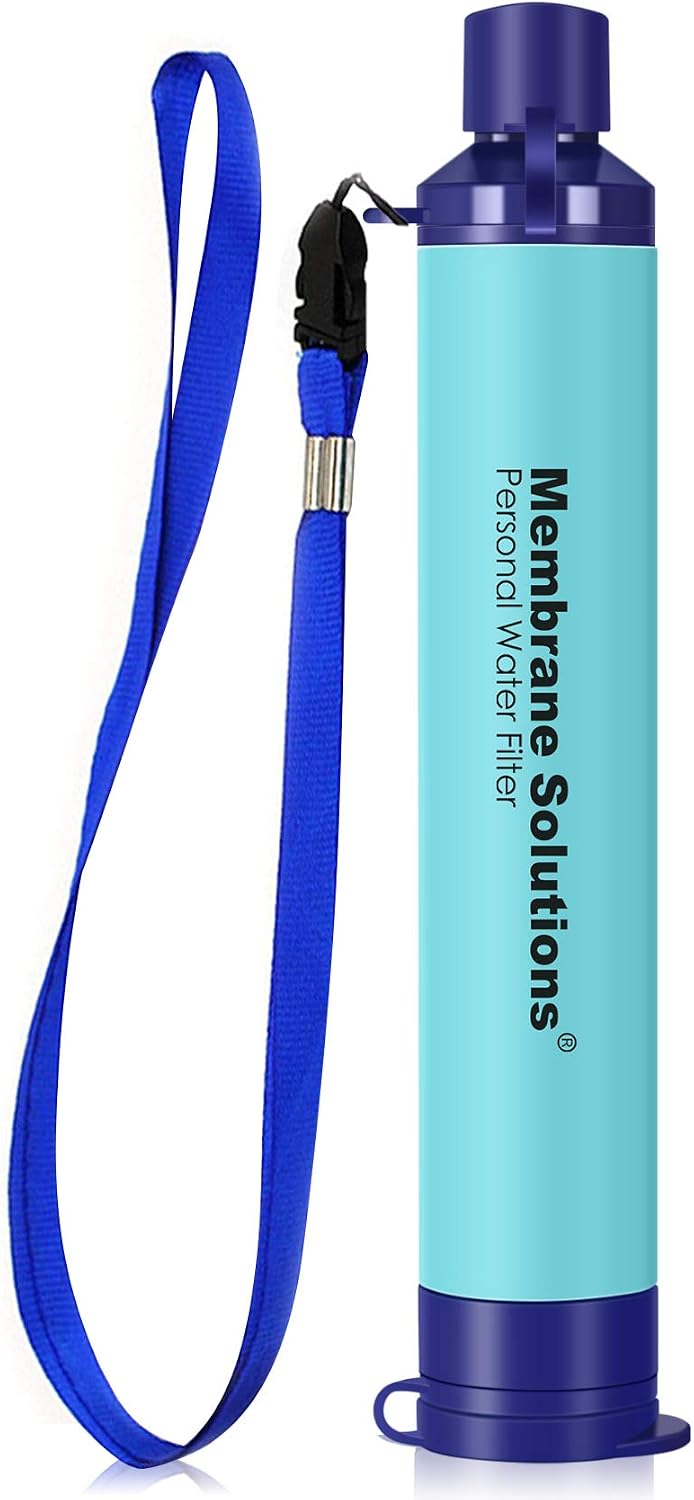
Built for travel, hiking & emergencies - drink safely whether the water is unsafe or just tastes off.
- NSF/ANSI 42, 372 & 401 certified, 0.1 micron filtration
- Filters up to 1,320 gallons - no batteries or pumping
- Ultralight - fits in any bag or pocket
- BPA-free, compatible with standard 28mm bottle threads
Tap water in Egypt is not considered safe for travelers to drink. While major cities like Cairo and Alexandria have treated municipal water supplies, the quality can be inconsistent due to aging infrastructure, pipe contamination, and high chlorine levels. Travelers are strongly advised to drink bottled or filtered water throughout their stay.
Quick Reference
| Concern | Our Advice | |
|---|---|---|
| Drink tap water? | ❌ | Use bottled or filtered water |
| Brush teeth? | ❌ | Use bottled or filtered water |
| Wash fruits / veg? | ❌ | Wash with filtered or bottled water |
| Use ice in drinks? | ❌ | Avoid unless confirmed purified |
| Shower safely? | ✅ | Yes |
| Filter bottle needed? | ❌ | Strongly recommend a Membrane Solutions Filter Straw for all travelers |
| Common risks | Bacterial contamination, Heavy metals, Excessive chlorine, Sediment from aging pipes, Parasites, Agricultural runoff, Industrial pollution |

Key Statistics


Affiliate links — we earn a small commission at no extra cost to you.
Water Infrastructure & Supply
Egypt's water infrastructure is heavily dependent on the Nile River, which supplies approximately 97% of the country's freshwater needs. The Holding Company for Water and Wastewater (HCWW) oversees water supply and sanitation across the nation through affiliated regional companies. Egypt has invested significantly in large-scale water treatment plants, including the massive Bahr El-Baqar treatment facility in the Sinai Peninsula, one of the largest in the world.
Municipal water treatment in major cities like Cairo and Alexandria uses conventional processes including coagulation, sedimentation, sand filtration, and chlorination. However, the distribution network presents significant challenges , many pipes date back decades and are prone to leaks, contamination, and corrosion. Cross-contamination between water supply lines and sewage infrastructure is a documented issue, particularly in older urban neighborhoods and informal settlements.
Egypt has been undertaking major infrastructure improvements under its national water plan (Vision 2030). This includes new desalination plants along the Red Sea and Mediterranean coasts, rehabilitation of aging pipe networks, and expansion of wastewater treatment capacity. The government has also invested in water reuse projects for agricultural purposes. Despite these efforts, population growth and climate change continue to strain resources, and the Grand Ethiopian Renaissance Dam upstream adds uncertainty to future Nile water availability.
Contamination & Health Risks
The primary health risks from Egyptian tap water include bacterial contamination (E. coli, Salmonella), parasitic organisms (Giardia, Cryptosporidium), and chemical contaminants including heavy metals such as lead and manganese leached from old pipes. Studies by Egyptian research institutions have found elevated levels of trihalomethanes , chlorination byproducts , in some municipal supplies, particularly during summer months when organic content in the Nile increases.
Pollution sources affecting water quality include agricultural runoff containing pesticides and fertilizers draining into the Nile and its canals, industrial effluent from factories in the Delta region, and untreated or partially treated sewage from rural areas. The Nile Delta, where much of Egypt's population lives, is particularly vulnerable to contamination from multiple sources. Groundwater in some areas also shows elevated salinity and nitrate levels.
For travelers, the most common risk is acute gastrointestinal illness , often called "Pharaoh's Revenge" or "Egyptian tummy" , caused by bacteria and parasites that locals may have built tolerance to. Even in upscale hotels, tap water quality can vary depending on the building's internal plumbing and storage tanks. Travelers with compromised immune systems are at heightened risk and should be especially cautious. Using tap water for brushing teeth, rinsing fruits, or consuming ice made from unfiltered water can all lead to illness.
Regional Water Quality Breakdown
Cairo
cautionCairo's municipal water is treated at large plants but deteriorates in the distribution network due to aging pipes and storage tanks. Tap water is generally not recommended for drinking by travelers. Hotel water quality varies significantly between neighborhoods.
Alexandria
cautionAlexandria receives treated water from Nile-fed treatment plants. The coastal city faces challenges with aging infrastructure and saltwater intrusion in some groundwater sources. Bottled water is strongly recommended for visitors.
Luxor & Aswan (Upper Egypt)
cautionTourist cities along the upper Nile have municipal water treatment, but quality is less consistent than in Cairo. The hot climate means water storage tanks on rooftops can harbor bacterial growth. Stick strictly to bottled or filtered water.
Sharm El-Sheikh & Red Sea Resorts
cautionRed Sea resort areas rely heavily on desalinated water, which is generally well-treated within resort compounds. However, infrastructure outside resorts can be less reliable. Most international hotels provide safe water for guests, but bottled water remains the safest choice.
Nile Delta Region
avoidThe densely populated Nile Delta faces severe water quality issues due to agricultural runoff, industrial pollution, and overburdened treatment infrastructure. Many smaller towns have inconsistent water treatment. Travelers should exclusively use bottled water.
Sinai Peninsula (outside resorts)
avoidRural Sinai has limited water infrastructure, with many communities relying on trucked water or untreated groundwater. Water scarcity is a significant issue. Travelers venturing into the Sinai interior should carry ample bottled water supplies.
Practical Tips for Travelers
- Always drink bottled or filtered water in Egypt , the phrase 'mayya ma'daneyya' ( ) means 'mineral water' and will help you order safe water at restaurants and shops.
- Carry a quality filter bottle (like Grayl or LifeStraw) to save money and reduce plastic waste, especially on day trips to archaeological sites where vendors may overcharge. Strongly recommend the Membrane Solutions Filter Straw.
- Avoid ice in drinks unless you're at a well-established international hotel or restaurant that confirms they use filtered or bottled water for ice production.
- Peel all fruits and vegetables rather than just washing them, or wash them thoroughly with bottled water before eating , this includes salads at restaurants.
- When buying bottled water from street vendors, always check that the plastic cap seal is unbroken and the bottle hasn't been refilled , look for the tamper-evident ring.
- Keep your mouth closed while showering and avoid swallowing any water , showering is generally safe for your skin, but ingesting tap water poses a risk.
- On Nile cruise ships, use only the bottled water provided in your cabin for drinking and brushing teeth , ship water tanks may not be adequately treated.
- Pack oral rehydration salts (ORS) in your travel kit , if you do experience traveler's diarrhea, these can help you recover quickly and stay hydrated in Egypt's hot climate.
Bottled Water Availability & Cost
Bottled water is widely available throughout Egypt at convenience stores, supermarkets, hotels, kiosks, and from street vendors. Popular local brands include Baraka, Hayat, Aquafina (locally produced by PepsiCo), Nestl Pure Life, and Siwa. A 500ml bottle typically costs 3, 7 EGP (approximately $0.06, $0.14 USD), while a 1.5-liter bottle ranges from 7, 15 EGP ($0.14, $0.30 USD). In tourist areas and hotels, prices can be significantly higher, sometimes reaching 30, 50 EGP for a standard bottle.
Buying water in bulk from supermarkets like Carrefour, Spinneys, or local markets is the most cost-effective approach , packs of six 1.5-liter bottles can cost 40, 60 EGP. Many hotels provide complimentary bottled water in rooms. When purchasing from vendors, always check that the seal is intact, as refilled bottles have been reported. For sustainability-conscious travelers, investing in a high-quality filter bottle (such as LifeStraw or Grayl) can significantly reduce plastic waste while ensuring safe drinking water throughout the trip.
Frequently Asked Questions
Can I brush my teeth with tap water in Egypt?
It is not recommended. Even small amounts of contaminated tap water can cause gastrointestinal upset in travelers who lack local immunity. Use bottled or filtered water for brushing teeth to be safe.
Is it safe to shower in Egyptian tap water?
Yes, showering is generally safe as the risk comes from ingesting the water, not skin contact. However, keep your mouth closed and avoid swallowing any water. If you have sensitive skin, the high chlorine content in some areas might cause mild irritation.
Is ice safe in Egyptian restaurants and hotels?
In most local restaurants and cafes, ice is made from tap water and should be avoided. High-end international hotels and established tourist restaurants are more likely to use filtered or bottled water for ice, but it's wise to ask before consuming.
Can I drink tap water at Egyptian hotels?
Even at luxury hotels, tap water is not recommended for drinking. Most quality hotels provide complimentary bottled water in rooms. Some five-star properties have their own filtration systems, but it's still safest to stick with sealed bottled water.
How much does bottled water cost in Egypt?
Bottled water is very affordable in Egypt. A 1.5-liter bottle costs approximately 7, 15 EGP ($0.14, $0.30 USD) at supermarkets. Prices in tourist areas, hotels, and airports can be 3, 5 times higher. Buying in bulk from supermarkets is the most economical approach.
Is the water on Nile cruise ships safe to drink?
No, you should not drink tap water on Nile cruise ships. While ships have their own water storage, the quality is not guaranteed. Reputable cruise lines provide bottled water in cabins, and you should use bottled water for drinking and brushing teeth throughout your cruise.
Why do locals drink tap water but tourists get sick?
Egyptian residents have developed tolerance to local bacteria and microorganisms over their lifetimes through gradual exposure. Travelers lack this immunity, making them susceptible to gastrointestinal infections even from small amounts of contaminated water. This is common worldwide , not unique to Egypt.
Is it safe to eat street food in Egypt regarding water contamination?
Street food carries some risk as vendors may wash ingredients or cooking utensils with tap water. Choose stalls that cook food at high temperatures (like koshari or ful medames), avoid raw salads from street vendors, and eat at busy stalls where food turnover is high, indicating freshness.
Interesting Product Reviews
7 Best Water Filters For Bacteria And Viruses (2026 Review Guide)
Jul 31, 2026
9 Best Rain Barrel Pumps (2026 Review Guide)
Aug 22, 2026
6 Best Gravity Water Filters For Camping (2026 Review Guide)
Jul 20, 2026
8 Best Lead Water Test Kits (2026 Review Guide)
Aug 3, 2026
9 Best Well Water Test Kits (2026 Review Guide)
Aug 15, 2026