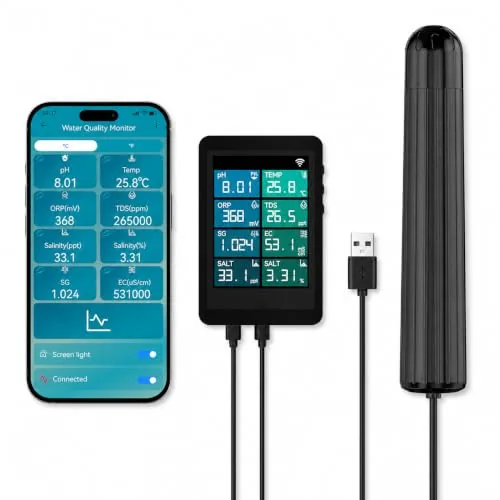
As low as $12
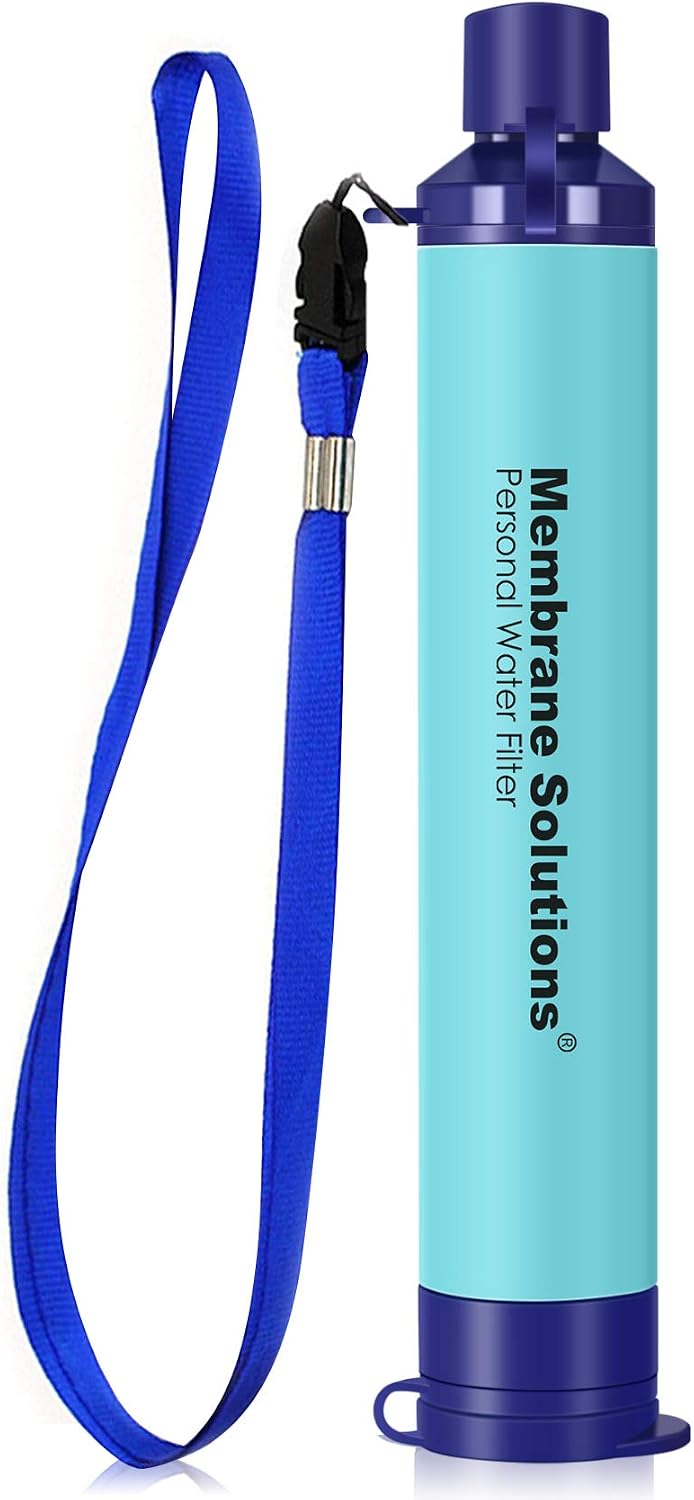
Built for travel, hiking & emergencies - drink safely whether the water is unsafe or just tastes off.
- NSF/ANSI 42, 372 & 401 certified, 0.1 micron filtration
- Filters up to 1,320 gallons - no batteries or pumping
- Ultralight - fits in any bag or pocket
- BPA-free, compatible with standard 28mm bottle threads
Tap water in India is generally not safe for travelers to drink without treatment. Water infrastructure varies enormously across the country, and contamination from bacteria, viruses, heavy metals, and agricultural runoff remains widespread. Travelers are strongly advised to drink only bottled, boiled, or filtered water throughout their visit.
Quick Reference
| Concern | Our Advice | |
|---|---|---|
| Drink tap water? | ❌ | Use bottled or filtered water |
| Brush teeth? | ❌ | Use bottled or filtered water |
| Wash fruits / veg? | ❌ | Wash with filtered or bottled water |
| Use ice in drinks? | ❌ | Avoid unless confirmed purified |
| Shower safely? | ✅ | Yes |
| Filter bottle needed? | ❌ | Strongly recommend a Membrane Solutions Filter Straw for all travelers |
| Common risks | Bacterial contamination, Viral pathogens, Parasites, Heavy metals, Pesticide residues, Fluoride contamination, Arsenic contamination, Fecal coliform bacteria |

Key Statistics


Affiliate links — we earn a small commission at no extra cost to you.
Water Infrastructure & Supply
India's water supply infrastructure has undergone significant development through national programs, most notably the Jal Jeevan Mission launched in 2019 with the goal of providing functional household tap connections to every rural household by 2024. As of 2025, the mission has connected over 77% of rural households, though water quality and continuity remain inconsistent. Historically, India relied heavily on groundwater through hand pumps and borewells, and many communities still depend on these sources.
The country's urban water supply systems are managed by state-level water boards and municipal corporations. Most cities provide intermittent water supply, often for only a few hours per day, which leads to negative pressure in pipes and contamination from surrounding soil and sewage. Treatment plants exist in major cities, but aging distribution networks, unauthorized connections, and lack of maintenance compromise water quality between the plant and the tap.
Major improvement projects include the Atal Mission for Rejuvenation and Urban Transformation (AMRUT), which has invested in upgrading urban water infrastructure across 500 cities. The Namami Gange programme addresses pollution in the Ganges river basin, which supplies water to hundreds of millions. Despite these efforts, the gap between treated water at the plant and safe water at the consumer's tap remains one of India's most significant public health challenges.
Contamination & Health Risks
Microbiological contamination is the primary health risk in Indian tap water. Studies by the Bureau of Indian Standards (BIS) and the Central Pollution Control Board (CPCB) have consistently found that a significant proportion of water samples across Indian cities fail to meet drinking water standards for fecal coliform, E. coli, and total dissolved solids. The WHO estimates that waterborne diseases account for a substantial portion of India's disease burden, with traveler's diarrhea affecting up to 30-50% of international visitors.
Chemical contamination is also a serious concern. Arsenic contamination affects groundwater in West Bengal, Bihar, Uttar Pradesh, and parts of Assam, while fluoride levels exceed safe limits in Rajasthan, Andhra Pradesh, Telangana, and other states. Industrial pollution introduces heavy metals including lead, chromium, and mercury into water sources near industrial zones. Agricultural runoff adds pesticides and nitrates, particularly in Punjab, Haryana, and the Indo-Gangetic plain.
For travelers, the most immediate risk is acute gastroenteritis , commonly known as "Delhi Belly." This can be caused by bacteria (E. coli, Salmonella, Shigella), viruses (rotavirus, hepatitis A), and parasites (Giardia, Cryptosporidium). Even short-term exposure through brushing teeth, consuming ice, or eating raw salads washed in tap water can trigger illness. The CDC recommends that travelers to India avoid tap water entirely and use only bottled or purified water for all consumption.
Regional Water Quality Breakdown
Delhi
avoidDespite having modern treatment plants, Delhi's tap water is widely considered unsafe to drink due to contamination in the aging distribution network. The Delhi Jal Board supplies intermittent water, and studies have found high levels of coliform bacteria and heavy metals at consumer taps. Travelers should exclusively use bottled or RO-filtered water.
Mumbai
cautionMumbai's municipal water, sourced from lakes in the Sahyadri hills, is among the better quality in India, and some neighborhoods in South Mumbai receive relatively clean tap water. However, quality degrades in the suburbs and slum areas due to pipe leakage and contamination. Travelers should still avoid drinking tap water directly.
Goa
cautionGoa's water supply comes from rivers and treated through municipal plants, but quality is inconsistent across the state. Tourist hotels typically provide RO-purified water. During the monsoon season, contamination risk increases significantly due to flooding and runoff.
Rajasthan (Jaipur, Udaipur, Jodhpur)
avoidRajasthan faces severe water scarcity and quality issues, including high fluoride and salinity levels in groundwater. Many areas depend on tanker water or groundwater that exceeds safe limits for dissolved solids. Travelers must rely entirely on bottled or purified water.
Kerala (Kochi, Thiruvananthapuram)
cautionKerala has better water infrastructure than many Indian states, with the Kerala Water Authority managing piped supply to much of the population. However, bacterial contamination has been detected in distribution systems, and travelers should still use bottled or boiled water. Many tourist accommodations provide purified drinking water.
Kolkata and West Bengal
avoidKolkata's tap water suffers from aging infrastructure and intermittent supply. West Bengal is one of the worst-affected states for arsenic contamination in groundwater, with millions exposed to unsafe levels. Travelers should strictly avoid tap water and ensure bottled water is from a certified source.
Practical Tips for Travelers
- Always check the seal on bottled water before drinking , look for the ISI mark and BIS certification to avoid refilled counterfeit bottles.
- In Hindi, ask for sealed bottled water by saying "Ek sealed paani ki bottle dijiye" ( ), meaning "Please give me a sealed bottle of water."
- Avoid ice in drinks unless you're at an upscale hotel or restaurant that confirms they use purified water for ice , street vendors and smaller establishments typically use untreated tap water.
- Carry a portable water purifier like a LifeStraw, SteriPEN, or Grayl filter bottle, which can make tap water safe and dramatically reduce plastic bottle waste during your trip. Strongly recommend the Membrane Solutions Filter Straw.
- Use bottled or purified water for brushing your teeth , even brief exposure to contaminated water can cause traveler's diarrhea in people without local immunity.
- When eating street food, avoid raw salads, cut fruits, and chutneys that may have been washed or prepared with tap water; stick to freshly cooked hot food and fruits you can peel yourself.
- In restaurants, ordering "mineral water" specifically (rather than just "water") helps ensure you receive sealed bottled water rather than a glass of tap or filtered water of uncertain quality.
- Carry ORS (oral rehydration salts) packets , available at any Indian pharmacy for about 20 , as a precaution in case of diarrhea, and consult a doctor if symptoms persist beyond 48 hours.
Bottled Water Availability & Cost
Bottled water is widely available throughout India at extremely affordable prices compared to Western countries. A 1-liter bottle of a trusted brand such as Bisleri, Kinley, or Aquafina typically costs 20-25 (approximately $0.25-0.30 USD) at a shop, while a 500ml bottle may cost 10-15. In tourist areas, airports, and hotels, prices can be marked up to 40-60 per liter. Larger 5-liter and 20-liter cans are available at general stores for 60-80 and 40-60 respectively, making them economical for longer stays.
Travelers should always check that the seal on bottled water is intact before purchasing, as refilling bottles with tap water and reselling them is a known scam. Look for the ISI mark and BIS certification on the label. For sustainability-minded travelers, investing in a high-quality portable water filter or UV purification device (such as a SteriPEN or LifeStraw) can reduce plastic waste significantly. Many hotels and restaurants now offer RO (reverse osmosis) filtered water, which is generally safe when from a reputable establishment.
Frequently Asked Questions
Can I brush my teeth with tap water in India?
No, it is not recommended. Even small amounts of contaminated tap water can introduce bacteria and parasites that cause traveler's diarrhea. Use bottled or purified water for brushing your teeth throughout your stay in India.
Is it safe to shower in Indian tap water?
Yes, showering is generally safe as long as you avoid swallowing any water. Keep your mouth closed during showers and be careful not to let water enter your eyes if you wear contact lenses, as this can occasionally cause eye infections in areas with highly contaminated water.
Is ice safe in Indian restaurants and hotels?
In upscale hotels and established restaurants in major cities, ice is often made from purified water and is generally safe. However, at street stalls, smaller restaurants, and in rural areas, ice is frequently made from untreated tap water and should be avoided. When in doubt, order drinks without ice.
Can I drink water served in restaurants in India?
Many restaurants serve RO-filtered water, which is usually safe. However, quality varies. In upscale restaurants and hotels, filtered water is typically reliable. At smaller establishments, it's safer to order sealed bottled water. Always confirm whether water is purified before drinking.
How much does bottled water cost in India?
Bottled water is very affordable in India. A 1-liter bottle from brands like Bisleri or Kinley costs 20-25 (about $0.25-0.30 USD) at shops. Prices are slightly higher in tourist areas, airports, and hotels, ranging from 40-60. Larger 5-liter containers cost around 60-80 and offer better value for longer stays.
What is 'Delhi Belly' and how can I avoid it?
Delhi Belly is the common term for traveler's diarrhea caused by consuming water or food contaminated with bacteria, viruses, or parasites unfamiliar to your digestive system. To minimize risk, drink only bottled or purified water, avoid raw unpeeled fruits and salads, eat freshly cooked hot food, and wash your hands frequently. Many travelers also take probiotics before and during their trip as a preventive measure.
Is the water from RO purifiers in Indian homes and hotels safe?
RO (reverse osmosis) water purifiers, when properly maintained, effectively remove most bacteria, viruses, heavy metals, and chemical contaminants. Water from well-maintained RO systems in reputable hotels and homes is generally safe to drink. However, filters need regular replacement, so quality depends on maintenance. If you're unsure about the system's upkeep, bottled water is the safer choice.
Are there any areas in India where tap water is safe to drink?
A few cities have made progress toward drinkable tap water. Thiruvananthapuram (Trivandrum) and parts of Chandigarh have better water quality than average. However, no city in India currently has tap water that meets international safety standards consistently at the point of use. The safest approach for travelers is to always use bottled or purified water regardless of location.
Traveling Nearby?
Check tap water safety in neighboring countries:
Bangladesh Bhutan China Myanmar Nepal PakistanInteresting Product Reviews
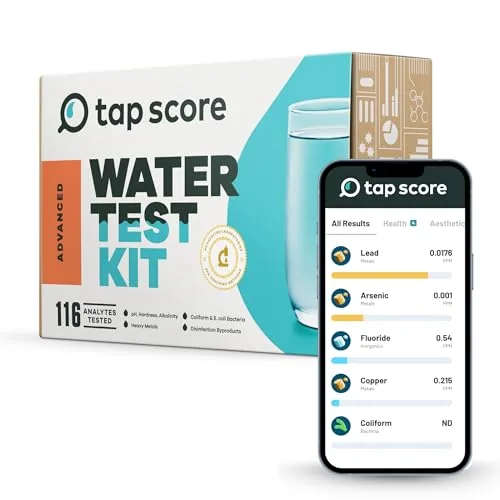
6 Best Home Water Test Kits (2026 Review Guide)
Aug 2, 2026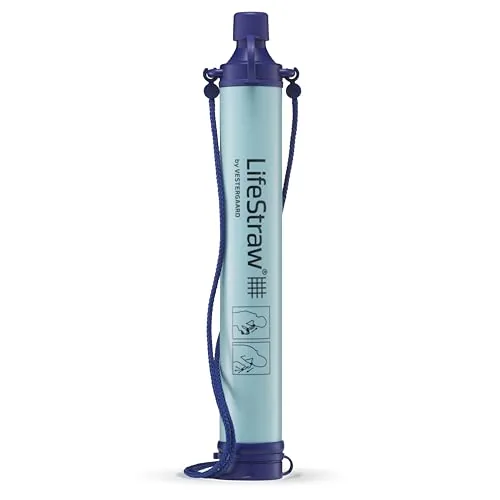
9 Best Water Filter Straws (2026 Review Guide)
Jul 17, 2026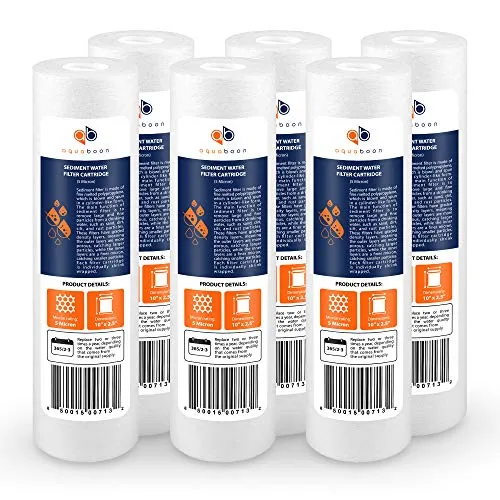
7 Best Water Filters For Well Water (2026 Review Guide)
Jul 25, 2026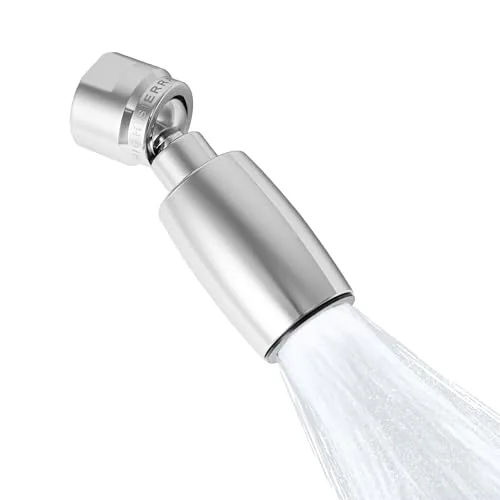
7 Best Low-Flow Shower Heads (2026 Review Guide)
Aug 19, 2026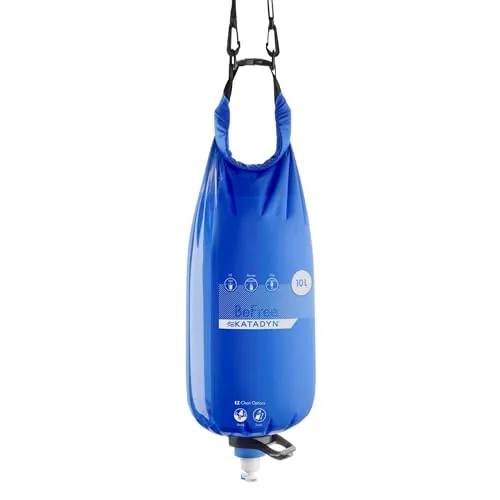
6 Best Gravity Water Filters For Camping (2026 Review Guide)
Jul 20, 2026