As low as $12
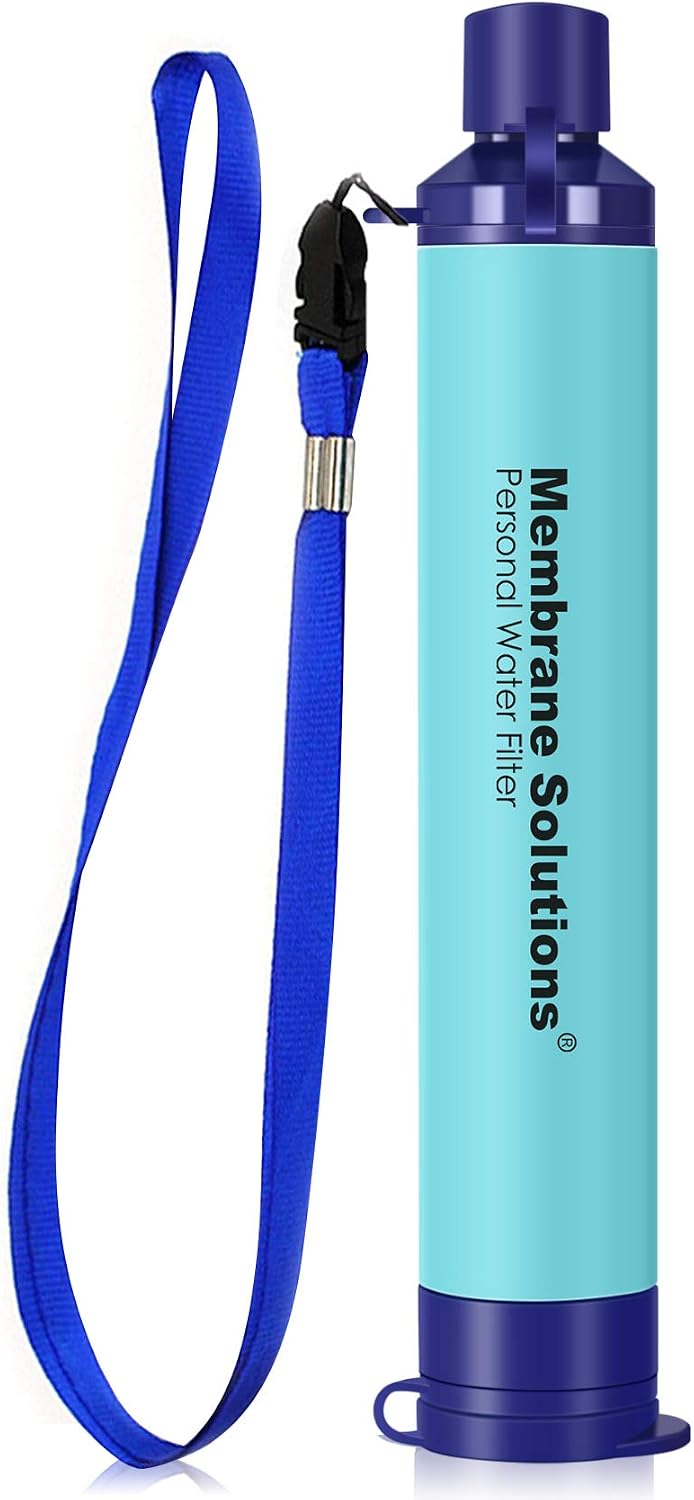
Built for travel, hiking & emergencies - drink safely whether the water is unsafe or just tastes off.
- NSF/ANSI 42, 372 & 401 certified, 0.1 micron filtration
- Filters up to 1,320 gallons - no batteries or pumping
- Ultralight - fits in any bag or pocket
- BPA-free, compatible with standard 28mm bottle threads
Tap water in the Netherlands is among the safest and highest quality in the world. Dutch water utilities deliver excellent drinking water without the need for chlorination, making it taste fresh and clean. Travelers can confidently drink tap water anywhere in the country.
Quick Reference
| Concern | Our Advice | |
|---|---|---|
| Drink tap water? | ✅ | Yes, safe in most areas |
| Brush teeth? | ✅ | Yes, no concerns |
| Wash fruits / veg? | ✅ | Yes, safe to use tap water |
| Use ice in drinks? | ✅ | Yes, safe in restaurants |
| Shower safely? | ✅ | Yes |
| Filter bottle needed? | ✅ | Not necessary, but a Membrane Solutions Filter Straw can improve taste |
| Common risks | Aging building pipes in rare cases, Microplastics in trace amounts, Pharmaceutical residues at very low levels |

Key Statistics


Affiliate links — we earn a small commission at no extra cost to you.
Water Infrastructure & Supply
The Netherlands has one of the most advanced water treatment infrastructures in the world. The country's 10 public drinking water companies serve the entire population, and Dutch law ensures all water utilities remain publicly owned, prioritizing quality over profit. The tradition of high-quality water treatment dates back to the mid-19th century when Amsterdam established one of Europe's first modern waterworks.
Dutch drinking water is sourced from a combination of groundwater (about 60%) and surface water (about 40%), depending on the region. Surface water undergoes extensive multi-barrier treatment including coagulation, sedimentation, dune infiltration, UV disinfection, and activated carbon filtration. Remarkably, the Netherlands is one of the few countries in the world that does not add chlorine to its finished drinking water, relying instead on thorough treatment and well-maintained distribution networks to ensure microbiological safety.
Ongoing investment continues to improve the system. Programs like the Dunea dune infiltration expansion and Vitens' smart grid monitoring ensure resilience against climate change and emerging contaminants. The Dutch government's Delta Programme addresses long-term freshwater availability, while water companies invest heavily in removing micropollutants like PFAS and pharmaceutical residues through advanced oxidation processes and granular activated carbon filtration.
Contamination & Health Risks
Health risks from tap water in the Netherlands are virtually nonexistent for travelers. The water consistently meets or exceeds EU Drinking Water Directive standards, with compliance rates above 99.9%. Regular monitoring by RIVM (the Dutch National Institute for Public Health and the Environment) covers over 60 parameters including heavy metals, pesticides, and microbiological contaminants.
The main areas of ongoing research concern trace-level emerging contaminants such as PFAS (per- and polyfluoroalkyl substances), pharmaceutical residues, and microplastics. While these substances have been detected at extremely low concentrations in some water sources, they remain well below any levels considered harmful to health. Dutch water companies are proactively investing in advanced treatment technologies to reduce these traces even further.
For travelers, the practical risk is negligible. There are no advisories from the WHO, CDC, or ECDC regarding Dutch tap water. The water is safe to drink from any tap connected to the municipal supply, including in hotels, restaurants, and public buildings. The only rare exception might be very old buildings with legacy lead pipes, but the Netherlands has conducted extensive programs to replace such infrastructure, and remaining instances are extremely uncommon.
Regional Water Quality Breakdown
Amsterdam
safeAmsterdam's water is supplied by Waternet and sourced from the Bethune polder and dune-filtered water from the Kennemer dunes. It is exceptionally pure, tastes fresh, and requires no additional treatment at home. Travelers can drink tap water from any location in the city with full confidence.
Rotterdam
safeRotterdam's water is supplied by Evides and primarily sourced from the Meuse river, treated through extensive multi-barrier processes including reservoir storage and dune infiltration. The water quality is excellent and fully compliant with EU standards.
The Hague (Den Haag)
safeDunea supplies The Hague with drinking water that is naturally filtered through coastal sand dunes, a process that has been used since 1874. This dune filtration produces very soft, clean water that is among the best-tasting in the country.
Utrecht
safeVitens supplies Utrecht's drinking water, primarily from deep groundwater sources. The water is very high quality with low mineral content and no chlorine taste. The distribution network is modern and well-maintained.
Maastricht & Limburg
safeWML (Waterleiding Maatschappij Limburg) supplies this southern region using groundwater from limestone aquifers. The water is slightly harder than in the west of the country but equally safe and pleasant to drink.
Groningen & Northern Provinces
safeWaterbedrijf Groningen supplies the northern region with high-quality groundwater. The water is soft, clean, and regularly tested. Even in rural areas of Friesland and Drenthe, tap water quality matches the national standard.
Practical Tips for Travelers
- Carry a filter straw (e.g., Membrane Solutions) — it removes bacteria, parasites, and microplastics from any tap or stream. Strongly recommend the Membrane Solutions Filter Straw.
- Ask for 'kraanwater' (tap water) at restaurants , most will serve it free or for a nominal charge, and it's perfectly safe and often better-tasting than bottled options.
- Carry a reusable water bottle and refill it at the many public 'watertappunten' (drinking water taps) found in cities like Amsterdam, Rotterdam, and Utrecht.
- Dutch tap water contains no chlorine, so it has a fresh, neutral taste , don't be surprised that it tastes better than tap water in many other European countries.
- If a restaurant offers 'plat water' (still water) or 'bruisend water' (sparkling water), these refer to bottled water and will appear on your bill , specify 'kraanwater' if you want free tap water.
- Hotel bathroom taps are connected to the same municipal supply as kitchen taps , the water is equally safe to drink from both.
- Download the 'Join the Pipe' or 'Refill' app to locate nearby free public water refill points across the Netherlands.
- In rare old buildings, if you notice discolored water when first turning on the tap, let it run for 30 seconds , this is extremely uncommon but clears any standing water from older pipes.
Bottled Water Availability & Cost
Bottled water is widely available throughout the Netherlands in supermarkets, convenience stores, and restaurants. Common brands include Spa (the most popular Dutch brand, sourced from the Ardennes), Bar-le-Duc, and Sourcy. A 500ml bottle typically costs 1.00, 2.00 in supermarkets and 2.50, 4.00 in restaurants or tourist areas. A 1.5-liter bottle from a supermarket like Albert Heijn or Jumbo generally costs 0.50, 1.20.
Given the exceptional quality of Dutch tap water, buying bottled water is largely unnecessary and most locals drink tap water daily. Many restaurants will serve tap water on request, often called "kraanwater." Carrying a reusable water bottle is highly recommended , there are public drinking water fountains ("watertappunten") in many Dutch cities, part of a national initiative by Join the Pipe and Dutch water companies to reduce plastic waste and promote tap water consumption.
Frequently Asked Questions
Can I brush my teeth with tap water in the Netherlands?
Yes, absolutely. Dutch tap water is among the cleanest in the world and is perfectly safe for brushing teeth, rinsing your mouth, and all personal hygiene uses.
Is it safe to drink tap water in Amsterdam hotels?
Yes, tap water in Amsterdam hotels is completely safe to drink. It comes from the same high-quality municipal supply and undergoes rigorous treatment including dune infiltration. There is no need to buy bottled water.
Is ice safe in drinks at Dutch restaurants and bars?
Yes, ice in the Netherlands is made from tap water, which is safe and clean. You can enjoy ice in your drinks without any concern at restaurants, bars, and cafs throughout the country.
Why doesn't Dutch tap water contain chlorine?
The Netherlands is one of the few countries that does not chlorinate its drinking water. Instead, Dutch water companies use thorough multi-barrier treatment methods like dune infiltration, UV disinfection, and activated carbon filtration, combined with exceptionally well-maintained pipe networks, to ensure water remains safe without the need for residual chlorine.
Can I get free tap water at restaurants in the Netherlands?
Many Dutch restaurants will serve tap water ('kraanwater') for free or for a small service charge. However, it's not legally mandated, and some restaurants may prefer to serve bottled water. Simply ask for 'kraanwater, alstublieft' (tap water, please) when ordering.
How much does bottled water cost in the Netherlands?
A 500ml bottle costs about 1.00, 2.00 in supermarkets and 2.50, 4.00 in restaurants or tourist areas. A 1.5-liter bottle from a supermarket typically costs 0.50, 1.20. However, since tap water is excellent, bottled water is unnecessary for safety reasons.
Is it safe to shower in Dutch tap water?
Yes, showering with Dutch tap water is completely safe. The water is free of harmful chemicals and pathogens. The absence of chlorine also means it's gentler on skin and hair compared to many other countries.
Is Dutch tap water safe for making baby formula?
Yes, Dutch tap water is safe for preparing baby formula. It is microbiologically pure and has low mineral content, making it suitable for infants. Dutch health authorities (GGD) confirm that tap water can be used for formula preparation without boiling, though following your pediatrician's advice is always recommended.
Interesting Product Reviews
9 Best Sparkling Water Makers (2026 Review Guide)
Aug 11, 2026
9 Best Well Pressure Tanks (2026 Review Guide)
Aug 14, 2026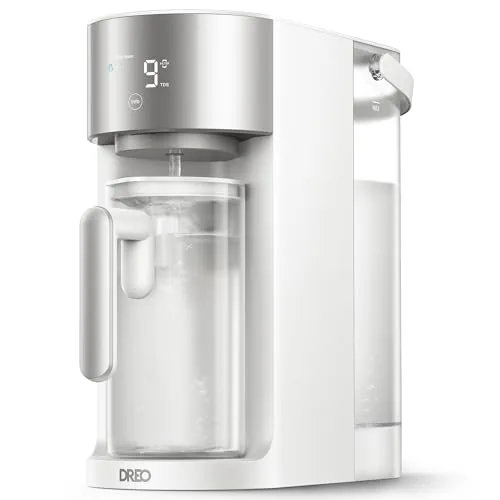
6 Best Water Filters For Apartments (2026 Review Guide)
Jul 5, 2026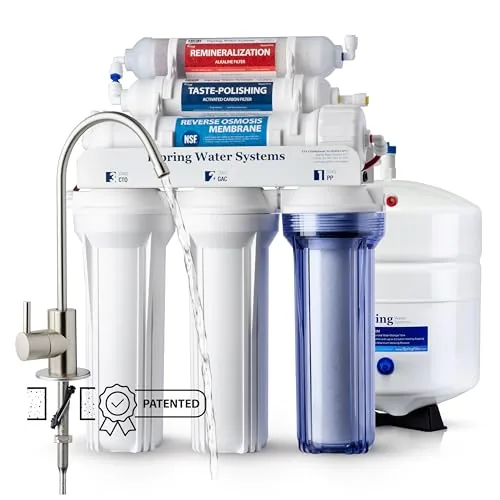
7 Best Alkaline Water Filters (2026 Review Guide)
Jul 27, 2026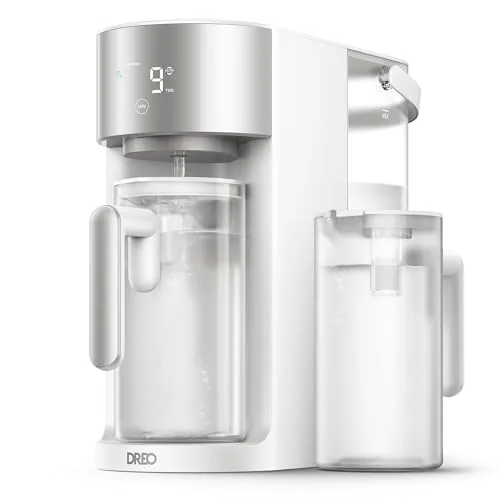
8 Best Countertop Water Filters For Renters (2026 Review Guide)
Jul 20, 2026