As low as $12
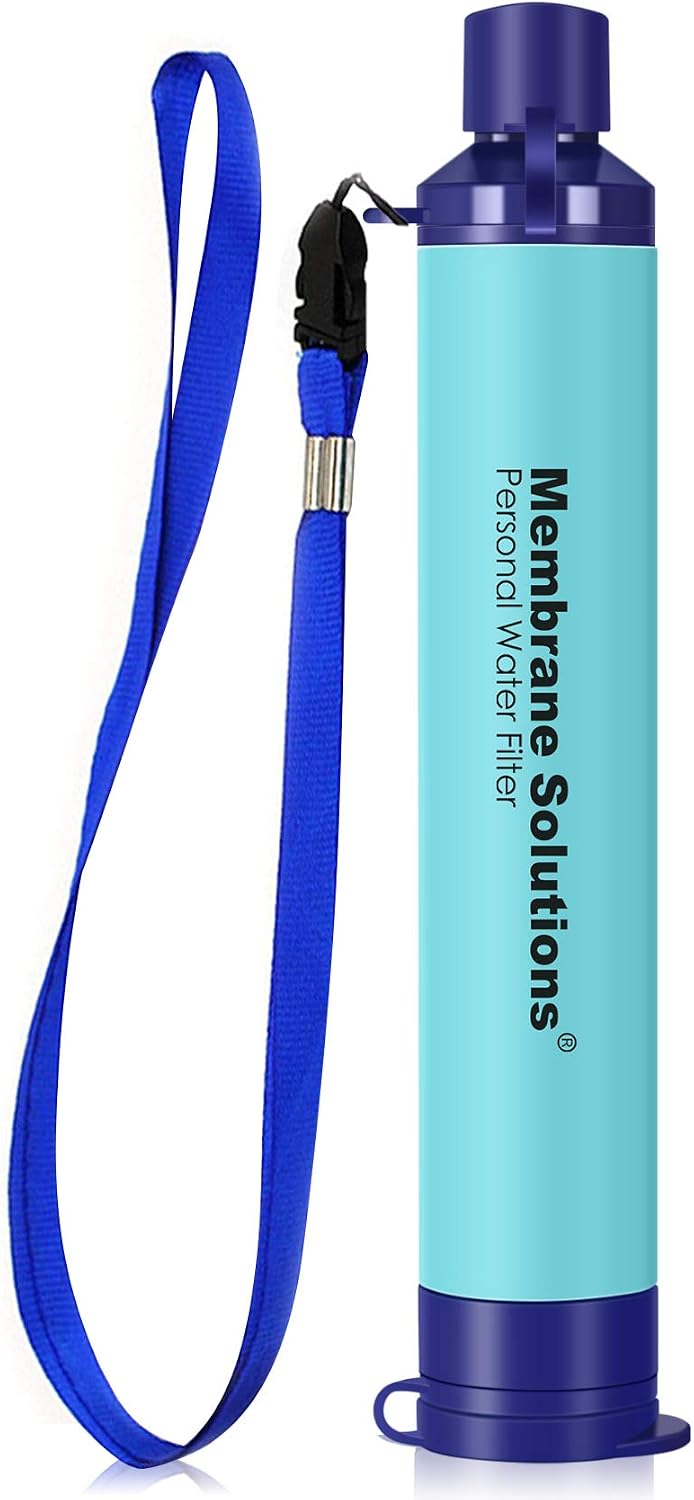
Built for travel, hiking & emergencies - drink safely whether the water is unsafe or just tastes off.
- NSF/ANSI 42, 372 & 401 certified, 0.1 micron filtration
- Filters up to 1,320 gallons - no batteries or pumping
- Ultralight - fits in any bag or pocket
- BPA-free, compatible with standard 28mm bottle threads
Tap water in Canada is generally safe to drink across most cities and towns, with some of the highest water quality standards in the world. The country's drinking water is regulated under the Guidelines for Canadian Drinking Water Quality, enforced at provincial and territorial levels. However, travelers should be aware that some remote Indigenous communities and rural areas may face long-standing boil water advisories.
Quick Reference
| Concern | Our Advice | |
|---|---|---|
| Drink tap water? | ✅ | Yes, safe in most areas |
| Brush teeth? | ✅ | Yes, no concerns |
| Wash fruits / veg? | ✅ | Yes, safe to use tap water |
| Use ice in drinks? | ✅ | Yes, safe in restaurants |
| Shower safely? | ✅ | Yes |
| Filter bottle needed? | ✅ | Not necessary, but a Membrane Solutions Filter Straw can improve taste |
| Common risks | Lead from aging pipes, Agricultural runoff, Boil water advisories in remote communities, Chlorination byproducts, Microplastics |

Key Statistics


Affiliate links — we earn a small commission at no extra cost to you.
Water Infrastructure & Supply
Canada has a well-developed water infrastructure built primarily throughout the 20th century, with most major cities operating modern water treatment plants that use multi-barrier approaches including coagulation, sedimentation, filtration, and disinfection. The Guidelines for Canadian Drinking Water Quality, published by Health Canada, set maximum acceptable concentrations for microbiological, chemical, and radiological contaminants, and are adopted and enforced by provincial and territorial authorities. Municipalities are responsible for water treatment and distribution, and most urban systems deliver high-quality drinking water.
Water treatment technologies vary by municipality but generally include advanced methods. Cities like Toronto, Vancouver, and Montreal use chlorination or chloramination, UV disinfection, and ozone treatment. Some cities such as Vancouver benefit from pristine mountain watershed sources that require minimal treatment, while prairie cities often rely on treated surface water from rivers and reservoirs. Many homes across Canada also use private wells, which are the responsibility of homeowners to test and maintain.
Canada has invested heavily in water infrastructure upgrades in recent decades. The federal government committed over $2 billion specifically to end long-term drinking water advisories on First Nations reserves, a legacy of chronic underinvestment in Indigenous water systems. Major cities regularly upgrade aging distribution systems to address concerns about lead service lines, with cities like Toronto and Montreal running programs to replace thousands of lead pipes. The Canada Infrastructure Bank and the Investing in Canada Plan have also directed billions toward municipal water and wastewater projects across the country.
Contamination & Health Risks
For the vast majority of travelers visiting Canadian cities and towns, the tap water poses virtually no health risks. Canadian water treatment standards meet or exceed WHO guidelines, and outbreaks of waterborne illness from municipal systems are extremely rare. The most notable historical incident was the Walkerton, Ontario E. coli contamination in 2000, which led to sweeping reforms and much stricter oversight of water systems across the country.
The primary contamination concerns in Canada relate to lead leaching from older service lines and household plumbing, agricultural runoff in rural areas introducing nitrates and pesticide residues, and disinfection byproducts such as trihalomethanes formed during chlorination. Some regions, particularly in the prairies, also experience naturally elevated levels of uranium, arsenic, or manganese in groundwater, though municipal systems treat for these. Microplastics have been detected in some Canadian water sources, though Health Canada has stated that current levels do not pose known health risks.
The most significant ongoing water quality issue in Canada affects remote and Indigenous communities, particularly First Nations reserves, where long-standing boil water advisories persist due to inadequate treatment infrastructure. Travelers visiting remote areas, backcountry regions, or areas with posted boil water advisories should take precautions such as boiling water or using a portable filter. Giardia and Cryptosporidium are present in untreated surface waters across Canada, so hikers and campers should always treat water from lakes and streams.
Regional Water Quality Breakdown
Vancouver & British Columbia Coast
safeVancouver draws its water from three protected mountain watersheds, Capilano, Seymour, and Coquitlam, producing some of the cleanest municipal water in the world. The water is naturally soft and requires minimal treatment. Travelers can drink tap water here with complete confidence.
Toronto & Southern Ontario
safeToronto's water is sourced from Lake Ontario and treated at four advanced water treatment plants. The city meets all provincial and federal drinking water standards and conducts over 25,000 tests annually. Some older neighborhoods may have lead service lines, but the city offers free water testing and has an active pipe replacement program.
Montreal & Quebec
safeMontreal draws water from the St. Lawrence River and treats it through modern facilities using ozone and UV disinfection. Quebec has its own strict water quality regulations. The tap water is safe to drink, though some older buildings may have lead plumbing that the city is working to replace.
Calgary & Alberta
safeCalgary's water comes from the Bow and Elbow rivers, originating in the Rocky Mountains, and is treated to high standards. Alberta has robust provincial water quality monitoring. The water is safe to drink, though it can be moderately hard in prairie cities like Edmonton.
Northern & Remote Communities
cautionRemote communities in the Yukon, Northwest Territories, Nunavut, and northern parts of provinces may be subject to boil water advisories due to limited treatment infrastructure. Travelers heading to remote areas should check for active advisories and carry water purification options. Many First Nations communities continue to face water quality challenges.
Atlantic Provinces (Nova Scotia, New Brunswick, PEI, Newfoundland)
safeMajor cities like Halifax and St. John's provide safe, treated tap water. Rural areas in the Atlantic provinces sometimes rely on private wells with variable quality. Municipal water systems meet Canadian drinking water guidelines, but travelers visiting very rural areas should verify the water source.
Practical Tips for Travelers
- Carry a filter straw (e.g., Membrane Solutions) — it removes bacteria, parasites, and microplastics from any tap or stream. Strongly recommend the Membrane Solutions Filter Straw.
- In restaurants, you can simply ask for 'tap water' or 'water, please' , in Quebec, say 'un verre d'eau du robinet, s'il vous plat' (a glass of tap water, please). Tap water is free at restaurants across Canada.
- If you're visiting during spring, some municipalities may issue temporary advisories due to spring runoff increasing turbidity , check local news or your municipality's website for updates.
- If you're staying in an older building (pre-1960s), run the cold tap for 30 seconds to 2 minutes before drinking to flush any lead that may have leached from old pipes overnight.
- When hiking or camping in the backcountry, never drink untreated water from streams or lakes , Giardia and Cryptosporidium are common in Canadian wilderness waterways. Use a portable filter, UV purifier, or boil water for at least one minute.
- Check the Indigenous Services Canada website for active drinking water advisories before traveling to remote or northern communities, as some areas have long-standing boil water advisories.
- Carry a reusable water bottle , most Canadian airports, malls, and public buildings have free water refill stations, and many cities are actively discouraging single-use plastic bottles.
- If you prefer the taste of your water without chlorine, fill a jug and leave it uncovered in the refrigerator for a few hours , the chlorine will dissipate naturally.
- In winter, be aware that extremely cold temperatures can cause water main breaks in some cities, leading to temporary boil water advisories in affected neighborhoods , follow local municipal alerts.
Bottled Water Availability & Cost
Bottled water is widely available throughout Canada at convenience stores, grocery stores, gas stations, and vending machines. A 500 mL bottle typically costs between CAD $1.50 and $3.00 (approximately USD $1.10, $2.20), while a 1.5 L bottle ranges from CAD $1.50 to $2.50 at grocery stores. Popular domestic brands include Naya, Eska, and Ice River Springs, alongside international brands like Nestl Pure Life, Dasani, and Aquafina.
For budget travelers, buying water in bulk at grocery stores like Walmart, Costco, or No Frills offers the best value, with 24-packs of 500 mL bottles available for CAD $3, $5. However, since Canadian tap water is safe in virtually all urban areas, carrying a reusable water bottle is both cost-effective and environmentally responsible. Many Canadian cities have public water fountains and refill stations, and restaurants will typically provide free tap water upon request. Canada has been moving toward reducing single-use plastic, so refilling is encouraged.
Frequently Asked Questions
Can I brush my teeth with tap water in Canada?
Yes, tap water throughout Canadian cities and towns is perfectly safe for brushing teeth. The water is treated to strict federal and provincial standards. Only in areas with active boil water advisories should you use bottled or boiled water.
Is it safe to shower in Canadian tap water?
Absolutely. Canadian tap water is safe for showering everywhere, including in areas with boil water advisories (since the concern there is ingestion, not skin contact). The water is treated and disinfected to high standards.
Is ice safe in Canadian drinks?
Yes, ice in drinks at restaurants, bars, and hotels throughout Canada is made from treated municipal tap water and is safe to consume. This applies to all urban and suburban areas across the country.
Can I drink tap water at restaurants in Canada?
Yes, restaurants across Canada serve safe tap water. It's customary to receive free tap water with your meal, and you can always request it. You don't need to order bottled water unless you prefer it.
How much does bottled water cost in Canada?
A 500 mL bottle typically costs CAD $1.50, $3.00 (about USD $1.10, $2.20) at convenience stores. Larger bottles and bulk packs at grocery stores are more economical, but since tap water is safe in cities, a reusable bottle is the best option.
Why do some Indigenous communities in Canada have unsafe water?
Many First Nations reserves have historically lacked the same water treatment infrastructure as other Canadian communities due to chronic underfunding and jurisdictional gaps. The federal government has been working to lift long-term drinking water advisories, having resolved over 140 since 2015, but some communities still face challenges with aging infrastructure and remote locations.
Is Canadian tap water safe for making baby formula?
Yes, municipal tap water in Canadian cities is safe for preparing baby formula. If you're concerned about lead in older buildings, run the cold tap for a couple of minutes first or use a certified lead-reducing filter. In areas with boil water advisories, use boiled and cooled water or bottled water.
Does Canadian tap water contain fluoride?
It varies by municipality. Some Canadian cities like Toronto and Ottawa add fluoride to their water supply for dental health, while others like Vancouver, Montreal, and Calgary do not fluoridate. You can check with the local municipality to find out if your destination fluoridates its water.
Interesting Product Reviews
8 Best Bidet Attachments (2026 Review Guide)
Aug 20, 2026
8 Best Smart Water Shutoff Valves (2026 Review Guide)
Aug 17, 2026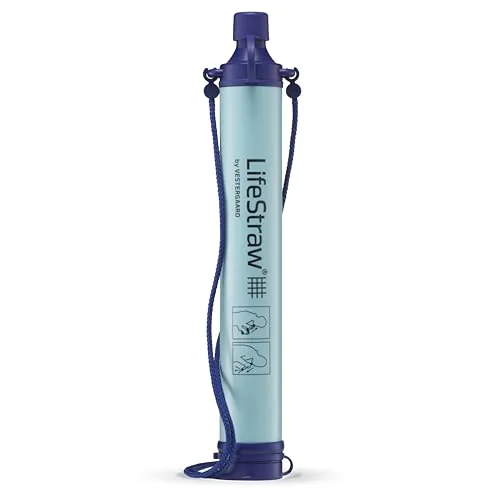
6 Best Portable Water Filters (2026 Review Guide)
Jul 1, 2026
9 Best Paddle Boards (2026 Review Guide)
Aug 26, 2026
9 Best Pool Test Kits (2026 Review Guide)
Aug 25, 2026