As low as $12
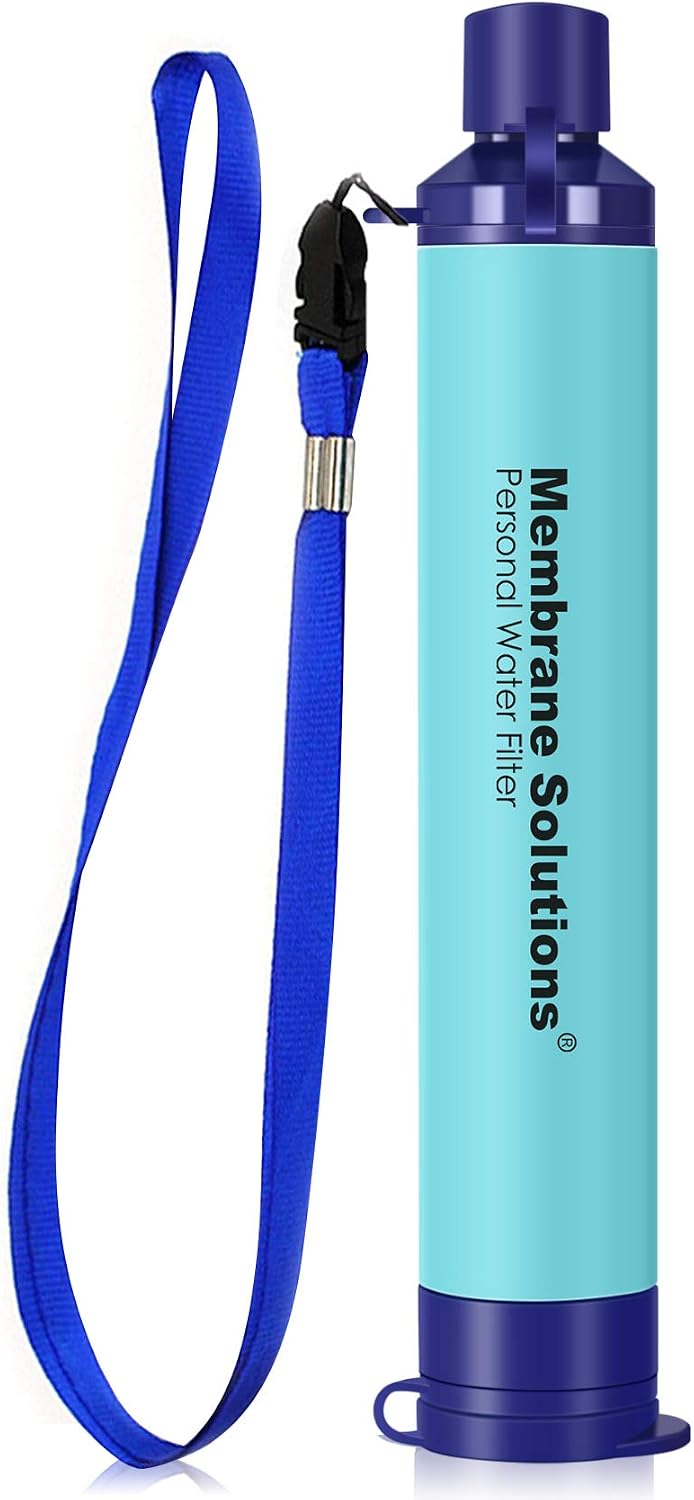
Built for travel, hiking & emergencies - drink safely whether the water is unsafe or just tastes off.
- NSF/ANSI 42, 372 & 401 certified, 0.1 micron filtration
- Filters up to 1,320 gallons - no batteries or pumping
- Ultralight - fits in any bag or pocket
- BPA-free, compatible with standard 28mm bottle threads
Tap water in Benin is generally not safe for travelers to drink. Water infrastructure is still developing, particularly in rural areas, and contamination from bacteria and parasites is common. Visitors should rely on bottled or properly treated water throughout their stay.
Quick Reference
| Concern | Our Advice | |
|---|---|---|
| Drink tap water? | ❌ | Use bottled or filtered water |
| Brush teeth? | ❌ | Use bottled or filtered water |
| Wash fruits / veg? | ❌ | Wash with filtered or bottled water |
| Use ice in drinks? | ❌ | Avoid unless confirmed purified |
| Shower safely? | ✅ | Yes |
| Filter bottle needed? | ❌ | Strongly recommend a Membrane Solutions Filter Straw for all travelers |
| Common risks | Bacterial contamination, Parasitic infections, E. coli, Cholera, Heavy metals, Nitrate contamination, Waterborne diseases |

Key Statistics


Affiliate links — we earn a small commission at no extra cost to you.
Water Infrastructure & Supply
Benin's water infrastructure has undergone significant development since the early 2000s, but remains inadequate for the country's growing population of over 13 million. The national utility SONEB (Socit Nationale des Eaux du Bnin) manages urban water supply, while rural areas depend on boreholes, hand pumps, and community-managed systems. Historical underinvestment means that many distribution networks in cities are aging, leading to frequent pipe breaks and contamination risks.
In urban areas like Cotonou and Porto-Novo, water treatment plants draw from surface water sources including Lake Nokou and the Oum River. Chlorination is used as the primary disinfection method, but inconsistent dosing, frequent power outages affecting pumping stations, and deteriorating pipe networks compromise water quality between the treatment plant and the tap. In rural areas, groundwater sources accessed through boreholes are often the safest option, though even these can be contaminated by nitrates and pathogens due to poor sanitation practices nearby.
Major improvement projects are underway with support from the World Bank, the African Development Bank, and bilateral donors. The Benin National Water Supply Program aims to achieve universal access to safe water by 2030, and large-scale projects such as the Cotonou water supply reinforcement project are expanding treatment capacity and replacing aging infrastructure. Despite these efforts, significant gaps remain, particularly in secondary cities and rural communes where access to any improved water source is still limited.
Contamination & Health Risks
The primary health risks from tap water in Benin include bacterial infections (E. coli, Salmonella), parasitic diseases (giardiasis, amoebic dysentery), and periodic cholera outbreaks, particularly during the rainy season from April to October. Water quality testing by national authorities and NGOs regularly reveals fecal coliform contamination in both surface and groundwater sources, especially in densely populated urban areas where sanitation infrastructure is inadequate.
Pollution sources include untreated sewage discharge into waterways, agricultural runoff containing pesticides and fertilizers, and industrial effluents in the Cotonou-Porto Novo corridor. Open defecation, while decreasing, remains prevalent in some rural and peri-urban areas, contaminating shallow groundwater that communities depend on. Flooding during the rainy season can overwhelm drainage systems and further contaminate water supplies.
For travelers, the practical risks are significant. Drinking untreated tap water, consuming ice made from tap water, or eating unpeeled fruits and vegetables washed in tap water can lead to traveler's diarrhea at a minimum, and potentially more serious waterborne illnesses. Even in upscale hotels in Cotonou, tap water is not considered potable. Travelers should exclusively use bottled, boiled, or filtered water for drinking and food preparation.
Regional Water Quality Breakdown
Cotonou
cautionAs the economic capital, Cotonou has the most developed water infrastructure, but aging pipes and rapid urbanization compromise quality. Tap water is treated but not reliably safe at the point of use. Travelers should use bottled or filtered water.
Porto-Novo
cautionThe official capital has basic water treatment facilities but suffers from intermittent supply and aging distribution networks. Water quality at the tap is unreliable, and boil or filter advisories apply for visitors.
Ouidah
cautionThis popular tourist destination for its historical voodoo heritage has limited water infrastructure. Municipal supply is inconsistent, and many residents rely on wells or sachet water. Travelers should strictly avoid tap water.
Abomey / Bohicon
avoidThese inland cities have more limited water treatment capacity. Groundwater sources may be contaminated with nitrates and bacteria. Bottled or thoroughly purified water is essential for visitors.
Parakou
avoidAs the major city of northern Benin, Parakou's water supply infrastructure is less developed than the southern coast. Water quality is unreliable and contamination risks are elevated, particularly during the rainy season.
Natitingou / Atakora Region
avoidThe mountainous Atakora region, popular with trekkers visiting the Tata Somba houses, has very limited piped water infrastructure. Most communities rely on boreholes or untreated surface water. Travelers must bring their own purification solutions.
Practical Tips for Travelers
- Carry a filter straw (e.g., Membrane Solutions) — it removes bacteria, parasites, and microplastics from any tap or stream. Strongly recommend the Membrane Solutions Filter Straw.
- Always drink bottled or filtered water. Never drink directly from the tap anywhere in Benin, including hotels and restaurants.
- Carry a filter water bottle (such as LifeStraw or Grayl) for reliable water purification on the go, especially when traveling outside major cities.
- In French, ask for sealed bottled water by saying "De l'eau minrale en bouteille, s'il vous plat" (Mineral water in a bottle, please) to ensure you receive an unopened bottle.
- Avoid ice in drinks unless you are certain it was made with purified water. In local bars and restaurants, request drinks without ice: "Sans glaons, s'il vous plat."
- Peel all fruits yourself and avoid pre-cut salads or fruits washed in tap water from street vendors. Cooked food from street vendors is generally safer than raw items.
- When buying sachet water ("pure water"), check that the seal is intact and buy only from recognizable brands. Avoid sachets that have been sitting in direct sunlight.
- Pack oral rehydration salts (ORS) in your travel kit. If you do experience traveler's diarrhea, rehydration is the most important first step in recovery.
- Showering with tap water is generally safe, but keep your mouth closed and avoid swallowing any water. Use bottled water for brushing teeth.
Bottled Water Availability & Cost
Bottled water is widely available throughout Benin, especially in urban areas. A 1.5-liter bottle of water typically costs between 300 and 500 CFA francs (approximately $0.50, $0.85 USD) in shops and supermarkets. In restaurants and hotels, prices may be higher, ranging from 500 to 1,500 CFA francs depending on the establishment. Popular local and regional brands include Possotom (a mineral water sourced from a spring in Benin), FIFA, and imported brands like Voltic.
Buying water in bulk (packs of six 1.5-liter bottles) from supermarkets such as Erevan or local shops offers better value. Sachet water ("pure water" bags of 500ml) is extremely common and costs as little as 50-100 CFA francs, though quality can be inconsistent and travelers should look for sealed sachets from reputable brands. For environmental sustainability, a high-quality filter water bottle such as a LifeStraw or Grayl is highly recommended, as it reduces plastic waste and provides reliable purification throughout your trip.
Frequently Asked Questions
Can I brush my teeth with tap water in Benin?
No, it is recommended to use bottled or filtered water for brushing your teeth in Benin. Even small amounts of contaminated water can cause gastrointestinal issues, especially for visitors who are not accustomed to local water bacteria.
Is it safe to shower in tap water in Benin?
Yes, showering with tap water is generally safe as long as you avoid swallowing any water and keep your mouth closed. If you have open wounds or cuts, you may want to use treated water to clean them.
Is ice safe in drinks at restaurants in Benin?
Ice is generally not safe unless you are at an upscale hotel or restaurant that confirms they use purified water to make their ice. Most local establishments use tap water for ice, which carries the same contamination risks. When in doubt, ask for your drink without ice.
What about water served at restaurants , is it safe?
Only drink water from a sealed bottle that is opened in front of you. Some restaurants may serve tap water in a carafe, which should be avoided. Always verify the seal on bottled water is intact before drinking.
How much does bottled water cost in Benin?
A 1.5-liter bottle typically costs 300, 500 CFA francs ($0.50, $0.85 USD) in shops. Restaurant prices can be double or triple that. Small sachet water bags (500ml) are as cheap as 50, 100 CFA francs but quality varies.
Is the local mineral water brand Possotom safe to drink?
Yes, Possotom is a well-known Beninese mineral water brand sourced from natural springs in the commune of Possotom near Lake Ahm. It is widely available, properly sealed, and considered safe for travelers.
What waterborne diseases should I worry about in Benin?
The main risks include traveler's diarrhea (from E. coli and other bacteria), cholera (particularly during the rainy season), typhoid fever, giardiasis, and amoebic dysentery. Ensuring you drink only purified water and eat properly prepared food greatly reduces these risks.
Do I need a water filter bottle for traveling in Benin?
A high-quality water filter bottle is strongly recommended for travel in Benin. It provides a reliable backup when bottled water is unavailable, reduces plastic waste, and gives you independence when traveling to rural or remote areas where bottled water may be scarce.
Interesting Product Reviews
9 Best Handheld Shower Heads (2026 Review Guide)
Aug 19, 2026
6 Best Water Purifier Bottles For Travel (2026 Review Guide)
Jul 9, 2026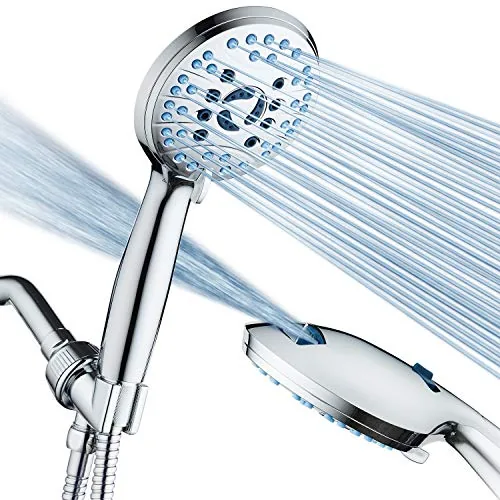
8 Best Shower Heads (2026 Review Guide)
Aug 18, 2026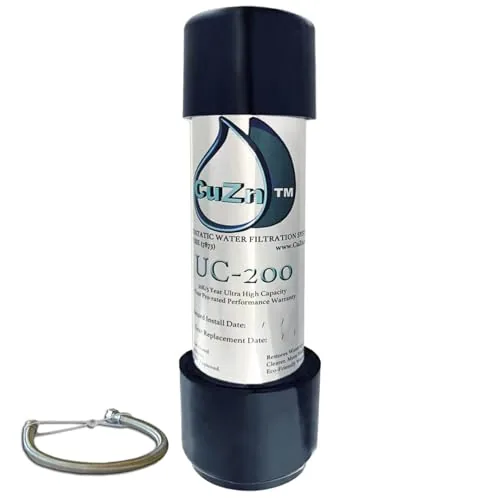
6 Best Water Filters For Pharmaceuticals In Tap Wates (2026 Review Guide)
Aug 2, 2026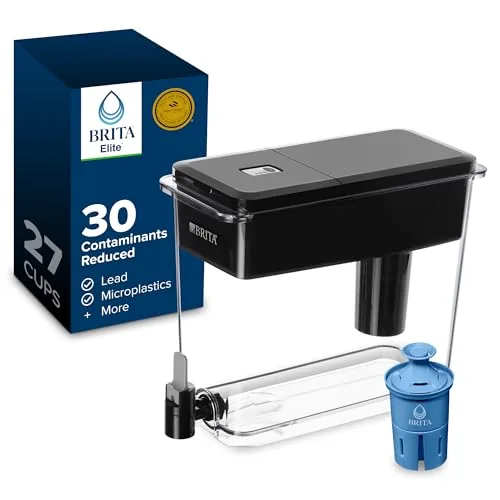
7 Best Water Filters For Lead Removal (2026 Review Guide)
Jul 29, 2026