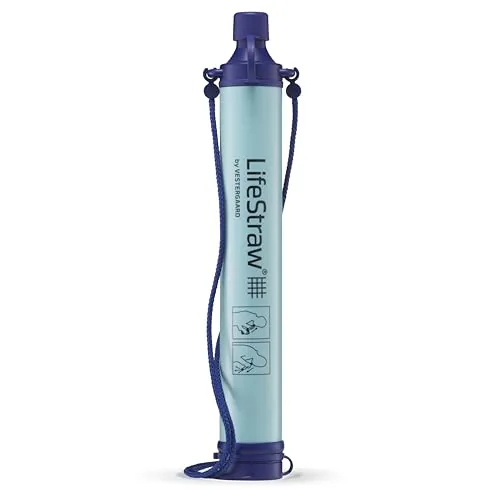
As low as $12
Built for travel, hiking & emergencies - drink safely whether the water is unsafe or just tastes off.
- NSF/ANSI 42, 372 & 401 certified, 0.1 micron filtration
- Filters up to 1,320 gallons - no batteries or pumping
- Ultralight - fits in any bag or pocket
- BPA-free, compatible with standard 28mm bottle threads
Tap water in Niger is not considered safe for travelers to drink. The country faces significant challenges with water infrastructure, and only a small fraction of the population has access to safely managed drinking water. Visitors should rely on bottled or purified water throughout their stay.
Quick Reference
| Concern | Our Advice | |
|---|---|---|
| Drink tap water? | ❌ | Use bottled or filtered water |
| Brush teeth? | ❌ | Use bottled or filtered water |
| Wash fruits / veg? | ❌ | Wash with filtered or bottled water |
| Use ice in drinks? | ❌ | Avoid unless confirmed purified |
| Shower safely? | ✅ | Yes |
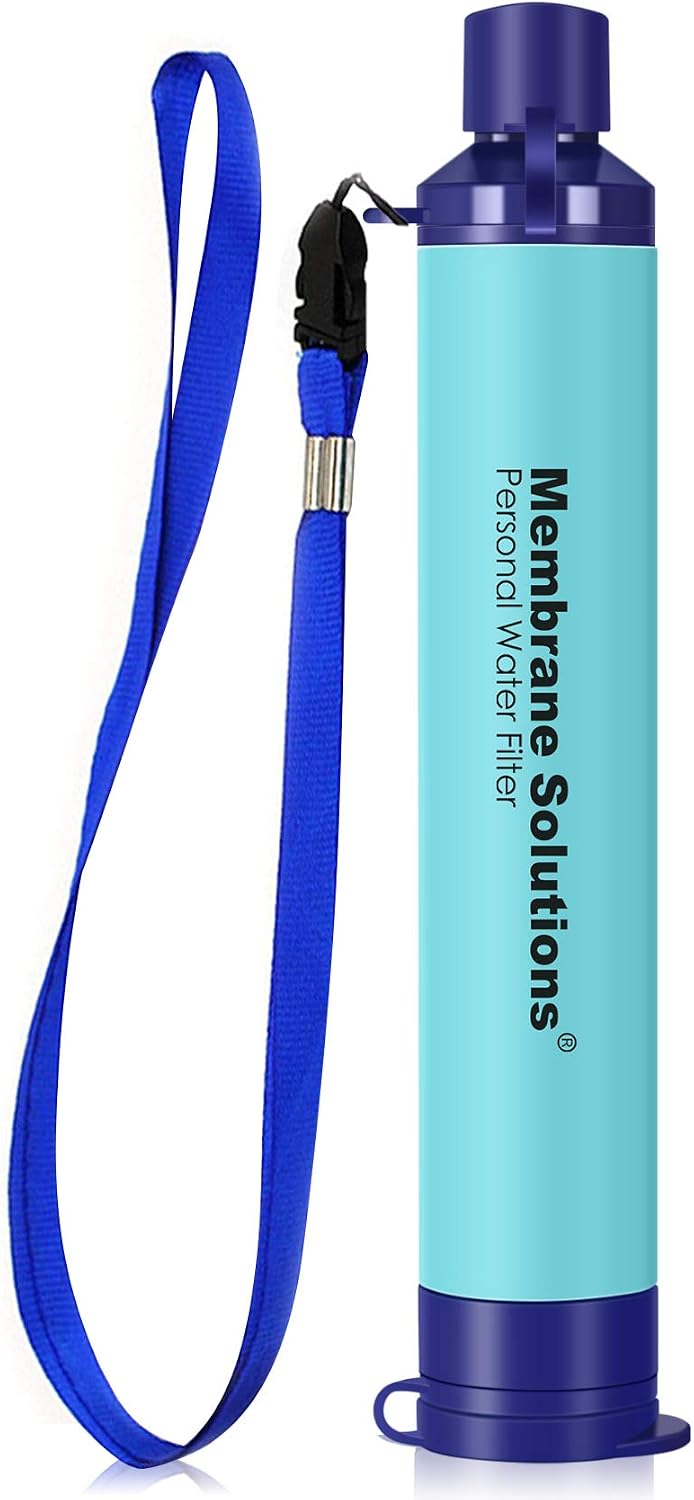
| Filter bottle needed? | ❌ | Strongly recommend a Membrane Solutions Filter Straw for all travelers |
| Common risks | Bacterial contamination, Parasitic infections, Fecal coliforms, Waterborne diseases, Sediment and turbidity, Nitrate contamination |

Key Statistics


Affiliate links — we earn a small commission at no extra cost to you.
Water Infrastructure & Supply
Niger's water infrastructure remains severely underdeveloped, reflecting its status as one of the world's least developed countries. The Socit d'Exploitation des Eaux du Niger (SEEN) manages urban water supply under a public-private partnership, but coverage is largely limited to Niamey and a handful of regional capitals. In rural areas, communities typically depend on boreholes, hand-dug wells, and surface water sources, many of which are unprotected and contaminated.
The urban water system in Niamey draws primarily from the Niger River and underground aquifers. Treatment plants exist in major cities, using coagulation, sedimentation, filtration, and chlorination, but aging infrastructure leads to frequent pipe breaks, low water pressure, and contamination of treated water in the distribution network. Intermittent supply is common even in the capital, and many neighborhoods rely on standpipes or water vendors rather than household connections.
Several international development projects aim to improve water access. The World Bank's Niger Urban Water Supply Project and the African Development Bank-funded programs have invested hundreds of millions of dollars in expanding treatment capacity and building new distribution networks. The government's National Water and Sanitation Programme (PROSEHA) targets universal access by 2030, but progress has been slowed by rapid population growth, insecurity in some regions, and chronic underfunding.
Contamination & Health Risks
Waterborne diseases are a leading cause of illness and death in Niger, particularly among children under five. Cholera outbreaks occur periodically, especially during the rainy season (June, September) when flooding contaminates water sources. Typhoid, hepatitis A, and dysentery are endemic, and parasitic infections including giardiasis and amoebiasis are common due to widespread fecal contamination of water supplies.
The extremely high rate of open defecation (over 60% of the population) means that groundwater sources are frequently contaminated with fecal pathogens. Agricultural runoff introduces nitrates and pesticide residues into surface waters, while artisanal gold mining in the Liptako-Gourma region has raised concerns about heavy metal contamination. Even in urban areas, the deteriorating pipe networks allow contamination to enter treated water before it reaches consumers.
For travelers, the practical risks are significant. Consuming untreated tap water, ice made from tap water, or raw fruits and vegetables washed in tap water can lead to traveler's diarrhea or more serious infections. The CDC and WHO both recommend that visitors to Niger drink only bottled, boiled, or chemically treated water. Showering is generally safe as long as water is not swallowed, but extra caution should be taken with oral hygiene.
Regional Water Quality Breakdown
Niamey
cautionAs the capital, Niamey has the best water infrastructure in Niger with a functioning treatment plant drawing from the Niger River. However, aging pipes and intermittent supply mean contamination can occur in the distribution network, and tap water should not be consumed directly by travelers.
Zinder
avoidNiger's second-largest city has limited treated water supply and many residents rely on wells and boreholes. Water quality is inconsistent, and contamination from inadequate sanitation is common. Travelers should use only bottled or purified water.
Maradi
avoidMaradi's water infrastructure has seen some improvements through development projects, but supply remains inadequate for the growing population. Groundwater contamination from agricultural runoff and poor sanitation poses risks.
Agadez
avoidThis Saharan gateway city relies heavily on deep boreholes tapping the Irhazer aquifer. Water quality issues include high mineral content and salinity. Availability can be limited, and travelers should carry sufficient bottled water, especially when heading into the desert.
Tahoua
avoidTahoua has basic water supply systems but coverage is limited. Seasonal water shortages during the dry season compound quality concerns. Untreated borehole water is the primary source for many residents.
Dosso
avoidLocated along the Niger River, Dosso has some piped water supply but the system is underdeveloped. Flooding during the rainy season frequently contaminates water sources, increasing the risk of cholera and other waterborne diseases.
Practical Tips for Travelers
- Always drink bottled water and check that the seal is intact before opening. In Hausa, you can ask for water by saying "Ina son ruwa" (I want water) or request bottled water at restaurants.
- Carry a reliable filter bottle like a LifeStraw or Grayl, especially when traveling outside Niamey , bottled water may be unavailable in remote areas. Strongly recommend the Membrane Solutions Filter Straw.
- Avoid ice in drinks unless you can confirm it was made from purified or bottled water. Most street vendors and small restaurants use untreated tap or well water for ice.
- Brush your teeth with bottled or purified water only. Even brief exposure to contaminated water can cause gastrointestinal illness in travelers unaccustomed to local pathogens.
- Peel all fruits and vegetables yourself, or wash them thoroughly with purified water before eating. Avoid pre-cut fruit from street vendors.
- Pack oral rehydration salts (ORS) in your travel kit. If you develop diarrhea, these can prevent dangerous dehydration in Niger's extreme heat.
- During the rainy season (June, September), be especially cautious as flooding dramatically increases water contamination and cholera risk. Stock extra water supplies.
- If bottled water is unavailable, boiling water vigorously for at least one minute is effective at killing pathogens. Chemical treatment tablets (chlorine or iodine) are a good backup option.
Bottled Water Availability & Cost
Bottled water is widely available in Niamey, Zinder, Maradi, and other major towns. Local brands such as Eau de Sahel and Djabal are commonly found in shops and markets, with a 1.5-liter bottle typically costing 300, 500 CFA francs (approximately $0.50, $0.85 USD). International brands are also available in supermarkets and hotels at slightly higher prices. Small sachet water bags (500 ml) sold by street vendors cost around 25, 50 CFA francs and are popular but of variable quality.
Buying water in bulk (6-packs or cases) from supermarkets in Niamey is more economical, bringing the per-liter cost down significantly. Travelers heading to remote areas should stock up in advance, as bottled water availability becomes unreliable outside major towns. Using a high-quality filter bottle such as a LifeStraw or Grayl is a sustainable alternative that reduces plastic waste and ensures access to safe water even in areas where bottled water is scarce.
Frequently Asked Questions
Can I brush my teeth with tap water in Niger?
No, it is not recommended. Tap water in Niger may contain harmful bacteria and parasites. Use bottled or purified water for brushing your teeth to avoid the risk of gastrointestinal illness.
Is it safe to shower in tap water in Niger?
Yes, showering is generally safe as long as you keep your mouth closed and avoid swallowing any water. Be especially careful if you have open cuts or wounds, and dry thoroughly to avoid any skin issues.
Can I safely drink ice in restaurants in Niger?
Ice should be avoided in most settings. Unless you are at a high-end hotel or restaurant that confirms ice is made from purified water, assume it was made from untreated tap or well water and decline it.
Is restaurant water safe to drink in Niger?
Only drink water in restaurants if it comes in a sealed bottle opened in front of you. Some restaurants may serve tap water or water from questionable sources. Politely request bottled water instead.
How much does bottled water cost in Niger?
A 1.5-liter bottle of water costs approximately 300, 500 CFA francs ($0.50, $0.85 USD) in shops and markets. Prices may be higher in hotels and remote areas. Small water sachets (500 ml) are available for 25, 50 CFA francs.
Are water sachets (pure water bags) safe to drink in Niger?
Water sachets are widely sold but quality varies significantly. Some are produced under regulated conditions, while others may not meet safety standards. It's safer to stick with sealed bottled water from recognized brands when possible.
What diseases can I get from contaminated water in Niger?
Waterborne diseases common in Niger include cholera, typhoid fever, hepatitis A, dysentery, giardiasis, and amoebiasis. Travelers' diarrhea is extremely common among visitors. Ensure you have appropriate travel vaccinations before your trip.
Should I bring a water filter when traveling to Niger?
Absolutely. A high-quality portable water filter or UV purifier is strongly recommended, especially if traveling outside major cities. Products like the LifeStraw Go or Grayl GeoPress can filter bacteria, parasites, and sediment from water sources when bottled water isn't available.
Traveling Nearby?
Check tap water safety in neighboring countries:
Algeria Benin Burkina Faso Chad Libya Mali NigeriaInteresting Product Reviews
6 Best Whole House Water Filters (2026 Review Guide)
Jul 17, 2026
9 Best Water Descalers (2026 Review Guide)
Aug 15, 2026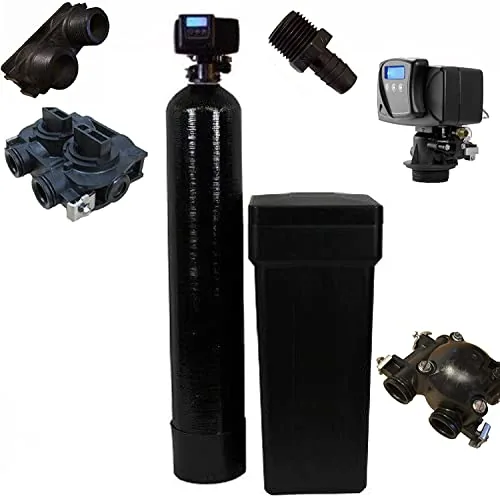
6 Best Water Softeners (2026 Review Guide)
Aug 13, 2026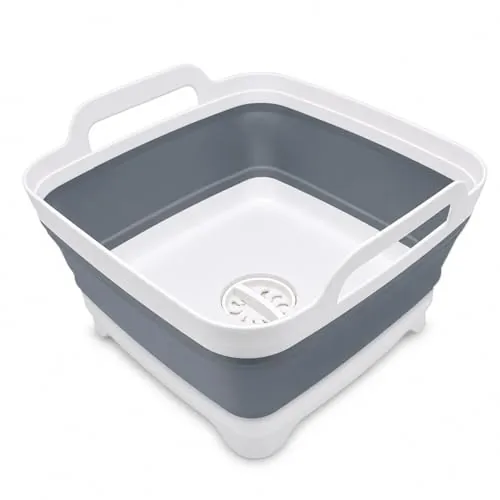
6 Best Portable Camp Sinks (2026 Review Guide)
Aug 23, 2026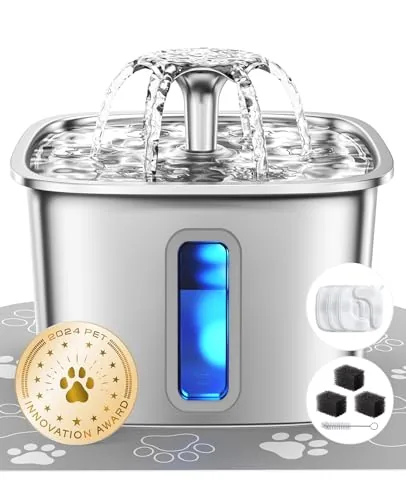
7 Best Pet Water Fountains (2026 Review Guide)
Aug 18, 2026