Around $20
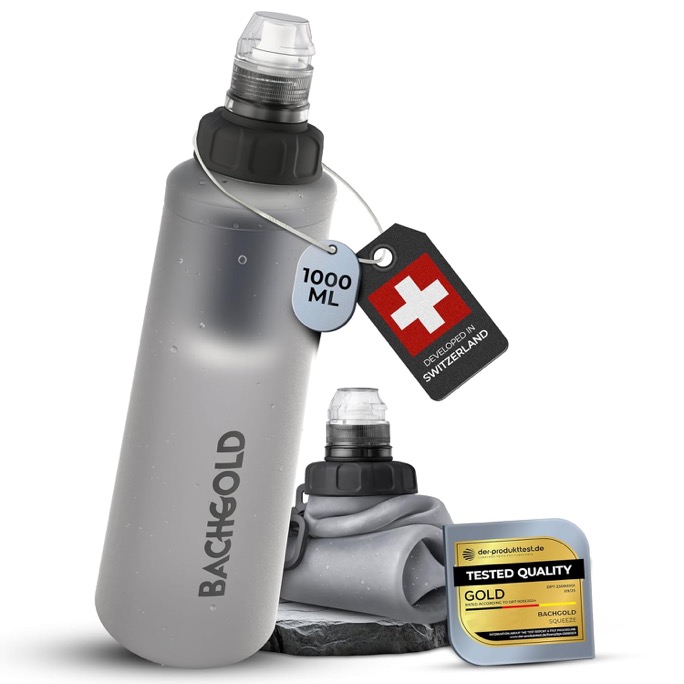
Built for travel, hiking & emergencies - drink safely whether the water is unsafe or just tastes off.
- 2-stage filtration: nanofiber layer + 0.2 micron hollow fiber membrane
- Rinse to restore flow - no replacement cartridges needed
- Collapsible 1L bottle - folds flat to pocket size
- Leak-resistant, taste-neutral, designed in Switzerland
Tap water in Kosovo is generally not recommended for travelers to drink directly from the tap. While urban areas like Pristina have improved water treatment infrastructure, inconsistent quality, aging pipes, and seasonal contamination issues make bottled or filtered water the safer choice for visitors. Rural areas face more significant water quality challenges.
Quick Reference
| Concern | Our Advice | |
|---|---|---|
| Drink tap water? | ❌ | Use bottled or filtered water |
| Brush teeth? | ✅ | Yes, no concerns |
| Wash fruits / veg? | ✅ | Yes, safe to use tap water |
| Use ice in drinks? | ❌ | Avoid unless confirmed purified |
| Shower safely? | ✅ | Yes |
| Filter bottle needed? | ❌ | Strongly recommend a Bachgold Squeeze Filter Bottle for all travelers |
| Common risks | Bacterial contamination, Aging pipe infrastructure, Heavy metals, Nitrate contamination, Seasonal turbidity, Inconsistent chlorination |

Key Statistics


Affiliate links — we earn a small commission at no extra cost to you.
Water Infrastructure & Supply
Kosovo's water infrastructure was largely developed during the Yugoslav era, with major upgrades beginning after 1999 under international administration. The country relies heavily on surface water sources, particularly the Batllava and Badovc reservoirs serving Pristina, along with groundwater wells across the country. Seven regional water companies serve about 89% of the urban population, while many rural areas depend on local systems or private wells.
The distribution network suffers from significant challenges, including aging and deteriorating pipes that contribute to non-revenue water losses of approximately 57%. Many pipes date from the 1970s and 1980s and are prone to leaks and contamination from soil intrusion. Water treatment plants use conventional methods including coagulation, sedimentation, filtration, and chlorination, but operational consistency varies across regions.
Significant investment has been directed toward water infrastructure through EU-funded programs, the Kosovo government, and World Bank projects. The Kosovo Water Security and Canal Protection Project, supported by the World Bank, has aimed to rehabilitate water supply systems and improve service delivery. New wastewater treatment facilities are under construction, including the major Pristina wastewater treatment plant, though currently less than 5% of wastewater receives treatment before being discharged into rivers.
Contamination & Health Risks
The main health risks from Kosovo's tap water stem from aging distribution infrastructure that can introduce contaminants between treatment plants and households. Bacteriological contamination events are reported periodically, particularly after heavy rainfall when turbidity increases and treatment systems can become overwhelmed. The National Institute of Public Health of Kosovo regularly identifies coliform bacteria in water samples from various municipalities.
Nitrate contamination is a concern in agricultural areas, particularly in the Dukagjini Plain (Metohija region) and around Peja and Prizren, where intensive farming introduces fertilizer runoff into groundwater sources. Heavy metals including lead can leach from older plumbing in buildings constructed before 1999, and some areas near former industrial sites face localized contamination risks. The Sitnica and Ibr rivers, which feed some water sources, are heavily polluted.
For travelers, the practical risks include gastrointestinal illness from intermittent bacterial contamination and the unpredictability of water quality day to day. The risk is highest during summer months when water demand peaks and supply shortages lead to intermittent service, which can cause pressure drops that allow pipe infiltration. Visitors with sensitive stomachs should stick to bottled or filtered water, particularly outside of central Pristina.
Regional Water Quality Breakdown
Pristina
cautionPristina's water comes from the Batllava and Badovc reservoirs and undergoes treatment at modern facilities. However, the aging distribution network and occasional supply interruptions mean quality at the tap can be inconsistent. Most locals drink bottled water as a precaution.
Prizren
cautionPrizren relies on a mix of groundwater springs and the Lumbardhi river system. Water quality is generally acceptable at the source but the old distribution network in the historic center can compromise quality. Travelers visiting this popular tourist city should use bottled water.
Peja (Pe)
cautionPeja benefits from excellent natural spring water sources from the Rugova mountains. The water quality at source is among the best in Kosovo, but distribution infrastructure issues persist. The Rugove bottled water brand, sourced locally, is an excellent alternative.
Mitrovica
avoidMitrovica faces some of the most significant water quality challenges in Kosovo due to legacy contamination from the Trepa mining complex and lead smelter. Heavy metal contamination has been documented in the area, and the divided city has infrastructure challenges on both sides. Travelers should strictly use bottled water.
Gjakova
cautionGjakova's water supply comes from groundwater sources and has seen improvement with recent infrastructure investments. Quality is generally acceptable but not consistently reliable for drinking. The city is a growing tourist destination and bottled water is readily available.
Rural and mountainous areas
avoidMany rural villages rely on local springs, wells, or small community water systems that often lack proper treatment and monitoring. Water quality in these areas is unpredictable and may contain bacterial or chemical contaminants. Travelers hiking in the Albanian Alps (Prokletije) or visiting rural areas should carry filtered or bottled water.
Practical Tips for Travelers
- Carry a filter bottle (e.g., Bachgold Squeeze) — it removes bacteria, parasites, and microplastics from any tap or stream. Strongly recommend the Bachgold Squeeze Filter Bottle.
- Carry a filter water bottle (such as LifeStraw or Grayl) when exploring Kosovo, especially outside major cities , it provides reliable safe drinking water and reduces plastic waste.
- In restaurants, ask for bottled water by saying 'Uj t ambalazhuar, ju lutem' (oo-yuh tuh am-ba-la-zhoo-ar, yoo loo-tem), which means 'Bottled water, please' in Albanian.
- Avoid drinking tap water in Mitrovica entirely due to legacy heavy metal contamination from nearby mining operations.
- If you're in Peja, try the locally-sourced Rugove brand water , it comes from pristine mountain springs in the nearby Rugova Valley and is considered some of the best water in the Balkans.
- During summer months (June-August), water supply interruptions are more common due to increased demand , keep extra bottled water in your accommodation.
- Brushing your teeth with tap water is generally fine in major cities, but use bottled water for this purpose in rural areas or if you have a very sensitive stomach.
- When hiking in the Sharr Mountains or Rugova Valley, do not drink from streams or rivers without filtering first, even if the water appears clean , agricultural and livestock runoff may be present upstream.
- Check if your hotel or guesthouse uses a water filtration system , many newer establishments in Pristina and Prizren have installed building-level filters that significantly improve tap water quality.
Bottled Water Availability & Cost
Bottled water is widely available throughout Kosovo at shops, supermarkets, restaurants, and kiosks. Popular local brands include Rugove and Bonita, which source from mountain springs and are well-regarded. A 0.5L bottle typically costs 0.30-0.60 in shops and 0.50-1.50 in restaurants and cafs. A 1.5L bottle ranges from 0.40-0.80 in supermarkets.
For longer stays, buying water in bulk (6-packs of 1.5L bottles) from supermarkets like Viva Fresh Store, ETC, or Interex brings the per-liter cost down significantly, typically around 0.25-0.35 per liter. International brands like Evian or San Pellegrino are available in larger stores at higher prices. Travelers concerned about plastic waste should consider bringing a refillable bottle with a built-in filter, which is particularly practical for day trips outside major cities.
Frequently Asked Questions
Can I brush my teeth with tap water in Kosovo?
Yes, brushing your teeth with tap water is generally safe in Kosovo's major cities like Pristina, Prizren, and Peja. The brief exposure during brushing poses minimal risk. However, in Mitrovica or remote rural areas, you may want to use bottled water as an extra precaution.
Is it safe to shower in Kosovo's tap water?
Yes, showering with tap water is safe throughout Kosovo. The water does not pose a risk through skin contact. Just avoid swallowing water during your shower, which is standard advice for any destination where tap water isn't recommended for drinking.
Is ice in drinks safe in Kosovo?
Ice in drinks at restaurants and cafs in major cities is a moderate risk. Many higher-end establishments in Pristina use filtered water or bottled water for ice, but this is not universal. When in doubt, request your drink without ice or ask the server if the ice is made from filtered water.
Is water served in restaurants in Kosovo safe to drink?
Most restaurants in Kosovo serve bottled water to customers, which is safe. If you're offered tap water, it's best to politely decline and request bottled water instead. Always check that the bottle seal is intact when you receive it.
How much does bottled water cost in Kosovo?
Bottled water is very affordable in Kosovo. A 0.5L bottle costs 0.30-0.60 in shops and up to 1.50 in restaurants. A 1.5L bottle is typically 0.40-0.80 in supermarkets. Kosovo uses the Euro, so pricing is straightforward for European travelers.
Can I wash fruits and vegetables with tap water in Kosovo?
Yes, washing fruits and vegetables with tap water is generally acceptable in Kosovo's cities. The chlorine in municipal water helps remove surface bacteria. If you want to be extra cautious, you can rinse produce with bottled water after the initial wash or peel fruits before eating.
Why don't locals in Kosovo drink tap water?
Many Kosovo residents, especially in urban areas, prefer bottled water due to taste concerns and a general distrust of the aging pipe infrastructure rather than consistently dangerous contamination. The habit is deeply ingrained from past water quality problems. Some locals in areas with good spring water sources, like parts of Peja, do drink tap water regularly.
Is tap water quality improving in Kosovo?
Yes, Kosovo's water infrastructure has seen significant investment in recent years through EU, World Bank, and government-funded projects. Water treatment plant upgrades, new distribution pipes, and the construction of Pristina's first major wastewater treatment plant are ongoing. However, progress is gradual, and travelers should continue to exercise caution with tap water for the foreseeable future.
Traveling Nearby?
Check tap water safety in neighboring countries:
Albania Montenegro North Macedonia SerbiaInteresting Product Reviews

7 Best Swim Goggles (2026 Review Guide)
Aug 25, 2026
9 Best Water Filters For Fluoride Removal (2026 Review Guide)
Jul 30, 2026
6 Best Water Filters For Limescale (2026 Review Guide)
Aug 1, 2026
6 Best Water Filters For Tiny Homes (2026 Review Guide)
Jul 29, 2026
6 Best Water Purification Tablets (2026 Review Guide)
Jul 2, 2026