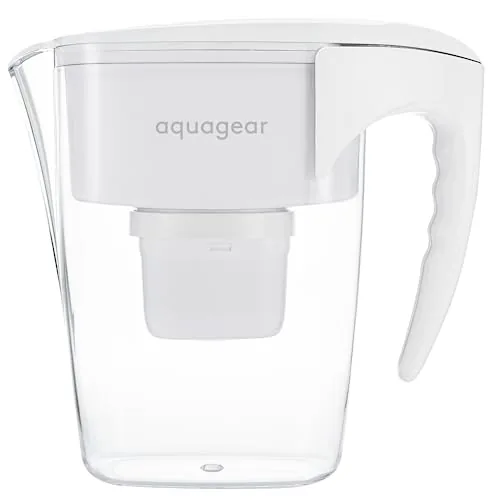
As low as $12
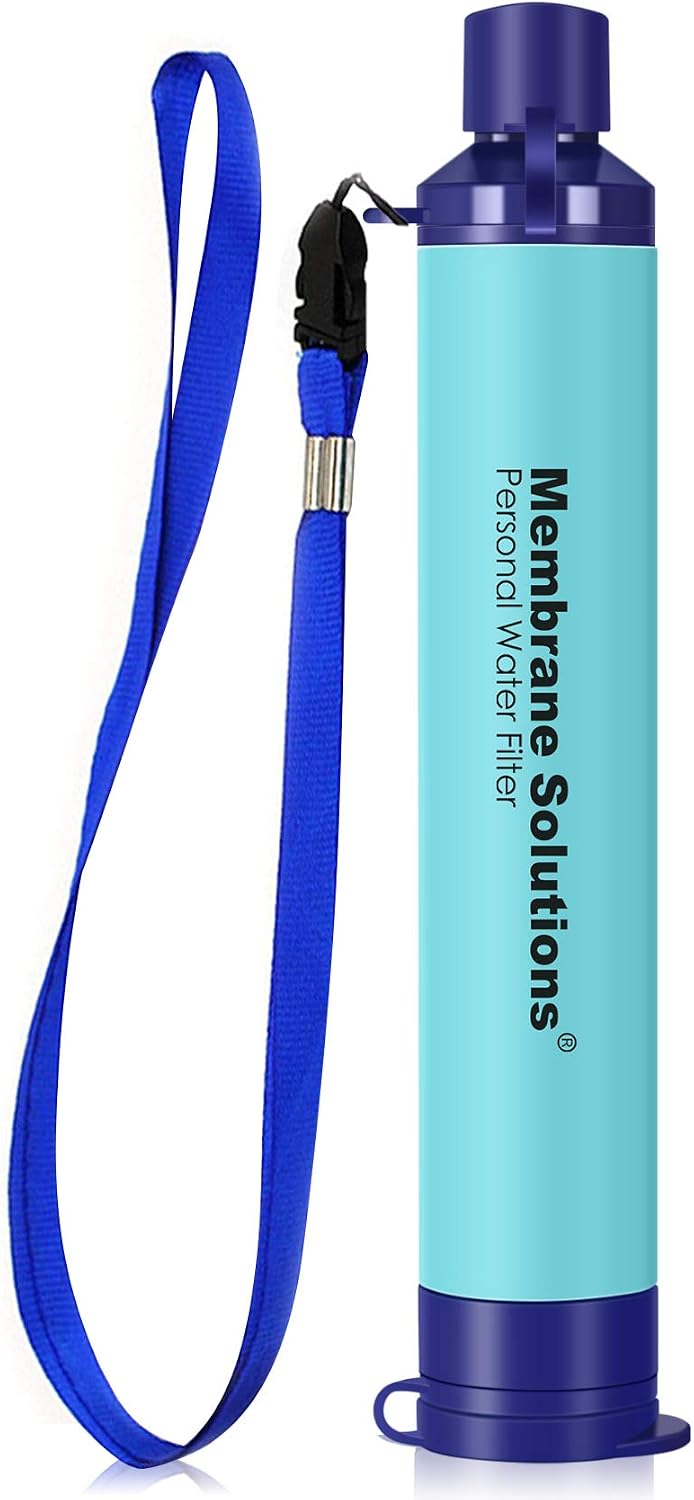
Built for travel, hiking & emergencies - drink safely whether the water is unsafe or just tastes off.
- NSF/ANSI 42, 372 & 401 certified, 0.1 micron filtration
- Filters up to 1,320 gallons - no batteries or pumping
- Ultralight - fits in any bag or pocket
- BPA-free, compatible with standard 28mm bottle threads
Tap water in Gabon is generally not considered safe for travelers to drink. While urban areas like Libreville have treated municipal water supplies, inconsistent treatment, aging infrastructure, and frequent pipe contamination make bottled or filtered water the recommended choice. Rural areas have significantly less access to improved water sources.
Quick Reference
| Concern | Our Advice | |
|---|---|---|
| Drink tap water? | ❌ | Use bottled or filtered water |
| Brush teeth? | ❌ | Use bottled or filtered water |
| Wash fruits / veg? | ❌ | Wash with filtered or bottled water |
| Use ice in drinks? | ❌ | Avoid unless confirmed purified |
| Shower safely? | ✅ | Yes |
| Filter bottle needed? | ❌ | Strongly recommend a Membrane Solutions Filter Straw for all travelers |
| Common risks | Bacterial contamination, Parasitic infections, Sediment and turbidity, Pipe corrosion, Inadequate chlorination, Waterborne diseases like typhoid and cholera |

Key Statistics


Affiliate links — we earn a small commission at no extra cost to you.
Water Infrastructure & Supply
Gabon's water supply is primarily managed by the Socit d'nergie et d'Eau du Gabon (SEEG), which was a public-private partnership until the government renationalized it in 2018. The country benefits from abundant freshwater resources due to heavy rainfall and the Ogoou River basin, but infrastructure has not kept pace with urbanization and population growth. The colonial-era pipe networks in older parts of cities like Libreville and Port-Gentil are prone to leaks, contamination, and pressure drops.
The main treatment plants in Libreville draw water from the Ntoum reservoir and the Como estuary, using conventional treatment processes including coagulation, sedimentation, filtration, and chlorination. However, intermittent supply, power outages, and equipment maintenance issues mean that water quality at the tap can vary significantly from day to day. In many neighborhoods, residents experience water cuts that can last hours or days, during which contamination from backflow is a real concern.
The Gabonese government, with support from the African Development Bank and the World Bank, has invested in several water infrastructure improvement projects. The Libreville Water Supply Project aims to expand treatment capacity and replace aging distribution networks. Rural electrification and water access programs have also been launched to bring boreholes and solar-powered pumping systems to underserved communities, though progress has been slow in remote forested areas.
Contamination & Health Risks
The primary health risks from Gabon's tap water include bacterial contamination from E. coli and coliform bacteria, particularly after heavy rains when surface runoff overwhelms treatment systems. Waterborne diseases such as typhoid fever, hepatitis A, and gastroenteritis remain significant public health concerns, especially in areas with inadequate sanitation infrastructure. The WHO estimates that unsafe water and sanitation contribute meaningfully to the disease burden in the country.
Pollution sources include untreated sewage discharge into waterways, agricultural runoff, and industrial activities related to oil extraction and mining, particularly manganese mining near Moanda. In coastal cities like Port-Gentil, proximity to petroleum operations raises additional concerns about hydrocarbon contamination. Sediment loads in rivers during the rainy season can also overwhelm treatment plant capacity, leading to elevated turbidity in the tap water supply.
For travelers, the practical risks include travelers' diarrhea, which is the most common illness. Even in upscale hotels in Libreville, tap water should not be consumed directly. Ice in drinks at street vendors and smaller restaurants may be made from unfiltered tap water. Uncooked vegetables and fruits washed with tap water also pose a risk. Travelers with compromised immune systems should be especially cautious.
Regional Water Quality Breakdown
Libreville
cautionAs the capital and largest city, Libreville has the best water infrastructure in Gabon, supplied by the Ntoum treatment plant. However, aging pipes, intermittent supply, and pressure drops mean tap water is not reliably safe to drink directly. Use bottled or filtered water.
Port-Gentil
cautionGabon's economic capital and oil hub has municipal water service, but infrastructure is aging and proximity to petroleum operations raises contamination concerns. Water cuts are frequent, and quality at the tap is inconsistent. Bottled water is readily available.
Franceville
cautionThis southeastern city has treated water supply but faces challenges with aging infrastructure and occasional contamination during heavy rains. Proximity to manganese mining operations in the Haut-Ogoou province adds concerns about heavy metal traces. Filtered or bottled water is recommended.
Lop National Park
avoidThis UNESCO World Heritage site in central Gabon has very limited water infrastructure. Lodges and eco-camps typically provide filtered or bottled water, but travelers should not rely on any local water source without proper treatment. Bring sufficient supplies or a reliable filter system.
Lambarn
cautionKnown for the Albert Schweitzer Hospital, this town on the Ogoou River has basic municipal water but treatment is not always reliable. The river itself carries significant sediment during the rainy season. Stick to bottled or thoroughly boiled water.
Rural and remote areas
avoidMuch of rural Gabon relies on untreated surface water, rainwater collection, or community boreholes of variable quality. Only about 55% of the rural population has access to basic water services. Travelers to remote forests, villages, or bush camps must bring their own purification methods.
Practical Tips for Travelers
- Always drink bottled or filtered water. Verify that bottle seals are intact before purchasing, as refilling used bottles with tap water is occasionally reported.
- In French, ask for bottled water by saying "De l'eau en bouteille, s'il vous plat" (bottled water, please) or "De l'eau minrale" (mineral water) at restaurants and hotels.
- Avoid ice in drinks from street vendors and smaller establishments. In upscale restaurants and international hotels, ice is generally made from purified water, but it's always worth asking.
- Bring a quality filter bottle such as a LifeStraw or Grayl when visiting national parks and rural areas. These can filter bacteria and parasites from local water sources in emergencies. Strongly recommend the Membrane Solutions Filter Straw.
- Peel all fruits and avoid raw salads at local market eateries, as produce is often washed with untreated water. Cooked foods are generally safe.
- Use bottled water for brushing your teeth, especially if you have a sensitive stomach. Even a small amount of contaminated water can cause gastrointestinal issues.
- Stock up on water before traveling outside Libreville or Port-Gentil. Availability of bottled water decreases significantly in smaller towns and along remote roads.
- If you must use tap water in an emergency, boil it vigorously for at least one minute and let it cool before drinking. Chemical purification tablets are a lighter-weight alternative for backpackers.
Bottled Water Availability & Cost
Bottled water is widely available in Gabon's cities, particularly in supermarkets, gas stations, and small shops (boutiques). Popular brands include Source Ngounie, Andza, Ogoou, and imported brands like Evian and Volvic. A 1.5-liter bottle of local water typically costs 500, 800 CFA francs (approximately $0.80, $1.30 USD), while imported brands may cost 1,500, 2,500 CFA francs ($2.50, $4.00 USD). A small 500ml bottle usually costs 300, 500 CFA francs ($0.50, $0.80 USD).
Buying water in bulk (packs of six 1.5L bottles) from supermarkets like Casino, Prix Import, or Mbolo is the most economical approach, often costing 2,500, 4,000 CFA francs ($4, $6.50 USD) per pack. Travelers heading to rural areas or national parks should stock up in advance, as bottled water availability becomes limited outside major towns. Consider bringing a reusable filter bottle to reduce plastic waste, as Gabon faces growing challenges with plastic pollution despite its otherwise remarkable forest conservation efforts.
Frequently Asked Questions
Can I brush my teeth with tap water in Gabon?
It is not recommended to brush your teeth with tap water in Gabon, especially if you have a sensitive stomach. The inconsistent water treatment and aging pipe networks mean that even small amounts of water can introduce bacteria. Use bottled or filtered water for brushing.
Is it safe to shower in tap water in Gabon?
Yes, showering in tap water is generally safe in Gabon. The risk comes from ingesting the water, not from skin contact. Just be careful to keep your mouth closed and avoid swallowing any water while showering.
Is ice safe in drinks at restaurants in Gabon?
In upscale hotels and international restaurants in Libreville, ice is typically made from purified water and is generally safe. However, at local bars, street vendors, and smaller restaurants, ice may be made from untreated tap water. When in doubt, ask for drinks without ice ("sans glaons").
Do restaurants in Gabon serve safe drinking water?
Most restaurants in Gabon serve bottled water rather than tap water, and this is included on the bill. Always verify the seal on the bottle. Some higher-end restaurants may have their own filtration systems. Avoid accepting tap water served in a glass or pitcher at smaller eateries.
How much does bottled water cost in Gabon?
A 1.5-liter bottle of local water costs around 500, 800 CFA francs ($0.80, $1.30 USD) in shops. Imported brands like Evian can cost 1,500, 2,500 CFA ($2.50, $4.00 USD). Buying in bulk at supermarkets is the most economical option, especially for longer stays.
Is the water safe in Gabonese national parks like Lop?
National parks in Gabon generally have very limited water infrastructure. Eco-lodges and camps usually provide filtered or bottled water for guests, but you should always confirm this when booking. Bring your own filter bottle or purification tablets as a backup, especially if camping independently.
What waterborne diseases should I be concerned about in Gabon?
The main waterborne disease risks in Gabon include travelers' diarrhea, typhoid fever, hepatitis A, and parasitic infections such as giardiasis and amoebiasis. Ensure your routine vaccinations are up to date, and consult a travel health clinic about hepatitis A and typhoid vaccines before your trip.
Can I use a water filter bottle instead of buying bottled water in Gabon?
Yes, a high-quality filter bottle like a Grayl GeoPress or LifeStraw Go is an excellent option for Gabon. These can remove bacteria, parasites, and sediment from tap water or even river water. They are particularly useful for eco-tourism trips and visits to rural areas, and they help reduce plastic waste.
Interesting Product Reviews
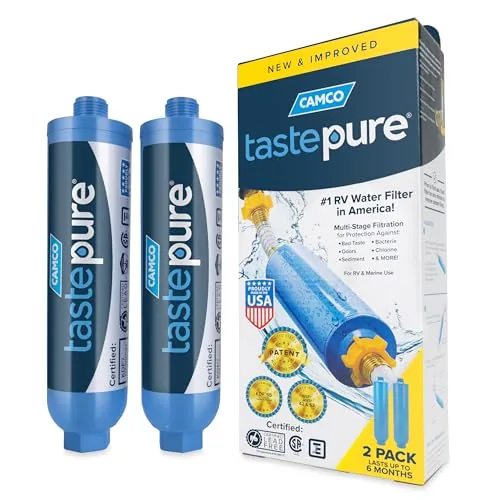
8 Best Water Filters For Van Life (2026 Review Guide)
Jul 28, 2026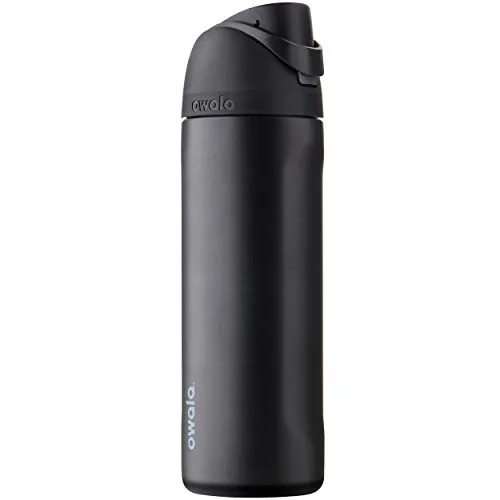
9 Best Reusable Water Bottles (2026 Review Guide)
Aug 6, 2026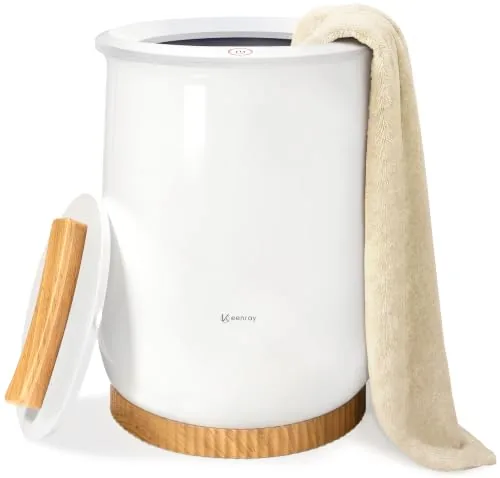
8 Best Towel Warmers (2026 Review Guide)
Aug 21, 2026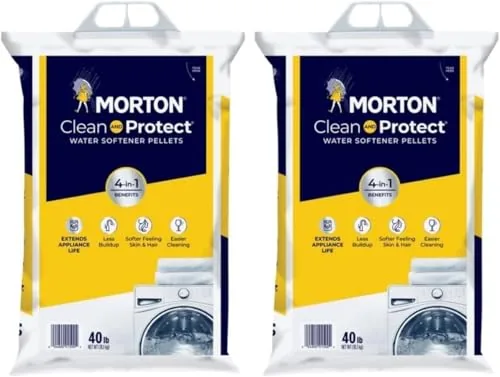
6 Best Water Softener Salts (2026 Review Guide)
Aug 13, 2026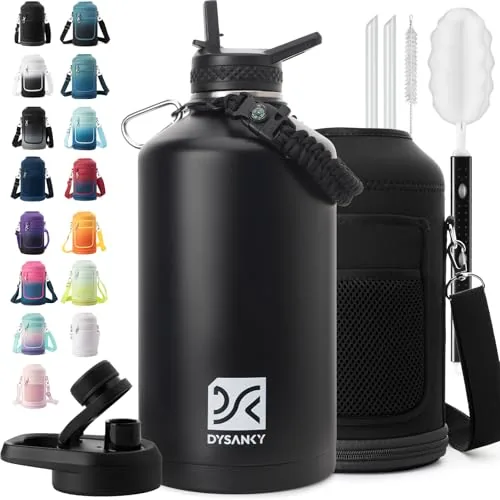
9 Best Gallon Water Jugs (2026 Review Guide)
Aug 8, 2026