As low as $12
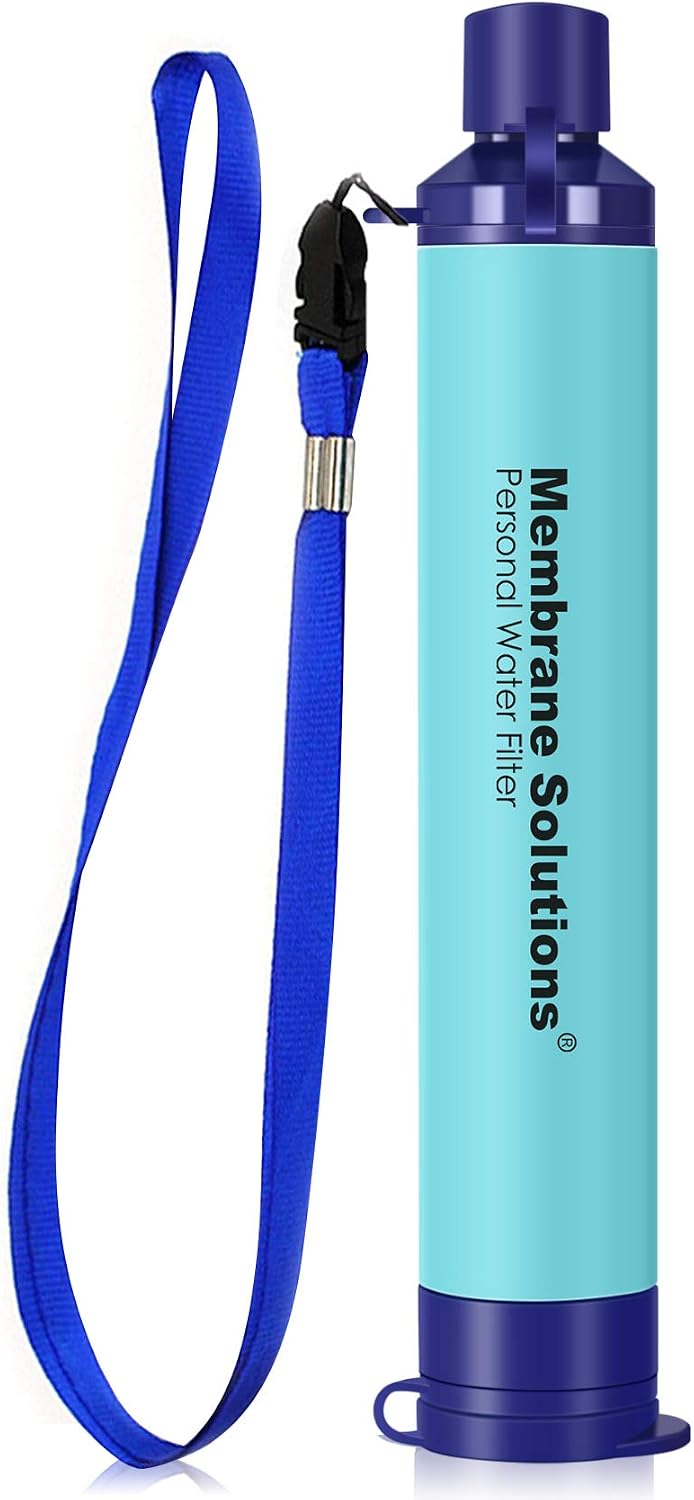
Built for travel, hiking & emergencies - drink safely whether the water is unsafe or just tastes off.
- NSF/ANSI 42, 372 & 401 certified, 0.1 micron filtration
- Filters up to 1,320 gallons - no batteries or pumping
- Ultralight - fits in any bag or pocket
- BPA-free, compatible with standard 28mm bottle threads
Tap water in Australia is generally safe to drink across all major cities and most regional towns. Australia's water supply is regulated under the Australian Drinking Water Guidelines (ADWG), which set rigorous standards comparable to those in Europe and North America. Travelers can confidently drink tap water in Sydney, Melbourne, Brisbane, Perth, and other urban centers without any special precautions.
Quick Reference
| Concern | Our Advice | |
|---|---|---|
| Drink tap water? | ✅ | Yes, safe in most areas |
| Brush teeth? | ✅ | Yes, no concerns |
| Wash fruits / veg? | ✅ | Yes, safe to use tap water |
| Use ice in drinks? | ✅ | Yes, safe in restaurants |
| Shower safely? | ✅ | Yes |
| Filter bottle needed? | ✅ | Not necessary, but a Membrane Solutions Filter Straw can improve taste |
| Common risks | Chlorination byproducts, Fluoride sensitivity, Aging rural pipes, Occasional boil water advisories in remote communities |

Key Statistics


Affiliate links — we earn a small commission at no extra cost to you.
Water Infrastructure & Supply
Australia has a long history of investing in water infrastructure, driven by the challenges of being the driest inhabited continent on Earth. Major cities built large reservoir systems in the early 20th century, and after the devastating Millennium Drought (1997, 2009), the country invested heavily in desalination plants in Sydney, Melbourne, Perth, Adelaide, and the Gold Coast. These facilities now serve as drought-proof backup supplies and represent some of the largest desalination capacity in the Southern Hemisphere.
Water treatment across Australian cities typically involves coagulation, flocculation, sedimentation, filtration, and disinfection using chlorine or chloramine. Melbourne's water supply is notable for being largely unfiltered, drawing from protected mountain catchments in the Yarra Ranges that produce exceptionally clean source water. Most states also fluoridate their water supply in accordance with NHMRC guidelines, with the exception of some parts of Queensland and select regional areas.
Recent infrastructure projects include the expansion of Perth's desalination capacity, Sydney's WaterFix program to reduce leaks and improve pipe networks, and Melbourne's ongoing modernization of its pipe network. The Australian Government's National Water Grid Authority has also committed billions to water security projects in regional and rural areas, addressing long-standing water quality disparities in remote Indigenous communities through programs like the Remote Essential Services program.
Contamination & Health Risks
For the vast majority of travelers, Australian tap water presents no health risks. Water quality is continuously monitored by utilities and state health departments, and compliance with the Australian Drinking Water Guidelines is consistently high in all capital cities. Disinfection byproducts such as trihalomethanes (THMs) are kept well within guideline values, and microbiological contamination in urban supplies is extremely rare.
The most notable health concern relates to remote and Indigenous communities, particularly in parts of the Northern Territory, Western Australia, and outback Queensland, where aging infrastructure, limited treatment capacity, and naturally occurring contaminants such as uranium and nitrates can occasionally affect water quality. Boil water advisories are issued periodically in these areas. Travelers visiting very remote outback locations or small rural communities should check for local advisories before drinking tap water.
Some visitors may notice a slight chlorine taste or odor in tap water, particularly in Sydney and Brisbane, which is a normal result of the disinfection process and poses no health risk. People with extreme sensitivity to fluoride should be aware that most Australian water supplies are fluoridated at approximately 0.6, 1.0 mg/L. Lead in plumbing can be a minor concern in some very old buildings (pre-1980s), but this is rare and easily mitigated by running the tap for a few seconds before drinking.
Regional Water Quality Breakdown
Sydney
safeSydney Water sources its supply from a network of dams in the Blue Mountains and Illawarra regions. The water undergoes extensive multi-barrier treatment and consistently meets all ADWG standards. Sydney's water is considered among the best in Australia.
Melbourne
safeMelbourne draws its water from protected mountain catchments, resulting in exceptionally clean source water that requires minimal treatment. The city's water regularly ranks among the highest quality in the world. Tap water is perfectly safe and pleasant to drink.
Perth
safePerth relies significantly on desalinated water and groundwater due to declining rainfall in Western Australia. Both sources are rigorously treated and fully meet national standards. The water is safe to drink, though some residents note a slight mineral taste from groundwater sources.
Brisbane & Gold Coast
safeSEQ Water manages the water grid for South East Queensland, drawing from multiple dams and a desalination plant. Water quality is excellent and consistently compliant with ADWG standards. The region's water infrastructure was significantly upgraded after the 2011 floods.
Adelaide
safeAdelaide's water comes from the Murray River and local reservoirs, supplemented by a large desalination plant. Historically the water had a reputation for a slightly different taste due to its Murray River source, but modern treatment has greatly improved quality. Tap water is safe to drink.
Remote Outback & Indigenous Communities
cautionSome remote communities, particularly in the Northern Territory and outback Western Australia, may have water quality issues due to aging infrastructure or naturally occurring contaminants. Boil water advisories are occasionally issued. Travelers to very remote areas should check local conditions and carry their own water supply.
Practical Tips for Travelers
- Carry a filter straw (e.g., Membrane Solutions) — it removes bacteria, parasites, and microplastics from any tap or stream. Strongly recommend the Membrane Solutions Filter Straw.
- Australian tap water is safe to drink everywhere in cities and major towns , carry a refillable bottle and use free water fountains found in parks, airports, and shopping centers.
- If you're visiting very remote outback areas or small Indigenous communities, check for local boil water advisories at the nearest roadhouse or council office before drinking the tap water.
- To remove any chlorine taste from tap water, fill a jug and leave it uncovered in the fridge for an hour , the chlorine will naturally dissipate.
- At restaurants, you can request free tap water by simply asking for 'tap water, please' , all licensed venues in Australia are legally required to provide free drinking water.
- When driving through outback Australia, always carry at least 5 liters of drinking water per person per day, as distances between towns can exceed hundreds of kilometers with no services.
- Ice in drinks at Australian restaurants, cafes, and bars is made from tap water and is completely safe to consume.
- Look for water refill stations at airports , Sydney, Melbourne, and Brisbane airports all have filtered water stations past security, so you can fill up after clearing checkpoints.
- If you're staying in a very old building (pre-1930s) with original plumbing, let the tap run for 10, 15 seconds in the morning before drinking to flush any standing water from old pipes.
Bottled Water Availability & Cost
Bottled water is widely available throughout Australia at convenience stores, supermarkets, petrol stations, and vending machines. Popular Australian brands include Mount Franklin, Pump, and Cool Ridge, with imported options like Evian and Fiji Water also common. A 600 mL bottle typically costs AUD $2.50, $4.00 (approximately USD $1.60, $2.60) from a convenience store, while supermarket prices for a 1.5 L bottle range from AUD $1.00, $2.50. Prices at airports, tourist attractions, and event venues can be significantly higher, sometimes reaching AUD $5.00, $6.00 for a small bottle.
For budget-conscious travelers, buying multipacks of water from Woolworths, Coles, or Aldi is the most economical option, with 24-packs of 600 mL bottles available for around AUD $6.00, $10.00. However, since Australian tap water is safe and high quality, carrying a refillable water bottle is the best approach. Most public spaces, parks, airports, and shopping centers have free water refill stations and drinking fountains. This is also the more sustainable choice , Australia has actively campaigned to reduce single-use plastic bottles, with some towns like Bundanoon famously banning their sale entirely.
Frequently Asked Questions
Can I brush my teeth with tap water in Australia?
Yes, absolutely. Tap water across all Australian cities and towns is safe for brushing teeth. The water meets strict national health standards and poses no risk for oral hygiene use.
Is it safe to shower in Australian tap water?
Yes, showering in Australian tap water is completely safe everywhere in the country. The water is treated and disinfected to high standards. People with very sensitive skin may notice the effects of chlorine, but this is cosmetic rather than a health concern.
Is ice safe in Australian drinks?
Yes, ice served in drinks throughout Australia is made from tap water and is perfectly safe. This applies to restaurants, bars, cafes, hotels, and street food vendors alike. There is no need to request drinks without ice.
Can I drink water from the tap at Australian restaurants?
Yes, and you should feel comfortable doing so. Australian restaurants and licensed venues are required by law to provide free tap water upon request. Simply ask your server for 'tap water' , it's the same safe, treated municipal water supply.
How much does bottled water cost in Australia?
A 600 mL bottle of water costs approximately AUD $2.50, $4.00 at convenience stores, while a 1.5 L bottle from a supermarket costs around AUD $1.00, $2.50. Prices are higher at airports and tourist sites. However, since tap water is safe and excellent quality, a refillable bottle is the most economical and eco-friendly option.
Is the water safe to drink in the Australian outback?
In established outback towns and roadhouses, tap water is generally safe to drink. However, in very remote areas and some small Indigenous communities, water quality may vary and boil water advisories occasionally apply. Always carry your own water supply when traveling through remote outback regions, as access to any water can be limited over long distances.
Why does Australian tap water taste different in some cities?
Taste differences are due to varying water sources and mineral content. Melbourne's water, drawn from pristine mountain catchments, is often considered the best-tasting. Adelaide's water historically had a slightly different taste from its Murray River source, while Perth's groundwater can have a mild mineral flavor. All are safe to drink regardless of taste differences.
Is Australian tap water fluoridated?
Yes, approximately 89% of Australians receive fluoridated water, as recommended by the National Health and Medical Research Council (NHMRC) to reduce dental decay. Fluoride is added at levels between 0.6, 1.0 mg/L, well within safe limits. Some areas of Queensland and a few regional locations do not fluoridate. If you prefer non-fluoridated water, a reverse osmosis or activated alumina filter will remove fluoride.
Interesting Product Reviews
6 Best Water Quality Testers (2026 Review Guide)
Aug 3, 2026
6 Best Water Filters For Limescale (2026 Review Guide)
Aug 1, 2026
9 Best Well Water Pumps (2026 Review Guide)
Aug 14, 2026
7 Best Water Quality Monitors (2026 Review Guide)
Aug 16, 2026
8 Best Water Bottle Carriers And Slings (2026 Review Guide)
Aug 8, 2026