As low as $12
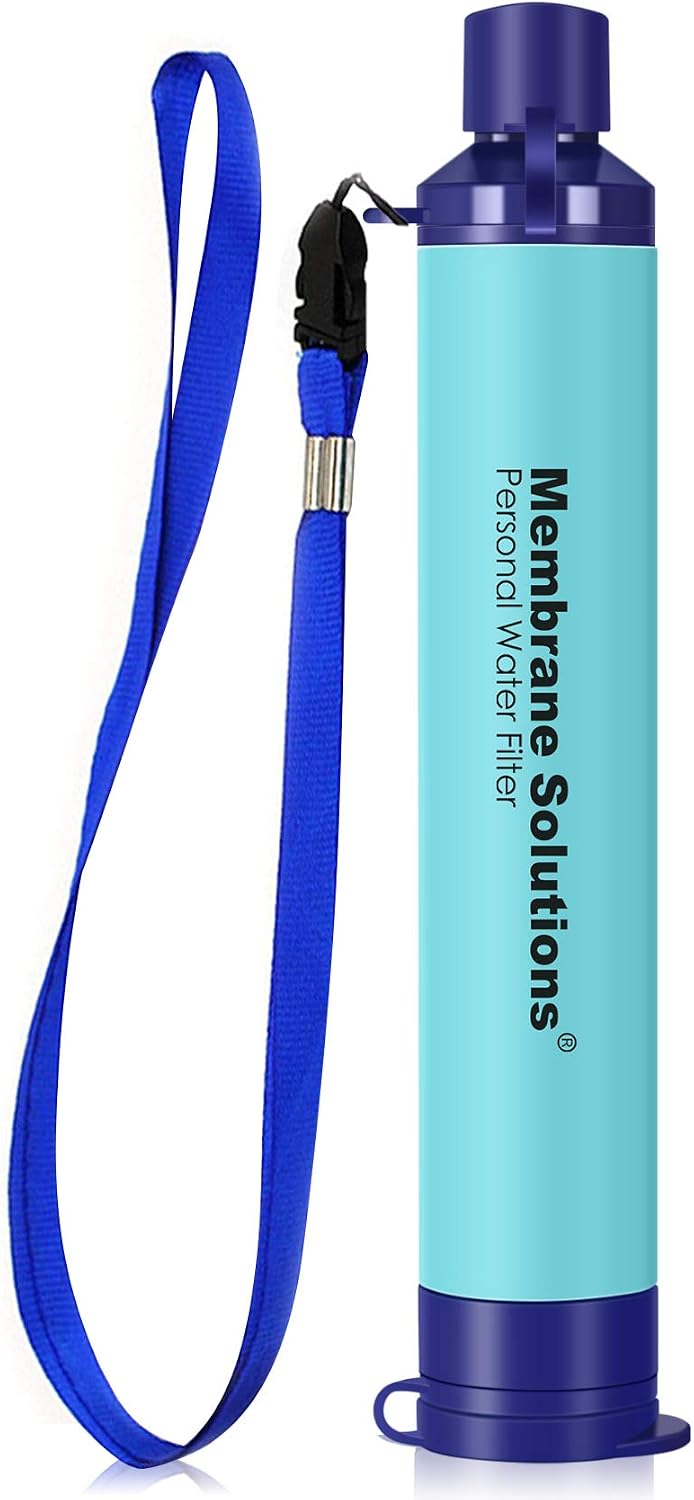
Built for travel, hiking & emergencies - drink safely whether the water is unsafe or just tastes off.
- NSF/ANSI 42, 372 & 401 certified, 0.1 micron filtration
- Filters up to 1,320 gallons - no batteries or pumping
- Ultralight - fits in any bag or pocket
- BPA-free, compatible with standard 28mm bottle threads
Tap water in Portugal is generally safe to drink throughout the country, meeting EU drinking water standards. The water supply is well-regulated by ERSAR (the national water and waste services regulator), and major cities like Lisbon and Porto have excellent water quality. While some travelers may notice a slight chlorine taste, Portuguese tap water is perfectly safe for consumption.
Quick Reference
| Concern | Our Advice | |
|---|---|---|
| Drink tap water? | ✅ | Yes, safe in most areas |
| Brush teeth? | ✅ | Yes, no concerns |
| Wash fruits / veg? | ✅ | Yes, safe to use tap water |
| Use ice in drinks? | ✅ | Yes, safe in restaurants |
| Shower safely? | ✅ | Yes |
| Filter bottle needed? | ✅ | Not necessary, but a Membrane Solutions Filter Straw can improve taste |
| Common risks | Chlorine taste, Aging pipes in older buildings, Occasional agricultural runoff in rural areas, Nitrate contamination in some agricultural regions |

Key Statistics


Affiliate links — we earn a small commission at no extra cost to you.
Water Infrastructure & Supply
Portugal has invested heavily in water infrastructure since joining the European Union in 1986. Major EU-funded programs like PEAASAR I and II (Strategic Plans for Water Supply and Wastewater) transformed the country's water systems from the late 1990s through the 2010s. Before these investments, many rural areas lacked reliable treated water, but today the public water supply reaches approximately 96% of the population.
The country operates a multi-tiered water management system. Bulk water supply is primarily managed by guas de Portugal (AdP), a state-owned group that oversees regional multi-municipal systems. These systems source water from major rivers (Tagus, Douro, Mondego), reservoirs, and groundwater aquifers. Treatment plants use conventional processes including coagulation, filtration, and disinfection with chlorine or chloramine, meeting all EU Drinking Water Directive parameters.
Ongoing improvement projects focus on reducing water losses (non-revenue water averages around 30% nationally), upgrading aging distribution networks in historic city centers, and expanding wastewater treatment capacity. Portugal is also investing in water reuse technology and desalination, particularly in the drought-prone Algarve region, where the Albufeira desalination plant has been proposed to address growing water scarcity concerns linked to climate change.
Contamination & Health Risks
Portuguese tap water consistently meets EU drinking water quality standards, with ERSAR reporting compliance rates of approximately 99% for regulated parameters at the consumer's tap. The main contaminants monitored include microbiological indicators, nitrates, pesticide residues, trihalomethanes (chlorination byproducts), and heavy metals such as lead. Exceedances are rare and typically localized to small rural systems.
The primary pollution sources that can affect water quality include agricultural runoff (particularly nitrates and pesticides in the Alentejo and Ribatejo farming regions), industrial discharge along major river basins, and occasional drought-related concentration of contaminants in surface water sources. In older buildings, particularly in Lisbon's historic neighborhoods and Porto's Ribeira district, aging lead or galvanized pipes could theoretically contribute trace metals, though this is monitored and not typically a health concern for short-term visitors.
For travelers, the practical health risks from drinking Portuguese tap water are minimal. The water may taste slightly of chlorine in some areas, particularly in the south where surface water sources require more treatment. Visitors with sensitive stomachs may experience minor adjustment issues when switching between different water sources, but serious waterborne illness from public water supplies is extremely rare. Immunocompromised travelers may wish to use bottled water as an extra precaution, though this is a general travel recommendation rather than a Portugal-specific concern.
Regional Water Quality Breakdown
Lisbon
safeLisbon's tap water is supplied by EPAL, one of Portugal's most advanced water utilities, drawing primarily from the Castelo de Bode reservoir. Water quality consistently exceeds EU standards with compliance rates above 99%. The water is safe and pleasant to drink throughout the city.
Porto
safePorto's water supply is managed by guas do Porto and sourced mainly from the Douro River and reservoirs in the region. Water quality is excellent, with regular testing showing full compliance with EU standards. Some older buildings in the Ribeira historic quarter may have aging internal plumbing, but the supplied water itself is safe.
Algarve
safeThe Algarve's water is primarily sourced from the Odelouca and Beliche reservoirs and managed by guas do Algarve. Water quality meets EU standards, though the taste may be slightly more chlorinated than in northern Portugal due to warmer temperatures requiring higher disinfection levels. Water is safe to drink in all major tourist towns like Faro, Lagos, and Albufeira.
Madeira
safeMadeira's tap water comes from abundant natural springs and mountain aquifers, managed by ARM (guas e Resduos da Madeira). The water is generally of very good quality in Funchal and major towns. In more remote mountain areas, some smaller supply systems may have occasional quality variations.
Azores
cautionWater quality in the Azores varies by island. Some islands have experienced issues with elevated nitrate levels from dairy farming and volcanic-origin contaminants like fluoride. So Miguel has faced particular challenges with bacterial contamination in some rural supply zones. Travelers should check locally and may prefer bottled water in rural areas.
Alentejo
safeThe Alentejo region's water quality is generally good in urban centers like vora and Beja. In some agricultural areas, nitrate levels can be higher due to intensive farming, though public water systems are treated and monitored. During summer droughts, water conservation measures may be in effect, but supplied water remains safe.
Practical Tips for Travelers
- Carry a filter straw (e.g., Membrane Solutions) — it removes bacteria, parasites, and microplastics from any tap or stream. Strongly recommend the Membrane Solutions Filter Straw.
- In restaurants, you can ask for tap water by saying 'gua da torneira, por favor' , it's free and safe, though some restaurants may still prefer to serve bottled water.
- Look for public drinking fountains (fontenrios) in city centers and parks throughout Lisbon and Porto , they provide free, safe, fresh water for refilling bottles.
- If you notice a slight chlorine taste, especially in the Algarve or southern regions, fill a jug and let it sit uncovered in the fridge for an hour , the chlorine will dissipate naturally.
- Carry a reusable water bottle when exploring , Portugal's tap water is safe everywhere on the mainland, and you'll reduce plastic waste while saving money.
- In the Azores, particularly on So Miguel, consider drinking bottled water in rural areas where smaller water systems may have occasional quality issues.
- When ordering bottled water at restaurants, specify 'com gs' for sparkling or 'sem gs' for still , expect to pay 1.50, 3.00 per bottle.
- If staying in a very old building with visible pipe corrosion, run the tap for 30 seconds before drinking to flush any standing water from aging internal pipes.
- During the hot summer months in the south, stay hydrated , Portugal's tap water is a convenient, safe, and free resource that you can access at any accommodation.
Bottled Water Availability & Cost
Bottled water is widely available throughout Portugal in supermarkets, cafs, restaurants, and convenience stores. Popular local brands include Luso, Serra da Estrela, Fastio, and Vitalis. A 500ml bottle typically costs 0.50, 1.00 in supermarkets and 1.50, 3.00 in restaurants and tourist areas. A 1.5-liter bottle from a supermarket costs approximately 0.30, 0.60, making bulk purchases very affordable.
For budget-conscious travelers, buying water in bulk at supermarkets like Pingo Doce, Continente, or Lidl is the most economical option , packs of six 1.5L bottles often cost under 2.00. However, since Portuguese tap water is safe to drink, carrying a reusable water bottle is both the most sustainable and cost-effective choice. Many cities, particularly Lisbon and Porto, have public drinking fountains (fontenrios) where you can refill for free. Portugal's restaurant culture traditionally serves bottled water, but you can request tap water , it's becoming increasingly socially acceptable and environmentally encouraged.
Frequently Asked Questions
Can I brush my teeth with tap water in Portugal?
Yes, absolutely. Portuguese tap water is safe for brushing teeth throughout the entire country, including all islands. The water meets EU drinking water standards and poses no risk for oral hygiene use.
Is it safe to shower in Portuguese tap water?
Yes, showering with tap water in Portugal is completely safe. The water is treated and disinfected to EU standards. People with very sensitive skin may notice slight dryness from chlorine, but this is cosmetic rather than a health concern.
Can I drink ice in drinks at Portuguese bars and restaurants?
Yes, ice served in Portuguese restaurants, bars, and cafs is made from tap water that meets EU safety standards. There is no risk of illness from ice in drinks anywhere in mainland Portugal or the major islands.
Is tap water safe to drink in Lisbon?
Yes, Lisbon has some of the best tap water in Portugal. It's supplied by EPAL from the Castelo de Bode reservoir in central Portugal and undergoes rigorous treatment and testing. The water consistently achieves compliance rates above 99% for all EU-regulated parameters.
How much does bottled water cost in Portugal?
Bottled water is very affordable in Portugal. A 1.5L bottle costs 0.30, 0.60 at supermarkets. In restaurants and tourist areas, a 500ml bottle typically costs 1.50, 3.00. Buying multi-packs at supermarkets like Pingo Doce or Continente is the cheapest option.
Do restaurants in Portugal serve tap water for free?
While Portuguese law doesn't mandate free tap water, many restaurants will provide it if asked. Say 'gua da torneira, por favor.' However, it's culturally common for restaurants to serve bottled water, and some may politely suggest a bottle instead. The practice of requesting tap water is becoming more accepted, especially in urban areas.
Is the tap water safe to drink in the Algarve?
Yes, tap water in the Algarve is safe to drink. It's treated and distributed by guas do Algarve and meets all EU quality standards. The taste may be slightly more chlorinated than in northern Portugal due to warmer temperatures, but it's perfectly safe. Many tourists prefer bottled water for taste reasons, but this isn't a health necessity.
Should I avoid tap water in the Azores?
In major towns and tourist accommodations across the Azores, tap water is generally treated and safe. However, some rural areas on certain islands (particularly So Miguel) have experienced water quality challenges including elevated nitrates from dairy farming. If you're visiting rural areas in the Azores, bottled water is a reasonable precaution. Check with your accommodation for local guidance.
Interesting Product Reviews
6 Best Pool Water Clarifiers (2026 Review Guide)
Aug 25, 2026
7 Best Glass Water Bottles (2026 Review Guide)
Aug 6, 2026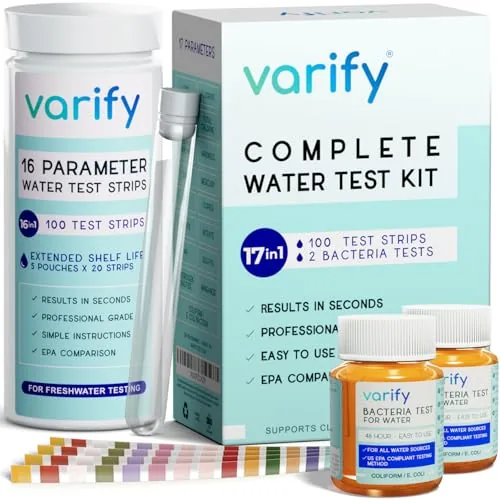
8 Best Lead Water Test Kits (2026 Review Guide)
Aug 3, 2026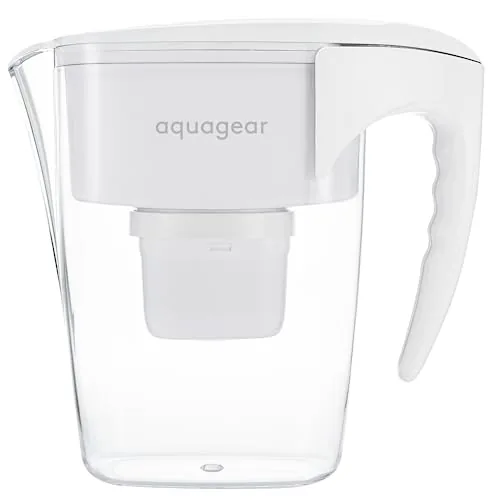
8 Best Water Filters For Chlorine (2026 Review Guide)
Jul 29, 2026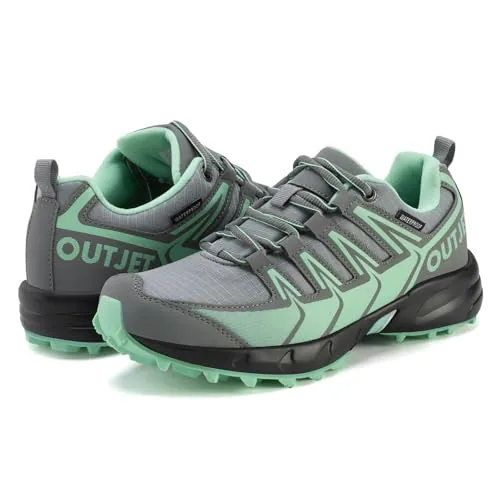
9 Best Waterproof Shoes For Travel (2026 Review Guide)
Aug 24, 2026