As low as $12
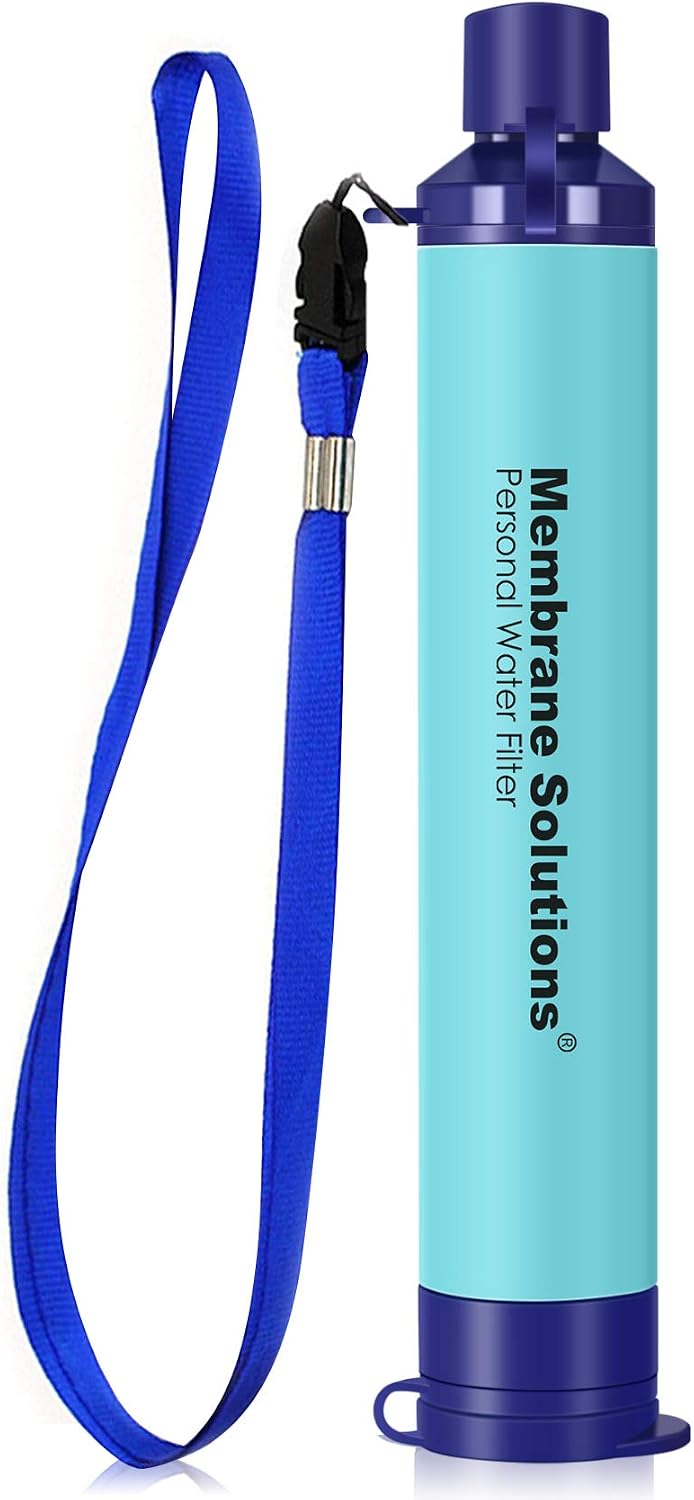
Built for travel, hiking & emergencies - drink safely whether the water is unsafe or just tastes off.
- NSF/ANSI 42, 372 & 401 certified, 0.1 micron filtration
- Filters up to 1,320 gallons - no batteries or pumping
- Ultralight - fits in any bag or pocket
- BPA-free, compatible with standard 28mm bottle threads
Tap water in the Central African Republic is not safe to drink for travelers. The country has extremely limited water treatment infrastructure, with a large portion of the population lacking access to basic drinking water services. Visitors should rely exclusively on bottled or thoroughly purified water during their stay.
Quick Reference
| Concern | Our Advice | |
|---|---|---|
| Drink tap water? | ❌ | Use bottled or filtered water |
| Brush teeth? | ❌ | Use bottled or filtered water |
| Wash fruits / veg? | ❌ | Wash with filtered or bottled water |
| Use ice in drinks? | ❌ | Avoid unless confirmed purified |
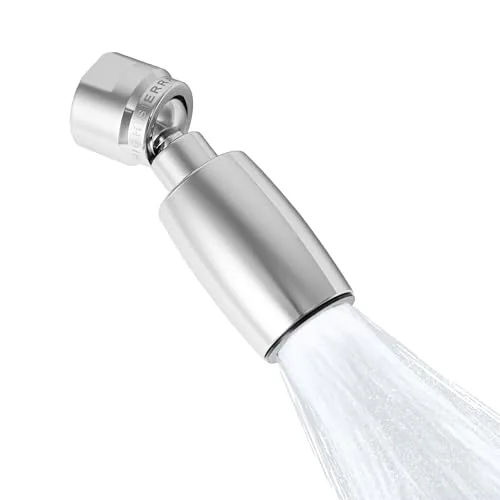
| Shower safely? | ✅ | Yes |
| Filter bottle needed? | ❌ | Strongly recommend a Membrane Solutions Filter Straw for all travelers |
| Common risks | Bacterial contamination, Parasitic infections, Waterborne diseases (cholera, typhoid, hepatitis A), Fecal contamination, Heavy metals, Lack of water treatment |

Key Statistics


Affiliate links — we earn a small commission at no extra cost to you.
Water Infrastructure & Supply
The Central African Republic has one of the least developed water infrastructures in the world. The national water utility, SODECA (Socit de Distribution d'Eau de Centrafrique), operates primarily in the capital Bangui and a handful of secondary towns, but its capacity is severely limited. Decades of political instability and armed conflict have devastated what little infrastructure existed, leaving most of the country without piped water systems.
In Bangui, SODECA draws water from the Ubangi River and operates a water treatment plant, but the system suffers from chronic underfunding, equipment failures, and intermittent supply. Treated water is often recontaminated in aging distribution pipes, and service coverage reaches only a fraction of the capital's residents. Outside Bangui, water supply relies almost entirely on hand-dug wells, boreholes, and surface water sources, most of which are not treated.
International organizations including UNICEF, the World Bank, and the African Development Bank have funded projects to rehabilitate boreholes and expand water access in both urban and rural areas. The World Bank's Emergency Water Supply and Sanitation Project has aimed to improve service delivery in Bangui and select towns. However, progress remains slow due to ongoing insecurity in many regions and a severe lack of technical and institutional capacity within the government.
Contamination & Health Risks
The health risks associated with drinking untreated water in the Central African Republic are severe. Waterborne diseases including cholera, typhoid fever, hepatitis A and E, and various diarrheal illnesses are endemic throughout the country. The WHO estimates that unsafe water, sanitation, and hygiene are among the leading causes of child mortality in the CAR, contributing to thousands of preventable deaths annually.
Major contamination sources include fecal pollution from open defecation (practiced by an estimated 27% of the population), agricultural runoff, and untreated domestic and industrial waste discharged directly into waterways. The Ubangi River and other surface water sources that serve as the primary drinking water supply for many communities contain dangerously high levels of pathogenic bacteria, parasites, and in some areas, heavy metals from artisanal mining operations.
For travelers, the practical risks are extremely high. Even in the best hotels in Bangui, tap water should never be consumed without thorough treatment. Diarrheal illness is one of the most common health complaints among visitors. Travelers should be vaccinated against hepatitis A and typhoid before arrival, carry oral rehydration salts, and use only water that has been boiled for at least one minute, chemically treated, or filtered through a certified purification device.
Regional Water Quality Breakdown
Bangui
avoidWhile Bangui has the country's only functional water treatment plant operated by SODECA, the treated water is frequently recontaminated through deteriorated pipes and intermittent supply. Tap water in Bangui is not safe to drink without additional purification, even in upscale hotels.
Bambari
avoidBambari, one of the larger secondary cities, has been severely affected by armed conflict. Water infrastructure has been damaged or destroyed, and most residents rely on untreated boreholes or surface water. Travelers should bring their own purification methods.
Bimbo
avoidLocated on the outskirts of Bangui, Bimbo has limited extension of the capital's water network. Most residents rely on wells and the Ubangi River for water. There is no reliable water treatment serving this fast-growing suburb.
Berberati
avoidAs a major town in the western part of the country, Berberati has some borehole infrastructure supported by NGOs, but piped treated water is not available. Mining activity in the region also raises concerns about heavy metal contamination in local water sources.
Bossangoa
avoidBossangoa in the northwest has been a conflict-affected zone with severely disrupted services. Humanitarian organizations have installed some emergency water points, but consistent safe water supply is not guaranteed. All water should be purified before use.
Rural Areas
avoidIn rural regions, which are home to the majority of the population, access to any improved water source is extremely limited. Most communities use untreated rivers, streams, or shallow wells. Travelers venturing into rural areas must be fully self-sufficient in water purification.
Practical Tips for Travelers
- Always carry a high-quality water filter bottle or portable purification system , this is essential equipment for any visit to the Central African Republic. Strongly recommend the Membrane Solutions Filter Straw.
- In Sango (the national language), you can ask for bottled water by saying 'Mo yeke water ti bouteille' or simply point to a sealed bottle in shops.
- In French (the official language), ask for sealed bottled water by saying 'De l'eau en bouteille, s'il vous plat' , and always verify the seal is intact before opening.
- Avoid ice in all drinks unless you are certain it was made from purified or bottled water, which is rare even in Bangui's restaurants.
- Use bottled or purified water for brushing teeth , even brief exposure to contaminated water through the mouth can cause gastrointestinal illness.
- Peel all fruits and vegetables yourself, and wash them with purified water before eating. Avoid pre-cut fruit sold by street vendors.
- Bring water purification tablets (chlorine dioxide or iodine-based) as a backup in case your filter fails or bottled water becomes unavailable.
- Get vaccinated against hepatitis A and typhoid before traveling, and carry oral rehydration salts and anti-diarrheal medication in your medical kit.
Bottled Water Availability & Cost
Bottled water is available in Bangui and some larger towns, though supply can be inconsistent, especially outside the capital. Common brands include locally produced and imported options from Cameroon and other neighboring countries. A 1.5-liter bottle typically costs between 500 and 1,500 CFA francs (approximately $0.80, $2.50 USD), though prices can be significantly higher in remote areas or during periods of supply disruption.
Travelers should stock up on bottled water when visiting Bangui, as availability drops sharply outside the capital. Purchasing water in bulk from supermarkets or shops in Bangui is the most cost-effective approach. Always check that bottle seals are intact before purchasing, as refilled bottles have been reported. Given the environmental challenges already facing the country, travelers with high-quality filtration systems can reduce plastic waste while ensuring safe hydration throughout their trip.
Frequently Asked Questions
Can I brush my teeth with tap water in the Central African Republic?
No, you should not brush your teeth with tap water anywhere in the Central African Republic. Use bottled water or water that has been purified through boiling, chemical treatment, or a certified filter. Even small amounts of contaminated water can cause gastrointestinal illness.
Is it safe to shower in tap water in the Central African Republic?
Showering is generally safe as long as you keep your mouth closed and avoid swallowing any water. If you have open wounds or cuts, try to avoid prolonged contact with untreated water. Pat dry thoroughly after showering.
Can I have ice in my drinks in Bangui?
It is strongly recommended to avoid ice in drinks throughout the Central African Republic, including in Bangui. Most ice is made from untreated tap water and can carry the same pathogens. Even in higher-end restaurants, you cannot be certain that ice has been made from purified water unless explicitly confirmed.
Is bottled water readily available in the Central African Republic?
Bottled water is available in Bangui at supermarkets, shops, and some hotels, though supply can be inconsistent. Outside the capital, bottled water becomes significantly harder to find. Always stock up before leaving Bangui, and carry backup purification methods.
How much does bottled water cost in the Central African Republic?
A 1.5-liter bottle of water typically costs 500, 1,500 CFA francs (about $0.80, $2.50 USD) in Bangui. Prices increase outside the capital, and in remote areas, bottled water may not be available at any price. Purchasing in bulk from Bangui shops is the most economical approach.
Is the water served in restaurants in Bangui safe to drink?
Do not assume water served in restaurants is safe. Unless it is served in a sealed bottle that you open yourself, it is likely tap water or water of unknown origin. Politely request sealed bottled water and check the cap before drinking.
What waterborne diseases are common in the Central African Republic?
Cholera, typhoid fever, hepatitis A and E, amoebic dysentery, giardiasis, and various forms of bacterial diarrhea are all common. The Central African Republic experiences periodic cholera outbreaks, particularly during the rainy season (May, October). Pre-travel vaccinations for hepatitis A and typhoid are strongly recommended.
What is the best way to purify water while traveling in the Central African Republic?
The most reliable method is to use a combination of approaches: a portable water filter (such as a LifeStraw or Grayl bottle) that removes bacteria and parasites, combined with chemical treatment (chlorine dioxide tablets) for added safety. Boiling water for at least one minute is also effective if fuel is available. UV purification pens work but require clear water and battery power.
Traveling Nearby?
Check tap water safety in neighboring countries:
Cameroon Chad DR Congo Republic of the Congo South Sudan SudanInteresting Product Reviews
6 Best Pool Water Clarifiers (2026 Review Guide)
Aug 25, 2026
8 Best Water Flossers (2026 Review Guide)
Aug 20, 2026
9 Best Water Filters For Fluoride Removal (2026 Review Guide)
Jul 30, 2026
9 Best Paddle Boards (2026 Review Guide)
Aug 26, 2026
6 Best Water Filters For Limescale (2026 Review Guide)
Aug 1, 2026